Visa
Give Tianjin more than a spare afternoon
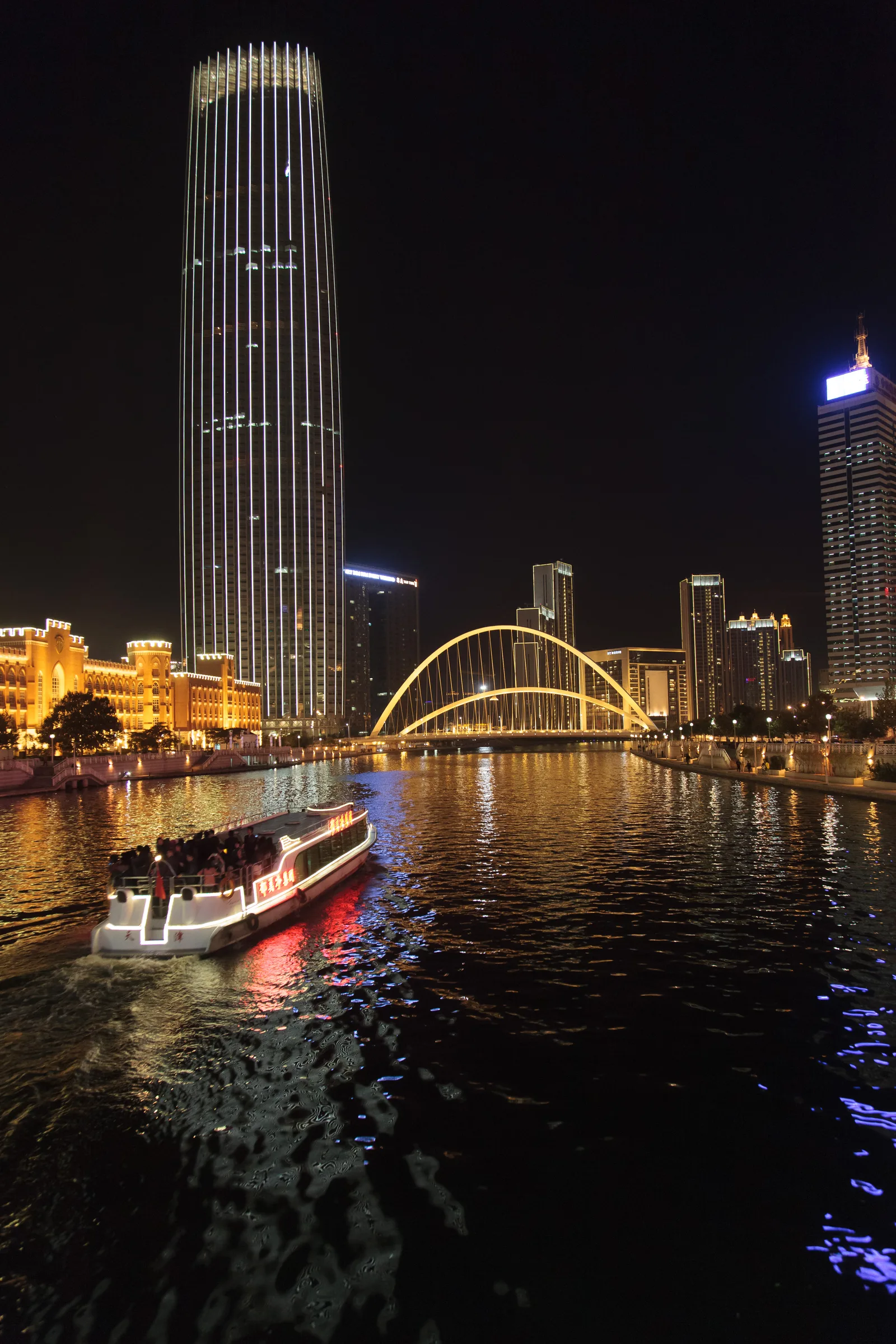
Tianjin makes a rewarding city break for travellers interested in architecture, riverfront walks and the practical pleasures of a Chinese neighbourhood: breakfast stalls, small shops and a change of scene across a bridge. The Haihe provides a useful starting point, with older commercial buildings and modern towers sharing the view. Away from it, the former concession districts and Ancient Culture Street tell different parts of the city's story.
Allow two full days for the central sights and a third if you want a museum or an excursion towards the coast. A Beijing day trip can provide an introduction, but an overnight stay gives you time for the illuminated waterfront without watching the clock for a return train. This guide focuses on the urban centre while identifying longer trips separately.
Understand the municipality before booking
Use the China location directory to compare destinations. Tianjin is a municipality administered directly by China's central government, encompassing a much wider area than its central sightseeing districts. The government's district directory is a useful safeguard against misleadingly broad hotel searches. Heping and the streets around the central riverfront suit a different itinerary from the coastal Binhai New Area. Jizhou, in the municipality's north, is another distinct outing.
Pay particular attention to station and district names. Tianjin Railway Station, Tianjin West and Binhai are not interchangeable arrival points. Nor is Hebei district within Tianjin the same geographical entity as neighbouring Hebei Province. Put the accommodation address, arrival station and first day's activities on the same map before booking. For someone moving to the city, the decisive location may instead be a particular campus, hospital or workplace. A hotel chosen for waterfront photographs can be a poor starting point for a daily journey elsewhere in this extensive municipality.
Read the history in the streets
Waterborne trade and foreign concessions both shaped Tianjin. The municipal overview of Ancient Culture Street connects the area with the city's river trade and the maritime traditions represented by Tianhou Temple. The account of the concession districts describes Tianjin's forced opening as a treaty port in 1860 and the subsequent development of foreign-administered areas.
That history is more complicated than the appealing phrase “European-style city” suggests. The surviving buildings belong to a Chinese city's experience of commerce, political change and foreign intervention. Notice their present uses as well as their facades. Some are homes or offices; others accommodate cultural venues, shops or restaurants. Reading a short historical overview before walking gives the architectural contrasts more meaning. It also helps distinguish preserved fabric from restoration and newer buildings designed to evoke an earlier period. Do not assume that an attractive exterior means the interior is open to visitors.
Choose Heping for a first central stay
The official Heping district profile identifies Golden Street, Wudadao and North Jiefang Road among its important commercial and architectural areas. That makes Heping a sensible starting point for comparing accommodation if your priorities are historic streets, shopping and access to the central waterfront. Select the specific block against your walking plans and nearest useful metro stop.
A hotel near Tianjin Railway Station can be convenient for a short rail-based visit, but check which exit and bridge your route uses. Across the river, the Italian Style Town area offers another setting for an evening walk. Ask about the room's orientation, nearby venues and luggage access. If your purpose is work in Binhai, compare a base there before committing to the centre. The attractive option is the one that fits the journey you will actually make.
Walk Wudadao with time to look closely
Wudadao, often translated as the Five Great Avenues, is best appreciated at walking pace. Its streets contain a substantial legacy of Western-influenced houses and villas. Choose a manageable area, look for changes in rooflines, materials and entrances, then pause rather than trying to cover every lane. A street walk and admission to an individual historic residence are different experiences, with different access arrangements.
Minyuan provides a useful place to orient a visit in this part of the city. Leave time around it for the surrounding streets instead of treating the square as the whole attraction. If a particular house or exhibition matters to you, confirm that venue's opening separately. A morning here works well before lunch and another district, especially if your group prefers architecture to a tightly scheduled sequence of ticketed attractions.
Give Ancient Culture Street a specific purpose
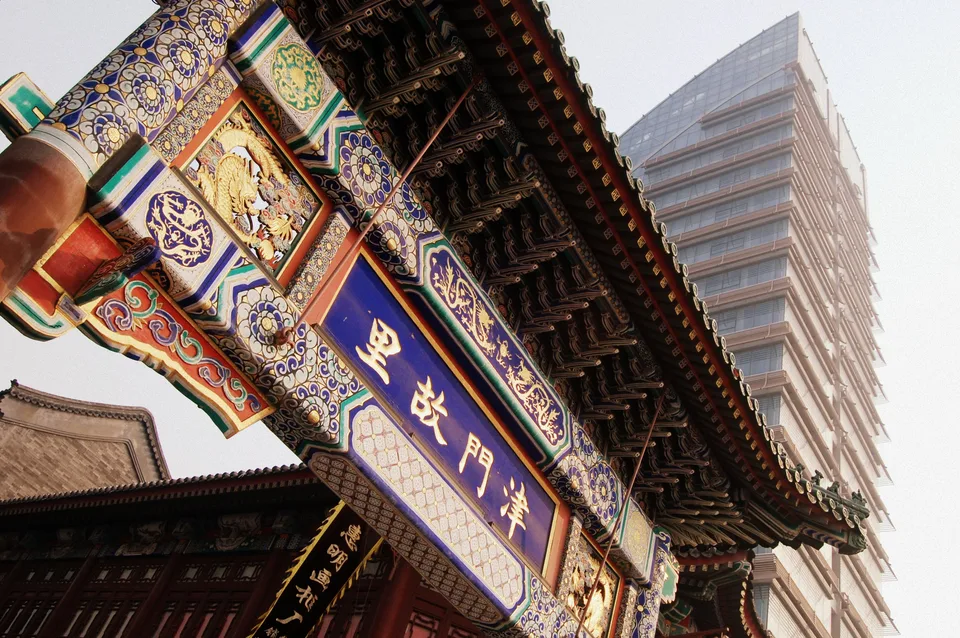
Ancient Culture Street, on the Haihe's west bank, offers a different visual language from the concession-era districts. The Tianhou Temple connection is central to understanding the area's maritime identity. Its traditional architectural styling should not be read as evidence that every shop or facade has survived unchanged from the distant past.
Go with one or two interests: temple heritage, craft shopping or simply seeing how this visitor district works. Compare the quality and provenance of objects rather than buying the first item labelled traditional. The city's overview of prints and figurines introduces Yangliuqing New Year pictures and Niren Zhang clay figures. Woodblock printing combined with hand-painting is part of the former tradition. Ask sellers what process produced the piece in front of you. For a fragile figure or a large print, discuss packaging before paying, and keep a receipt with the maker or shop details.
Explore Italian Style Town as a living district
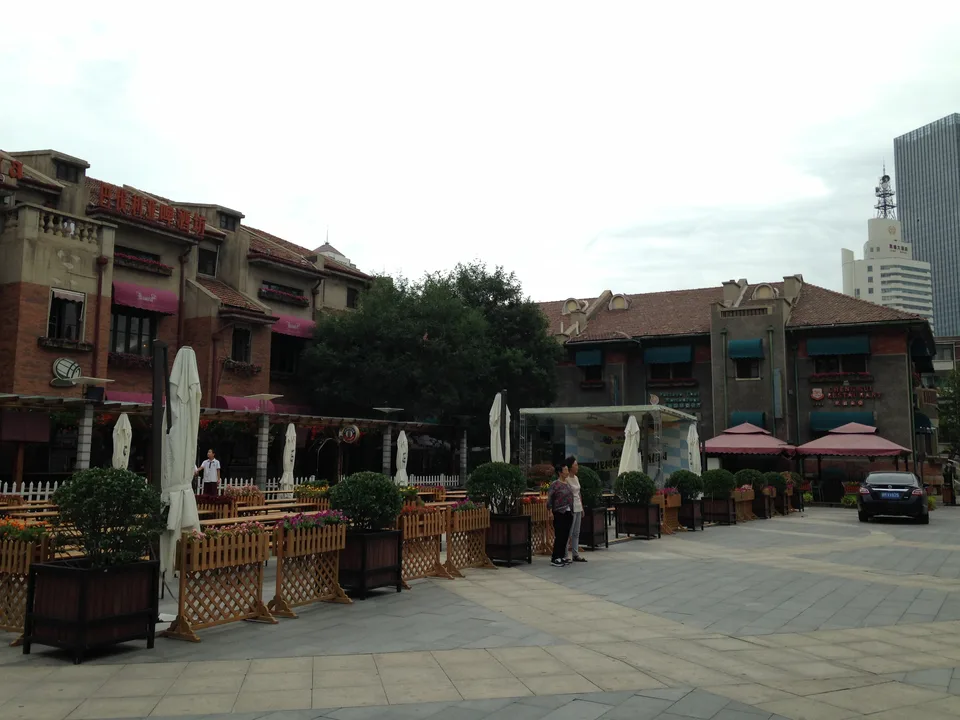
The official account of Italian Style Town's renewal explains how historical buildings have been restored and adapted to new uses. Located in Hebei district beside the Haihe, the area combines architectural interest with food, shopping and cultural activity. It is worth seeing as part of Tianjin's present life as well as its concession history.
Use Marco Polo Square and the surrounding streets as the framework for a relaxed visit. Read menus before taking a table, and choose a restaurant on current information rather than assuming that an Italian-style building establishes the quality or authenticity of its cooking. Some visitors will enjoy the district most in the evening; others may prefer daylight for architectural details. If you want an exhibition or performance, check the venue's programme directly. Restoration and commercial renewal can change entrances and uses, so old photographs are useful context rather than a promise of what each building contains today.
See the Haihe from the bank before choosing a cruise
A riverfront walk gives you flexibility: stop at a bridge, look back towards Jinwan Plaza, or shorten the outing when weather or energy calls for it. The Tianjin Eye, a Ferris wheel carried on a bridge over the river, is another recognisable landmark. The municipal Tianjin Eye page provides visual context, but does not establish a current ticket price or operating schedule.
For a boat trip, distinguish the boarding wharf, route and departure time before paying. The municipality's report on the 2026 cruise season describes seasonal operation and different daytime and evening products. Its opening-season timetable should not be treated as an all-year guarantee. Check the sailing offered for your date, including cancellation arrangements and where it returns. If you mainly want photographs of the illuminated waterfront, a walk may fulfil the plan without a cruise. Bring an extra layer when conditions warrant one and leave room for the journey back to your accommodation.
Choose museums by subject and access
Tianjin Museum is a useful candidate for visitors interested in history and art. The city's museum overview describes collections spanning ceramics, calligraphy, painting and local historical material. Choose it for that subject matter rather than simply to add another landmark. The municipal overview's operational information dates from 2024, so it is not sufficient confirmation of today's admission arrangements.
The museum's indexed booking information directs visitors towards its official WeChat accounts, but a working foreign-passport booking route could not be independently confirmed for this guide. Ask the museum or your accommodation to establish the correct process before travelling across town, and carry the original identity document required for your booking. Do not assume a Chinese identity-card form will accept a passport number. Keep an alternative walk or indoor activity available. Free admission, where offered, does not necessarily mean you can arrive without a reservation or enter every special exhibition.
Treat Binhai as an additional day
The official Binhai New Area profile places the coast and several major attractions within a distinct eastern part of the municipality. The National Maritime Museum and Binhai Library belong in this wider plan rather than in a casual walk around the central railway station. Choose a particular destination before choosing the transport.
The National Maritime Museum overview introduces its marine-history themes and striking waterfront architecture. If it is your priority, confirm current reservations and the last part of the journey before leaving. A rail connection to Binhai does not put every attraction beside the platform. Trying to combine the library, museum, waterfront and another large attraction can turn the day into a succession of transfers. Select one main visit and a realistic extra. For a business traveller, the same geographical lesson matters: confirm the actual office or development-zone address rather than assuming “Binhai” describes a single compact centre.
Plan the airport connection around your arrival
Tianjin Binhai International Airport's official public-transport page confirms Metro Line 2, including Tianjin Railway Station on the route, and lists a maximum single fare of 5 yuan for that line. Check the operating information for your direction and travel day; the metro should not be assumed to run throughout the night. Allow time after landing for entry formalities, baggage and reaching the station.
The airport separately lists a late-night bus towards Tianjin West, via Tianjin Railway Station's rear square. The published service starts at 23:00 and follows the end of flight operations, with a nominal half-hour interval. Listed fares are 15 yuan to intermediate stops including Tianjin Railway Station, or 20 yuan to Tianjin West. The airport advises checking the actual operation before buying. Confirm the stop nearest your hotel and the remaining walk or taxi journey. For a late arrival with substantial luggage, compare that complete trip with a direct transfer.
Use the correct railway station and passport
For journeys from Beijing or elsewhere, use China Railway's official 12306 information to compare trains and station names for your date. A headline journey time says little about the full door-to-door trip. Include the journey to the departure station, security and identity checks, waiting time and the onward journey in Tianjin.
Rail tickets are issued against passenger identity details. Enter your name and passport information carefully and travel with the original document used for the booking. The official guidance confirms that foreign passengers can buy real-name tickets using valid passports. If an automatic gate does not handle your document, seek staff assistance rather than assuming the booking has failed. Book the return with enough margin to enjoy the final activity. Tianjin Railway Station and Tianjin West serve different journeys and locations, so check the actual ticket rather than relying on a shortened station name in a message or hotel description.
Keep local transport straightforward
For metro trips, begin with the actual start and destination stations. The municipal rail-ticketing rules allow single-journey tickets from station machines or customer-service counters, a useful fallback when a phone-based payment route is unfamiliar. Keep the ticket until you exit. Use the same valid ticket or payment medium for the journey, and ask station staff if you need help.
Do not extend the airport's Line 2 fare statement into a universal price for every urban or coastal journey. Read the displayed fare for the route you need. For taxis or app-booked cars, keep the destination in Chinese as well as English, particularly for a hotel with a translated name. Verify the pickup point, vehicle and destination before boarding. For a possible move, repeat your likely commute at the relevant time of day; a sightseeing journey made after breakfast is not a dependable test of a working-day routine.
Make breakfast part of the visit
Jianbing guozi is a useful introduction to Tianjin's food culture. The municipal food feature describes a mung-bean-batter pancake with egg, sauces and a choice of crisp fried dough or a dough stick. Ask about the filling and chilli rather than assuming every stall prepares it identically. Other local snacks include mahua, fried dough twists, and erduoyan-style fried rice cakes.
Binhai's seafood traditions add another dimension. Badacha refers to seafood simmered in a seasoned broth; choose dishes against what is available and your dietary needs. Ask whether a seafood price is per portion or by weight, and confirm ingredients if you have allergies. A modest breakfast followed by an ordinary lunch can be more satisfying than trying every famous snack in one sitting.
Prepare payments and a realistic budget
The official visitor-payment guide explains the available mix of cash, bank cards and mobile payments. Alipay and WeChat Pay support eligible international cards, but verify your own card and account setup before relying on a particular transaction. Retain a second payment option and some renminbi cash rather than making every journey dependent on one phone.
Separate accommodation, food, local transport, intercity tickets and paid attractions in your budget. A central hotel and architecture walks produce a different total from a premium hotel, cruises and several long transfers. Use live quotes for your dates instead of converting an old travel-blog budget. Check cancellation conditions and whether breakfast is included. For a longer stay, replace restaurant-heavy holiday spending with groceries, utilities, internet and commuting, then compare the total household cost rather than rent alone.
Choose the season for the trip you want
The Japan Meteorological Agency's Tianjin station normals show the scale of the seasonal contrast: monthly mean temperature is about −2.6°C in January and 27.5°C in July. April and October means are around 15.3°C and 14.5°C respectively. These are averages across the day and night, not daytime forecasts or guaranteed conditions.
Spring and autumn are sensible starting points for an itinerary based on long walks, but inspect the forecast close to departure. In summer, allow cooler indoor breaks and avoid making every activity an exposed walk. In winter, plan warm clothing and shorter outdoor sections, with a museum or cafe stop between them. Check whether a river cruise is operating before building the day around it. A prospective resident should ask how the flat is heated and cooled, and who pays those bills. A comfortable viewing in mild weather cannot answer either question.
A three-day itinerary with room to adjust
Day one: arrive at the correct station, leave luggage and explore the central Haihe waterfront. Visit Italian Style Town, then choose a riverside evening walk or a confirmed cruise. Keep the first day light if it follows an international flight.
Day two: have a local breakfast and spend the morning around Wudadao and Minyuan. Allow lunch and a rest before Ancient Culture Street, focusing on temple heritage or crafts according to your interests. This is a full day already; a paid wheel ride should be optional and depend on confirmed access.
Day three: choose a confirmed museum visit in the urban area or devote the day to one Binhai destination. Do not treat both as mandatory. With only two days, keep the centre and omit the coastal transfer. If your chosen museum cannot confirm passport booking, exchange it for a walking district rather than risking a long journey to an uncertain entrance. Protect time for meals and the return station transfer.
Assess a longer stay from the workplace outward
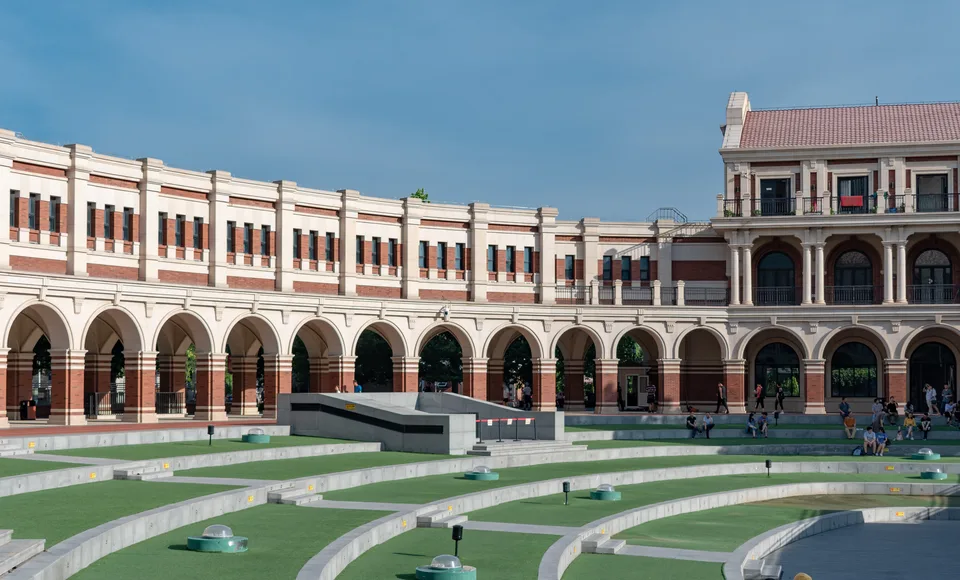
Obtain the exact workplace or campus address before looking seriously at housing. Some institutions use more than one campus, and a familiar university name does not establish where your course takes place. Test the journey from prospective accommodation, including the final walk and evening return. Ask whether your employer or institution provides reliable housing assistance.
Inspect the actual flat for heating, cooling, noise, ventilation, plumbing, appliances and internet availability. Get written terms covering rent, deposit, management charges, repairs, utilities and the inventory. Establish who is authorised to let the property and seek independent help with a contract you cannot read confidently. Compare grocery shopping, laundry and healthcare access as part of the neighbourhood decision. Start with temporary accommodation if the alternatives have not been inspected. A convenient holiday room near the river is a useful landing point, but it need not determine the address you choose for a year.
Handle registration and household needs early
The National Immigration Administration's accommodation guidance says hotels register their foreign guests, while foreigners staying elsewhere, or their hosts, must complete the required registration within 24 hours after arrival. Confirm the applicable local process with the host and public-security authority. The March 2026 national online pilot notice did not list Tianjin among its initial regions, so do not assume that a nationwide-looking online instruction establishes local availability.
At handover, record meter readings, photograph the inventory and confirm how electricity, water, heating and internet are paid. Keep the accommodation and registration documents together. For healthcare, identify a provider suitable for your needs and check language support, appointment access and how your insurer handles bills. Someone requiring regular treatment should settle that plan before a long lease. Families should confirm school admission and the actual campus commute directly, rather than assuming the nearest institution has places or the required teaching language.
Keep tourism, study and employment distinct
Check the current entry route for your nationality and purpose before committing to travel. China's 240-hour visa-free transit policy is conditional: it requires an eligible ordinary passport, qualifying onward travel to a third country or region, designated ports and compliance with permitted-area rules. It is not a substitute for the appropriate authorisation to work or study.
For a move, use Tianjin's entry and residence service guide to identify the relevant category, and coordinate with your employer or institution before departure. Employment involves work-authorisation and residence requirements; study has its own process. Permanent residence is a separate application category, not an automatic consequence of renting a home or making repeated visits. VisaWand's China country guide, destination assessment and consultant directory can help structure questions. They do not replace the official eligibility rules or the decision of the responsible Chinese authority.
Add Beijing or Jizhou for a different interest
Beijing is a natural comparison if imperial monuments, major national museums and a broader capital-city itinerary are the priority. Use the Beijing city guide to assess whether to split your nights rather than repeatedly travelling back and forth. Check your permission to travel and the actual rail booking before adding another destination, especially on a transit-based entry.
Within Tianjin municipality, Jizhou offers a different historical outing. The official Dule Temple overview dates the surviving Guanyin Pavilion to 984 and explains its timber construction and projecting brackets. This is a separate excursion, not an extra stop beside the central waterfront. Choose it because architectural history interests you, then plan transport and admission for that visit. Tianjin becomes easier to enjoy when the urban centre, coast and northern outings each receive their own time, rather than competing inside an overfilled single-day plan.
Official planning resources
Reviewed 16 October 2026. Use the official resources linked throughout this guide for admission, transport, housing and immigration decisions. Prices, services and rules can change; confirm the details relevant to your dates. Photography illustrates the locations and is not a live view.
View all official resources
- Tianjin administrative districts
- Ancient Culture Street municipal visitor page
- Tianjin architectural history
- Heping district official profile
- Tianjin prints and clay figurines
- Municipal account of Italian Style Town renewal
- Tianjin Eye municipal visitor page
- Official 2026 Haihe cruise season report
- Municipal museum overview
- Binhai New Area official profile
- National Maritime Museum municipal overview
- Tianjin airport public transport
- Tianjin airport late-night bus
- China Railway official ticketing FAQ
- Tianjin rail ticketing regulation
- Tianjin breakfast and snacks
- Official payment service guide for visitors
- JMA Tianjin station climate normals
- NIA English accommodation registration guidance
- NIA visa-free transit policies
- Tianjin entry and residence service guide
- Dule Temple official visitor overview
Plan the next part of your journey
Explore the China guide, browse other cities or compare consultants for your travel and relocation questions.