Visa
Beijing at a glance
Beijing’s most rewarding experiences require different kinds of time. The Forbidden City calls for a reserved date and sustained attention; a hutong walk works through small discoveries; the Summer Palace needs space for a large landscape. China’s capital brings these historical settings into a vast contemporary city, where a good transport plan matters almost as much as a sightseeing shortlist.
Three days can provide an introduction to the central heritage areas and one substantial excursion within the city. Add another day if a Great Wall outing is essential. Trying to fit the palace, imperial gardens and a mountain trip around one free afternoon usually leaves the journey dominating the experience.
Read the China country guide for national planning and China destination information for the next stage of an entry enquiry. The China location directory identifies other places, while consultant listings can help assess an individual application. This guide concerns Beijing and clearly identified surrounding sights. The municipality extends well beyond the central streets, so a place described as being in Beijing may still require a considerable journey.
A capital organised around an axis
UNESCO’s Central Axis account explains a defining feature of historical Beijing: a north–south sequence of imperial, ceremonial and civic spaces. The axis developed from the Yuan dynasty’s capital of Dadu and acquired later Ming and Qing structures. Its inscription on the World Heritage List in 2024 recognises that ensemble and planning tradition, rather than designating every neighbourhood in the modern municipality.
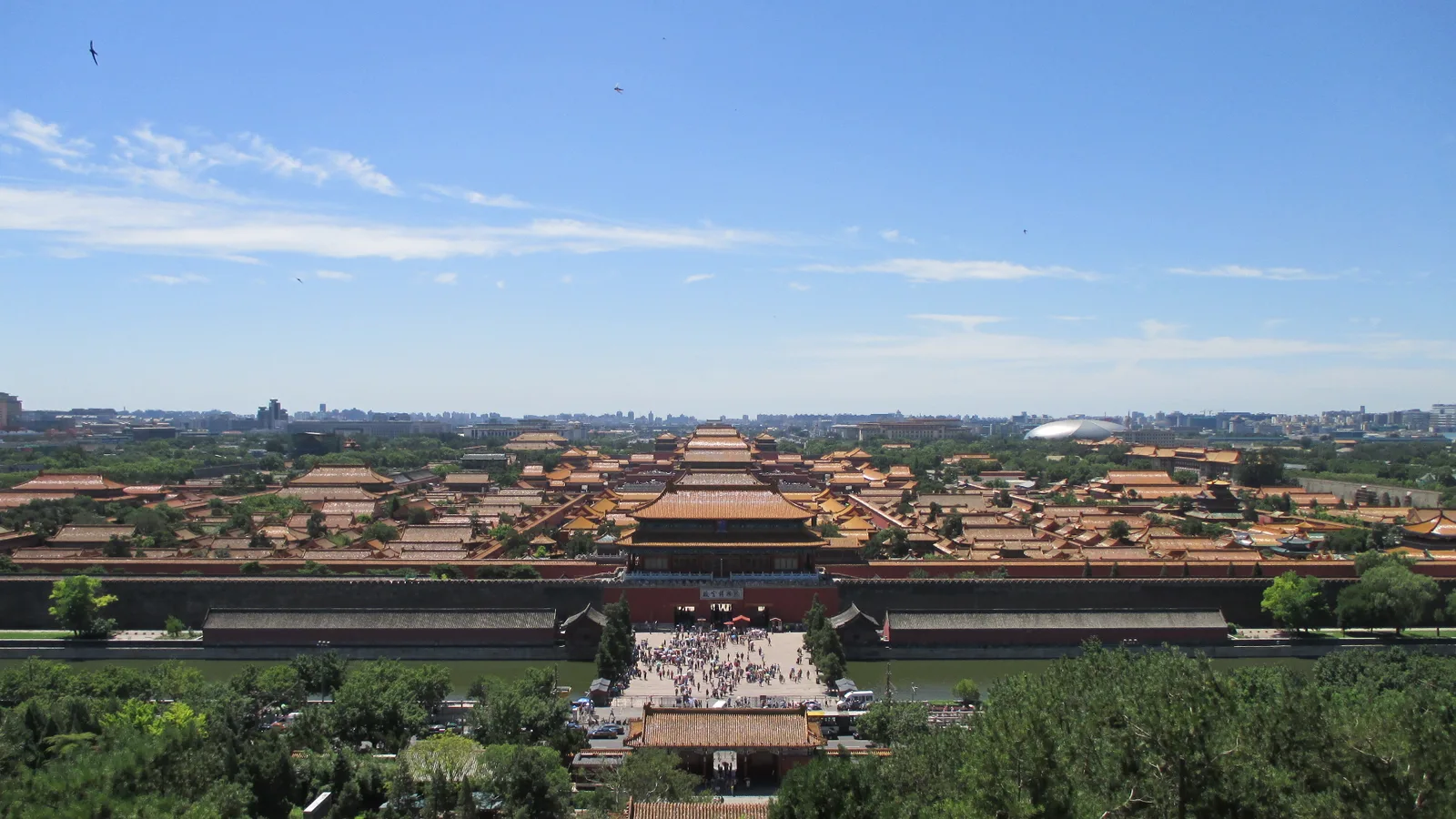
The Forbidden City makes the geometry immediately visible. Roofs, courtyards and successive gates express an ordered palace world; the view from Jingshan helps reveal its scale. The Temple of Heaven supplies a different historical setting, shaped by imperial ritual rather than residential palace life. Seeing both makes their contrasting functions easier to understand.
Beyond monumental buildings, the hutongs and lakes around Shichahai introduce another aspect of the city. Historic streets coexist with homes, shops and contemporary activity. Treat these areas as lived-in places: a courtyard entrance or residential lane is not an invitation to enter private property. A useful visit connects the formal capital with the everyday city instead of treating either as a stage set.
Choosing a neighbourhood
For a first visit focused on central heritage, compare accommodation around the Palace Museum’s eastern side, Wangfujing or other addresses with a convenient subway connection. The museum’s visitor information places Wangfujing to the east of the palace. Central proximity can reduce travel, but the correct entrance and security approach still determine how you reach a reserved attraction.
Shichahai provides a lake-and-hutong setting for a slower walking period. Xicheng’s official area overview describes a network of former residences, cultural sites and Grand Canal heritage around it. Choose a base here for that interest only after checking the precise street, access with luggage and whether an attractive courtyard room supplies the facilities you need.
Sanlitun offers a contrasting shopping and evening focus in the eastern city. For work or study, begin with the workplace or campus address rather than a sightseeing district. An outer campus or office can make a central hotel inconvenient. Compare a realistic weekday journey, station exits and the final walk; the name of a district is too broad to establish either convenience or quiet.
Accommodation that works on arrival
Match the accommodation to the trip. A staffed hotel can simplify late arrival, luggage storage and help with transport. A serviced apartment may suit a household needing a kitchen and washing facilities. A courtyard-style property can provide a distinctive setting, but ask about bathrooms, heating, cooling, steps and room size rather than relying on atmospheric photographs.
Provide the guest nationality and passport requirements accurately when making the booking, and confirm check-in arrangements with the property. Hotels register foreign guests’ accommodation under the applicable rules. A private apartment or stay with friends creates a different registration task, so establish who will help before arrival instead of assuming the booking platform completes it.
Keep the hotel’s Chinese address, contact number and reservation confirmation available offline. Ask about the nearest useful subway exit and the route from there, not just the station name. For a family or traveller with limited mobility, confirm the path from street to bedroom and bathroom. Compare cancellation conditions while your main attraction reservations remain uncertain, and leave checkout-day luggage storage in the plan.
Airports and the final connection
Check whether the flight uses Beijing Capital International Airport or Beijing Daxing International Airport before arranging a transfer. They have distinct airport rail services and approaches to the city. Choose a connection by the accommodation address, arrival time, luggage and the number of transfers, rather than treating both airports as interchangeable.
The municipal subway fare guidance quotes CNY 25 for the Capital Airport Express, separate from ordinary subway fares. For Daxing, the rail operator’s ticket rules list ordinary fares of CNY 10, 25 or 35 according to distance, with a CNY 50 business-class fare. The airport-to-Caoqiao ordinary journey is commonly used to connect with the city network; check the operator’s current route and onward connection before travelling.
Allow separately for reaching the accommodation from the rail stop. A published train journey time is not an airport-to-room estimate, particularly when immigration, baggage and transfers are involved. Late arrivals should verify the last train and a practical alternative before boarding the flight. On departure, confirm the airport, terminal and airline procedures again; a mistake in any of those can overwhelm an otherwise generous travel buffer.
Using the subway and preparing payments
Beijing’s ordinary subway network uses distance-based fares. The published starting fare is CNY 3 for up to six kilometres, rising to CNY 4, 5 and 6 across the next distance bands; longer journeys continue to increase. Capital and Daxing airport express services are excluded from that ordinary fare arrangement, so budget for the airport connection separately.
The city’s foreign-card subway FAQ says international Visa and Mastercard cards can be used at ticket machines and for gate entry. Carry a backup payment method and use the appropriate reader or ask station staff if a card does not work. A transport payment option should not be read as a promise that every shop, card issuer or phone configuration behaves identically.
Set up the payment methods you intend to use before the first busy sightseeing morning. The current municipal WeChat Pay information describes linking supported international cards; check the wallet’s fees, verification and transaction terms for your account. Keep your phone charged and retain booking confirmations offline. Cash in renminbi, commonly quoted as CNY or yuan, provides another option where accepted. A small test purchase is more useful than discovering a setup problem at an entrance queue.
The Forbidden City: book first
The Palace Museum’s current visitor page says it does not sell tickets on the day of a visit. Use its official ticket channel and reserve in advance with the passport information required for foreign visitors. The municipal foreign-visitor booking FAQ confirms that the original identification used for the reservation must accompany you for the manual check at the Meridian Gate, the southern entrance.
The operator lists general admission at CNY 60 from April through October and CNY 40 from November through March. The Treasure Gallery and Gallery of Clocks are each separately priced at CNY 10. Choose those additions by interest and available time, not simply because they appear beside the main ticket. The museum normally closes on Mondays, with holiday exceptions and other occasional closures.
Give the palace a substantial morning or afternoon block. Select a route and a few themes rather than assume you will absorb the whole complex in one pass. Check arrival instructions, security restrictions and the latest closure message when your booking is confirmed. Older reports about special same-day arrangements for foreign visitors should not replace the operator’s current advance-booking instruction.
Tian’anmen, Jingshan and the hutongs
Tian’anmen Square has its own access and reservation arrangements. The municipal Square reservation FAQ describes a WeChat mini-program route for visitors whose overseas telephone numbers are not supported by the web portal, along with specific facilitated-entry arrangements for certain nearby bookings. Check which rule applies to your intended visit; a reservation for one location does not make every surrounding attraction accessible.
Jingshan sits immediately north of the Palace Museum and offers a useful perspective on the palace’s layout. Add it only if the visit’s timing, weather and your walking capacity permit. A view from a hill involves a different physical demand from strolling across level courtyards, so it should remain an option rather than an obligation after a long museum period.
For another day or a flexible afternoon, explore part of Shichahai’s lakeside and hutong network. The district’s official heritage routes include Yandai Xiejie and former residences around the water. Choose a manageable stretch and check individual museums separately. Respect residents, keep doors and narrow routes clear, and ask before photographing people at close range. There is no need to complete an entire published route to understand the area.
Temple of Heaven and its ticket choices
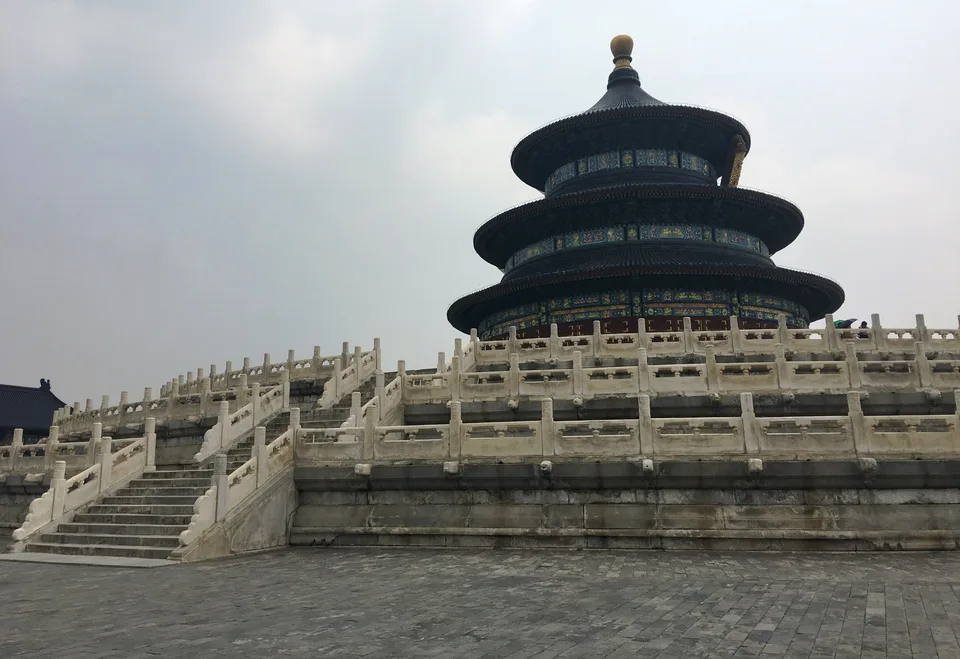
The Temple of Heaven combines a large park with principal monuments that have separate access arrangements. The municipal visitor page lists a high-season park ticket at CNY 15 and a combined ticket at CNY 34. The city’s March 2026 ticket FAQ confirms that the combination includes the Hall of Prayer for Good Harvests, Echo Wall and Circular Mound Altar as well as general admission.
That distinction matters if the blue-roofed Hall of Prayer is the main reason for your visit. A park-only ticket should not be assumed to include it. The ticketed attractions normally open Tuesday to Sunday and close on Mondays except statutory holidays, while the wider park has different hours. Confirm the seasonal schedule and access you want before settling on a day.
Allow time to walk between the monuments and experience the surrounding park. The Hall’s circular form and raised terraces offer a clear contrast with the palace’s courtyards and gates. Bring the identification used for a reservation and follow the current foreign-visitor booking instructions. Discounts have eligibility requirements; verify the relevant documents rather than treating a student card or a child’s age as an automatic universal exemption.
Summer Palace: a landscape visit
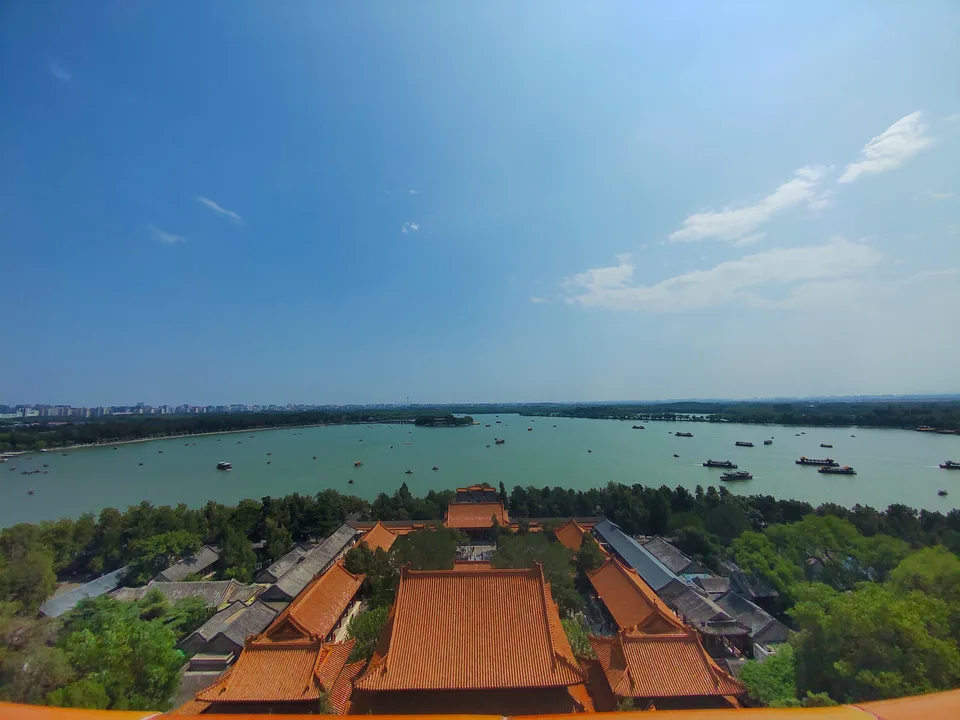
The Summer Palace requires its own substantial block because gardens, buildings and Kunming Lake spread the experience across a large area. Decide whether you want a shorter waterside visit or time for particular interiors and elevated views. A photograph taken from above the lake does not establish that every visitor can comfortably reach that viewpoint.
The municipal Summer Palace booking guidance gives foreign visitors a practical alternative when online booking fails: staff-assisted ticket purchasing at an entrance service window using a passport or other accepted identification. It notes that the online route described there requires a mainland mobile number. Confirm the current arrangement before travelling, especially if your visit depends on a particular admission category.
Choose the entrance and return route around your selected areas, weather and group’s walking capacity. Give steep steps and long waterside stretches the time they deserve. Boat services, special interiors and other additions should be checked for the day rather than assumed to be operating or included. Bring water and allow a meal break; this is a destination to explore, not a quick stop to append after completing the Forbidden City.
A Great Wall day at Mutianyu
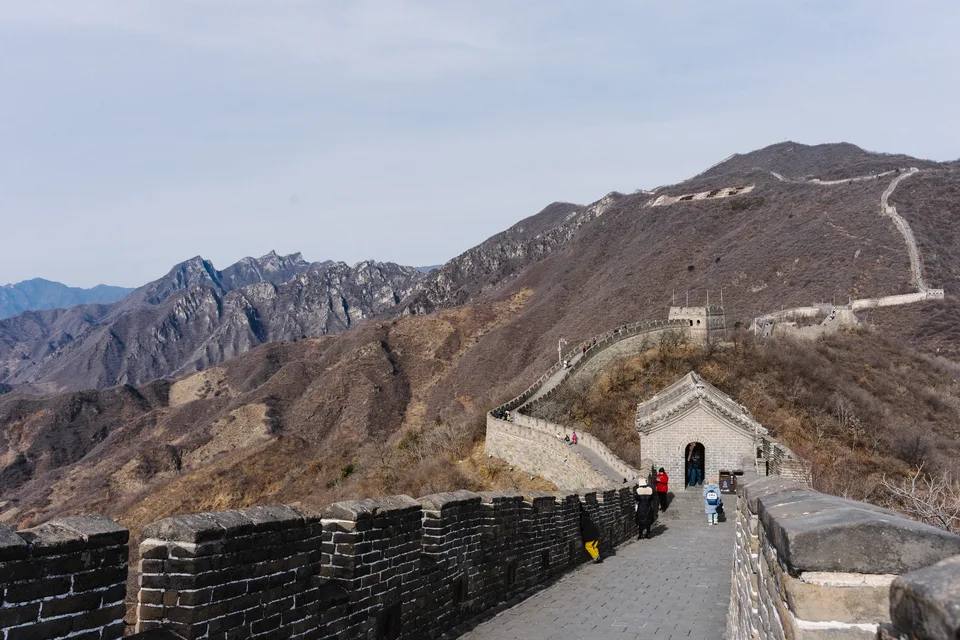
Mutianyu is a Great Wall section in Huairou District, within the wider Beijing municipality but outside the central sightseeing circuit. Treat it as an excursion with its own transport, mountain weather and walking decisions. A view of watchtowers across the ridges makes the appeal clear; the slopes also explain why the day needs realistic physical planning.
The operator’s visitor notice distinguishes Great Wall admission from the shuttle bus, cable car, ropeway and slide. Tickets for the different lift companies are not interchangeable. Confirm which route you intend to use and what a transport or tour purchase includes before paying. A headline admission price does not establish the total cost of reaching the wall and returning.
Arrange the complete return journey and check the current operating notice. Do not rely on a historic booking-window figure when operator pages may have changed, or assume every section beyond the visitor area is open. Wear suitable footwear and choose a route within the group’s abilities. In poor mountain weather, keep a city alternative available. Mutianyu works best as a dedicated day, not between two central museum reservations.
Food, shopping and a workable budget
Beijing’s food is a reason to pause rather than rush between bookings. The municipal food overview introduces Peking roast duck, noodles with fried bean and meat sauce, and a range of traditional snacks. Choose from current menus and ask about portions, ingredients and prices. A famous dish or historic brand does not guarantee a particular dietary accommodation or value.
Mix a planned duck meal with simpler breakfasts, noodles or other dishes that interest you. For shopping, Wangfujing and Sanlitun offer a different experience from a museum shop or a hutong street. Buy with a purpose and consider baggage space and import restrictions at the next destination. An advertised souvenir’s appearance is not evidence of its age, origin or authenticity.
A transparent high-season example starts with Palace Museum admission at CNY 60, both optional galleries at CNY 10 each and a Temple of Heaven combined ticket at CNY 34: CNY 114 in selected admissions. Two Capital Airport Express journeys add CNY 50, bringing those items to CNY 164. This excludes accommodation, meals, ordinary subway journeys, other attractions and any Great Wall outing. Use actual hotel quotes and menus to complete your budget.
Seasons and choosing your dates
The municipal departure guidance describes Beijing’s four distinct seasons: a hot, rainy summer, cold and dry winter, and shorter spring and autumn periods. Use that pattern for packing, then consult the current forecast. National or historical averages cannot tell you what a mountain excursion or a long outdoor queue will feel like on your dates.
For a walking-focused visit, keep flexibility between indoor collections and outdoor areas. In summer, allow shade, water and rest; in winter, prepare for prolonged outdoor periods and confirm seasonal attraction hours. Choose clothing for the activities themselves: palace courtyards, an exposed ridge and an evening restaurant need different levels of protection and comfort.
Compare accommodation prices and reservation availability before fixing non-refundable travel. Public holidays can alter closures and demand, so confirm the actual dates and operator notices rather than assume an ordinary Monday rule applies. If you are assessing a home for a longer stay, inspect heating, cooling, ventilation and laundry arrangements. Indoor comfort is part of the location decision, not merely something to solve after moving in.
Three days, with a fourth for the wall
Day one: make a confirmed Palace Museum reservation the anchor. Leave room for the identification check, arrival route and a substantial visit. Have lunch afterwards, then choose Jingshan if conditions and energy suit, or take a shorter central walk. Include Tian’anmen Square only under the access arrangements applicable to your booking and time, rather than assuming an unrestricted shortcut.
Day two: visit the Temple of Heaven when the monuments you want are operating, using the correct ticket type. Spend the afternoon on a manageable Shichahai and hutong walk, with a meal break between the two areas. Choose a few streets or one separately confirmed cultural interior, leaving the evening for dinner. Allow transport time across the city rather than treating these areas as adjacent.
Day three: give the Summer Palace the main daytime block and keep the later afternoon flexible. If the Great Wall is the higher priority, replace this day with Mutianyu instead of squeezing both together. A fourth day allows the wall excursion without sacrificing the central programme. Move the order around confirmed reservations and closures; the itinerary’s purpose is to protect time for the places you most want to experience.
Housing, services and a longer stay
Begin with the work or study address and test the commute at the hours you would actually travel. The municipal renting guidance recommends checking the landlord’s ownership or written authority, viewing the property and inspecting facilities and safety. Ask for a written lease you understand, with clear deposit, payment, notice and responsibility terms; a property advertisement is not evidence that those conditions are acceptable.
Calculate rent alongside building charges, heating, electricity, water, internet and transport. Record furnishings and meter readings at handover, and confirm the precise broadband connection. Families should check school availability and language provision directly. Use the municipal medical guide to research services. Arrange healthcare and insurance for your circumstances, identify the provider you would use and ask about appointments, language support and billing before you need a routine visit.
For a non-hotel stay, NIA’s September 2026 registration guidance says the foreign guest or host must complete accommodation registration within 24 hours of arrival. The online service has the same legal effect as on-site registration, with host assistance relevant to an initial registration. Hotels handle their guests’ registration. Confirm your applicable process and retain the record; a lease or booking receipt alone is not the registration itself.
Entry permission and onward planning
Check the current nationality-specific rules before buying travel. NIA’s unilateral visa-exemption list describes qualifying ordinary-passport holders making visits of up to 30 days for the stated purposes. Its visa-free transit guidance covers a different arrangement: eligible nationalities travelling onwards to a third country or region, through designated ports and within permitted areas, for up to 240 hours. Approval and conditions matter; these are not interchangeable general permissions.
If you need a visa, follow the instructions of the Chinese embassy or consulate responsible for your application. The Chinese Visa Application Service Center directory identifies locations where that service is used. Work and study require their appropriate permissions. The municipal work-permit guidance distinguishes employment authorization from residence permission, and neither should be inferred from a tourist booking. Permanent relocation is another assessment, with its own eligibility and documentation. Browse consultant listings for help reviewing an individual situation, then verify the proposed route against official resources.
For an alternative city visit, compare the Shanghai city guide or Guangzhou city guide, planning the entire itinerary within the entry conditions that apply to you. For nearby experiences, Mutianyu offers the mountain excursion described here; the China location directory can help identify other places for further research. Keep the next destination, onward ticket and allowed stay area in the same planning conversation as the attractions.
Official planning resources
Reviewed 14 October 2026. Use the official resources linked throughout this guide for admission, transport, housing and immigration decisions. Prices, services and rules can change; confirm the details relevant to your dates. Photography illustrates the locations and is not a live view.
View all official resources
- UNESCO Beijing Central Axis history and 2024 inscription
- Xicheng government Shichahai lakes, heritage and hutong routes
- Municipal visitor overview of Sanlitun shopping and evening areas
- Municipal subway fare bands and Capital Airport Express fare
- Daxing Airport Express operator fare categories and ticket rules
- Municipal February2026 guidance on foreign Visa and Mastercard subway payments
- Municipal March2026 WeChat Pay international-card support and fee conditions
- Palace Museum official current hours, advance-booking policy and seasonal prices
- Palace Museum official ticket reservation system
- Municipal passport booking guidance for Palace Museum and Summer Palace
- Municipal Tiananmen Square reservations and specified facilitated access
- Temple of Heaven municipal admission, monument hours and booking information
- Temple of Heaven combo-ticket inclusions and concession documentation
- Mutianyu operator visitor rules: entry, shuttle and separate lift companies
- Mutianyu official current notices and operating information
- Municipal Beijing food overview and traditional dishes
- Municipal four-season weather pattern and practical preparation
- Municipal landlord verification, apartment viewing and lease checks
- Beijing government medical-service planning guide for foreign visitors
- NIA nationwide non-hotel accommodation registration rules from September2026
- NIA unilateral exemption list compiled February2026; confirm current consular conditions
- NIA consolidated August2026 visa-free transit conditions and eligible areas
- Chinese Visa Application Service Center location directory; use applicable consular instructions
- Beijing government work authorization and residence permission guidance
Plan the next part of your journey
Explore the China guide, browse other cities or compare consultants for your travel and relocation questions.