Visa
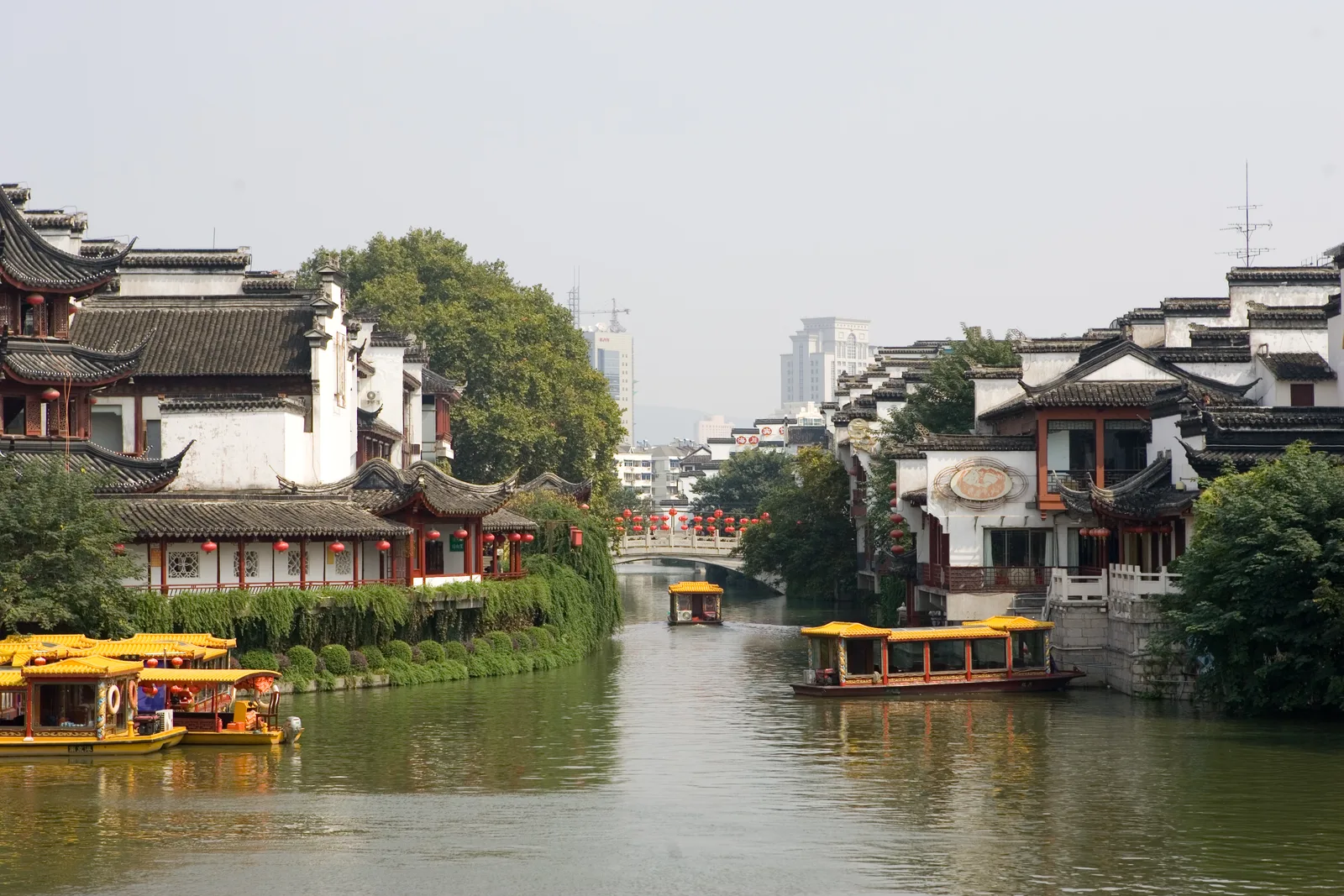
A former capital that rewards a longer stay
Nanjing brings several versions of China into the same journey: an imperial city wall, wooded burial grounds, Republican history and a busy provincial capital with universities, shopping streets and an extensive metro. The Qinhuai waterfront supplies lanterns and traditional rooflines; following the connections between these places makes a more coherent trip.
Allow three full days for a first visit, preferably with some flexibility around museum reservations and weather. Nanjing suits travellers interested in history and urban life, with parks to soften an otherwise intensive cultural itinerary. It also deserves consideration by students and people taking up local employment, although a pleasant weekend says little about a particular commute. This guide covers Nanjing in Jiangsu, on the lower Yangtze. Read VisaWand’s China country guide alongside the city advice when preparing documents and a wider itinerary.
Read the history through the landscape
The municipal historical account provides useful milestones. Zhu Yuanzhang established the Ming dynasty here in 1368; the principal capital moved to Beijing in 1421, while Nanjing retained a secondary capital role. The Republic’s provisional government began here in January 1912, and the Nationalist government made Nanjing its capital in 1927. These changes help explain why monumental gates, wooded memorial avenues and twentieth-century civic buildings coexist.
The wall is especially revealing. Its builders worked with hills and water rather than imposing an abstract rectangle on the terrain. The City Wall protection authority’s history dates construction to 1366–1393. Visit a gate and walk a section to understand the structure as urban infrastructure, rather than treating it solely as a panoramic viewpoint.
Modern Nanjing is Jiangsu’s provincial capital. Busy commercial streets and ordinary residential neighbourhoods continue around these historic spaces. Give those everyday environments some time: they make the city’s scale clearer than an attraction map alone.
Match your base to the part of the city you need
Xinjiekou is the straightforward starting point for a first visit: a central commercial district from which to organise separate outings. Choose a hotel by its actual station exit and street entrance. A central property can still involve a substantial walk to the platform.
Qinhuai suits travellers who want evenings around the Confucius Temple waterfront and Mendong heritage district. The Commerce Bureau’s district directory distinguishes these places from the separate 1912 leisure block near Changjiang Back Street. Similar names can be misleading: Baijiahu’s 1912 development is in Jiangning, rather than beside the central historic sights.
Around Xuanwu Lake, compare accommodation for access to parks and the northern wall circuit. For employment or study, start afresh with the exact workplace or campus gate. Jiangning and Xianlin may be sensible residential choices for a particular institution; neither should be selected simply because a listing describes it as being in Nanjing.
Choose accommodation for the journey, not just the room
A conventional hotel near a useful metro station is usually the easiest first booking. Compare room size, window arrangements, breakfast, laundry, luggage storage and cancellation terms rather than assuming that a higher star rating resolves every practical need. Families should verify bed configurations and occupancy limits directly. Travellers arriving after midnight need written confirmation of reception and late check-in arrangements.
For a longer reconnaissance visit, a serviced apartment can make washing clothes and preparing simple meals easier. Ask whether kitchen equipment is actually supplied and whether cleaning is included. A private rental may require more coordination with the host and has different registration implications from a hotel stay.
Do not base an accommodation budget on an undated average nightly rate. Search your actual dates, compare refundable totals and keep a second acceptable option. National holidays and major events can change the available choice. A quieter room and a shorter daily journey may be worth more than a decorative river view.
Begin around the Qinhuai waterfront
The Confucius Temple district works well as an introduction because walking, eating and browsing fit together without an elaborate itinerary. Follow the waterfront, then explore the surrounding pedestrian streets. The shopping district’s name does not mean that every courtyard, exhibition, boat or performance is included in unrestricted street access; check the specific entrance or departure before paying.
Mendong, commonly called Laomendong, makes a useful continuation for lanes, storefronts and a slower meal. Choose one or two interiors that interest you rather than buying every available ticket. Leave time to look at the street pattern and the transitions between commercial heritage areas and ordinary city blocks.
Come back after dark if seeing the waterfront illuminated matters to you, but keep an exit plan. Pick a recognisable meeting point before a group separates, and save your accommodation address in Chinese. Visitors seeking a peaceful evening should expect a popular central district rather than an isolated riverside retreat.
Give Purple Mountain most of a day
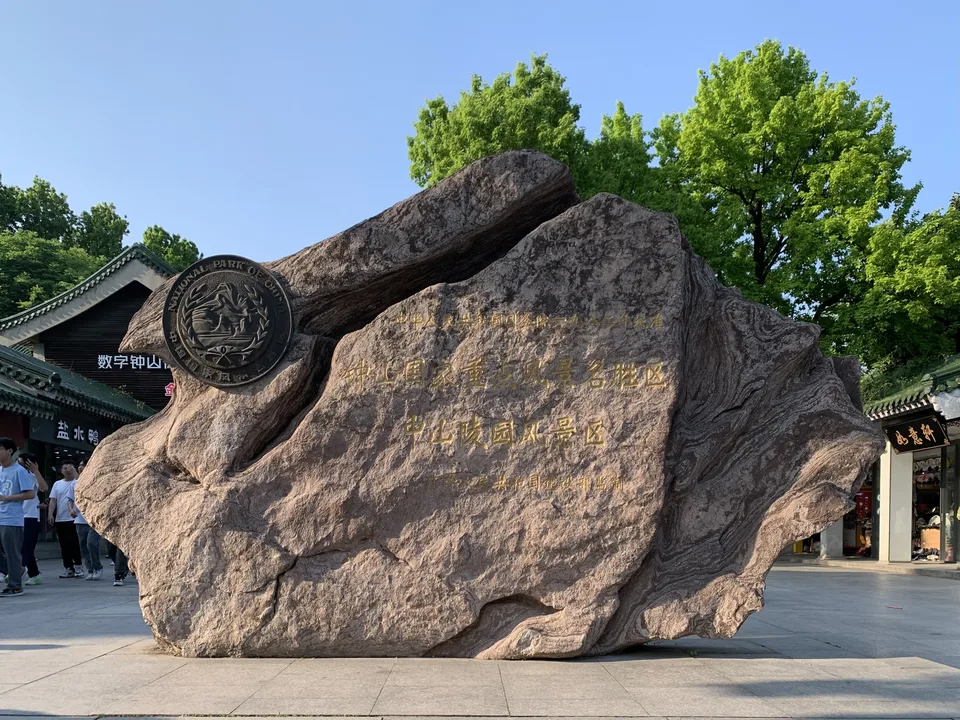
Zhongshan Scenic Area, on Purple Mountain, requires decisions before arrival. The operator’s ticket and reservation notice lists Sun Yat-sen Mausoleum as free with real-name booking. Free admission does not remove the reservation requirement. The same notice asks visitors to preserve quiet and avoid amplification, an appropriate approach to a memorial landscape.
Ming Xiaoling is a separate attraction. UNESCO’s Imperial Tombs listing identifies it as the tomb of the first Ming emperor and explains the importance of the sacred approaches, stone sculpture and relationship between architecture and setting. It joined the World Heritage property in 2003. Walk slowly enough to appreciate that landscape instead of rushing directly between buildings.
The official published adult tariff is RMB 70 for Ming Xiaoling, RMB 35 for Linggu, RMB 10 for the Music Stage and RMB 30 for Meiling Palace; a four-site combination is listed at RMB 100. Confirm the selected ticket’s inclusions and current conditions before purchase. Trying to justify a combination ticket by visiting everything can turn a wooded day into a transport exercise. Choose fewer places if steps, heat or walking distance are concerns.
Reserve Nanjing Museum before building the itinerary
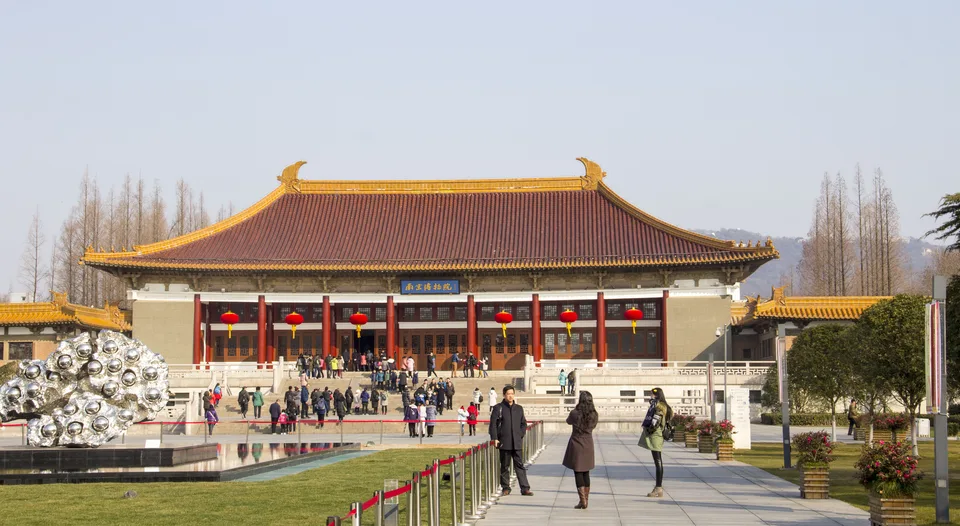
Nanjing Museum’s current visitor instructions require advance real-name reservations. Booking opens at 18:00 each day for dates up to seven days ahead, excluding the current day. Use the museum’s official WeChat mini-program; an old web booking page appearing in search is insufficient evidence that it remains the supported route.
Foreign passport holders must first obtain a reservation, then take the original passport and successful booking confirmation to the Service Centre’s designated window for entry procedures. Do not interpret that window as a substitute for booking. Attend the reserved session with the document used to reserve.
Ordinary opening is Tuesday–Sunday, 09:00–17:00, with final admission at 16:00; Mondays normally close except public holidays. Lunar New Year’s Eve and Lunar New Year’s Day also close. The main collection is free, while some special activities or exhibitions may charge. The museum gives Line 2 Minggugong, Exit 1, followed by an approximately 300-metre eastward walk as an approach. Check current gallery notices rather than expecting every wing to be accessible.
Make space for remembrance
The Memorial Hall of the Victims in Nanjing Massacre by Japanese Invaders is a place for historical understanding and remembrance. Give it a separate, unhurried part of the day. Consider the subject matter when visiting with children, and avoid placing it between tightly timed entertainment bookings.
The city government’s museum-sourced reservation guidance states that admission is free and real-name advance booking uses the institution’s official WeChat account. Because that guidance predates this guide, confirm the current release window, opening arrangements and passport procedure before committing to a date. Its published enquiries number is 02586612230. A generic ticket seller’s promise should not replace confirmation from the institution.
Follow the instructions for the exhibition you have reserved and verify its entrance: nearby displays can have separate access arrangements. Behave respectfully, follow photography restrictions and allow time afterwards before beginning another demanding visit. If a reservation is unavailable, rearrange the day rather than assuming that arrival at the gate guarantees entry.
Pair Xuanwu Lake with a manageable wall walk
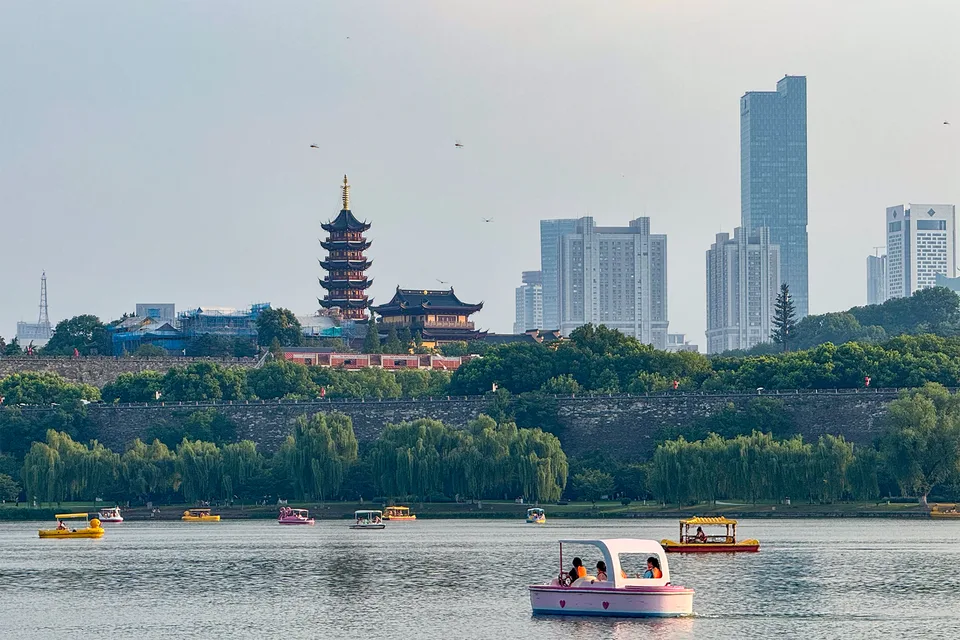
Xuanwu Lake Park’s official visitor information places the lake between Purple Mountain, the city wall and the northern railway station area, with five islets shaping the park. General park admission is free; boats and other activities should be treated as separate purchases. Choose a section with a convenient exit instead of committing automatically to a complete circuit.
The City Wall visitor information distinguishes ticketed stretches. The 2026 municipal price handbook lists official maximum ticket prices of RMB 30 for the Shence Gate–Taiping Gate section and RMB 50 for Dongshuiguan–Jiqing Gate, including Zhonghua Gate’s barbican. These are different outings, rather than one ticket covering every wall entrance. Check the gate, direction and operating hours for the section you intend to use.
A lake-and-wall day offers useful contrast with museum interiors. In hot weather, shorten the exposed walk and take a substantial break indoors. Anyone with limited mobility should obtain advice about the particular entrance and steps before buying a ticket; a photograph of level paving elsewhere in the park does not establish an accessible route onto the wall.
Arrive with the correct station in mind
Nanjing Lukou International Airport is the air gateway. A municipal announcement confirms that Line 6 opened on 29 September 2026 with through-running onto airport Line S1. Passengers continuing along that route do not need to change trains at Nanjing South. Check the destination display and current route planner for your hotel: the connection continues through the eastern city towards Qixia Mountain. Allow separately for terminal walking, waiting and any onward connections.
For a late arrival or a group with substantial luggage, compare the official taxi queue with any transfer arranged through your accommodation. Confirm the destination, fare basis and possible extras. Keep a backup if your flight lands near the end of rail service: an airport line is not a promise of overnight operation.
Nanjing Railway Station and Nanjing South are different places. Check the Chinese station name on every rail booking and allow time for security and finding the platform. Use China Railway’s official English booking service for date-specific trains, availability and fares. Avoid choosing accommodation merely because it is near “the station” without establishing which station you will use.
Use the metro selectively and keep a payment backup
The 2026 municipal price handbook gives a standard metro fare of RMB 2 for the first four kilometres, increasing with distance. Ordinary flat-fare buses are RMB 2, while D- and K-prefixed services have different base fares. Look up the actual journey before boarding rather than applying one price to every service.
The local broadcaster’s metro pass announcement lists one-day and three-day unlimited metro cards at RMB 20 and RMB 45, with validity counted from first use. Check current availability and conditions at the station, then compare the pass with the trips you genuinely plan. Several inexpensive journeys may cost less than a pass.
The municipal metro payment guide describes ticket machines accepting cash and the Nanjing Metro QR option in Alipay. Set up your chosen method before a rushed departure, but retain cash and a working bank-card alternative. A bank card working in one shop does not establish that it can be tapped directly at every transport gate.
Build a budget from confirmed components
Nanjing offers a useful combination of free public space and paid heritage sites. The lake can anchor an inexpensive outing; a Purple Mountain day accumulates charges if you add several attractions, transport within the area and meals. Write down the selected components before deciding whether a combination product saves money.
For a concrete comparison, Ming Xiaoling’s published RMB 70 tariff plus a RMB 30 northern wall visit totals RMB 100 before food and transport. This is arithmetic using the published figures, not a complete daily spending estimate or a guarantee against later price changes. Keep paid activities separate from your accommodation total and leave a reserve for taxis or a changed booking.
The State Council’s visitor payment guidance describes cash, bank cards and mobile payments as available methods in China. Acceptance and charges depend on the merchant, network and issuer. Test an ordinary purchase early, retain receipts for larger payments and compare final currency conversion amounts.
Choose seasons for the activities you want
The municipal climate account updated in September 2026 describes a humid subtropical climate with short spring and autumn seasons and longer summers and winters. Its published January and July mean temperatures are 3.1°C and 28.4°C. Those averages are context, not a forecast: a summer afternoon on exposed masonry can feel much more demanding than the monthly figure suggests.
Spring and autumn are sensible starting points for a walking-focused visit, provided you compare holiday dates and actual forecasts. Summer calls for earlier outdoor starts, indoor intervals and fewer simultaneous commitments. Winter needs warm layers and a deliberate check of room heating rather than an assumption based on the city’s southern location.
Keep museum bookings as the fixed points, then move flexible park and waterfront walks around rain or heat. Carry suitable shoes for steps and wet paving. If travelling principally for seasonal colour or blossom, seek the attraction’s current reports before booking; a calendar description cannot guarantee the stage of vegetation in a particular year.
A realistic three-day first visit
Day one: settle into your accommodation, establish a payment method and explore Qinhuai and the Confucius Temple district. Add Mendong if energy allows, leaving the evening for a meal and the waterfront. This is a useful arrival day because it can expand or contract around the journey.
Day two: devote most of the day to Purple Mountain. Choose Ming Xiaoling and a successfully reserved Sun Yat-sen Mausoleum visit, with time between them for walking and lunch. Reduce the programme if stairs or weather make it demanding. Return to the city for an uncomplicated dinner rather than adding another major sight.
Day three: use a reserved museum session, then take a shorter Xuanwu Lake walk if the timing and weather work. Put the Memorial Hall on an additional day, or substitute it for the museum-and-lake programme; both deserve attention. If your available dates include closure days, rearrange these blocks before buying train tickets. A three-day outline is an editorial suggestion, not a claim that every attraction can always be booked in that order.
Test an ordinary weekday before moving
A relocation decision should begin with the institution or employer, not the tourism circuit. Nanjing University’s international student arrival instructions distinguish Gulou and Xianlin campuses and give different journeys to them. Confirm your actual teaching, laboratory or office location before choosing housing; an institution’s name alone is insufficient.
Trial the commute at the hours you would use it. Include walking from the building, station entrances, transfers and the final campus or office approach. A short-looking connection on a map may involve a substantial walk within a large site. Couples with separate workplaces should test both journeys before compromising on a neighbourhood.
Use a temporary stay to check practical essentials: a grocery shop, pharmacy, laundry, parcel collection and the journey home after an evening out. Ask prospective neighbours or the property manager about noise and building access. Investigate these locally.
Rent carefully and understand the registrations
Compare actual properties after arrival where possible. Inspect cooling and heating, hot water, damp, lifts, kitchen ventilation and the condition of supplied appliances. Record the inventory and agree who pays for repairs, management charges and utility balances. Obtain a comprehensible contract before transferring a substantial deposit.
The municipal rental rules provide for real-name agreements and rental-contract filing, generally within thirty days. Verify the landlord’s authority to rent and ask how the filing will be handled. This housing process is distinct from the foreigner accommodation registration requirement.
Under the National Immigration Administration’s September 2026 notice, hotels handle guest registration, while foreigners staying elsewhere, or their hosts, must register within twenty-four hours. A nationwide online route now complements the offline process. Agree responsibility with the host and retain confirmation; do not assume that signing a lease completes immigration registration. Build your monthly housing budget from current comparisons of size, location, condition and contract terms.
Set up services around your household
The city’s utility guidance describes online payment through WeChat or Alipay using the relevant account number, alongside offline channels. At handover, record meter readings and identify whose name each account uses. Ask the property manager to demonstrate how bills arrive and how to distinguish utilities from building management charges.
For healthcare, the municipal visitor guidance describes passport-based hospital registration and payment through the outpatient process. Confirm language support, insurance arrangements and prescription continuity before you need urgent treatment. Families should similarly establish school eligibility, the actual campus and fees before selecting a home around an assumed placement.
Arrange a phone and internet service that works with your identification and address, and test reception in the property. A useful settling-in budget includes setup costs, insurance, transport and household purchases as well as rent. Check your first bills against the contract while any disagreement is still straightforward to trace.
Keep tourism, employment and study permission separate
Visa eligibility depends on nationality, purpose, itinerary and the rules applying when you travel. Check official advice before buying non-refundable travel. The NIA’s 240-hour transit guidance requires an eligible passport and a qualifying onward journey to a third country or region through approved ports and areas; an ordinary return holiday is not automatically transit.
Employment and study require their own permissions. The NIA residence-permit guide explains relevant work and enrolment documents and the thirty-day application requirement where the entry visa requires a residence permit. Student internships or off-campus work need the necessary approval and endorsement. Renting an apartment does not create employment permission, permanent residence or an unrestricted right to remain.
Compare the wider region through VisaWand’s China location directory and the published Suzhou city guide if gardens and canal neighbourhoods would better match your interests. Use the China destination page and consultant listings when comparing professional help. Check the adviser’s credentials and scope; a consultation supports planning, while the competent authority decides the application.
Official planning resources
Reviewed 16 October 2026. Use the official resources linked throughout this guide for admission, transport, housing and immigration decisions. Prices, services and rules can change; confirm the details relevant to your dates. Photography illustrates the locations and is not a live view.
View all official resources
- Nanjing government: historical development
- Nanjing City Wall: history and gates
- Nanjing government: city overview
- Nanjing Commerce Bureau: commercial and heritage districts
- Zhongshan Scenic Area: tickets and reservations
- UNESCO: Imperial Tombs of the Ming and Qing Dynasties
- Nanjing Museum: visitor and passport-booking guidance
- Nanjing government: Memorial Hall reservations
- Xuanwu Lake Park: official visitor information
- Nanjing City Wall: routes and ticket information
- Nanjing government: Line 6 and S1 through service, September 2026
- China Railway: English booking service
- Nanjing Development and Reform Commission: 2026 price handbook
- Nanjing broadcaster: metro tourist passes
- Nanjing Transport Bureau: buying metro tickets
- Nanjing government: local dishes
- State Council: payment services for overseas visitors
- Nanjing government: climate and natural conditions
- Nanjing University: international student arrivals and campuses
- Nanjing government: rental housing rules
- NIA: nationwide accommodation registration
- Nanjing government: paying utility bills
- Nanjing government: hospital registration and treatment
- NIA: 240-hour visa-free transit
- NIA: residence permits for foreigners
Plan the next part of your journey
Explore the China guide, browse other cities or compare consultants for your travel and relocation questions.