Visa
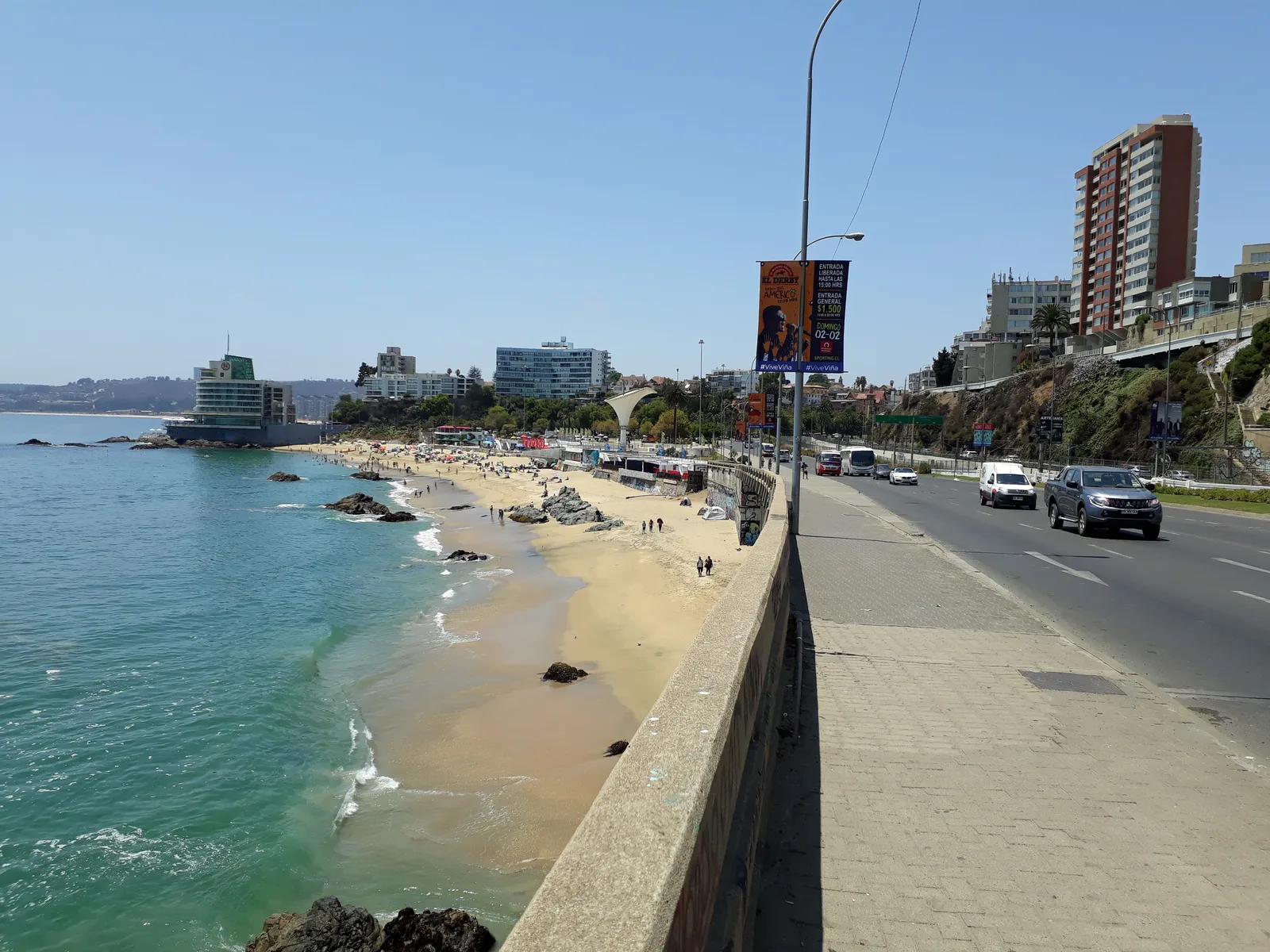
Choose Viña del Mar for a coastal city stay
Viña del Mar combines a seaside setting with the practical choices of a working city. The municipality’s introduction describes its garden-city character, waterfront and cultural venues. It is a useful destination for travellers who want time by the Pacific without making every day a beach day. Plan around a mixture of coastal walks, museums and gardens, allowing the weather and your interests to determine the balance.
Decide whether you want a short coastal break or a base for a longer stay before booking accommodation. A visitor may value a room close to a particular promenade or museum; someone considering a move needs to examine the commute, services and ordinary shopping. The address that works best for a weekend does not automatically work best for a household.
Keep the first day manageable. A clear arrival plan and a short walk near your accommodation will usually reveal more than a tightly timed sequence of distant stops. If you are combining the city with other Chilean destinations, leave enough time to unpack and experience it between transfers.
Use VisaWand’s Chile country guide for national planning, the Chile destination directory for locations, and Chile consultant listings for professional assistance.
Make the botanical garden a distinct outing
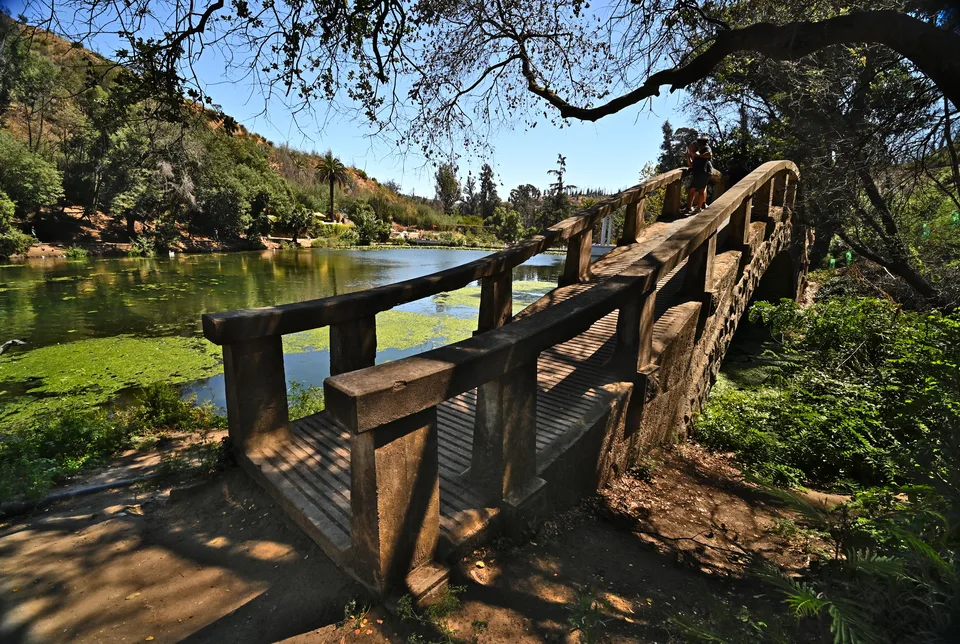
The Jardín Botánico Nacional’s 2026 visitor information lists adult admission for ages 13–59 at CLP3,000, with children aged 5–12 and adults aged 60 or over charged CLP1,500; children under five enter free. Cars cost an additional CLP3,000, separate from admission for their occupants. Check the category applicable to each visitor and keep vehicle charges separate when calculating a family total.
Published entry hours are 9am–5:30pm Monday to Friday, with the garden closing at 6pm. On weekends and public holidays, entry continues until 6pm and the garden closes at 6:30pm. Arrive early enough to enjoy the visit rather than treating the last admission time as the start of a full afternoon outdoors. The operator says reservations are unnecessary and payment is available by cash or card at the gate.
Choose footwear for walking, pack for the conditions and establish the return journey before setting out. Families should decide how long everyone can comfortably remain outdoors and which part of the visit matters most. A garden outing can be rewarding without trying to cover every path or activity.
See the city’s history through its changing uses
Viña del Mar’s modern resort identity grew alongside railway development, industry and residential expansion. The municipal historical account describes the railway crossing former estate land and the subsequent growth of a separate city. It records the creation of the municipality in 1878 and the development of Población Vergara around Avenida Libertad in 1892. Later public works helped shape the seaside destination visitors recognise today.
Those overlapping histories are more revealing than a description of the city as simply a beach resort. When exploring, consider how a former residence, a transport corridor and a public cultural venue serve different generations of the city. Avoid assuming that an elegant historic building has always been a museum or that everything visible from the waterfront was designed primarily for tourists.
Give Palacio Vergara time beyond its façade
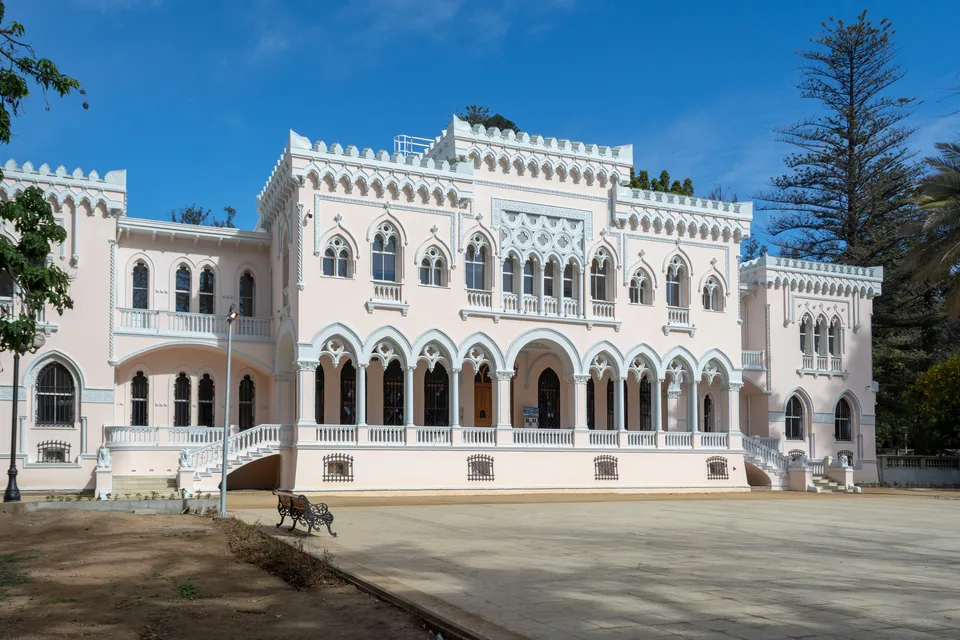
The municipal visitor office’s Palacio Vergara listing describes a Venetian-style palace whose construction began in 1906 and which now houses a fine-arts collection. It publishes free admission and opening Tuesday to Sunday from 10am to 5:30pm. Use the current cultural programme to choose what you want to see, rather than relying solely on the building’s appearance in photographs.
Combine the visit with another nearby activity only if the timing leaves room for the exhibitions. If you are travelling with children, choose a small number of works or rooms to explore together. Travellers needing step-free access should ask about the complete route through the spaces they want to visit; a general description of a public museum does not establish access to every floor.
Check for temporary arrangements before setting out, particularly around holidays or a change of exhibition. The current municipal listing is more useful for planning than an older reopening announcement with a different timetable.
Distinguish the visitor bus from everyday transport
The municipal Bus VisitaViña page advertises departures from the Teatro Municipal Tuesday to Saturday at 10am, noon and 3pm. The sightseeing route includes a photographic stop at the Reloj de Flores and optional places to leave the tour, including Museo Fonck, Mall Marina, Reñaca and Muelle Vergara. Use the official registration link to check availability before organising the day around a departure.
The option to leave a tour at a landmark does not establish a frequent service for returning later. Ask about the arrangements relevant to your booking and make a separate onward plan if you intend to stay behind. Allow time for admission and opening hours at any attraction you hope to visit after leaving the bus.
Treat the tour as an introduction to the city’s geography. It can help you decide where to spend more time, but it cannot demonstrate what a weekday commute will be like. Prospective residents should test their actual route at the relevant hour using the services they would normally rely on.
Fit Museo Fonck into the right part of the day
Museo Fonck’s official visitor page lists adult admission at CLP4,500 and admission for children aged 5–14 at CLP1,000. The museum is at 4 Norte 784. Its Monday schedule has a break: 10am–2pm and 3–6pm. Tuesday to Saturday it publishes continuous opening from 10am to 6pm; Sunday and public-holiday opening is shorter, from 10am to 2pm, with specified closure dates.
The first-Sunday free-entry arrangement is conditional: the museum describes it for Chilean visitors and foreign visitors holding a Chilean identity card. It should not be advertised as universally free for every tourist. Check the current notice if a public holiday affects the date, and do not assume a free-admission day will remove the need to plan enough time for the visit.
Keep the museum’s shorter Sunday hours in mind when arranging lunch or a bus tour. Arriving just before closing may technically fall within opening hours without leaving time to explore. Ask about access arrangements directly if anyone in your group needs assistance, rather than inferring the interior layout from a street photograph.
Choose a beach visit without assuming swimming is permitted
The coastline is part of Viña del Mar’s appeal even when you stay on land. A promenade walk, a short stop beside a landmark or an afternoon watching the sea can fit a city visit without requiring a full beach day. Choose a manageable stretch near the activities already planned, and establish the onward journey before taking a long walk away from your accommodation.
For swimming, use DIRECTEMAR’s official Playas Chile information to check the beach’s classification and location, then follow current instructions at the site. The authority’s app distinguishes beaches suitable and unsuitable for bathing and provides weather and maritime-emergency information. A beach’s popularity, appearance or description as family-friendly does not establish permission to swim there on the day you arrive.
Keep children close and respect any restricted areas. If you want a water-sports activity, check the operator’s arrangements, equipment and conditions for that particular session. Be willing to change plans when conditions change. Choosing a café, museum or another inland activity can be a better use of the afternoon than trying to make an unsuitable sea visit work.
Plan the train around your actual station
Use EFE’s official Limache–Puerto passenger information when planning rail journeys. Its guidance covers payment methods, buying and topping up transport cards, luggage and assistance. Online or app top-ups require the balance to be loaded through self-service terminals in the network; keep that extra step in mind rather than assuming a payment confirmation alone finishes the process.
Check current service information for the direction and day you need. A departure from a terminus is not the departure time at your intermediate station, and the final train in one direction need not match the other. Include the walk between the station and your destination when comparing a train journey with another transport option.
For a move, try the trip with the things you would normally carry and at the time you expect to leave home. Consider the return after work, classes or an evening appointment, including an alternative if the service no longer fits your plans. Travellers with luggage should review the operator’s baggage conditions before treating the train as a convenient transfer for every suitcase.
Check entry permission before committing to a stay
Chile’s official consular guidance distinguishes a short visit without an intention to settle from temporary residence. Permanencia Transitoria can authorize a stay of up to 90 days, but some nationalities need a visa or prior authorization. Use the official nationality-specific information before buying a non-refundable itinerary; another traveller’s passport or previous experience cannot establish your own requirements.
Check the period actually granted on entry and keep the relevant documents accessible. A stated maximum is not a promise that every visitor receives it. If you intend to establish a home, identify the appropriate residence route before making long commitments. Do not assume that a rental contract or property purchase changes your immigration category, or that you can always switch status after arriving as a visitor.
Keep holiday plans separate from paid work
SERMIG’s guidance on working with Permanencia Transitoria says ordinary holders cannot perform paid activities. It describes an exceptional authorization for specific, occasional work, rather than a general entitlement to take a job. Its examples include performers, athletes and certain specialist activities. If this applies to your plans, follow the official procedure and establish the permission required before beginning the activity.
For a longer employment plan, use the relevant temporary-residence category and its documentation requirements. Check the application location, your employer’s responsibilities and when you may lawfully start. A job offer, application submission or accommodation booking should not be treated as evidence that work authorization has already been granted.
People considering study or another form of residence should make the same distinction between admission to a programme and immigration permission. Seek the official route for the intended activity, and confirm the conditions applying to family members separately. This planning is best completed before committing to a long lease or an irreversible move.
Connect from Santiago without guessing the transfer
For international arrivals, Chile Travel’s visitor information directs travellers to Santiago’s Arturo Merino Benítez airport, SCL, and an onward road journey to Viña del Mar. Compare a prearranged transfer with a journey involving a Santiago bus terminal, making room for immigration, baggage collection and the final trip to your accommodation. A published road-travel estimate is not a reliable connection time from landing to a hotel room.
Centropuerto operates a Pajaritos–airport route and publishes different weekday and weekend departure intervals. Its own notice says routes and journey times can vary with traffic and safety conditions. If using this as part of a longer journey, establish both legs separately: an airport bus ticket does not by itself include an intercity seat to Viña del Mar. Confirm the direction, boarding point and current departure arrangements before paying. Keep a later-arrival alternative if your flight is delayed.
Choose between the centre and a coastal base
Chile Travel’s coastal overview identifies Caleta Abarca and El Sol as centrally located beaches, with Reñaca offering another coastal setting farther along the visitor circuit. Use those names as starting points when comparing accommodation, then inspect the actual street and the journeys your stay will involve. A listing described as being in Viña del Mar can still require substantial travel to the particular museum, beach or appointment you want.
For a short first visit, prioritise access to the activities already on your list. For a longer beach-focused stay, compare the coastal setting with the convenience of daily shopping and transport. Ask about the route from a stop or parking area to the property, including steps and gradients. If evenings will be spent elsewhere, check the return options before choosing a room for its view alone. Noise, room orientation and practical access are questions for the individual property, rather than qualities guaranteed by a neighbourhood name.

Compare accommodation facilities with the complete price
Sheraton Miramar’s official hotel page illustrates one full-service coastal option, advertising ocean-view rooms, dining and indoor and outdoor pools. Treat it as a concrete example of a facility-rich hotel, rather than a recommendation based on personal experience. Confirm the facilities available on your dates: maintenance notices and separately priced services can affect what a booking actually includes.
Compare a dated quotation with smaller hotels or furnished apartments using the same occupancy and cancellation conditions. Establish breakfast, parking, laundry and any extra charges before judging the difference between nightly rates. Ask about the precise bed arrangement, bathroom access and cooling or heating equipment if those features matter to your group.
For an apartment, check kitchen equipment and cleaning arrangements as well as the photographs. A longer reservation deserves a written inventory and clear payment terms. Avoid committing a month’s budget on the assumption that every advertised amenity will meet your needs.
Add decorative arts at Palacio Rioja
The municipal visitor office’s Palacio Rioja page presents a former family residence now used as a decorative-arts museum, with furnishings brought from Spain and France. Its listing gives free entry Tuesday to Sunday from 10am to 5:30pm, at Quillota 214. This offers a different focus from Palacio Vergara’s fine-arts collection, making the choice between them a matter of interests as well as available time.
Look at how the rooms, furniture and objects relate to the house’s former domestic use. A focused visit can be more memorable than moving quickly through every space. Check the current cultural programme if an exhibition or guided activity is the main reason you want to go.
Do not apply an older reopening schedule to a future trip without checking it. If you hope to visit both palaces in one day, leave time for the journeys and a meal rather than assuming free admission means each visit can be reduced to a brief stop.
Plan for a coastal summer or a quieter-season visit
The municipality describes a Mediterranean climate with winter rain and a prolonged dry season. Use that broad pattern to choose the kind of trip you want, then check the forecast closer to departure. Summer in Chile falls in December to February; a winter visit calls for a different balance of outdoor time and indoor cultural activities.
Pack a layer for time outside as well as clothing suited to the forecast, and keep rain protection available when conditions warrant it. Book accommodation around your actual dates rather than relying on a generic low-season price. If a festival or concert is central to the trip, confirm its announced programme and tickets first. Prospective residents should assess the home in the conditions they expect to experience during an ordinary year, asking specifically about heating, ventilation and damp rather than making a judgement from a pleasant afternoon.
Budget for meals and shopping without relying on a daily average
Set your budget in Chilean pesos and begin with confirmed costs: accommodation, the airport connection, booked activities and any intercity journeys. Add a daily allowance for food and local transport, leaving a reserve for changes. Use the museum and garden’s published prices to cost the activities you actually intend to visit, rather than treating every day as an identical sightseeing package.
For meals, compare the current menu, portion size and what the price includes. Ask about ingredients if you have dietary requirements, and establish the complete bill before ordering extras. A view or a convenient location may be worth paying for, but make that choice deliberately. When shopping, inspect the item’s material and size, ask for a receipt and consider how you will carry it home. Keep everyday groceries separate from restaurant spending when testing whether a longer stay would be affordable.
Give a three-day visit a clear rhythm
Use the first day to arrive, settle in and explore a manageable part of the coast near your accommodation. If you have reserved the municipal visitor bus, use it to understand the geography and identify a place to return to independently. Avoid making the day depend on reaching a museum immediately after a delayed flight.
Spend the second day on cultural visits, choosing Palacio Vergara, Palacio Rioja or Museo Fonck according to your interests and their opening days. Build in lunch and travel time, especially when a Monday break or shorter Sunday opening affects your choice. Leave an evening free for the current programme or a meal rather than filling every hour in advance.
Make the botanical garden the main outing on the third day, with enough time to travel there and back. If the forecast makes an outdoor visit unappealing, exchange it with an indoor day. A prospective resident can replace one session with a commute, a property viewing and grocery shopping. Leave regional excursions for additional time instead of turning three days into a series of hurried transfers.
Test the practicalities before moving
Begin with temporary accommodation while you examine homes and their actual surroundings. Compare rent with building charges, utilities, internet, transport and the cost of any missing furnishings. Ask for written terms specifying who pays each charge, how repairs are reported and what is included in the inventory. Inspect the property’s condition and keep a record when taking possession.
Test the commute in both directions at the times you expect to travel. Check the nearest suitable grocery shop, pharmacy and healthcare provider, including appointment arrangements, insurance and payment. A nearby facility does not establish that it offers the care you need or accepts your coverage. Families should confirm school places, fees, teaching language and the daily journey directly with each institution.
For the household, establish water and electricity arrangements, internet availability at the exact address, and how refuse and shared building services are managed. Ask how the building handles maintenance and interruptions. A holiday provides an introduction; an ordinary week gives better evidence for choosing a home.
For a coastal address, review the municipality’s evacuation-map resource and identify the route relevant to the property. Include the needs of children or anyone with limited mobility when discussing practical arrangements with the accommodation provider.
Give Valparaíso its own time
If you have an additional day, consider neighbouring Valparaíso as a separate outing. Chile’s heritage service describes the historic port area, inscribed on the World Heritage List in 2003, through its maritime heritage, hillside architecture, stairways and traditional transport. The designation concerns the historic area, rather than every part of the modern city.
Choose a manageable route and check the transport you intend to use, particularly if steps or steep streets would affect your visit. VisaWand’s Valparaíso destination page provides another location to explore. Return with time to spare instead of making an evening connection depend on a final rushed stop.
Official planning resources
Reviewed 24 October 2026. Use the official resources linked throughout this guide for admission, transport, housing and immigration decisions. Prices, services and rules can change; confirm the details relevant to your dates. Photography illustrates the locations and is not a live view.
View all official resources
- Municipality of Viña del Mar: city character and climate
- National Botanical Garden: official 2026 admission and opening times
- Municipality: historical development of Viña del Mar
- Municipal visitor office: Museo Palacio Vergara
- Municipal visitor bus: route, departure times and registration
- Museo Fonck: admission, opening times and free-entry conditions
- DIRECTEMAR: official beach classification and maritime information
- EFE: official Limache–Puerto passenger FAQ
- Chilean consular service: entry permission and nationality-specific visa requirements
- SERMIG: exceptional work authorization for temporary visitors
- Chile Travel: Viña del Mar beaches and coastal landmarks
- Centropuerto: Pajaritos–Santiago Airport route
- Sheraton Miramar: official accommodation facilities
- Municipal visitor office: Museo Palacio Rioja
- Municipality: evacuation-map resource
- Chilean heritage service: historic port area of Valparaíso
Plan the next part of your journey
Explore the Chile guide, browse other cities or compare consultants for your travel and relocation questions.