Visa
Give Siem Reap more than a temple checklist
Siem Reap is a place to slow down between extraordinary sights. The town supplies the beds, breakfasts, markets and evening entertainment; Angkor supplies days of exploration through courtyards, carved galleries and forest. Trying to compress both into a single exhausted day usually gives you less of each. Decide how much temple time you want before choosing your hotel or buying a pass.
The provincial tourism introduction to Siem Reap presents the town as a base for a wider region, and that is a useful approach. Three nights allow a first temple day, another morning outside town and some breathing space. A longer stay can add crafts, performance or a lake outing, while anyone considering a move should reserve time for ordinary weekday errands.
A modern town beside a much older landscape
Siem Reap and Angkor are connected, but they are not interchangeable names. The modern urban centre sits outside the principal temple concentrations. Angkor itself is a much larger archaeological landscape of successive Khmer capitals, reservoirs, canals, forest and inhabited villages. UNESCO’s Angkor heritage listing describes remains dating from the ninth to fifteenth centuries and records its World Heritage inscription in 1992.
That history makes more sense when you look beyond individual towers. Water management and settlement were integral to the landscape. Angkor also remains a place of religious practice and community life; approaching it as an abandoned film set misses an essential part of its character.
Angkor Wat rewards attention beyond sunrise
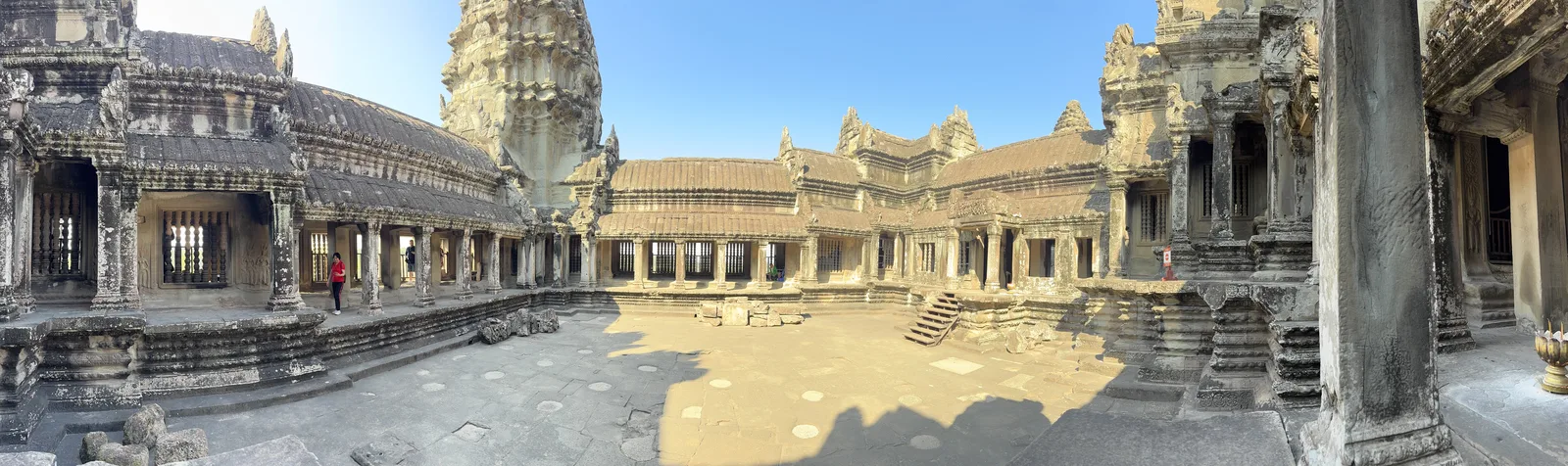
The official Angkor Wat introduction traces the temple to King Suryavarman II in the early twelfth century, originally dedicated to Vishnu and subsequently a Buddhist religious centre. Its galleries, towers and reliefs deserve time after the familiar sunrise photograph. Decide whether dawn is genuinely important to you, rather than treating an early alarm as compulsory.
If you go before sunrise, arrange the pickup, breakfast and meeting point the previous evening. Darkness, crowds and the need to locate your driver can complicate a casually organised start. Check which areas open at which times: admission to the grounds does not mean every upper level is immediately accessible. Choose a few carvings or architectural features to understand properly, and leave time to sit, drink water and absorb the scale.
Bayon and Ta Prohm offer different encounters
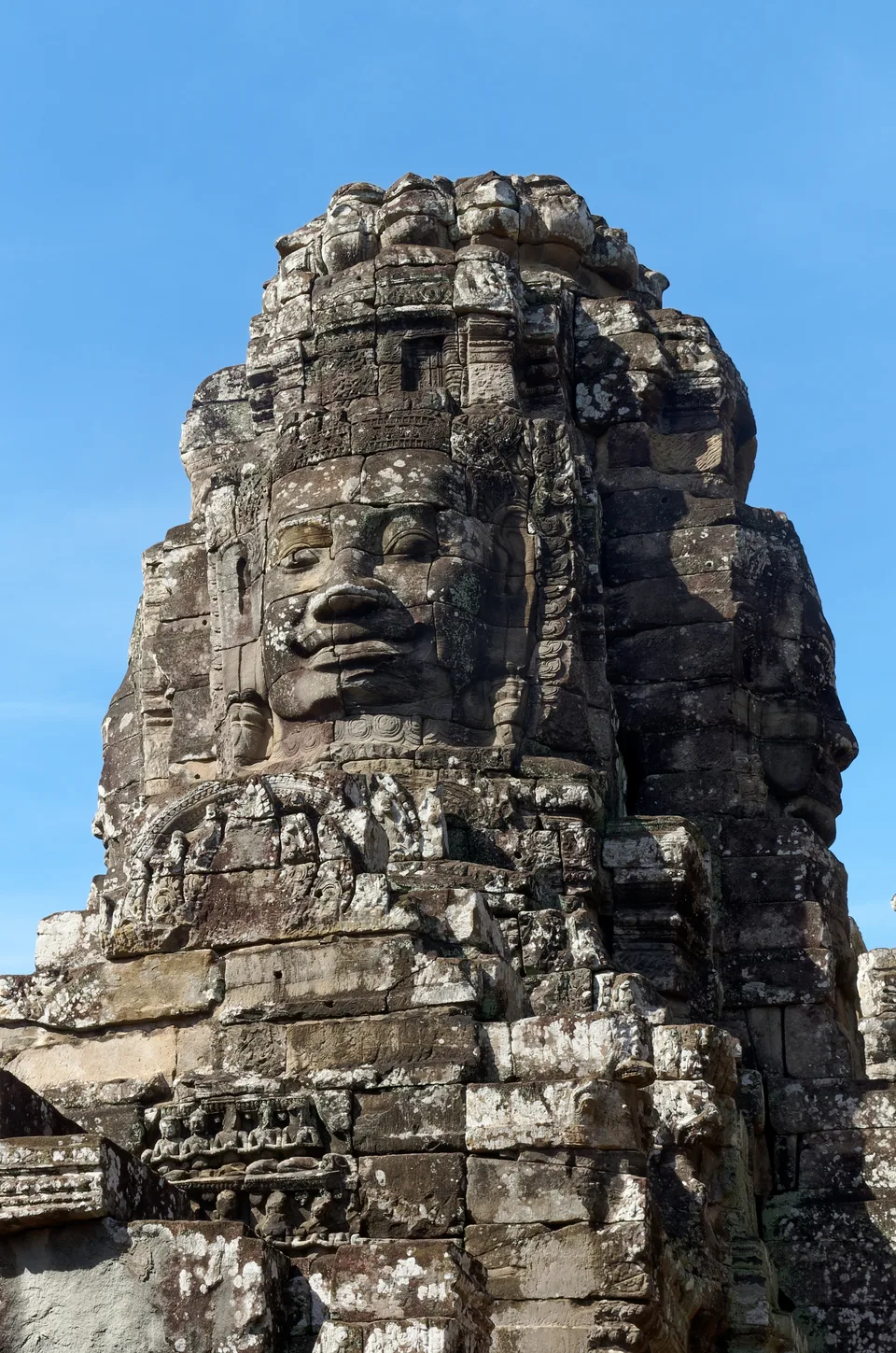
Bayon stands within Angkor Thom, the former royal city. Its carved face towers and reliefs give it a distinctive character. The ticket issuer’s Bayon description associates it with Jayavarman VII in the late twelfth or early thirteenth century. It is a separate stop from Angkor Wat, requiring its own walking time and transport arrangements between entrances.
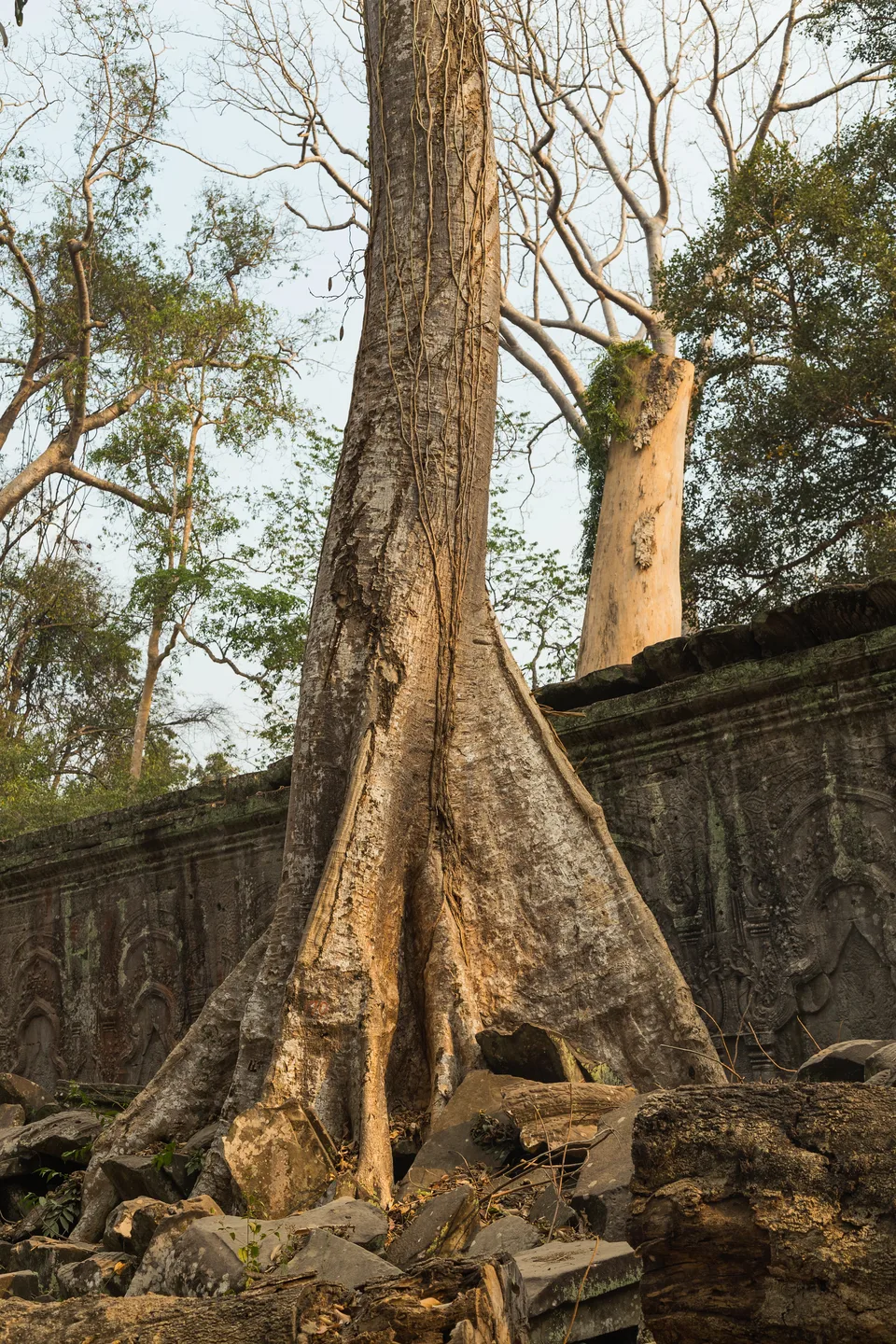
Ta Prohm is another rewarding contrast, where large roots and masonry share the same visual field. Follow the designated visitor route and respect conservation barriers rather than searching for an unrestricted photograph. These places can form part of a first temple day, but their differences are easier to appreciate with pauses. If someone in your group tires easily, choose two substantial visits instead of insisting that every famous name must be completed before lunch.
Choose the pass to fit your actual visit
The current Angkor Enterprise ticket catalogue lists one day at US$37, three days at US$62 and seven days at US$72. It currently describes the three-day pass as expiring within seven days and the seven-day pass within thirty. Check your issued ticket’s dates and conditions when purchasing, especially if you plan rest days between temple visits.
Buy through the issuer’s official channels, which now include its website, app, counters and kiosks. Do not rely on an old statement that tickets can only be bought at the counter. Admission is separate from your driver, guide and meals. The catalogue also lists separate tickets for places such as Koh Ker and Beng Mealea, so ask about coverage before paying for a wider excursion. Save an accessible copy of your pass and the purchase confirmation.
Practical temple access and respectful behaviour
Consult APSARA’s visitor information and code of conduct before setting out. Cover shoulders and knees, respect worshippers and monks, keep litter with you and leave carvings untouched. Use authorised paths and stairs; a barrier is not an invitation to find another entrance. Ask before photographing people, particularly during worship or ceremonies.
For accessibility, describe your needs to the guide rather than relying on the general word “easy”. Uneven paving, steps, long approaches and limited shade can affect an outing even when no tower climb is planned. Confirm where the vehicle can meet you and whether a shorter route is possible. Carry suitable footwear and drinking water. A careful route with fewer monuments can offer a fuller experience than a circuit that everyone struggles to finish.
Where to stay along the river and around Wat Bo
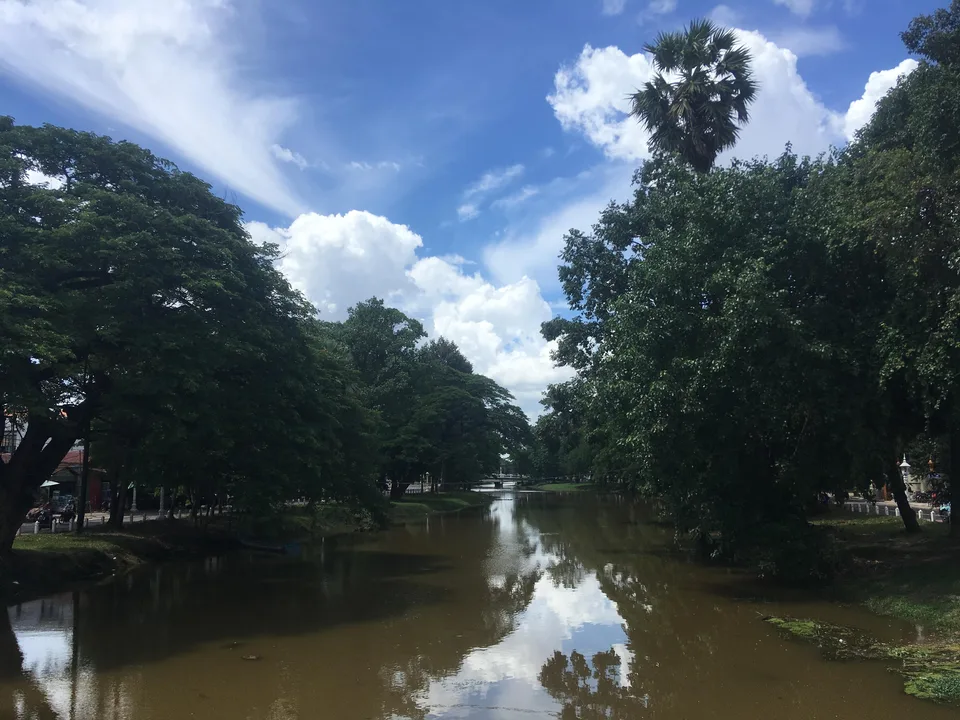
The Old Market and Pub Street area suits visitors who want to step out for restaurants and evening activity. The trade-off is noise, especially when a room faces entertainment venues. Check the specific street and room orientation. A short distance from nightlife can matter more than a hotel's broad claim to be “central”.
Across the river, Wat Bo offers another useful accommodation area. Viroth’s Hotel’s own location information provides one example of a boutique property there; it is a starting point for comparison, not a personal endorsement. Farther along River Road, Jaya House River Park illustrates a different riverside setting. Compare walking routes, pickup access and evening transport costs rather than assuming every riverside address has the same relationship to the centre.
Compare accommodation by the day you will live
Guesthouses, hostels, boutique hotels and larger resorts serve different priorities. For temple mornings, check early breakfast or a takeaway option, reception hours and whether drivers can reach the entrance before dawn. For a family afternoon, confirm pool arrangements, shade, extra-bed charges and the room configuration.
For a quieter stay outside the centre, calculate the return journeys for meals and shopping. For a working visit, test the desk, internet and air conditioning rather than choosing solely on atmosphere. Read the cancellation terms against your flight arrangements. If you plan a long stay, book an initial period that lets you inspect neighbourhoods before committing to a residential lease.
Arriving through the correct airport
Flights now use Siem Reap–Angkor International Airport, code SAI. Avoid directions written for the former REP airport, particularly claims of a very short ride into town. The airport operator’s transport information is the appropriate starting point for current arrival arrangements. Arrange your onward journey with your flight number and the precise hotel address.
The airport shuttle operator currently advertises US$8 in either direction between SAI and town. Check the departure time, town stop and onward hotel journey before comparing it with a private car. For several travellers, luggage or a late arrival, a confirmed direct transfer may be more practical. Ask whether the quote includes tolls, waiting time and all passengers. Keep the meeting instructions offline in case your mobile connection is not ready on arrival.
Moving around town and the temple area
Walking is useful for a central market visit or a chosen riverside outing. It is not a substitute for planning transport around Angkor. For a temple day, agree the route, start and finish times, waiting arrangements and any supplement for a distant stop.
For individual journeys, use an accountable booking arrangement and check the vehicle and destination before boarding. The FCDO’s transport and personal-safety guidance highlights road risks and unwanted transport approaches around Pub Street. Keep bags and phones secure. If considering self-driving, check the licence and insurance requirements for your nationality and vehicle; the availability of a rental does not establish legal or insured entitlement.
Put present border restrictions into the plan
An old itinerary combining Bangkok and Siem Reap by land is not a reliable booking template. At this review, the FCDO’s current Cambodia advice states that Thailand–Cambodia land crossings remain suspended and advises against all but essential travel within twenty kilometres of the Thai land border. Check current official advice before arranging a regional journey or a remote temple excursion.
These restrictions should not be presented as a blanket warning against Siem Reap city, but they do change which onward routes make sense. Compare available flights or an internal Cambodian route instead of buying an assumed border transfer. Match travel insurance to the actual itinerary and applicable advice. In rural areas, stay on established routes; Cambodia’s unexploded-ordnance risks make an improvised shortcut inappropriate.
A museum visit can improve the temple days
Angkor National Museum offers an opportunity to consider religious imagery and Khmer history in a different setting. Its visitor FAQ describes eight galleries and suggests roughly one to two hours for a visit. That makes it a useful arrival-day option if your flight timing allows, or an alternative when another outdoor afternoon would be tiring.
Check admission and the current closing time directly. The museum’s published pages differ on closing hours, so do not base a tight arrival on the latest possible entry. It lists an 8:30am opening. Ask about baggage storage and photography rules when you arrive. Museum admission should be budgeted separately from the temple pass; do not assume that a ticket carrying the word “Angkor” covers every institution using the name.
See craftsmanship before buying the souvenir
Artisans Angkor’s visitor information distinguishes its town craft centre on Stung Thmey Street from its silk farm in Puok. The distinction matters for transport and time. A visit to the centre can fit into a town day, while the silk farm requires a separate outing. Confirm current guided-visit arrangements rather than assuming an old shuttle service still runs.
Watching a process gives a purchase more meaning and a clearer basis for comparison. Ask what a textile or object is made from, where it was produced and how to care for it. Keep receipts and arrange suitable packing for fragile pieces. In markets, distinguish decorative reproductions from claims about antiquity; buy contemporary work from an accountable seller instead of seeking archaeological material or pieces removed from religious sites.
Leave an evening for contemporary performance
Phare offers a chance to encounter Cambodian performance beyond the temple setting. Its official visitor FAQ explains reservations and ticket categories, with prices depending on seat choice and the guest’s age. Check the show scheduled for your date and book ahead if your stay leaves only one possible evening.
Allow time for the journey and arrival rather than planning dinner to end exactly at showtime. Establish your return transport and pickup point, particularly with children or after a long day. Consider leaving the preceding afternoon light.
Understand what a Tonle Sap outing involves
Tonle Sap is a separate excursion from town, with different communities and landing points rather than one interchangeable “floating village” experience. Water conditions alter what you see and how boats operate. The Mekong River Commission’s hydrology information explains why seasonal flows are fundamental to the region’s wetlands and livelihoods; a photograph from another season cannot establish conditions on your date.
Ask the operator which community you will visit, the road journey, boat duration, total charges and how local residents benefit. Request appropriate lifejackets and consider the boat’s condition before boarding. Ask permission before photographing households, and decline school or orphanage visits arranged as casual attractions. Choose an outing for its setting and community engagement rather than a promise that you will see a particular version of village life.
Eat with curiosity and ask about ingredients
Fish amok and num banh chok are useful introductions to Khmer food. The Amok Restaurant menu provides a concrete example: steamed fish with coconut and spices, and rice noodles served with fish-based gravy. Use menus to explore ingredients and prices, without treating a venue mentioned here as an independently reviewed recommendation.
Ask about fish, shellfish, egg and sauces if allergies or dietary restrictions matter. A dish that looks vegetable-based may still need clarification. Cooking classes can add useful context, but check the menu, class size and whether dietary needs can be accommodated before booking. Balance destination dining with uncomplicated meals near your accommodation, especially before early departures. Agree the price of anything sold by weight or assembled outside a printed menu before it is prepared.
Budget for admission, transport and recovery time
Set aside the temple pass first, then price a driver and any guide for the route you actually want. For two temple days, the published US$62 three-day pass costs less than buying two US$37 one-day passes. Whether it suits your trip still depends on the dates and conditions. Add airport journeys, museum or performance tickets and any separate lake excursion.
Hotel value depends on more than its nightly rate. Breakfast, extra beds and trips into town can change the total substantially. Keep some accessible cash for smaller purchases and clarify whether a quoted amount is in riel or US dollars. Avoid treating a shop’s conversion as an official exchange rate. Retain a reserve for a changed transfer or an extra night, rather than spending the whole budget on advance activities.
Choose the season for your preferred pace
The provincial tourism weather overview identifies November to February as the cooler, drier period, with hotter conditions later in the dry season and wetter months broadly from June to October. These are planning patterns, not promises. Wet-season travel can bring greener scenery, but rain and surface conditions can disrupt outdoor visits and longer road journeys.
In hotter weather, put your most demanding walking early and allow a substantial break. Pack sun protection, breathable clothing that meets temple dress requirements, a light rain layer and shoes with reliable grip. Keep documents dry and carry drinking water. Do not assume rain is always brief or confined to the afternoon. Check the forecast and local advice shortly before a lake trip, rural excursion or day involving exposed steps.
Day one: arrive, settle in and add context
Treat the first day as an arrival day, especially after an international flight. Complete the airport transfer, confirm tomorrow’s driver and locate somewhere straightforward for dinner. If you arrive early enough, choose the museum or the craft centre rather than immediately attempting a full temple circuit. A riverside walk can help orient you without creating another deadline.
Buy the correct pass through an official channel and check its start date. Confirm the morning collection point, breakfast arrangements and how you will contact your driver. Choose one optional evening activity only if energy and timing permit. Travellers arriving late should move town sightseeing to another day rather than sacrifice sleep before a pre-dawn departure.
Day two: make the first temple day count
Start with Angkor Wat, at sunrise if that is a priority and otherwise at a time agreed with your guide. Continue to Angkor Thom and Bayon only with enough room for walking and breaks. Add Ta Prohm if your group remains comfortable, or save it for the following morning. This is a suggested sequence to adapt, not a requirement to visit every stop.
Check the current opening arrangements and accessible areas before finalising the order. Discuss lunch and water stops so the middle of the day does not become an unplanned endurance test. Return to town with time to rest.
Day three: a second temple morning or a lake outing
Use another temple morning for Ta Prohm if it was postponed, or choose a different part of the park after discussing distances and access. Banteay Srei, for example, needs a deliberate transport plan rather than being treated as a quick extra beside Angkor Wat. Alternatively, give the day to a properly arranged Tonle Sap outing when conditions are suitable.
If departing the same day, keep the programme conservative and confirm the airport pickup before leaving town. With another night available, a town afternoon and performance can balance the earlier sightseeing. Visitors with only two days should reduce the number of excursions instead of compressing this whole outline into the shorter stay.
Moving here means inspecting the ordinary streets
Siem Reap’s visitor economy makes a comfortable holiday easy to arrange, but a residential decision needs different evidence. Inspect neighbourhoods at the hours you will commute, shop and sleep. Compare central convenience with quieter streets and the cost of everyday transport.
View a rental before paying a substantial deposit. Test air conditioning, ventilation, water pressure, drainage and internet from the room you would use. Ask about road access during heavy rain and any history of water entry. Obtain written terms covering the inventory, deposit return, repairs, early departure and utility billing. Have unclear contract language explained by someone independent of the transaction, particularly before committing to a long tenancy.
Household services and healthcare deserve advance checks
Clarify which electricity and water meters serve the home and whether bills come directly from a utility or through the landlord. Siem Reap Water Supply Authority publishes customer and connection information; the arrangements at a particular property still need confirmation. Test internet speed at a realistic working time and ask how outages are handled. Verify school places, teaching language, transport and the full fees directly before selecting a family home.
For healthcare, identify a suitable provider and discuss insurance arrangements before care is needed. Royal Angkor hospital’s emergency information lists its emergency service and contacts. Confirm specialist availability, language support and direct billing for your own policy rather than assuming these from the hospital’s name. A longer stay also needs a plan for regular medication and care that cannot be provided locally.
Keep tourism, employment and residence permissions separate
The official Cambodian e-visa portal currently lists the tourist Type T visa at US$30, single entry, with three months’ validity and a one-month stay. The validity window is not permission to remain for three months. Check eligibility, passport requirements and your approved dates before travelling. SAI is an accepted e-visa airport. Complete the separate Cambodia e-Arrival declaration within the official seven-day pre-arrival window.
For employment, confirm the appropriate immigration status and labour permissions with the employer and the Ministry of Labour and Vocational Training. An electronic application method and the Type E visa category are different concepts. Study, volunteering and long-term residence need their own checks; a tourist admission or lease does not settle them. Consult VisaWand’s Cambodia country guide and consultant listings for further planning, without relying on promises of automatic conversion or permanent residence.
Nearby choices and a useful set of resources
Choose additional temple outings by interest, road time and current admission arrangements rather than by a list of superlatives. Puok’s silk farm offers a craft-focused alternative to another monument. For a wider Cambodian journey, compare Battambang’s destination listing and Phnom Penh’s destination listing; these location pages should not be mistaken for completed city guides. Neither is a casual extra between a morning temple visit and an airport departure.
The Cambodia location directory and Cambodia destination page can help organise the next stage. Keep the official resources below with your booking details, particularly Angkor Enterprise, APSARA, SAI airport and the immigration portal. Recheck access and travel restrictions shortly before departure. The most useful itinerary is one that fits current conditions, your energy and the kind of stay you actually want.
Official planning resources
Reviewed 15 October 2026. Use the official resources linked throughout this guide for admission, transport, housing and immigration decisions. Prices, services and rules can change; confirm the details relevant to your dates. Photography illustrates the locations and is not a live view.
View all official resources
- Provincial tourism: Siem Reap town
- UNESCO: Angkor heritage listing
- Angkor Enterprise: current tickets and validity
- APSARA: visitor map and code of conduct
- Siem Reap–Angkor Airport transport information
- Siem Reap Airport Bus timetable and booking
- Angkor National Museum visitor FAQ
- Artisans Angkor craft centre and silk farm visits
- Phare Circus visitor and reservation questions
- Provincial tourism: seasonal planning
- Cambodia official e-visa portal
- Cambodia e-Arrival
- Cambodia Ministry of Labour and Vocational Training
- Royal Angkor hospital emergency and trauma services
- Siem Reap Water Supply Authority
- FCDO: current Cambodia travel warnings
- FCDO: transport and personal-safety advice
- Mekong River Commission: seasonal water and ecosystems
- Amok Restaurant menu and cooking-class information
- Viroth’s Hotel location and facilities
- Jaya House River Park accommodation information
- Angkor Enterprise: Angkor Wat
- Angkor Enterprise: Bayon
Plan the next part of your journey
Explore the Cambodia guide, browse other cities or compare consultants for your travel and relocation questions.