Visa
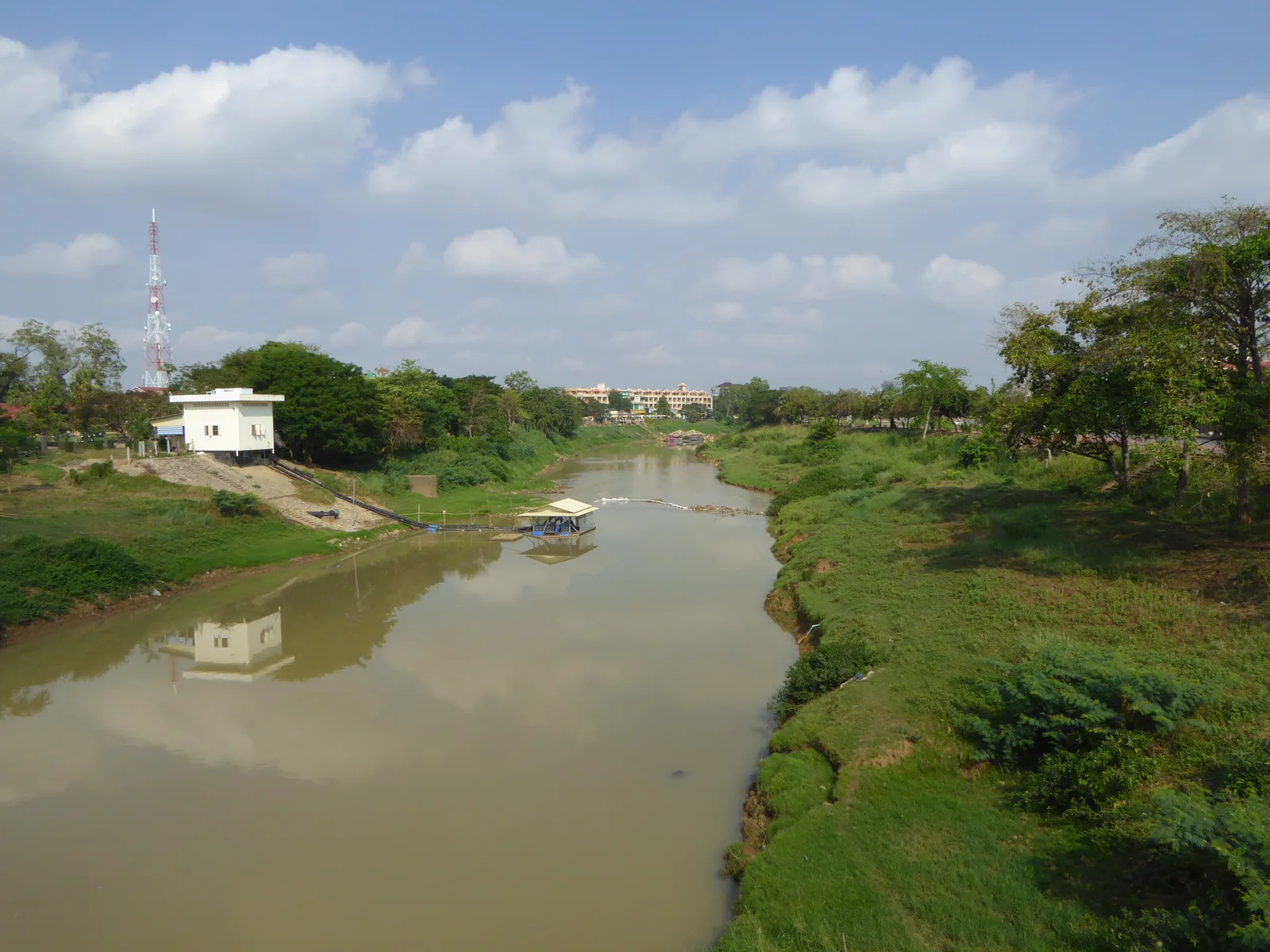
Battambang: make time for the city between excursions
Battambang works best as a stay of several nights rather than a hurried detour for a bamboo-train ride. Its appeal lies in the combination: commercial streets beside the Sangker River, food with a strong regional identity, an arts school with public performances, and countryside where temples rise above the plain. Give the city itself a day before filling the rest of your visit with transport bookings.
Travellers considering a move should add time for housing inspections, ordinary errands and a trial commute. Use VisaWand’s Cambodia country guide alongside this local guide, particularly for national entry requirements and the distinction between a holiday and a longer stay.
Check the border situation before choosing your route
At this guide’s October 2026 review, UK government advice for Cambodia says land borders and crossings with Thailand remain suspended. It also advises against all but essential travel within 20 kilometres of that land border. Other governments may define advisory areas differently. Check the advice relevant to your nationality, your insurance and the complete route you intend to take.
Battambang city and Battambang province are not interchangeable descriptions. A provincial destination may be far from the city or much closer to a restricted area. Older itineraries presenting a straightforward journey from Bangkok through Poipet should not determine a current booking. For a visit centred on Battambang, plan a confirmed domestic journey after entering Cambodia through an operating gateway, and review the situation again shortly before departure.
The layers behind the streetscape
The municipality’s architecture walking maps, produced with GIZ and Khmer Architecture Tours, explain a city shaped by river settlement, French-period planning and construction after independence. The result is more varied than a uniform “colonial town”. Shophouses combined business and living space, while later buildings added different materials, forms and uses.
Look at buildings as parts of a working city. A restored frontage, an occupied upper floor and a busy shop below can tell different stories. The maps date from 2012, so use them for historical orientation rather than current tenants or access. Some buildings remain private homes, businesses or offices. Appreciate them from public space unless an invitation or visitor arrangement establishes otherwise.
Choosing an area: market streets, opposite bank or Wat Kor
For a short stay, start by mapping your accommodation against Psar Nath, the river, your intended dinner stops and the pickup point for onward transport. The central streets make an efficient base when you want to walk between meals and city sights.
Wat Kor deserves a different planning decision. The Peace Gallery’s visitor information places it in Ksach Poy, Wat Kor commune, so give a visit its own journey rather than treating it as the next doorway along a central walking circuit. For accommodation beyond the centre, weigh space and atmosphere against repeated transfers. Ask how you will return after a performance or dinner, and whether the route works for anyone in your group with limited mobility.
A manageable walk around Psar Nath
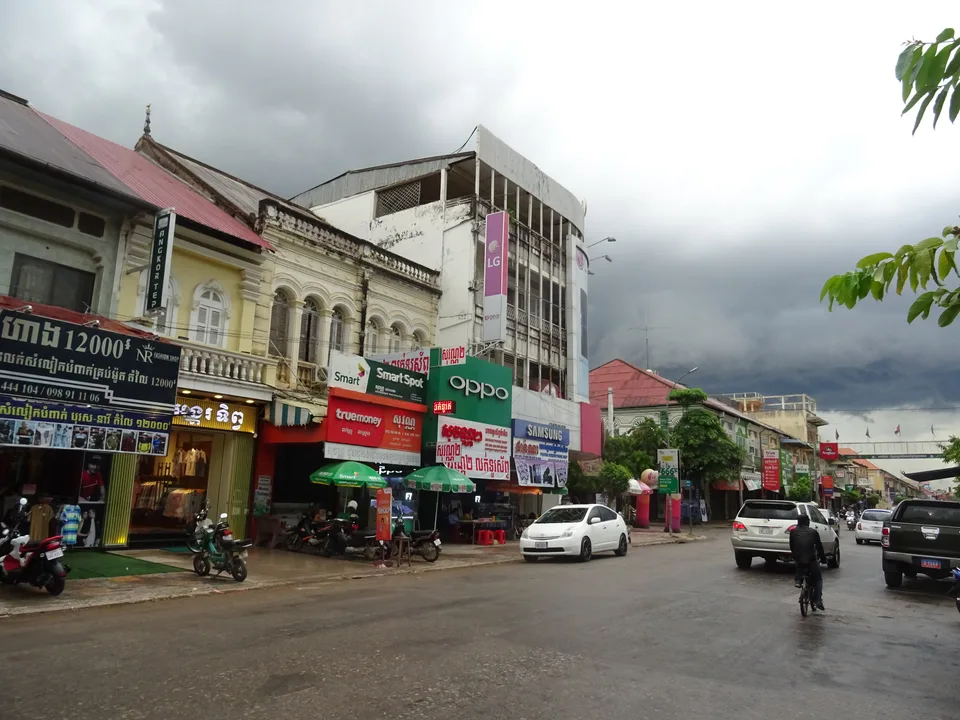
Make Psar Nath and the surrounding streets the starting point for a relaxed city morning. The historic architecture map identifies the market’s reinforced-concrete Art Deco building as dating from 1936, and highlights the contrasting building periods along Street 2½. That gives you two things to look for without turning the outing into an architectural checklist.
Browse with consideration for people doing their shopping and work. Pause where you can stand without obstructing stalls, ask before photographing an individual, and carry small denominations for modest purchases. Continue toward the river when the weather and traffic allow, then stop for refreshments rather than extending the walk indefinitely in the heat. The interesting detail is often above the shop sign: shutters, balconies, arcades and the relationship between adjoining buildings.
Food with a regional identity
Battambang joined UNESCO’s Creative Cities Network in the gastronomy category in 2023. The UNESCO city profile links its food culture with rice-based products, local producers and riverside food initiatives. This is a useful reason to build meals into the visit; it is not a World Heritage inscription or a guarantee about any individual restaurant.
The designation announcement highlights foods including kralan, sticky rice prepared in bamboo, alongside prahok and amok among the city’s culinary traditions. Use those names to begin a conversation about what is available rather than expecting one fixed menu everywhere. Ask about fish, shellfish, fermented ingredients and sauces if you have allergies or avoid particular foods. A vegetable dish may still contain an ingredient you cannot eat.
A cooking lesson or an ordinary restaurant meal
A cooking class is worth considering if you want more explanation of ingredients and preparation than a menu provides. Nary Kitchen’s own website currently advertises a four-dish lesson and tasting for US$18, with classes offered twice daily. Confirm the session, language, dietary arrangements and what is included when booking.
The same business advertises restaurant dishes from US$2.50 to US$3.50. Those figures describe one operator’s published offer, not the average cost of eating in Battambang. Check the menu available on the day and whether drinks or additional orders change your total. Travellers with limited time can simply choose a meal; a class requires a larger block of the day and should not be squeezed between a late arrival and a fixed evening show.
Phare: book the Battambang performance you mean
The Phare Ponleu Selpak circus page lists tickets at US$16 for adults aged 12 and over and US$9 for children aged 5–11. Its published regular schedule is Monday, Wednesday, Thursday and Saturday at 7pm, with visitors welcomed from 6pm. Check the current calendar: performances and schedules can change.
This is the Battambang arts-school campus, where current performing-arts students present the shows. It is distinct from Phare’s commercial circus in Siem Reap. Confirm the city and venue before purchasing, especially if you are visiting both places. Arrange your outward and return journeys and allow time to find the entrance. The ticket supports the organisation’s arts education, but that does not give visitors unrestricted access to classrooms or permission to photograph students wherever they wish.
See the school through its organised campus tours
For a daytime look at Phare, use the school’s guided campus-tour arrangements. The published weekday sessions run 8:30–9:30am and 2:30–3:30pm. Tours introduce the organisation, its training spaces and student murals, with Khmer, English and French listed as available languages. Confirm your language and group price directly before travelling.
The school explicitly asks visitors to use the tour hours so teaching is not disrupted. Treat that boundary seriously. A campus visit and an evening circus performance offer different experiences, and you can choose one without feeling obliged to book both. If you combine them, allow for the gap between the afternoon tour and the show rather than assuming you can remain in teaching areas.
The Peace Gallery: history beyond a brief memorial stop
The Cambodia Peace Gallery focuses on the country’s journey from war toward peace and reconciliation. Its published hours are 8:30am–4pm daily, with visitors encouraged to contact the gallery to arrange a visit. Confirm admission arrangements and any guided programme you want rather than relying on an unverified entrance fee.
Allow the subject time. This is a place for reading, reflection and discussion, not simply another photograph between countryside stops. Families should consider how to explain difficult history to children before arriving. Ask about accessibility and the format of the exhibits if anyone has specific needs. Organise the return journey in advance, particularly if you have a performance reservation later; its Wat Kor address means it should be planned separately from a central-market walk.
Phnom Banan: a hilltop temple with a real climb
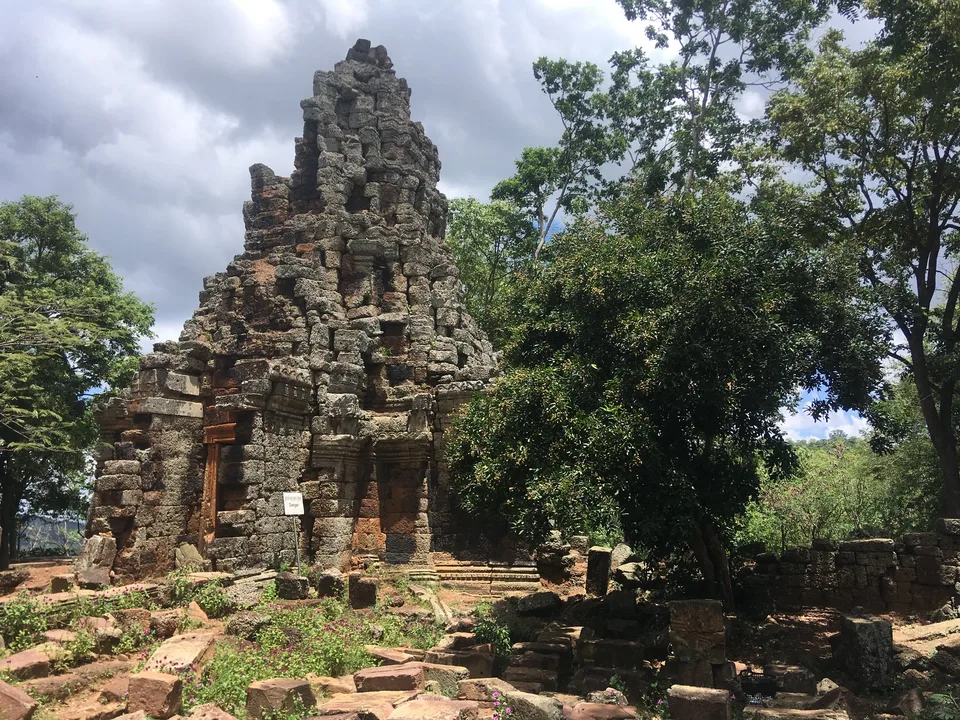
Phnom Banan is an excursion south of the city. The Hello Angkor field record of the temple documents its ancient stone towers, staircase and hilltop setting, distinguishing the ruins above from the contemporary monastery below. It is useful background for deciding whether the site suits your interests and mobility. Exact dating and comparisons with Angkor are more complicated than a “miniature Angkor Wat” label suggests.
Plan for the ascent and descent, not just the drive. Bring water, wear suitable footwear and avoid making the climb a rushed midday appointment. Ask about current steps, access and admission before setting off, especially during wet weather. Remain on established routes and respect barriers around fragile masonry. If stairs are a difficulty, a countryside outing with stops at ground level may be a better choice. Do not assume a vehicle can deliver you to the ancient temple itself.
Phnom Sampeau: religion, remembrance and bats
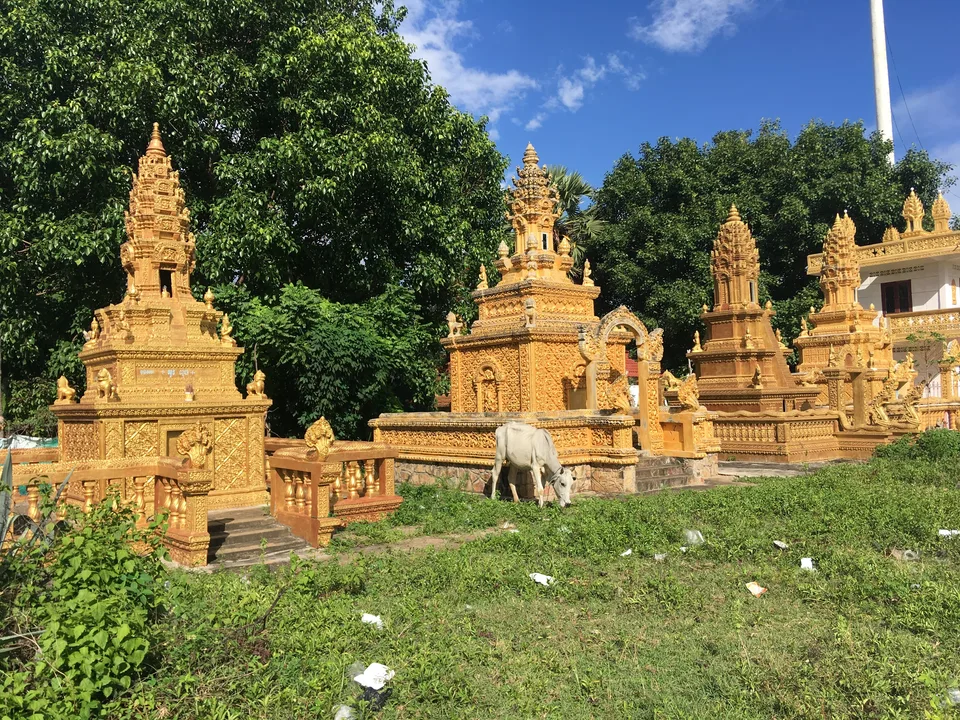
Phnom Sampeau, also written Phnom Sampov, combines a religious hill, memorial sites and an evening wildlife spectacle. A May 2026 report by Cambodia’s government news agency describes a new public viewing area for the bats and places the site around 12 kilometres from Battambang along National Road 57. Confirm the current local arrangements when planning the trip.
The field record of Phnom Sampov also identifies caves associated with Khmer Rouge killings. Approach these as places of remembrance, with appropriate behaviour and consideration for people who may find them distressing. Keep memorial time separate in your mind from waiting for bats at dusk. Wildlife does not operate to a guaranteed minute, and a hill visit adds walking and access questions that a bat-viewing stop alone does not. Establish where your driver will wait, what the price includes and how you will return after the evening gathering.
Bamboo trains and countryside tours: clarify the package
Battambang’s bamboo-train experience needs a little more precision than the name suggests. Ask which site a proposed tour uses, how long the ride takes and what happens if it is not operating. Do not confuse an excursion ride with Royal Railway’s passenger service, or assume photographs and prices from different years describe the same arrangement today.
A local tuk-tuk operator’s published itineraries illustrate an important budgeting distinction: transport packages can exclude temple admissions, museum or show tickets and the train ride itself. English-speaking guiding may also be separate. Get a complete quotation and an agreed route rather than comparing only the largest number of stops. Avoid remote detours that have not been checked against current access advice.
Where to stay and what to ask before booking
Compare central guesthouses, hotels with more facilities and properties farther into the surrounding area according to the trip you actually want. A pool can matter to a family spending afternoons at the hotel; a central address may matter more to someone planning meals and walks.
Bambu Hotel’s room descriptions provide one operator example: categories include upper-floor suites and rooms in garden houses, with ground-floor options also described. Confirm the precise room and access you need, rather than interpreting “boutique” as an accessibility standard. Prices vary by dates and room type, so no fixed nightly rate is asserted here. For a longer stay, establish whether laundry and cooking facilities are actually available.
Arriving through an operating airport or domestic connection
Check airport names carefully. Cambodia’s civil aviation directory lists Techo International Airport and Siem Reap Angkor International Airport among the current international gateways. The airport operator’s operational history records Phnom Penh services moving to Techo in September 2025. An old transfer quotation using the former Phnom Penh or Siem Reap airport can therefore describe a different journey.
Neither gateway places you in Battambang on landing. Compare a confirmed onward road connection with the cost of an overnight stop, particularly after a late flight. Vireak Buntham’s booking site lists the Phnom Penh–Battambang route; check actual availability, boarding point, luggage allowance and arrival location for your date. Leave a generous margin between separate bookings and obtain clear meeting instructions for any private transfer, including the total price and what delay policy applies.
Trains and everyday journeys around town
Royal Railway’s passenger information lists its northern route between Phnom Penh, Pursat and Battambang. Contact the operator or use its booking channel for current dates, fares and departure times. Office working hours on an information page are not a train timetable, and a historic service announcement does not establish today’s operation.
Within Battambang, combine short walks with arranged transport when distance, heat or an evening return makes that sensible. Agree the destination and fare before an informal journey, and distinguish a point-to-point ride from a driver waiting through several visits. The government transport guidance flags the greater risks of road travel after dark. For countryside travel, keep to established routes: unexploded ordnance remains a concern in rural Cambodia. Anyone considering a rental vehicle should check licence requirements, insurance and the vehicle’s condition rather than treating easy availability as evidence that they are properly covered.
A practical budget built from confirmed choices
Keep the currency clear when comparing prices. The Phare adult ticket is US$16 and Nary’s published cooking lesson is US$18: together they make US$34 before accommodation, transport and other meals. Those are two specific choices, not a universal daily budget. Children’s ages, group size and the number of paid excursions change the calculation.
Ask which currency a quotation uses and how any conversion is calculated. The National Bank of Cambodia’s Bakong Tourists announcement (source unavailable) explains a digital-payment option for visitors using KHQR. Check current registration, funding and fee conditions, and keep a practical payment fallback rather than assuming every card or business will work with it. Separate refundable room deposits from spending, and budget for the return journey from an outlying attraction. An inexpensive admission does not necessarily make an excursion inexpensive once a vehicle and waiting time are included.
Seasons: cooler walks or a greener landscape
The World Bank’s Cambodia climate profile describes the monsoon pattern, with the rainy season broadly May to October and cooler, drier conditions during the winter months. April is particularly warm in the national climatology. These are seasonal tendencies, not a forecast or an assurance that a specific day will stay dry.
For a visit built around walking and hilltop temples, the cooler part of the dry season is an appealing planning choice. Wetter months require more flexibility with roads, steps and outdoor excursions. Retain a gallery visit or cooking session as an alternative, while confirming that the journey to it is workable. Carry sun protection and water even when skies look uncertain. If relocating, ask about drainage and previous flooding at the actual property; a pleasant stay in one season gives limited evidence about the home’s performance across the year.
A three-day itinerary with room to adjust
Use day one for the city: Psar Nath, a short architectural walk, the river and a meal chosen for regional food. If a Phare performance falls on that evening, book it with enough time to reach the campus. Otherwise, keep the evening relaxed and place the show on another day.
Choose a substantial outing for day two. Phnom Banan suits an interest in ancient architecture and a willingness to climb; Phnom Sampeau needs planning around the different requirements of the hill, memorials and dusk bat viewing. Combine sites only if the day remains comfortable and your group wants them all.
On day three, take a cooking lesson or an organised Phare campus tour, then visit the Peace Gallery if its arrangements fit. Confirm onward transport before the final evening and leave spare time for weather or a changed departure.
Moving to Battambang: inspect the home and the commute
Ask an employer or institution for the exact working address and hours, then test the journey from properties you are seriously considering. Students can start with the National University of Battambang’s international office to establish course, language, admission and support arrangements before planning a household around an assumed offer.
Inspect rentals in person where possible. Check doors, drainage, water pressure, air-conditioning, mobile coverage and internet at the actual unit. Ask about past flooding and who pays for repairs. Have the rent, deposit, inventory, utility charging and termination terms written clearly. No representative current rental average was established for this guide; compare similar properties rather than treating an isolated online listing as a reliable market price. For families, confirm school admission, fees and transport before committing to a lease nearby.
Household needs, health and address registration
Before moving in, photograph the inventory and meter readings and agree how electricity and water will be billed. Ask to see the charging basis and clarify whether a connection, account change or deposit is required. Check cooking, laundry, rubbish collection and access during heavy rain.
Plan healthcare before you need it. The official Cambodia health guidance explains the limits of local facilities and the importance of suitable insurance, including evacuation cover where needed. Confirm access to prescriptions and routine care for your household. The entry and registration guidance also explains the Foreigners Present in Cambodia System: make sure the hotel manager or landlord registers your accommodation appropriately. A long stay still requires attention to lawful immigration status; an address record or rental agreement does not replace that permission.
Tourism, employment, study and permanent relocation
Use the official Cambodian eVisa portal and the relevant Cambodian mission to check your passport’s requirements. Tourism permission is different from permission to work or study. Confirm the period granted on entry and any extension process before planning a longer stay; do not build a relocation around repeated assumed tourist entries.
The General Department of Immigration links to the official e-Arrival service, stating that submission is free and available within seven days before arrival or on arrival. Complete the requirements for your actual route; an arrival declaration and a visa serve different purposes.
Employment requires the appropriate immigration status and work authorisation. Use the Labour Ministry’s foreign-worker system with your employer to establish the process. Students should obtain institution-specific advice before travelling, including the correct immigration arrangements. Permanent residence is a separate legal question: an ordinary temporary stay, job or lease does not by itself establish it. VisaWand’s Cambodia consultant listings provide a place to find professional assistance while official authorities decide applications.
Nearby places and the rest of your Cambodia itinerary
Siem Reap’s city guide helps plan a separate stay for Angkor and the surrounding city. Phnom Penh’s guide provides another distinct urban stop, while Pursat’s location page can help orient an onward domestic journey.
Tonle Sap wildlife visits require their own planning. WCS describes conservation work at Prek Toal’s waterbird colonies, but that does not mean an ordinary transfer through the region includes a suitable wildlife excursion. Confirm access, season, duration and operator arrangements separately. Battambang is most rewarding when its city streets, food and contemporary cultural life receive as much attention as the countryside. Choose a few experiences that suit your interests and the current conditions, then allow enough time between them to stay curious rather than rushed.
Official planning resources
Reviewed 21 October 2026. Use the official resources linked throughout this guide for admission, transport, housing and immigration decisions. Prices, services and rules can change; confirm the details relevant to your dates. Photography illustrates the locations and is not a live view.
View all official resources
- UK current Cambodia travel advice
- Battambang Municipality/GIZ/Khmer Architecture Tours walking maps
- Peace Gallery visit arrangements
- UNESCO Battambang Creative City profile
- UNESCO designation announcement
- Nary Kitchen restaurant and classes
- Phare circus shows
- Phare guided campus tours
- Cambodia Peace Gallery
- Hello Angkor field record of Phnom Banan
- AKP report on Phnom Sampov,18May2026
- Hello Angkor Phnom Sampov field record
- Local tuk-tuk operator itineraries
- Bambu Hotel room categories
- Cambodian civil aviation airport directory
- Cambodia Airports operational change
- Vireak Buntham booking
- Royal Railway passenger services
- UK Cambodia safety and transport advice
- National Bank Bakong Tourists announcement (source unavailable)
- World Bank Cambodia climate profile
- National University of Battambang international office
- UK Cambodia health planning
- UK entry,work and registration guidance
- Official Cambodia eVisa application
- Cambodia General Department of Immigration
- Official Cambodia eArrival
- Labour Ministry foreign worker system
- WCS Prek Toal conservation
Plan the next part of your journey
Explore the Cambodia guide, browse other cities or compare consultants for your travel and relocation questions.