Visa
A city best explored one district at a time
São Paulo rewards a different approach from a beach holiday. Its pleasures are urban: an exhibition that changes your afternoon, a bakery breakfast, a street of murals, and dinner that makes another reservation seem worthwhile. The skyline is immense, but a good visit happens at neighbourhood scale. Choose a manageable area, travel there, and give it time.
This is the capital of São Paulo state, inland in southeastern Brazil; Brasília is the national capital. Guarulhos airport is in a neighbouring municipality, and the coast requires another journey. Three full days provide a useful introduction. A longer stay suits people drawn to museums, architecture, food and metropolitan life. Start with São Paulo’s official visitor information and VisaWand’s Brazil country guide when fitting the city into a wider trip.
Read the history beneath the skyline
The city’s conventional foundation date is 25 January 1554, associated with the Jesuit mission at Pateo do Collegio. That colonial milestone should not obscure the Indigenous presence preceding it. The historic centre and later avenues tell different chapters; neither stands for the whole metropolis.
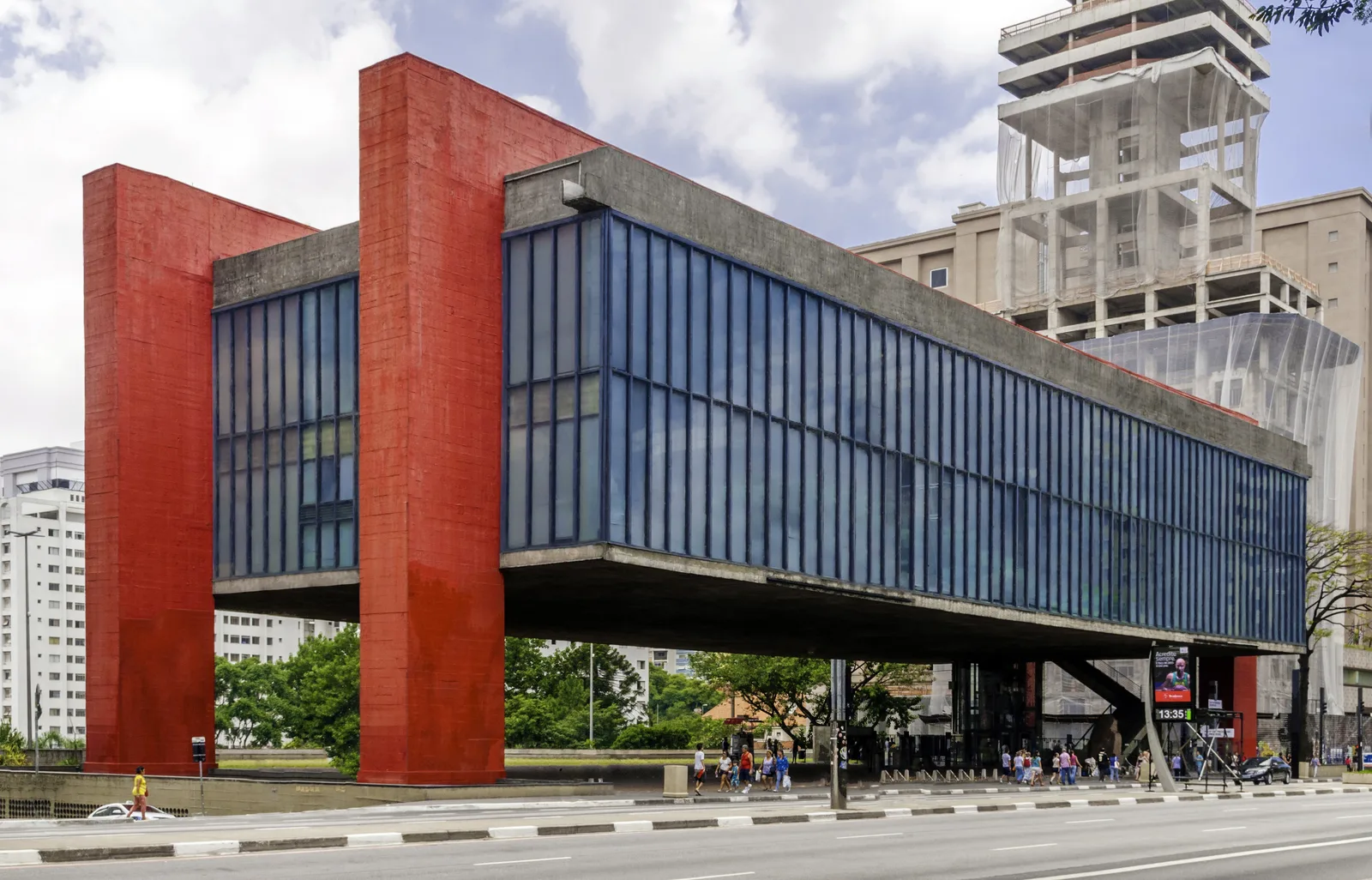
Architecture makes those contrasts tangible. At MASP, Lina Bo Bardi’s elevated concrete building puts public space beneath a museum. Liberdade carries Japanese immigration history alongside older Black and Indigenous histories. In Vila Madalena, painted walls turn an ordinary walk into an encounter with contemporary visual culture. Let these differences shape the itinerary rather than chasing a single postcard view of the city.
Choose a base around your actual plans
For a first visit centred on museums and public transport, compare hotels near Avenida Paulista with alternatives in Jardins and Paraíso. A short, comfortable walk to a useful station can matter more than a prestigious address. Check the exact entrance, street gradient and crossing arrangements on the final approach.
Pinheiros and Vila Madalena suit visitors prioritising restaurants, evening outings and galleries. Vila Mariana can work for a quieter routine and access towards Ibirapuera. These are planning choices, not promises that every block has the same atmosphere. For meetings around another business district, price accommodation near that destination before accepting several daily connections.
The historic centre is worth visiting, but inspect a proposed overnight address carefully, including late arrivals. Avoid treating a low room rate as the complete cost: additional car journeys, luggage storage and breakfast can change the comparison. Ask the accommodation directly about reception hours and the practical arrival route.
For an apartment stay, establish whether the advertised unit is the one you will receive, who handles a failed access code, and whether building reception can admit guests. Travellers arriving early should obtain a clear answer about luggage storage. Anyone needing step-free access should request details of the entrance, lift and bathroom, rather than relying on an accessibility icon. A lower floor is not necessarily accessible if stairs precede the lift.
Make time for both parts of MASP
MASP’s own introduction describes one museum across two buildings: the Lina Bo Bardi building and the newer Pietro Maria Bardi building. The famous red supports remain a compelling sight, but the museum visit extends beyond that familiar exterior. Browse current exhibitions before choosing how long to allow.
The official visit page lists general admission at R$85 and qualifying reduced admission at R$42. Tuesday admission is free, and Friday becomes free from 18:00. Reserve online, including for free entry. Normal opening is Tuesday 10:00–20:00, Wednesday, Thursday, Saturday and Sunday 10:00–18:00, and Friday 10:00–21:00; Monday is closed. Last admission is an hour before closing.
Keep a relaxed Paulista walk around the booked slot. Someone enthusiastic about art may want much longer than a travelling companion interested mainly in architecture. Agree a meeting point rather than rushing both through the same circuit.
Give Pinacoteca its own half-day
Pinacoteca offers another substantial museum outing around Luz. Its R$40 general ticket covers Pina Luz, Pina Estação and Pina Contemporânea on the same day; reduced admission is R$20, and online purchasing carries a R$2 fee. Saturdays and the second Sunday of each month have free admission.
Check the buildings and visitor rules before booking: opening is Wednesday to Monday, 10:00–18:00, with last entry at 17:00; Tuesday is closed. Large backpacks and travel suitcases cannot simply be left in storage. Visit after checking luggage into your accommodation, not between an airport arrival and a hotel check-in. Pick the exhibitions that interest you rather than assuming a three-building ticket requires completing everything.
Walk the centre with a clear route
Combine Pateo do Collegio and the Sé area during daylight, with a short route and a specific next stop. Architectural sightseeing works better when you know where you are heading than when you are repeatedly consulting a phone at the kerb. A guided introduction can help explain streets whose significance is not obvious from their façades.
The centre is a working urban district with changing street conditions. Ask your accommodation for current route advice, carry only what the outing requires, and keep valuables discreet. If a connecting stretch feels unsuitable, use transport rather than insisting on joining every landmark on foot. Leave room for a café or indoor stop; the point is understanding the place, not finishing a checklist.
See more than Liberdade’s shopfronts
Liberdade makes a worthwhile separate outing for food shops, browsing and its layered cultural landscape. Its Japanese associations are prominent, but the municipal heritage programme’s account of Liberdade and the Aflitos area also recognises Black, Indigenous and migrant histories. Those perspectives make a richer introduction than reducing the district to lanterns and souvenirs.
Choose a few streets and a meal rather than treating the neighbourhood as a quick photography stop. Read menus and food labels carefully if you have allergies or dietary requirements; a cuisine label alone cannot establish ingredients. For a deeper historical visit, seek an operator who explains the district’s different communities and states clearly which interiors are included.
Leave an open afternoon for Ibirapuera
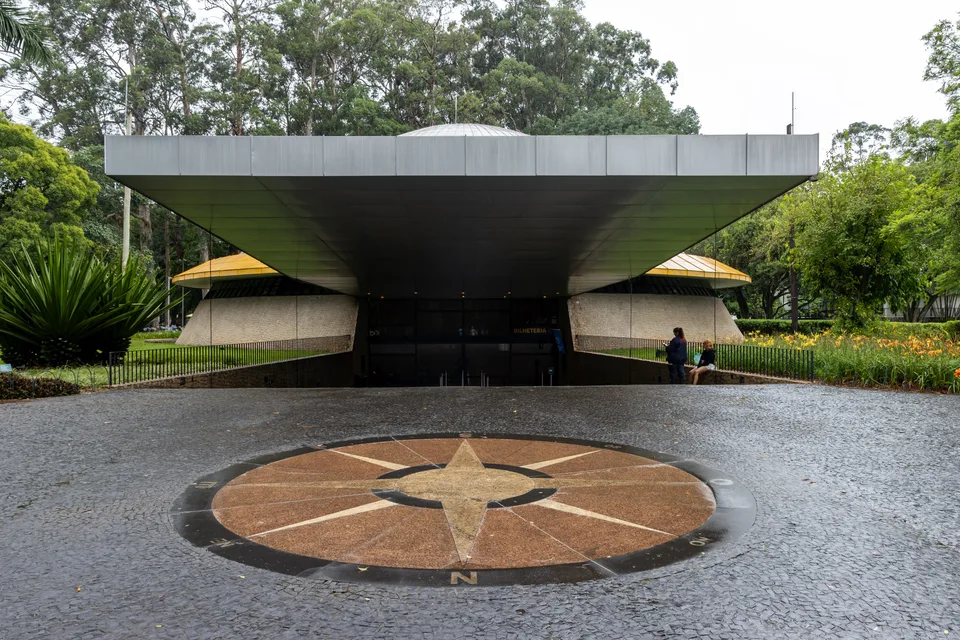
Ibirapuera Park provides an outdoor counterweight to museum galleries and busy avenues. Opened in 1954, it brings paths, lawns, cultural buildings and recreation together. Walk a modest circuit before adding other commitments; distances within a large park can make an apparently short detour inconvenient.
The municipality lists daily park opening from 05:00 to midnight, with different hours for facilities, toilets and bicycle hire. A park opening time does not mean every venue inside is operating. Check separate programmes for a planetarium session or exhibition. Bring water, sun protection and a weather backup. Visitors with limited mobility should identify a suitable entrance and facilities beforehand; the city lists accessible entrances, circulation areas and toilets, without implying every possible outing is equally easy.
Find murals in Vila Madalena
Beco do Batman is a street-art destination in Vila Madalena, in the city’s west. Look closely at individual walls instead of expecting a fixed open-air collection: street imagery can change. The district works well as a slower afternoon paired with a gallery or food stop selected from current opening information.
Keep residential access and working businesses in mind when taking photographs. The best route depends on your starting station, walking tolerance and evening plans. If staying elsewhere, decide the return journey before settling into dinner. A neighbourhood that is pleasant for an afternoon stroll may require a different transport choice late at night.
Visit the Municipal Market with prices in mind
The Municipal Market’s historic interior is as much a reason to visit as its food stalls. Its 1933 history and agricultural stained-glass scenes connect the building to the city’s trading life. Look upwards as well as at the displays, then decide what you actually want to buy.
For fruit, ask the price and whether it is charged by weight, item or portion before accepting a purchase. For a substantial sandwich or shared snack, read the menu and establish the total first. A market visit need not become an expensive meal. The tourism board’s food directory offers a broader starting point for bakeries, cafés, pizza and other restaurant options across the city.
Food can also organise an evening more successfully than another landmark. Pick the meal you want, check whether reservations are taken, then choose a nearby activity. For shopping, distinguish a souvenir purchase from something that needs a warranty or a return. Keep the receipt and confirm the seller’s terms before paying. Market displays and attractive packaging tell you little about transport restrictions on food taken abroad; check the destination country’s rules before buying gifts to carry home.

Arriving through Guarulhos
Check the airport code on every ticket. GRU is Guarulhos, the main international gateway serving São Paulo. Its rail station is not the same thing as arriving inside every passenger terminal: the final connection is an additional step, particularly with luggage or reduced mobility.
CPTM’s current airport page lists the Expresso Aeroporto between Aeroporto-Guarulhos and Palmeiras–Barra Funda at R$5.40, with onward network connections. It describes a free bus or aeromóvel connection between the airport station and terminals. Check which transfer is operating for your arrival time and allow a buffer. Regular Line 13-Jade via Engenheiro Goulart provides another rail option.
Compare the full door-to-door journey with an authorised airport taxi or app-booked car, including the correct pickup point. A cheaper rail ticket is valuable, but not a substitute for checking the last connection to your accommodation. Flight delays and an unfamiliar interchange can change the decision.
When comparing a private transfer quote, state the terminal, flight number, number of passengers and luggage. Ask how delays, waiting time and cancellation are handled. With children or mobility equipment, confirm the required vehicle arrangements explicitly. Save the accommodation address in Portuguese and keep an offline copy; being able to show the destination is useful when a phone connection fails.
Congonhas now has a rail option with conditions
Older advice that Congonhas has no rail connection is outdated. Under the Metro operator’s September 2026 arrangements, Line 17-Ouro runs Monday to Saturday, 06:00–22:00, with no Sunday passenger operation. It connects towards Lines 5-Lilac and 9-Emerald. This remains a transitional timetable, so check the latest operator notice before depending on it.
Line 17 itself is free during this phase; connecting services are not automatically free. Compare the transfers with a direct car journey for your particular hotel. If an airline itinerary uses another airport, do not assume it is conveniently interchangeable with Congonhas or Guarulhos. Check the ground journey before booking separate flights.
Use rail for the backbone of the day
The Metro single QR ticket costs R$5.40 and is valid for one journey. Use official station machines, ticket offices or the listed TOP channels. Plot the whole journey before entering, including whether a transfer stays within the paid area. Keep station names available offline and avoid carrying an itinerary that needs constant cross-city movement.
An overnight trial covers Saturday night into Sunday on Lines 1, 2, 3 and 15 through 31 January 2027, according to the operator’s announcement. It does not make the whole network a nightly 24-hour service. Check every connecting line and keep a return option when attending an evening event.
Understand bus fares and combinations
SPTrans lists municipal buses at R$5.30 for cash or common electronic credit. The common integrated bus-and-rail fare is R$9.38, with specific boarding and time limits; this is different from independently buying each ride. A visitor making only a few journeys may prefer simplicity, while a resident should investigate the appropriate registered card.
Municipal buses are free on Sundays under the current scheme. That does not mean all metropolitan buses or trains are free. Check the operator and destination before boarding. For an unfamiliar bus route, verify both the direction and the stop where you intend to leave; a map’s straight-line distance can conceal a complicated journey.
Build a budget around chosen experiences
A useful sightseeing baseline is specific: two R$5.40 rail journeys and R$85 MASP admission total R$95.80 before food, accommodation or airport travel. Pinacoteca adds R$40 on a paid day, plus any online fee. Free-entry schedules can reduce costs, but compare them with your available time and booking opportunities.
Price rooms for the actual dates, including taxes, breakfast, cancellation conditions and event-related demand. For meals, compare bakery or counter-service options with a reserved restaurant rather than relying on an invented citywide average. Ask about any service charge and cover charge before ordering. Keep a small cash reserve and a second payment method; confirm acceptance before committing to a purchase.
Put fixed reservations into the budget first, then allow a separate amount for optional meals and transport changes. A free museum day is less useful if reaching it requires an otherwise unnecessary journey. Couples and families should compare the group cost of several rail tickets with a car quote, without assuming the cheapest option for one person remains cheapest for everyone.
Choose a season and pack for changes
São Paulo’s inland setting does not guarantee beach-like weather. The municipality describes a warmer, wetter summer and cooler, drier winter, with a gradual autumn transition. December to March calls for flexibility around rain; June to August can require an extra layer, particularly after dark. These are seasonal tendencies, not a daily forecast.
For an itinerary mixing walking and museums, April–May or September–October are worth comparing, with weather and event dates checked close to departure. Keep an indoor alternative to a park afternoon. During heavy rain, avoid flooded routes and reconsider a long road transfer. Comfortable shoes, a light rain layer and space for changing temperatures are more useful than packing around a single expected reading.
A realistic three-day first visit
Day one: settle in, explore Avenida Paulista and keep your MASP booking as the main commitment. Have lunch nearby and leave time for the second building. If arriving after an overnight flight, postpone the paid museum visit rather than spending it exhausted.
Day two: start with the historic centre in daylight, then choose either Liberdade for lunch and browsing or the Municipal Market. Combining both is possible, but adds movement and competing meal stops. Return to your accommodation before an evening outing if that makes the route easier.
Day three: choose Pinacoteca for an art-focused morning or Ibirapuera for an outdoor one. Continue towards Vila Madalena if energy and weather permit. This itinerary deliberately leaves something for another visit. Swap days for museum closures: MASP closes Monday, Pinacoteca Tuesday. Reserve any essential slot before arranging the rest around it.
Test everyday life before choosing a lease
For a move, select temporary accommodation close to the work, study or family destination driving the decision. Try the journey at the actual commuting hour, including the walk at both ends. A pleasant holiday base may be a poor match for a daily obligation across the city.
View potential homes in person and listen for traffic, nightlife and building noise. Check ventilation, daylight, mobile reception, lift access and any essential workspace. Compare the total monthly obligation: rent, condomínio charges, applicable property charges, utilities, internet and transport. A larger flat further away can become a less attractive deal once commuting time and extra journeys enter the calculation.
Walk the ordinary errands as well: groceries, pharmacy, laundry and a place to buy a quick meal. If working from home, ask about internet installation lead times and where a router can be placed. For a car-dependent household, check the actual parking space and access rules. These checks make a viewing more useful than comparing floor area alone.
Read the rental terms and household bills
Ask for a written inventory, condition photographs, the deposit or guarantee arrangement, adjustment provisions and early termination terms before paying. Under Brazil’s tenancy law, a cash security deposit cannot exceed three months’ rent and must follow the statutory savings-deposit arrangement. Other guarantee types have different implications; get advice where the proposed contract is unclear.
Find out whether water is included through the building or individually metered. Use Sabesp’s service guidance for water-account questions and Enel São Paulo’s transfer page for electricity. Confirm existing service, meter readings and responsibility dates at handover. For internet, ask the provider to check the exact apartment’s installation availability, not merely general neighbourhood coverage.
Arrange documents, healthcare and household needs
A CPF registration is a practical part of many Brazilian administrative processes and is available to foreigners. It is a tax identifier, not residence permission. Keep consistent names across documents and retain copies of contracts and receipts. Ask what identification each service accepts rather than assuming a passport alone completes every transaction.
For healthcare, use the city’s primary-care portal and UBS finder to identify services near the intended home. Discuss ongoing prescriptions, language needs and appointment arrangements early. Compare insurance coverage and exclusions, including any requirement attached to your immigration route. Families should verify school places, admissions documents and the daily school journey before signing a long lease; a convenient apartment cannot resolve an unavailable place.
Separate a visit from permission to work or settle
Entry depends on the passport used, trip purpose and permitted stay. The Foreign Ministry’s e-Visa guidance states that Australian, Canadian and US passport holders require visas for tourism and business visits again from 10 April 2025. The listed electronic application fee is US$80.90. Use the application portal linked by the ministry and confirm current requirements before paying.
Do not interpret a visa’s validity as an unlimited stay, or business-visitor permission as general permission for salaried local work. Other nationalities must check their own rules. For employment, study, family residence or permanent relocation, consult the Brazilian consulate responsible for your residence about the correct route and subsequent registration obligations before committing to the move.
Brazil also has a digital nomad route for qualifying remote activity for foreign employers or clients, without Brazilian employment. Published requirements include foreign-source income of at least US$1,500 monthly or US$18,000 in available funds, alongside other evidence and insurance. Eligibility, documents and procedure require confirmation with the appropriate consulate; the route does not automatically solve tax questions or authorise a local job.
Consider the coast or a different Brazilian city
For a contrasting outing, Santos’s official visitor directory covers its waterfront and historic centre. Choose the coast for a separate day or overnight stay, allowing for traffic and weather rather than promising a fixed journey time. VisaWand’s Santos location page helps place it within the wider destination network.
If your preferred trip revolves around coastal scenery, compare Rio de Janeiro’s location page before booking a long São Paulo stay. The Brazil locations directory and Brazil destination page provide further orientation. For an immigration question that affects a real booking or move, consult the relevant official authority and, where useful, compare providers through VisaWand’s consultant listings.
Official planning resources
Reviewed 15 October 2026. Use the official resources linked throughout this guide for admission, transport, housing and immigration decisions. Prices, services and rules can change; confirm the details relevant to your dates. Photography illustrates the locations and is not a live view.
View all official resources
- São Paulo Tourism: official visitor information
- São Paulo municipality: foundation at Pateo do Collegio
- MASP: museum history and buildings
- MASP: tickets, booking and opening hours
- Pinacoteca: prices and free admission
- Pinacoteca: hours, buildings and luggage restrictions
- São Paulo municipality: Ibirapuera Park
- São Paulo Tourism: Beco do Batman
- São Paulo heritage programme: Liberdade and the Aflitos area
- São Paulo municipality: Municipal Market history
- Metrô: tickets, cards and transfers
- Metrô: current Line 17-Ouro operating arrangements
- Metrô: limited Saturday overnight service trial
- CPTM: Guarulhos airport rail and terminal transfers
- GRU Airport: rail access and terminal connection
- SPTrans: current municipal bus and integrated fares
- São Paulo municipality: seasonal weather patterns
- Brazilian Foreign Ministry: electronic visitor visas
- Brazilian Foreign Ministry: digital nomad eligibility
- Brazilian Foreign Ministry: consulates and embassies
- Receita Federal: CPF registration
- Brazilian legislation: urban tenancy law
- Enel São Paulo: electricity account transfers
- Sabesp: water and sewerage service guidance
- São Paulo Health Department: primary care and UBS finder
- Santos Tourism: attractions and visitor information
- São Paulo Tourism: food directory
Plan the next part of your journey
Explore the Brazil guide, browse other cities or compare consultants for your travel and relocation questions.