Visa
Give Rio time beyond its famous views
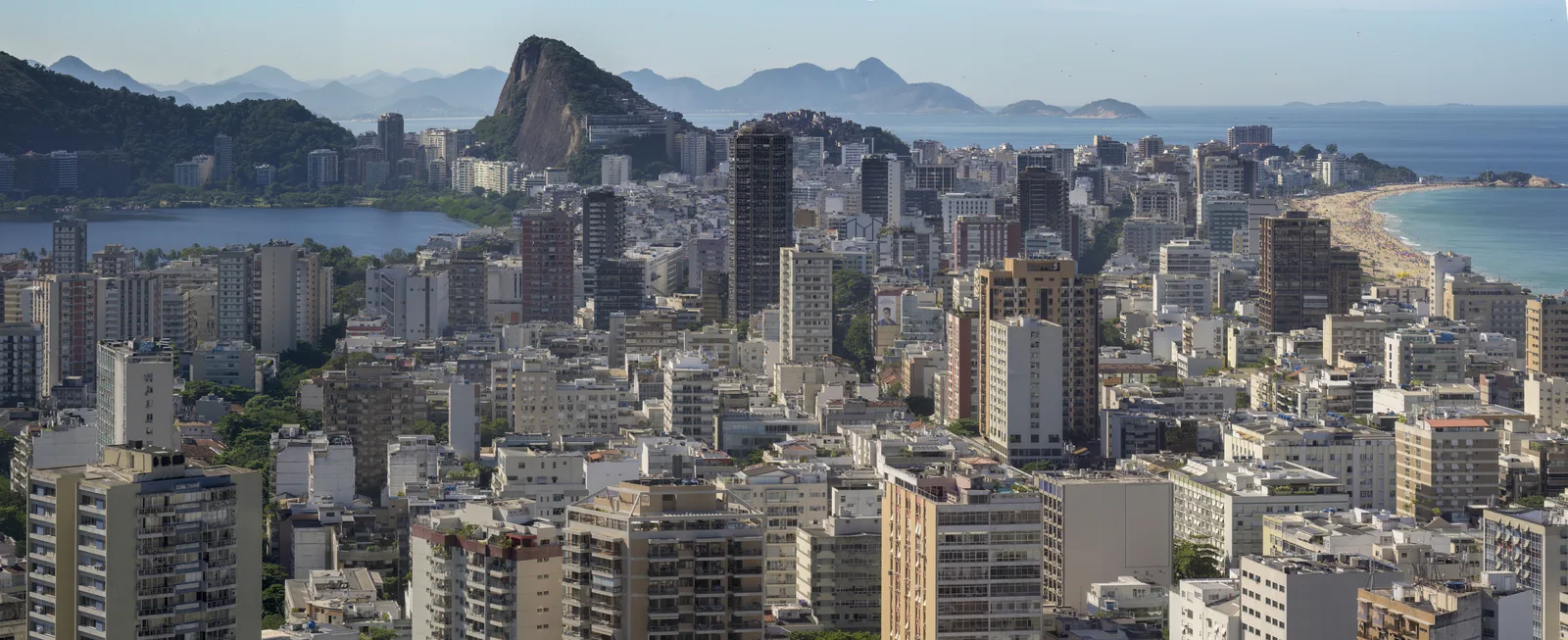
Rio de Janeiro’s setting does much of the persuading: forested slopes rise behind dense neighbourhoods, beaches stretch beside apartment buildings, and Guanabara Bay opens around steep-sided hills. The useful question is how to spend time within that landscape. A few carefully chosen outings, with room for weather and ordinary street life, make a better visit than a race between viewpoints.
Allow four full days for a first introduction if possible. That gives you some flexibility for Corcovado and Sugarloaf without sacrificing the centre, a museum or a relaxed beach afternoon. Rio also deserves consideration as a longer-term home, but a holiday routine reveals little about the commute, housing contract and administrative work involved. Use Riotur’s official visitor information alongside VisaWand’s Brazil country guide to plan the wider journey.
Understand the city, state and former capital
Rio is the capital of Rio de Janeiro state, in southeastern Brazil; Brasília is today’s national capital. The municipal history account dates the Portuguese foundation to 1 March 1565 and explains the city’s long period as capital, ending in 1960. Indigenous histories precede that colonial foundation, while slavery and African-Brazilian culture are essential to understanding the city that followed.
UNESCO’s Carioca cultural landscape inscription recognises the interaction between mountain, sea and human intervention. It does not mean every street or the entire state has the same heritage designation. For a visitor, the geography has a practical consequence: places that look close on a map may be separated by a hill, tunnel or complicated connection. Build days around adjoining areas rather than straight-line distances.
Choose the neighbourhood before the hotel
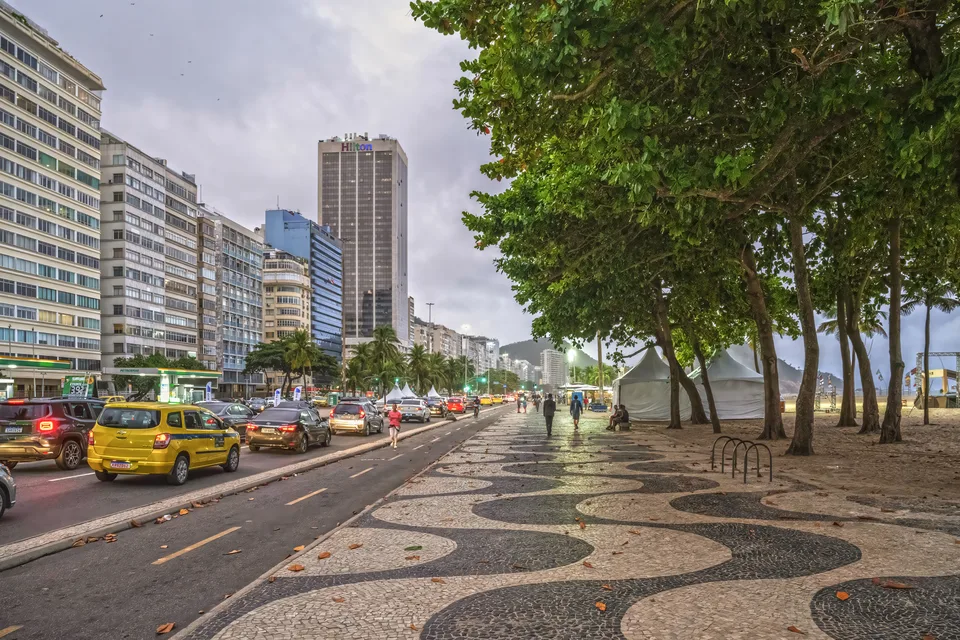
Copacabana and Ipanema are useful starting points for a first visit combining beach walks, restaurants and Metro access. Compare the actual station entrance and your hotel’s street, rather than selecting an entire district as if every address were equivalent. A sea view can be attractive; a quieter room and a short station walk may prove more valuable.
Botafogo can suit a trip with varied urban outings, including access towards Urca. Flamengo and Catete offer alternatives for visitors who expect to spend time in the centre as well as the South Zone. Santa Teresa has a different, hillside character; check gradients, luggage access and the evening return before booking.
Barra da Tijuca deserves consideration when an event, workplace or preferred beach is there. It is not interchangeable with a South Zone base. Check the final journey beyond Jardim Oceânico station and compare the total travel time against the room saving.
Check what the accommodation price includes
Request a final quote for the actual dates, including taxes, breakfast and cancellation conditions. Carnival, New Year and major events require especially careful comparisons. For an apartment, establish check-in arrangements, the precise unit offered, building guest rules and who responds when access fails.
Check cooling, window noise and lift access. Travellers with mobility requirements should ask about the entrance and bathroom, not rely only on an accessibility symbol. Early arrivals should obtain a clear luggage-storage answer. When choosing between two properties, compare the journeys you will actually make; an inexpensive room is less compelling if it adds repeated car fares.
Enjoy the beach without assuming it is swimmable
The official beach overview helps distinguish Copacabana and Leme, Ipanema and the more distant Barra coastline. A promenade walk can be worthwhile even when swimming is unsuitable. Choose an area near your base, settle the cost of any hired chair or umbrella beforehand, and take only what you need.
Check INEA’s bathing-water bulletins for the relevant stretch and date. Water quality and sea conditions are separate questions: an acceptable bulletin does not remove waves, currents or a lifeguard warning. Follow local safety instructions, and keep valuables attended when someone enters the water. Treat the beachfront as part of a large working city, with the same care over phones and bags that you would use on busy streets.
The bulletin website can be slow or unavailable. If you cannot check current results, do not infer water quality from the beach’s appearance.
Book Corcovado through the actual train operator
The Corcovado Train’s current information lists the standard adult fare at R$134, including return train transport and entry to Christ the Redeemer. The child fare for ages seven to eleven is R$107. Several other reduced categories have nationality or documentation conditions; do not assume a foreign student or senior automatically qualifies.
The departure station is Rua Cosme Velho, 513. Book the date and time, and arrive for check-in at least 40 minutes before departure. The published regular operating window is 08:00–18:00, subject to technical and weather conditions. There is no luggage storage.
The purchase policy requires the voucher, identification and the card used for payment at ticket collection; third-party collection has additional requirements. Read those conditions before paying for someone else. Choose a clear-weather opportunity if available, but accept that visibility can change after the booking.
Corcovado’s temporary access restrictions matter
The operator’s works notice says the escalators went out of service on 3 August 2026, with completion expected by the end of May 2027. Train and elevator access continue, but the final route from the upper elevator lobby to the viewing platform involves 80 stone steps.
Stair-climbing equipment is offered for visitors with limited mobility, with significant limitations: it cannot operate on wet surfaces or in rain, and motorised wheelchairs cannot be fitted directly. A transfer to a standard chair may be necessary. Contact the operator about your needs and equipment before booking. Do not treat a general accessibility symbol, or the existence of elevators, as confirmation that this particular visit will work for everyone during construction.

Keep Sugarloaf separate from Corcovado
Parque Bondinho Pão de Açúcar is a different attraction, reached from Praia Vermelha in Urca. Its standard ticket covers the cable-car journey via Morro da Urca to Sugarloaf, with advertised prices from R$205. Select your date and eligibility carefully; discounted categories require evidence.
The published park schedule is 08:30–21:00, with last boarding at 19:30. Check the schedule for your visit and leave time to enjoy both stages rather than aiming for the final boarding. Sunset can be appealing, but weather and demand deserve more attention than a promised photographic moment.
Wear normal clothing and footwear: beachwear, bare feet and going shirtless are prohibited. Large luggage and certain equipment are restricted. The park has no parking of its own. Compare a bus connection from Botafogo with a direct car journey, especially for the return. Avoid booking both major viewpoints tightly together on one day.
Give the centre a daylight outing
The centre adds civic architecture, commercial streets and cultural institutions to a trip otherwise dominated by the coast. Pick a short route around places you want to understand, with a planned indoor stop and lunch. A knowledgeable guide can connect buildings to the city’s former political role.
Street activity varies by block, day and hour. Ask your accommodation for current advice, keep valuables discreet and avoid repeatedly stopping at the kerb with a phone. If a connecting stretch is unsuitable, use transport. A good central-city outing is about the experience and context, not proving that every landmark can be joined on foot.
Visit the Museum of Tomorrow and the port area
At Praça Mauá, the Museum of Tomorrow offers an indoor science-focused counterpoint to mountain views. The current visitor page lists R$40 general admission and R$20 reduced admission, with supporting documents required for concessions. Opening is Thursday to Tuesday, 10:00–18:00, with last entry at 17:00; Wednesday is closed.
Book the appropriate date and time rather than relying on older advice about opening days or free entry. The VLT’s Parada dos Museus serves the area. Leave space for the waterfront surroundings, but avoid turning a museum morning into a rushed circuit of every port attraction. Check the exhibition programme and decide which subject interests your group before buying additional tickets elsewhere.
Understand Valongo as a place of memory
The Valongo Wharf Archaeological Site preserves evidence of the landing place for enslaved Africans from 1811 onwards. Inscribed by UNESCO in 2017, it carries historical and spiritual significance far beyond its physical size. It should not be reduced to another scenic stop in the redeveloped port district.
Consider a historically grounded walking tour that explains African-Brazilian heritage and the surrounding communities. Check who leads it, what is included and the route’s walking demands. Keep time for interpretation and reflection. This part of Rio changes the meaning of the city’s music, public spaces and celebrated cultural identity.
See Selarón’s tiles and plan the hillside journey
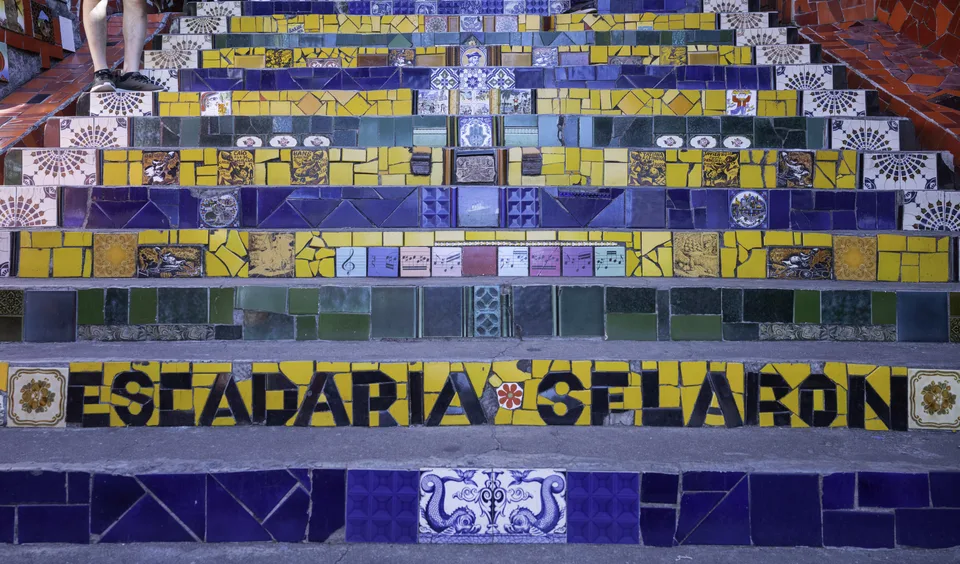
Escadaria Selarón is the tiled staircase created by Chilean artist Jorge Selarón, incorporating tiles from Brazil and elsewhere. Look at the individual details as well as the overall colour. It is an actual staircase, with steps and uneven surfaces; photographs cannot establish suitability for a visitor with restricted mobility.
Combine it with an outing around Lapa or a separately planned Santa Teresa visit. Check the onward climb and transport before treating the two as a continuous easy walk. For an evening involving music, verify the venue’s programme, admission or cover charge, and return arrangements. Do not assume that the atmosphere or route will be identical after dark.
Choose a manageable forest visit
Tijuca National Park’s visitor information distinguishes several sectors. A forest outing is not a single attraction with one universal entrance or walking requirement. Choose a route that matches your fitness, available daylight and transport, and check current access conditions before leaving.
For a first visit, a clearly planned excursion with an appropriate guide can be more useful than following an unfamiliar trail from a phone map. Carry water and suitable footwear, keep to permitted routes and reconsider exposed or slippery paths during rain. Avoid feeding wildlife. Leave enough time for the return journey; forest access and a beach evening need separate planning.
Let food shape an evening
Rio’s meals can be planned around a neighbourhood rather than a famous reservation. The tourism authority’s food-district overview provides a starting point for areas including Botafogo, Lapa and Santa Teresa. Treat it as orientation, then check the individual establishment’s current menu and hours.
Compare a bakery breakfast or simple lunch with a more substantial restaurant evening. Where food is priced by weight, establish the unit and weigh-in process before filling a plate. At bars and music venues, ask about cover and service charges. Explain allergies clearly; a familiar dish name cannot establish every ingredient. Keep receipts for purchases, and confirm return conditions before buying something that needs a warranty.
Arriving at Galeão
Check the airport code: GIG is Galeão, on Ilha do Governador, and SDU is Santos Dumont near the centre. Avoid assuming an airline’s reference to “Rio” means the airport most convenient for your plans. A transfer between airports adds a separate ground journey.
The Galeão transport page lists a direct executive bus to Terminal Gentileza from Terminal 2 arrivals at R$15. Gentileza is an interchange, not your beach hotel: plot the onward VLT, bus or car connection. Confirm the current timetable and payment method before choosing this service, especially for a late arrival.
Compare the complete public-transport journey with an authorised taxi or app-booked car. Confirm the designated pickup, passenger and luggage capacity, waiting arrangements and cancellation terms. Save the accommodation address offline, and leave substantial flexibility when booking a separate onward flight.
Santos Dumont and the VLT
VLT Carioca’s route information lists services from Santos Dumont towards Terminal Gentileza and Central. This can be useful for a central stay or an onward connection. It is not a direct tram ride to Copacabana or Ipanema; compare the complete route with a car journey.
The VLT fare is R$5.00, with published operation daily from 05:00 to 23:00. Obtain the appropriate Jaé card or QR ticket and validate it using the provided equipment. The absence of conventional station gates does not make the journey free. Check the route direction and stop before boarding, and keep your payment available for inspection.
Learn the Metro fare and payment rules
MetrôRio currently charges R$7.90 for a standard journey. Its page explains why an approved R$8.20 figure is not the fare charged under the applicable decree. Contactless Visa, Mastercard and Elo payments are supported, alongside the operator’s listed cards and tickets.
Check integrations separately. A contactless bank-card journey is not automatically equivalent to a registered transport card’s transfer benefit. The R$5 social Metro fare requires qualifying registration and is not a general tourist offer. For daily life, investigate the payment method that fits your actual commute; for a short visit, a simple and understood ticket can be preferable to chasing an inapplicable discount.
Municipal buses no longer accept onboard cash
Under the municipality’s published payment rules, cash is no longer accepted inside municipal buses. Cash can still be used to buy transport credit away from the bus. Arrange a working payment method before heading to a stop; do not depend on handing the driver a banknote.
The city’s payment guidance distinguishes registered Jaé and QR arrangements for integrated fares. Different services and payment methods have different conditions. Confirm the relevant route and transfer before boarding, particularly when combining municipal transport with Metro or intermunicipal services. A single citywide assumption about “the transport card” can produce the wrong fare or an unusable connection.
Build a budget from real choices
At the checked prices, one standard R$134 Corcovado ticket and two R$7.90 Metro journeys total R$149.80 before food and other transport. Sugarloaf’s advertised starting price adds a much larger optional expense than another urban ride. Choose which experiences matter, then add accommodation and meals for your actual dates.
Free beach walks and shorter neighbourhood outings can balance paid attractions. For a family, check ages and concession evidence instead of multiplying the lowest advertised fare. Keep a separate allowance for weather-driven transport changes. Compare room savings with the journeys they create, and ask for the full price of a hired beach item or meal before accepting it.
Keep weather flexibility in the calendar
Rio follows Southern Hemisphere seasons. Embratur highlights spring and autumn as options for visiting, while summer brings beach demand and the need to plan around heat and rain. Do not interpret a seasonal recommendation as a visibility or swimming guarantee.
The city’s account of February rainfall illustrates the variability: February 2026 was exceptionally wet, whereas the previous February had been exceptionally dry. Those observations are not a forecast for your trip. Check Alerta Rio’s current warnings and the mountain attractions’ operating notices shortly before an outing. Heavy rain can affect roads and slopes as well as the beach. Pack sun protection, water, a light rain layer and shoes suited to the day’s walking.
Four days with room for the weather
Day one: settle into your neighbourhood, walk a nearby promenade and have an unhurried meal. Check conditions and confirm your major bookings. If arriving tired, keep the first afternoon simple rather than risking an expensive mountain visit with little energy.
Day two: use a suitable weather window for Corcovado, with time for the station arrival requirements and the current access restrictions. Keep the afternoon flexible. Day three: explore the centre and port area, choosing the Museum of Tomorrow or a guided heritage outing as the anchor. Avoid Wednesday if the museum is essential.
Day four: make Sugarloaf the main commitment and leave time around Urca, or substitute a forest outing if that better suits your interests. Move the mountain days when weather and ticket conditions allow. Four days need not contain both viewpoints, every museum, a long hike and several late nights.
For a move, test the commute first
Take temporary accommodation near the work, study or family destination that will shape your week. Test the journey at the required hour, including the final walk. A South Zone holiday base can be unsuitable for a daily obligation elsewhere, and a Metro address still needs a realistic assessment of the last connection.
At viewings, check cooling, ventilation, noise, daylight and mobile reception. Compare the full monthly obligation: rent, condomínio, any applicable property charges, utilities, internet and transport. Ask about building security procedures and guest access without assuming that a particular neighbourhood label guarantees the same conditions on every street. Walk the everyday errands, including groceries and pharmacy, before committing.
Read the lease and arrange essential services
Agree the inventory, condition record, guarantee, adjustment terms and early termination provisions in writing. Brazil’s tenancy law limits a cash security deposit to three months’ rent, with a statutory savings-deposit arrangement. Other guarantees differ; seek advice on unclear terms before transferring money.
Use Light’s customer-service entry point to check electricity account-transfer requirements, meter readings and responsibility dates. Confirm the water and sewerage arrangements from the actual bill and building administration. Internet availability should be checked for the precise unit. A CPF is a useful tax identifier for administrative processes, but does not grant residence rights.
Use the municipal family-clinic and health-centre information to locate care near the proposed home. Arrange ongoing prescriptions, insurance and language support early. Families should verify school admission requirements and available places before choosing housing around an assumed school placement.
Separate tourism from work, study and residence
Brazilian entry requirements depend on nationality and purpose. The Foreign Ministry’s electronic visitor-visa guidance confirms visa requirements for Australian, Canadian and US passport holders from 10 April 2025, with an advertised e-Visa fee of US$80.90. Use the official ministry-linked application channel and verify the rules for your own passport.
A business visit is not general permission for paid local employment. Visa validity also differs from the permitted stay recorded at entry. For study, employment, family residence or permanent relocation, consult the consulate responsible for your place of residence about the appropriate route and registration requirements.
The digital nomad route concerns qualifying remote work for foreign employers or clients, without Brazilian employment. Published financial evidence includes US$1,500 monthly foreign-source income or US$18,000 in available funds, alongside other documents and insurance. It does not automatically resolve tax obligations or permit a local job. VisaWand’s consultant listings can help you compare professional support for a defined question.
Consider Niterói or another Brazilian base
Across Guanabara Bay, Niterói’s Museum of Contemporary Art offers a different perspective on the region and Oscar Niemeyer’s architecture. Check the museum programme and current transport before planning a separate day. VisaWand’s Niterói location page provides further geographic orientation.
For a trip centred more on metropolitan museums and dining than beaches, compare the completed São Paulo city guide. The Brazil locations directory and Brazil destination page provide other starting points. Choose the place that fits the routine you want, then check the practical connections and permissions that make the visit or move possible.
Official planning resources
Reviewed 15 October 2026. Use the official resources linked throughout this guide for admission, transport, housing and immigration decisions. Prices, services and rules can change; confirm the details relevant to your dates. Photography illustrates the locations and is not a live view.
View all official resources
- Riotur: official Rio visitor information
- UNESCO: Carioca landscapes between mountain and sea
- MultiRio: Rio’s foundation and former capital status
- UNESCO: Valongo Wharf Archaeological Site
- Corcovado Train: fares, hours and visitor requirements
- Corcovado Train: temporary works and accessibility
- Corcovado Train: official ticket purchase policy
- Sugarloaf cable car: standard ticket and access conditions
- Riotur: Rio’s beaches
- INEA: beach bathing-water bulletins
- Riotur: Escadaria Selarón
- Museum of Tomorrow: current hours, tickets and booking
- MetrôRio: fares, cards and integrations
- VLT Carioca: R$5 fare and validation rules
- VLT Carioca: routes serving Santos Dumont and Gentileza
- RIOgaleão: airport bus and express transfer options
- Rio municipality: municipal transport payment and transfer changes
- Rio Transport Department: current payment regulations
- Alerta Rio: heavy-rain and landslide warnings
- Rio Operations Centre: contrasting February rainfall
- Embratur: climate and seasonal trip planning
- Rio Health Department: family clinics and municipal health centres
- Light: official customer-service entry point
- Visit Niterói: Museum of Contemporary Art
- Tijuca National Park: sectors and visit planning
- Riotur: food and evening districts
- Receita Federal: CPF registration
- Brazilian legislation: urban tenancy law
- Brazilian Foreign Ministry: electronic visitor visas
- Brazilian Foreign Ministry: digital nomad eligibility
- Brazilian Foreign Ministry: consulates and embassies
Plan the next part of your journey
Explore the Brazil guide, browse other cities or compare consultants for your travel and relocation questions.