Visa
A working capital with wildlife within reach
Gaborone rewards a visit built around its actual character: government and business, contemporary artists, everyday shopping and accessible outings into the bush. This is Botswana’s capital in the southeast of the country, close to South Africa, rather than the gateway normally associated with the Okavango Delta. Come for a city break with a wildlife excursion, an introduction to the country’s modern history, or a practical reconnaissance before a longer stay.
Two full days give you room for the central sights and a booked nature activity. A third day makes the visit less hurried, especially if you want to meet artists or investigate a possible neighbourhood. Arriving for meetings does not rule out sightseeing, but a spare afternoon should be organised around one area rather than several scattered attractions.
Start with the purpose of the trip. A visitor can choose accommodation near the experiences that interest them; someone considering relocation needs ordinary weekdays, property inspections and realistic journeys to work or school. A comfortable hotel stay will reveal only part of what living here involves. Leave time to look beyond the lobby, the conference venue and the airport road.
Understanding the planned capital and its monuments
The Botswana Tourism Organisation’s regional directory explains how a new capital was developed within the country ahead of independence on 30 September 1966. Construction of the town began in 1964, while the name commemorates Kgosi Gaborone, associated with neighbouring Tlokweng. City status followed in 1986. The earlier settlement around what is now The Village helps put the planned city’s rapid development in perspective.
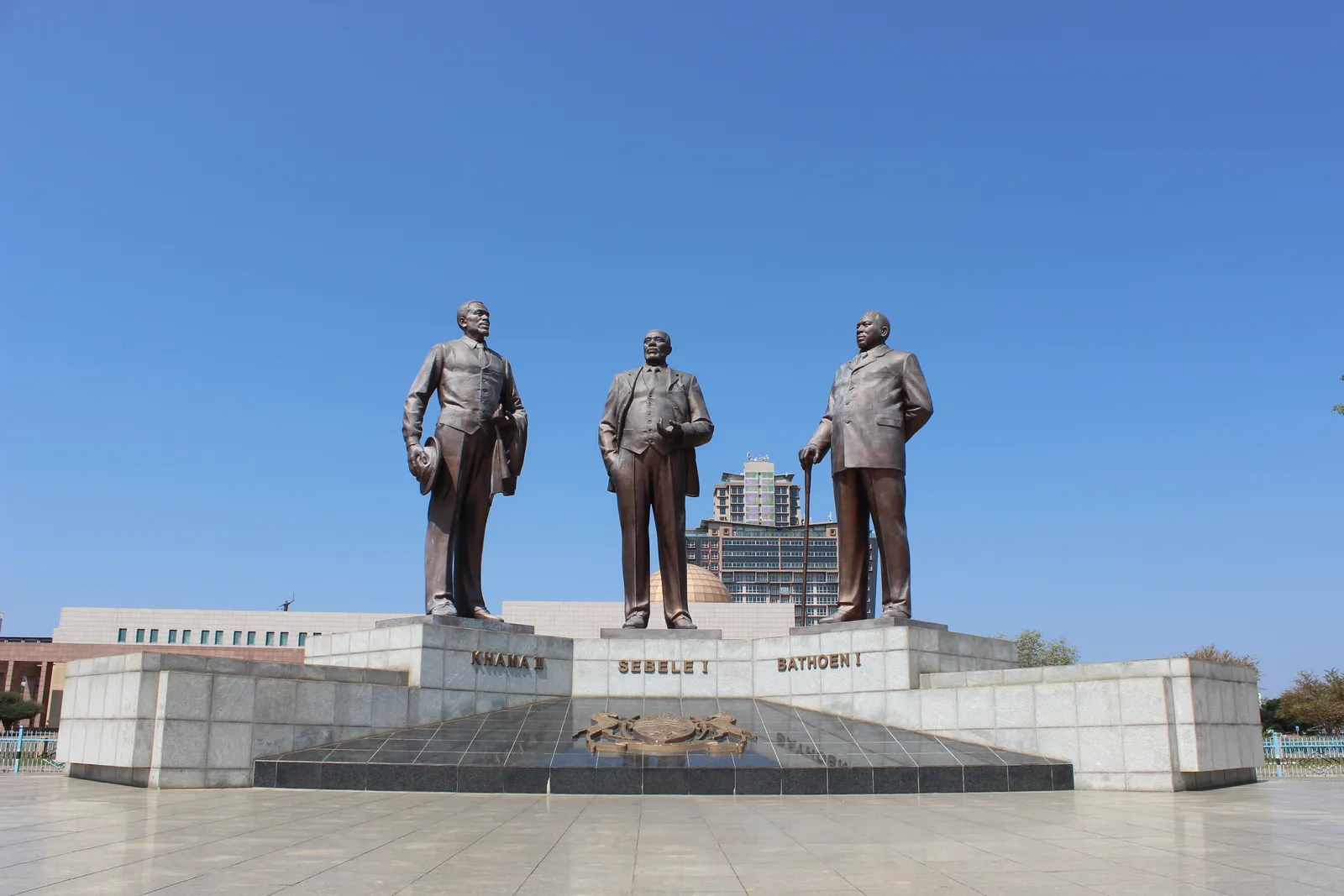
The Three Dikgosi Monument offers a useful introduction to national history. The tourism organisation’s account of the monument identifies the leaders as Khama III, Sebele I and Bathoen I, whose 1895 mission to Britain helped safeguard the territory’s future. Read the explanatory plinths as well as looking at the statues. Their story concerns the politics that preceded independence, rather than three leaders receiving the country’s independence in person.
The contrast between this monument, the newer business district and the older centre is part of Gaborone’s interest. Give yourself time to notice how the city works between landmarks. A historical walk becomes more useful when it connects political decisions with the places where people live, trade and work today.
At monuments and official buildings, distinguish a public viewpoint from permission to enter or photograph restricted areas. Check signs and ask staff if uncertain. A guided introduction can be worthwhile when it explains the historical context, rather than merely transporting you between places whose names you could have read on a map.
Main Mall, art and checking museum access
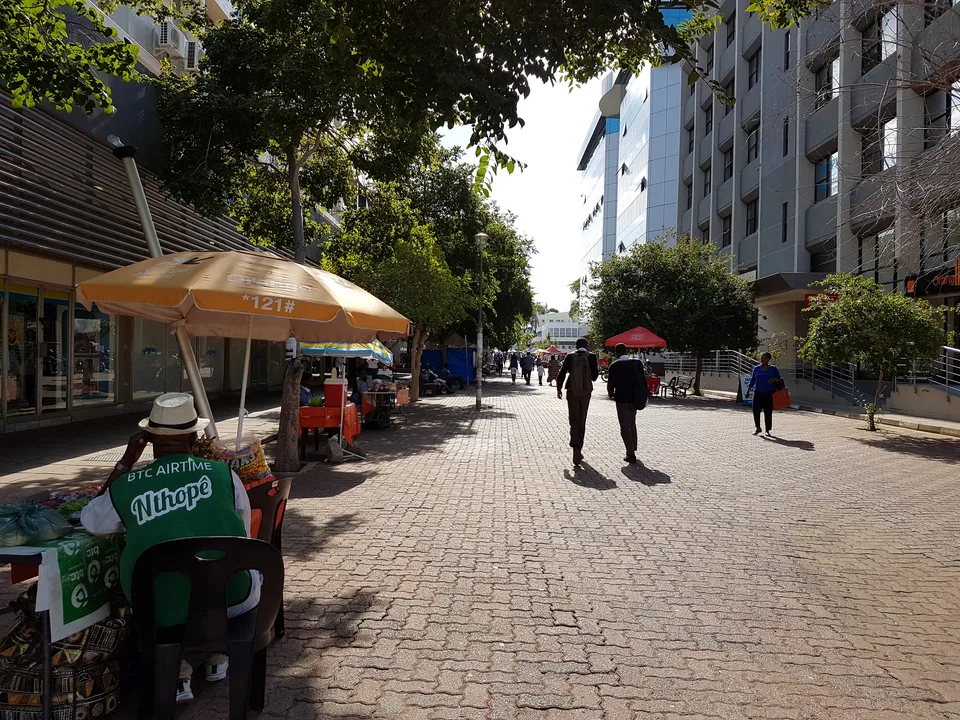
Main Mall makes a useful starting point for a short central walk. Allow time to browse and observe ordinary commerce rather than expecting a succession of large attractions. Ask before photographing people or stalls, keep valuables discreet and make a plan for your next journey before leaving. The walking element can be combined with an art visit, provided you confirm access first.
Thapong Visual Arts Centre’s own profile places it on Maratadiba Road in The Village. It describes a working environment for artists, with studios, exhibitions and workshops. Contact the centre about what visitors can see on your dates. A studio visit requires different expectations from a museum with permanent displays: artists may be working, exhibitions change, and not every space is automatically open to a casual visitor.
Check the National Museum and Art Gallery’s current programme directly before planning around it. A March 2026 parliamentary statement described the completion and opening of permanent exhibitions as scheduled for the second quarter of that year. A completion target alone does not establish which galleries are now accessible. This guide therefore does not promise full museum access or quote unverified opening hours. If the desired gallery is unavailable, Thapong or a craft visit can provide a worthwhile alternative.
Choosing a base rather than just a room
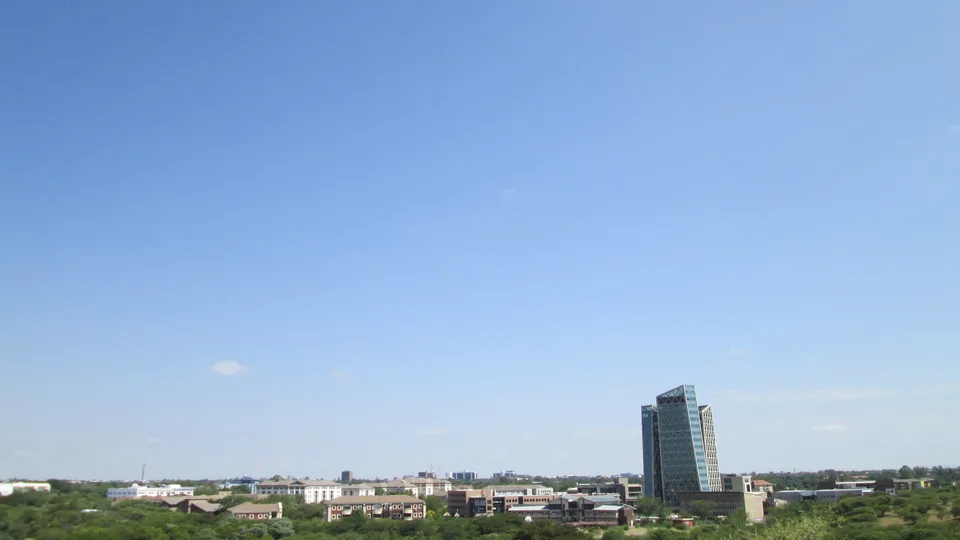
Distinguish the older Main Mall area from the newer central business district when comparing addresses. A property described simply as central may suit one set of appointments better than another. For a concrete reference, Hilton Garden Inn Gaborone’s location page places that hotel at Plot 54366 in the newer CBD. Its location is useful for comparison; it does not establish the best choice or price for every traveller.
A guesthouse can suit a quieter stay, while self-catering accommodation gives families and longer-stay visitors more control over meals and laundry. Check what the quoted rate includes, whether there is a usable kitchen and how late arrival is handled. A breakfast served after your early departure has less practical value than it appears to have in a booking comparison.
People looking farther out should compare the full daily journey, including dinner and shopping. Ask about secure parking, room cooling, noise and the route between the entrance and the room. Travellers needing step-free access should request specific information about lifts, bathroom arrangements and thresholds. Neither a spacious room nor a ground-floor address proves that the complete stay will be accessible.
Flying in and arranging the airport connection
Sir Seretse Khama International Airport serves Gaborone. The Civil Aviation Authority of Botswana’s airport page places it north of the city. The distance to your accommodation depends on the address; Hilton Garden Inn, for example, lists 14 kilometres. Use a flight itinerary and an actual destination when requesting a transfer, rather than assuming one quoted city-centre journey covers every property.
Confirm the pickup point, driver identification, luggage capacity, price and payment method before arrival. Ask what happens if immigration or a delayed flight changes the meeting time. Do not assume a hotel provides a shuttle: the Hilton property’s own page currently lists no airport shuttle service. Any arranged ride should have a clear contact method that works when you land.
If collecting a rental vehicle, leave time to inspect it and understand the insurance, deposit and permitted roads. For onward flights, check the operating airport, baggage allowance and whether tickets form a protected connection. A domestic flight or light-aircraft safari transfer may have different luggage rules from the international flight that brought you to Botswana. Confirm those rules with the actual carrier.
Taxis, combis and journeys across town
Local transport needs a little preparation. The US State Department’s Botswana transport guidance describes shared minibuses known as combis, alongside buses connecting towns and villages. Before using a combi, establish the route, boarding point, fare and where to get off with someone who knows the journey. This is particularly important for a newcomer carrying luggage or travelling to an unfamiliar residential address.
For short visits, prearranged taxis can make scattered appointments easier to manage. The UK government’s safety guidance advises looking for licensed taxis with blue number plates and booking through a recognised company. Agree on the fare basis before setting off and retain the driver or company’s contact details for a return journey. Avoid organising a late-night return only after reaching a distant venue.
For a possible move, test transport at the times you would actually use it. Include the trip to a shop, an evening activity and any school run. A home that works well with a car may be inconvenient without one. Comparing rent alone misses the cost and time of the journeys that make a household function.
When comparing a rental car with taxis, include parking, the insurance excess and who will drive after an evening out. Several appointments in the same district may be easier to arrange together. Keep the address and a contact number available offline, especially when a plot number needs an additional landmark to identify the entrance.
Kgale Hill and the city’s outdoor setting
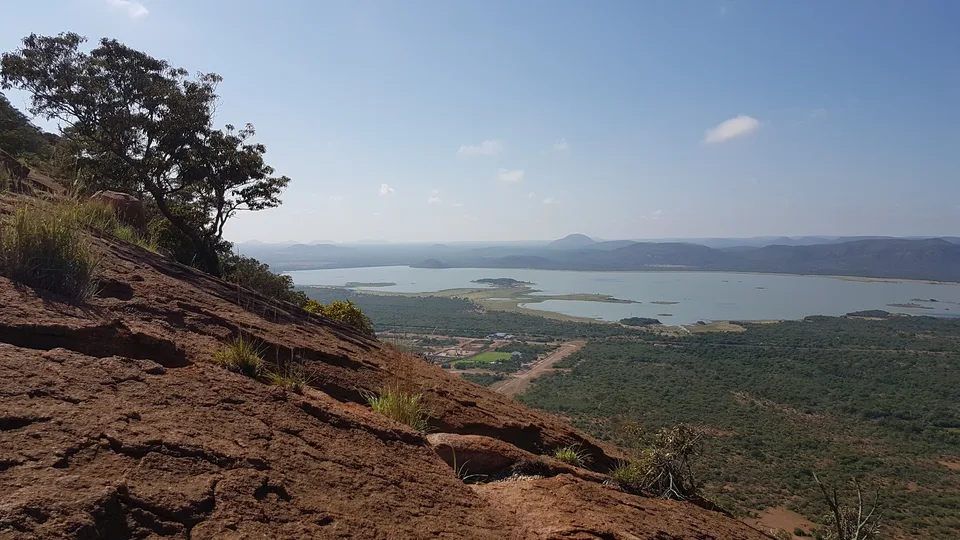
Kgale Hill gives Gaborone an outdoor viewpoint and a different sense of scale from its roads and shopping centres. The tourism organisation identifies it as a hiking destination in its guidance on walking in Botswana. Treat it as an outdoor activity requiring preparation, rather than an automatic extension of an urban stroll. Check the current route and local conditions, and choose a guide or knowledgeable companion if you are unfamiliar with the area.
Start early, carry sufficient water and wear shoes that grip on uneven ground. Decide on a turnaround time before leaving, particularly when the day is warming quickly. The tourism organisation recommends the cooler, drier months for walking; a cloudless photograph should not be mistaken for evidence that conditions will be comfortable on your date.
The dam and surrounding landscape can be appreciated from a suitable viewpoint without entering the water. Official travel advice warns against bathing in rivers and lakes because of wildlife and water-borne disease risks. Check access separately for any organised waterside activity. Families should choose a manageable route and be willing to shorten it; reaching a viewpoint is not worth exhausting the group before the return.
Mokolodi: book the experience you actually want
Mokolodi Nature Reserve is a practical wildlife outing south of Gaborone, but its products need to be distinguished. The reserve’s current activities page lists two-hour game drives at 07:30, 10:30, 14:00 and 16:00. Rhino tracking is a longer, reserved excursion, described as three to five hours, with a minimum age of 12 when accompanied by a guardian. Confirm fitness requirements and availability directly.
The published 2026–2027 tariff sheet prices a standard two-hour game drive at P295 per person for a minimum of four. For a group of one to three, it lists P1,180 total. This is an important difference for solo travellers and couples: multiplying P295 by your own party size may understate the booking cost. Ask whether others can join and confirm what is included before paying.
For the standard two-hour drive, the sheet lists P150 for children aged four to twelve and no charge for under-fours. Check how the minimum booking charge applies to your family combination. A standard shared vehicle, a luxury vehicle and sole-use arrangements have different tariffs; request the exact product name on the confirmation.
Do not assume that arriving at the gate permits any form of self-guided exploration. The reserve describes self-drive, cycling and unguided walking benefits under its annual Friends membership. Its activities page also specifies at least two people for cycling or hiking. Explain your intended visit when booking, and follow staff instructions around wildlife. A city excursion is still a visit to an environment where animals determine the experience.
Food, crafts and practical shopping
Seswaa is a good dish to ask about when looking for local food: slowly cooked meat, commonly beef, prepared into a tender, pounded texture. G Adventures’ recipe and background describes the simple preparation and its serving with pap. Ask what is available that day, what accompaniments come with the meal and whether a portion is suitable for sharing. Dietary requirements deserve a direct conversation rather than assumptions based on a dish’s name.
Botswanacraft’s contact page gives its address as Plot 20716 on Magochanyama Road, off the Western Bypass in Block 3, and lists a separate restaurant contact. Confirm restaurant hours and the current menu before travelling specifically for a meal. When buying crafts, ask about the maker, materials and packing; a clear explanation of an object can be more valuable than a quick discount.
For household supplies, Airport Junction’s store directory provides categories including groceries, hardware, furniture and financial services at its Block 10 location. Its centre-management office hours should not be confused with every shop’s trading hours. Use the relevant tenant’s information to organise errands, especially on weekends or public holidays, and check whether bulky purchases can be delivered to your address.
Paying in pula and budgeting for the whole visit
Botswana’s currency is the pula, abbreviated BWP and often shown as P. The US government’s practical guidance notes that many establishments in major cities accept cards, while cash remains useful, particularly beyond urban centres. Keep more than one payment method available, check your bank’s withdrawal charges and carry modest notes for smaller purchases. A functioning card at one business does not establish acceptance at the next.
Build a budget around your actual accommodation and journeys. Add meals, airport transfers, daily transport and paid activities to the room rate before deciding which base is cheaper. A property with a lower nightly price can cost more overall if you need several extra rides. Written quotations should specify taxes, breakfast, parking, cancellation conditions and any charges for additional guests.
Price excursions separately. Mokolodi’s minimum group charge is a concrete example of why a per-person headline needs context. Include the cost of reaching the reserve and returning, rather than treating the activity price as the whole outing. Keep a reserve for a changed flight or an additional night. For families, compare totals for everyone travelling, not just an attractive single-adult rate.
Seasons and a realistic three-day itinerary
Botswana’s tourism organisation describes a semi-arid climate with summer rain and a dry winter. Summer broadly runs from November to March, while winter from May to August brings cooler conditions and cold nights. These are seasonal patterns, not a precise Gaborone forecast. Pack layers for early starts and sun protection for daytime outings, and adjust outdoor plans to the conditions you encounter.
For day one, combine the Three Dikgosi Monument with a short Main Mall visit and a relaxed meal. Transfer between areas as needed instead of insisting on walking the entire programme. Day two can centre on a reserved Mokolodi activity, with the remainder left flexible for rest or shopping. Check the departure time before arranging transport.
On day three, choose Kgale Hill in suitable conditions or a prearranged art visit, then leave a generous departure margin. Shift visits to confirmed opening days; do not assume the museum or artists’ studios follow the same schedule as a shopping centre. With only one full day, select a history-and-art combination or a nature outing. Trying to fit everything around a same-day flight usually reduces the value of each stop.
Moving to Gaborone and testing a neighbourhood
Use the workplace, campus and household’s essential journeys to frame a housing search. Broadhurst, Phakalane and the numbered extensions appear in local agent rental listings, but their names alone do not establish commuting convenience or suitability. Request the precise plot and access details before arranging viewings. Compare homes of similar size and condition with the same inclusions rather than inferring a market average from a few advertisements.
A reconnaissance stay should include repeat journeys during working hours. Inspect shortlisted properties for cooling, hot water, storage, kitchen equipment, laundry arrangements and the practical security of entrances and parking. Ask about noise, nearby building work and responsibilities for garden or pool maintenance. Families should confirm school places directly before choosing a home around an assumed admission.
Read the lease, deposit terms and inventory before paying. Establish repair responsibilities, notice periods and how the deposit is assessed at the end. Photograph existing damage and record meter readings at handover. A furnished listing should come with an itemised inventory. Temporary accommodation can be a sensible first expense when it prevents a long commitment to a home that has only been seen online.
Utilities, study and healthcare for a longer stay
Botswana Power Corporation’s customer services include move-in, move-out and meter-related services. Establish who holds the electricity account, how purchases or bills are handled and whether any balance relates to a previous occupant. Water Utilities Corporation is the official starting point for water accounts and customer support. Check the meter serving your property and agree in writing how any shared charges are divided.
The University of Botswana’s international-student guidance distinguishes entry requirements from residence formalities. It says the residence permit serves as study permission and describes assistance after admission and registration. Ask the international office about the current process, housing allocation and arrival arrangements. An admission offer does not remove immigration requirements, and a general statement about student accommodation should not replace confirmation of your own room.
For healthcare, current UK government guidance reports continuing medicine and supply shortages across public facilities even though the public-health emergency has ended. Confirm ongoing prescriptions and access to appropriate care before moving. Private treatment can require accessible funds, and serious cases may need evacuation. Choose insurance around those realities and seek route-specific health advice, including for any travel beyond Gaborone.
Entry permission, work and permanent relocation
Visa eligibility depends on nationality and the purpose of travel. Use Botswana’s official eVisa portal to check whether your passport requires an application. For British citizen passport holders, UK government entry guidance describes visa-free visits of up to 90 days and requires six months’ passport validity and three blank pages. That example does not apply automatically to other nationalities. Check the period actually granted on entry and resolve any uncertainty before overstaying.
Families should check birth-certificate and absent-parent consent requirements before travelling. Yellow-fever certification can depend on the route, and current health screening may affect arrivals from outbreak areas. Review transit-country requirements as well as Botswana’s rules. Keep copies of bookings and supporting documents available, while retaining access to the originals where required.
Tourism permission should not be treated as permission to work or volunteer. The Botswana embassy’s permit categories distinguish employment, residence, dependants and other purposes. Its employment-related documentation guidance includes job and qualification evidence. Confirm the applicable work and residence permissions before starting an assignment, including remote work or unpaid activity. Property ownership or a lease is not an automatic route to permanent residence; obtain advice on the category that actually fits your circumstances.
Nearby heritage and deciding where to go next
The tourism directory identifies nearby heritage possibilities including Manyana Rock Paintings, Thamaga pottery, Oodi weaving and Phuthadikobo Museum in Mochudi. Arrange access and local guidance before setting off, rather than assuming a workshop or heritage site operates like a continuously staffed attraction. Choose one coherent excursion and leave time to understand the place, meet people appropriately and travel back without rushing.
Gaborone and northern Botswana serve different travel interests. If the Okavango Delta or Chobe is the main purpose of your journey, plan the appropriate onward transport and accommodation rather than treating either as a casual city day trip. Equally, a northern safari does not tell you much about the practicalities of working or studying in the capital.
Use VisaWand’s Botswana location directory and Botswana destination page for the broader country context. The Windhoek city guide offers a comparison with another southern African capital, with different geography and entry rules. For individual assistance, browse the consultant listings and check credentials, scope and fees before appointing someone. Build the final itinerary around confirmed access, realistic transport and the reasons you chose Gaborone in the first place.
Official planning resources
Reviewed 17 October 2026. Use the official resources linked throughout this guide for admission, transport, housing and immigration decisions. Prices, services and rules can change; confirm the details relevant to your dates. Photography illustrates the locations and is not a live view.
View all official resources
- Botswana Tourism Organisation: accommodation and regional directory
- Botswana Tourism Organisation: Three Dikgosi Monument
- Thapong Visual Arts Centre: profile and contact
- Botswana Parliament: March 2026 museum-development statement
- Hilton Garden Inn Gaborone: location and transport
- Civil Aviation Authority of Botswana: Gaborone airport
- US Department of State: Botswana transport and practical guidance
- UK government: Botswana safety, driving and weather risks
- Mokolodi Nature Reserve: current activities and restrictions
- Mokolodi Nature Reserve: 2026–2027 tariff sheets
- G Adventures: seswaa recipe and background
- Botswanacraft: location and restaurant contact
- Airport Junction Shopping Centre: shops, services and location
- Pam Golding Properties Botswana: residential rentals
- Botswana Power Corporation: customer and move-in services
- Water Utilities Corporation: customer services
- University of Botswana: international student requirements
- UK government: Botswana healthcare and medical-supply guidance
- Botswana immigration: official eVisa portal
- UK government: Botswana entry requirements
- Botswana embassy: work, residence and other permit categories
- Botswana embassy: employment-related permit documentation
Plan the next part of your journey
Explore the Botswana guide, browse other cities or compare consultants for your travel and relocation questions.