Visa
Give Sarajevo more than a passing visit
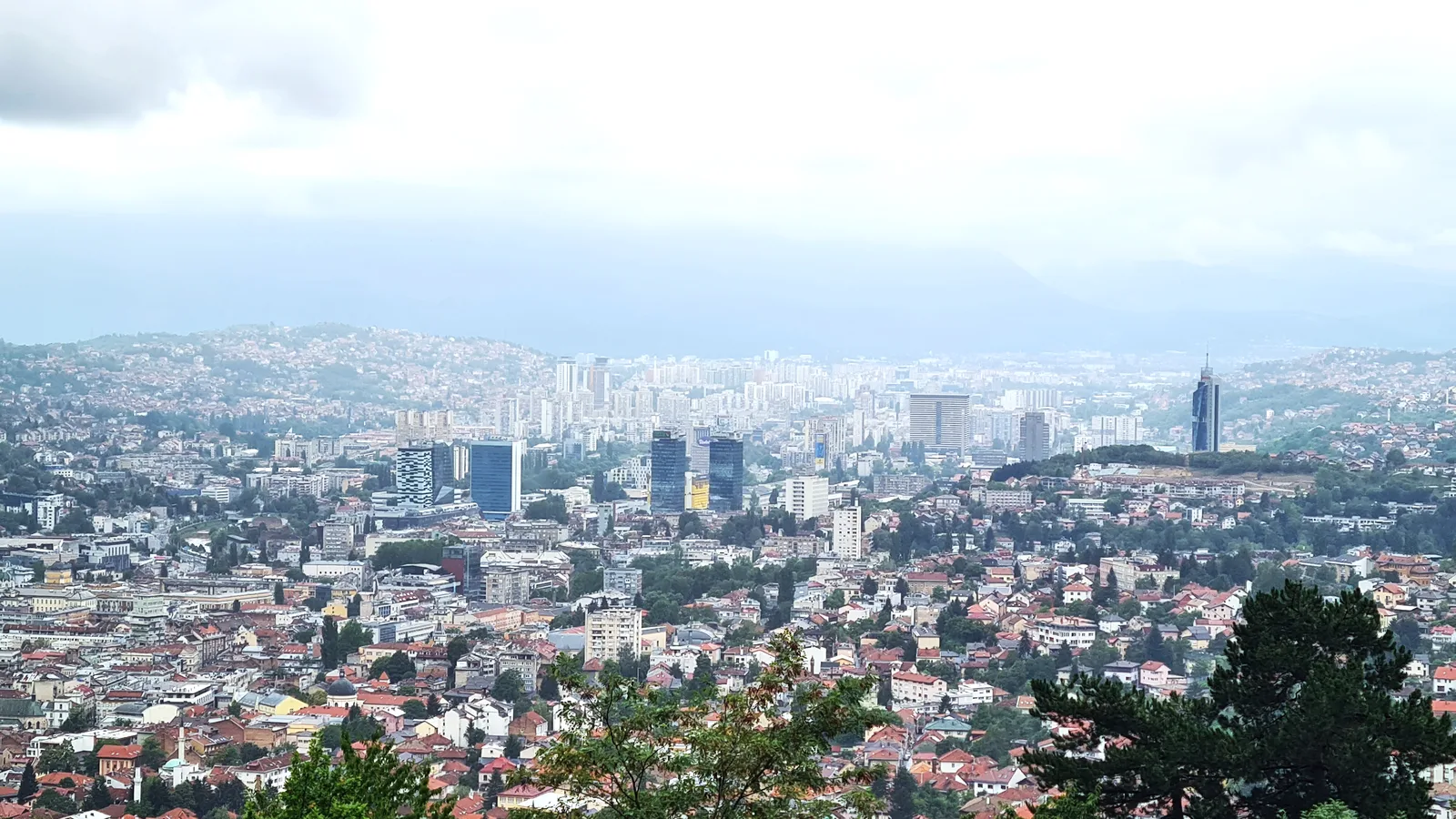
Sarajevo becomes more interesting as you move between its scales: a coffee table in the old bazaar, a bridge across the Miljacka, a museum that changes how you understand the city, then a view of neighbourhoods spreading along the valley. Its appeal is not confined to a single architectural period or historical episode. Allow time for everyday street life as well as the places you have come to see.
For a first visit, three full days offer a useful balance of the centre, museums and Trebević. This guide concerns Sarajevo city; the official tourism association also covers the wider canton, so listings can include places beyond the historic centre. Sarajevo Canton, the city and neighbouring East Sarajevo are different geographical and administrative areas. Check the actual address of accommodation and transport terminals before making a booking.
Read the city’s history in layers
The municipal account of Ottoman Sarajevo describes urban development around the fifteenth-century endowments of Isa-beg Ishaković. Baščaršija grew as a commercial centre, with later foundations adding mosques, educational buildings and places of trade. This does not mean there was no settlement before the familiar founding narrative.
The city’s account of traditional crafts also explains the changes that followed Austro-Hungarian rule from 1878, when industrial goods altered the market for local production. Walk westwards from the bazaar and the streets help make that transition visible. Twentieth-century history adds further layers, including the 1984 Winter Olympics and the 1990s siege. Give each subject room rather than treating the city as a single story of either picturesque coexistence or wartime destruction. Museums and local institutions provide context that a quick photo stop cannot.
Choose a base that matches your days
Baščaršija and the surrounding old centre suit a first visit built around walking, food and cultural sites. A room near the river can work differently from one a short distance uphill. Ask about steps, road access, evening noise and the route from the nearest practical drop off, especially if carrying luggage or travelling with limited mobility.
Marijin Dvor is useful when museums, shopping and the broader central corridor matter more than waking beside the bazaar. Ilidža, further west, offers another kind of base but requires a different daily transport plan for old-town sightseeing. The tourism association’s accommodation listings include properties across this wider area. Compare map locations and the actual commute before comparing prices. An attractive room can be the wrong choice if every planned outing begins with a journey you had not budgeted for.
Start with Baščaršija and the Miljacka
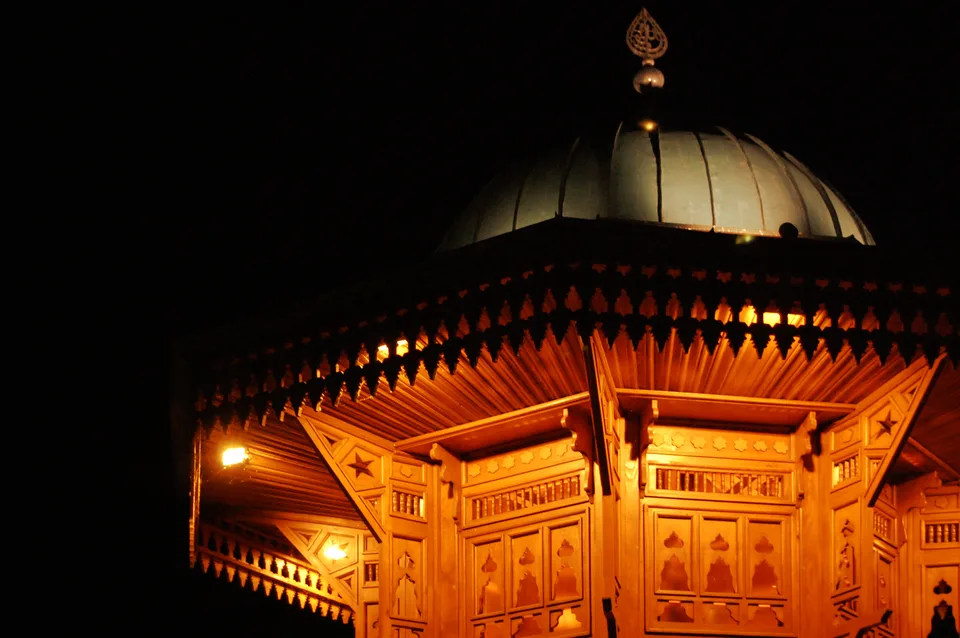
Use the Sebilj fountain as an orientation point, then explore the lanes without trying to turn every shop into a stop. The official attraction overview introduces the bazaar and surrounding landmarks. Look at the relationships between workshops, courtyards, places of worship and streets used for ordinary errands as well as tourism.
Continue towards the river and its bridges, leaving time to return along a different street. A first walk helps you judge distances before allocating the rest of your stay. In craft shops, ask where an item was made and what work was done by hand. For fragile or bulky purchases, establish packaging and delivery arrangements before paying. The value of a walk through the bazaar lies partly in having the time to look closely, rather than feeling obliged to leave with a bag of souvenirs.
Near the Latin Bridge, the Sarajevo 1878–1918 Museum occupies the former shop building beside the site where Archduke Franz Ferdinand and Sophie were assassinated on 28 June 1914. Its wider historical focus offers a better starting point than treating the corner as a photograph of an event that can be explained in one sentence.
Visit religious buildings on their own terms
Sarajevo’s mosques, churches and Jewish heritage deserve attention as living institutions and historical places. Check access individually, dress respectfully and follow the instructions at each entrance. A courtyard being open does not establish that the interior is available for a tourist visit.
The Gazi Husrev-beg Mosque’s visitor information sets out separate seasonal visiting windows and different arrangements during Ramadan. Confirm the relevant window with its information office before organising your day around an interior visit. Allow worship to take precedence over sightseeing, ask before photographing people and avoid treating a service as a performance for visitors. If your interest is the city’s religious history, a knowledgeable guide can help connect the buildings and communities while explaining what can responsibly be visited during your dates.
Make City Hall an interior visit
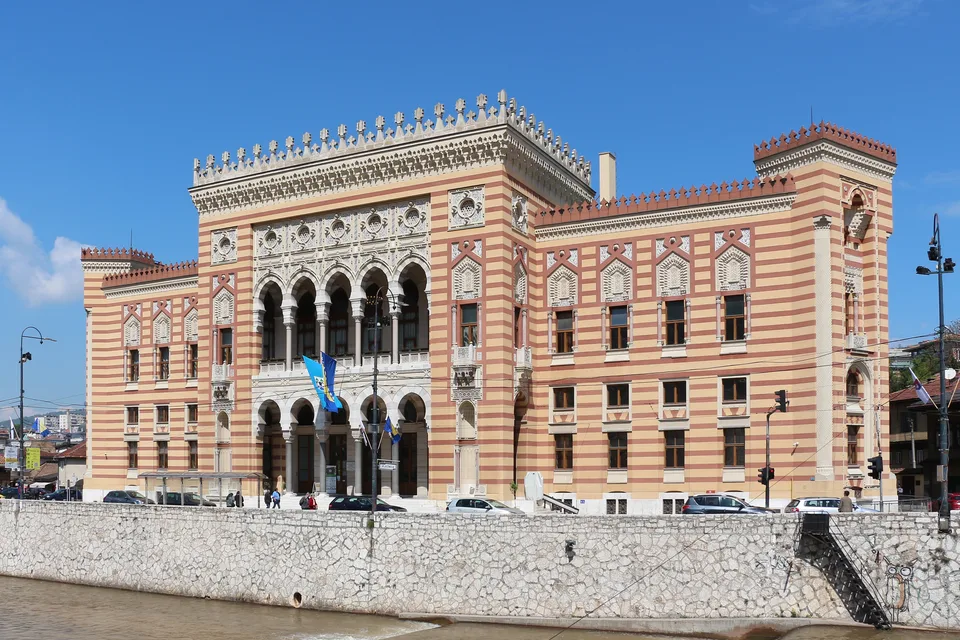
The official City Hall website describes a building opened in 1896, later used by the National and University Library, damaged by fire in August 1992 and reopened after reconstruction in 2014. That history makes the restored interior more than a decorative backdrop. Look for the exhibitions and information that explain its changing civic and cultural roles.
The current published visiting window is 09:00–17:00 daily, except during events. Check access close to your visit, especially if a particular exhibition or room matters. The building continues to have public and ceremonial uses, so general hours are not a guarantee that every space will be available. If combining it with the cable car, compare the current combined ticket with the separate admissions and your actual plans before purchasing.
Give the War Childhood Museum time and space
The War Childhood Museum’s visitor page lists the museum at Logavina 32, with adult admission of 15 KM and regular hours of 11:00–19:00, last entry at 18:30. Its focus on childhood affected by war calls for an unhurried visit. Leave some quiet time afterwards instead of scheduling another demanding museum immediately next door in your diary.
The museum currently posts a disability lift outage despite also describing accessible facilities, so contact staff about practical entry arrangements if you need step-free access. Families can ask about the children’s guides and suitable material. The ticket information explains that a thirty minute booking slot is an arrival window, not a limit on how long you may remain during opening hours. Check exceptional closures before setting out, and announce a larger group in advance.
Check the Haggadah window before visiting the National Museum
The National Museum offers a different introduction to Bosnia and Herzegovina through archaeology, ethnology and natural sciences. Its published admission list gives the general adult ticket as 20 BAM; the lower citizen rate has its own identification requirement. Do not assume a price seen for one category applies to every visitor.
According to the opening and display schedule, regular exhibitions open Tuesday–Friday from 10:00–19:00 and weekends from 10:00–18:00, with Mondays and specified holidays closed. Access to the Sarajevo Haggadah with the ordinary museum ticket is limited to 12:00–13:00 on Tuesdays, Thursdays and the first Saturday of the month. Other guided arrangements require advance organisation and separate conditions. If that manuscript is your principal reason for coming, check its availability first and fit the rest of the museum around the confirmed window.
Plan the Tunnel of Hope as a separate outing
The Sarajevo Memorial Centre’s Tunnel of Hope page identifies the visitor site on the Butmir side of the airport. Its exhibitions explain the tunnel’s role during the siege; the visit includes preserved and rehabilitated sections, rather than a walk through the entire former route under the runway. Do not treat it as an underground shortcut or an adventure attraction.
Standard admission is currently 20 KM, and the operator states that it accepts neither payment cards nor foreign currency. Bring local cash. Published hours are 08:30–17:00 from April through October and 09:00–16:00 from November through March, with the last entry thirty minutes before closing. Plan the journey and return separately from sightseeing in the old centre. If arranging a tour, establish what transport, admission and guiding are included before comparing the headline price.
Take the cable car when conditions suit
The Sarajevo Cable Car’s current service information publishes a standard return fare of 30 KM and a one-way fare of 20 KM. A cable car and City Hall combined ticket is listed at 35 KM. Lower resident fares require the appropriate proof and should not be used as a visitor’s assumed budget.
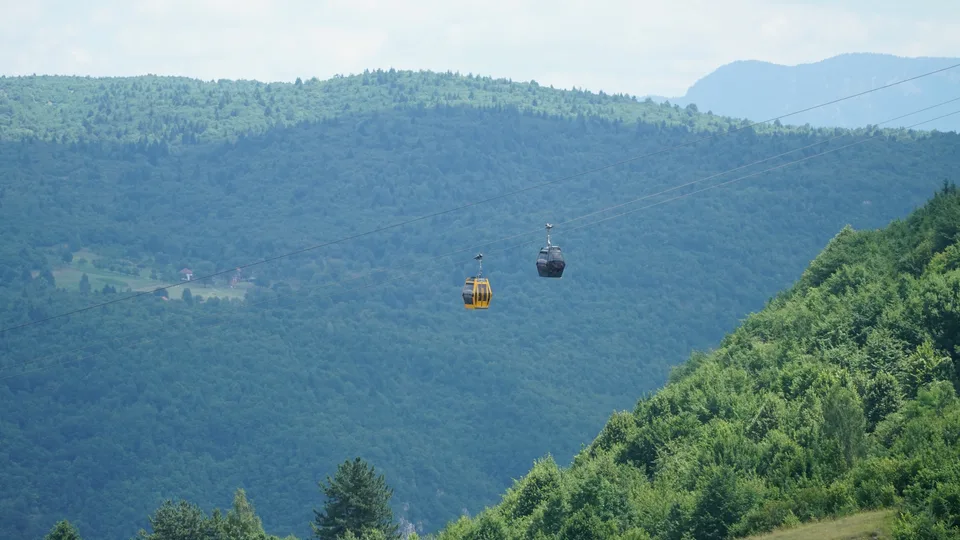
The operator’s current hours start at noon on Monday–Wednesday and 09:00 on other days, ending at 19:00. Recheck those arrangements and any weather or maintenance notice for your date. The ascent is useful for understanding Sarajevo’s valley setting, but a one-way ticket needs an actual onward plan. For a straightforward first outing, return by cable car and leave mountain walking as an additional activity chosen for your ability, the conditions and available daylight.
Keep mountain plans on established routes
The hills provide a different day from the museums and bazaar, but the change in terrain should alter your preparation. Bring layers, water and footwear for the route you intend to use. A clear view from town does not establish conditions further up, and a late ascent leaves less time before the return service ends.
Read the current official travel safety advice before exploring beyond maintained visitor areas. Landmines and unexploded ordnance remain a risk in some less populated places and around abandoned structures. Stay on established roads and routes and use an experienced guide for unfamiliar countryside rather than improvising shortcuts or entering ruins. Treat old Olympic infrastructure as a place requiring sensible access decisions, not an invitation to wander anywhere that appears in a photograph.
Eat beyond a single plate of ćevapi
The tourism association’s food and city planning article highlights ćevapi, pies and the traditional cooked dishes served in aščinicas. Look for options such as klepe, sogan dolma or bosanski lonac when you want a change from grilled food. Ask what is available that day and how portions are priced rather than assuming every establishment has an identical menu.
Leave room for Bosnian coffee and something sweet. The official visitor brochure introduces desserts including baklava and tufahija, the latter made with walnut-stuffed apples. If you have allergies or dietary restrictions, confirm ingredients directly, including stock, dairy and nuts. A vegetable filling does not explain every ingredient in a dish. Balance a longer meal with a simpler lunch when your day includes timed museum access or a trip out of the centre.
Budget in convertible marks
Prices are commonly written in KM; BAM is the currency code for the convertible mark. The Central Bank’s currency explanation gives the official euro relationship as 1 EUR to 1.955830 KM. That does not mean every business accepts euro cash or that your card provider charges no conversion fee.
Keep local cash for places that require it, including the Tunnel of Hope, and check how an accommodation quote handles taxes and other compulsory charges. Build the budget from actual choices: room, meals, airport transfer, local transport and admissions. For example, two general adult National Museum tickets and two standard return cable car tickets total 100 KM before food or transport. Decide which interiors genuinely interest you and leave an allowance for a taxi or changed connection instead of assuming every day will follow the cheapest possible plan.
Use the airport’s current bus information
Sarajevo Airport’s bus information page links its timetable for the city connection. Check the stop nearest your accommodation and the service for the correct day; weekday and weekend arrangements should not be treated as interchangeable. Avoid building an arrival plan from an old tourism leaflet or a route number quoted without a date.
The airport’s service announcement for the Bentbaša connection lists a 5 KM one-way fare and one piece of luggage up to 23 kilograms included, with additional baggage charges specified. Reconfirm the current conditions when travelling. If a taxi suits the arrival better, establish the fare basis and luggage charges before setting off. Leave a margin for road traffic on departure, and keep the airline’s check-in deadline separate from the time you expect to reach the terminal.
Combine walking with the appropriate city transport
The old centre is best understood on foot, while longer journeys call for a look at the GRAS operator’s current information. Sarajevo uses trams, trolleybuses, buses and minibuses. Check the route, operator and ticket rules for the actual journey, including whether another vehicle requires a separate ticket. Older visitor pages still quote fares that differ from current operator information.
For accommodation on a hillside, test the walk from the stop as well as the service itself. A bus that gets you nearby may leave a steep final climb. When arriving by intercity coach, retain the precise terminal name, not simply the word Sarajevo. If you need an onward train, use the railway operator’s timetable and service information and confirm disruptions directly. Seasonal services and published timetable entries do not establish that a particular departure is running on your chosen date.
Choose accommodation for comfort as well as atmosphere
A central hotel, a small guesthouse and a self-catering apartment can all work, but they answer different needs. Establish whether breakfast, heating, cooling, cleaning and luggage storage are included. Ask whether an advertised lift serves the actual room and whether there are steps before reaching it. For a longer visit, inspect the kitchen and laundry arrangements rather than relying on the word apartment.
Compare cancellation terms with your transport bookings and request the complete price for the intended dates. A cheaper room far from the places you plan to visit can absorb the saving in journeys. Conversely, an address outside the old centre may suit someone whose workplace or course is elsewhere. Save check-in instructions offline, and establish how late arrival works before leaving the airport or station.
Pick the season around your priorities
Use the Federal Hydrometeorological Institute’s forecasts shortly before departure and again before a mountain outing. Spring and autumn can suit a walking and museum visit, with layers and wet-weather alternatives. Summer calls for shade breaks and water when exploring the slopes; winter requires attention to cold, slippery surfaces and shorter daylight.
The Sarajevo Film Festival’s official information is the place to confirm event dates and ticket arrangements. Its August 2026 edition has already taken place, so do not assume those dates apply to the following year. If film is your main purpose, organise the stay around the announced programme. For a possible move, visit outside the season that first appealed to you and investigate winter air quality, heating and your actual commute as part of the housing decision.
A realistic three day first visit
Spend the first morning in Baščaršija, with a religious interior only if visiting arrangements fit. Continue along the river and make City Hall the main paid cultural stop. Leave the late afternoon for a coffee and another walk rather than filling every hour with admissions.
On the second day, choose the National Museum or the War Childhood Museum as your principal visit. If the Haggadah is essential, arrange the day around its confirmed display window. Take the cable car on whichever day offers suitable weather and operating hours. Use the third day for the Tunnel of Hope or a wider excursion, allowing for transport. With only two days, remove an outing instead of compressing all three. Leave breaks between emotionally demanding exhibitions and keep a simple indoor alternative available for poor weather.
Test housing against an ordinary working week
For a move, compare the commute, shops and household needs before deciding that a holiday neighbourhood will make a good home. Inspect heating, ventilation, damp, hot water, storage and the internet connection where you would actually work. Ask who deals with faults and which bills are additional to the rent. Record the condition and meter readings when taking possession.
Get the rental period, deposit terms and payment arrangements in writing, and verify the landlord’s authority to let the property. Establish whether the owner will provide documents needed for the relevant residence procedure. The University of Sarajevo’s international academic information points incoming students towards private accommodation resources and local support; those listings are leads to investigate, rather than a guarantee of property quality. Check the location of the actual faculty or workplace before committing to a home.
Arrange health cover, schooling and essential services
Before relocating, establish what health insurance is appropriate for your residence status and who will provide routine care. Ask how continuing prescriptions and specialist appointments would work. Do not assume that a visitor’s insurance policy, university enrolment or a European health card automatically settles every healthcare requirement in Bosnia and Herzegovina.
Keep the municipal emergency numbers available: ambulance 124, police 122 and fire service 123. Families should contact schools about placement, language support and the practical journey from the proposed address. For household services, check internet availability and installation at that building, mobile coverage inside the home and how utilities are transferred or paid. These questions are easier to resolve during a trial stay than after you have committed to a long rental period.
Separate visiting from work, study and settlement
Use the Foreign Ministry’s visa information to check requirements for your nationality and documents. Bosnia and Herzegovina has its own entry rules; it is outside Schengen. The Service for Foreigners’ Affairs FAQ explains the usual eligible visa-free allowance of up to 90 days in any 180, subject to applicable agreements. It also explains registration duties: for a private stay exceeding three days, the relevant registration is due within 48 hours of entry. Confirm who completes it and keep the evidence.
For employment, study or a longer move, consult the official residence categories and application documentation. Visitor permission is not general permission to work, and employment normally involves both the relevant work authorisation and approved residence unless an exception applies. University admission and permanent residence are separate matters. VisaWand’s Bosnia and Herzegovina country page, destination consultant listings and consultant directory can help you organise questions while official authorities determine the procedure.
Leave room for the wider region
Ilidža and Vrelo Bosne offer another perspective on the Sarajevo area, with the latter’s springs and landscaped setting described in the tourism association’s attraction information. Treat the journey as an outing with its own transport and walking requirements rather than adding it casually to a day already full of museums.
For a separate stay, compare the Mostar city page and investigate the connections available for your dates. Check railway status and return options before treating a regional journey as an easy day trip. For cross-border travel, allow time for border formalities and verify the next country’s entry requirements too. Sarajevo works well as a place to pause between journeys; give its own neighbourhoods enough time before making the entire visit a departure point for somewhere else.
Official planning resources
Reviewed 17 October 2026. Use the official resources linked throughout this guide for admission, transport, housing and immigration decisions. Prices, services and rules can change; confirm the details relevant to your dates. Photography illustrates the locations and is not a live view.
View all official resources
- Visit Sarajevo official tourism association
- Sarajevo Ottoman history
- History of Sarajevo crafts
- Official Sarajevo accommodation listings
- Sarajevo principal attractions
- Sarajevo 1878–1918 Museum
- Gazi Husrev-beg Mosque visits
- Sarajevo City Hall visitor information
- War Childhood Museum visitor information
- War Childhood Museum ticket rules
- National Museum admission
- National Museum opening and Haggadah access
- Tunnel of Hope official memorial centre
- Sarajevo Cable Car service information
- FCDO practical safety guidance
- Sarajevo food and neighbourhood planning
- Sarajevo official visitor brochure
- Central Bank currency explanation
- Sarajevo Airport bus timetable
- Airport bus service and baggage
- GRAS public transport
- ŽFBH railway timetable
- Federal Hydrometeorological Institute
- Sarajevo Film Festival information
- University of Sarajevo international academic information
- Sarajevo emergency numbers
- Bosnia and Herzegovina visa information
- Residence and work FAQ
- Temporary and permanent residence categories
- Residence application documentation
Plan the next part of your journey
Explore the Bosnia and Herzegovina guide, browse other cities or compare consultants for your travel and relocation questions.