Visa
Cairns rewards a trip planned around water and weather
Cairns is a working tropical city with an unusually large outdoor playground beyond its streets. Reef boats, rainforest excursions and airport transfers shape many visitors’ days, while the Esplanade provides somewhere to slow down between departures. The appeal is the combination: you can spend a day offshore and return to a city with ordinary shops, accommodation choices and dinner within walking distance.
The first decision is whether you want that convenient excursion base or a quieter holiday beside a northern beach. They produce different trips. A waterfront address in central Cairns should not be mistaken for a promise of unrestricted ocean swimming. Plan swimming around managed facilities and current local advice, then choose accommodation around the journeys you actually intend to make.
Use VisaWand’s Australia country guide for wider planning and its Australia city and settlement directory to compare locations. This guide focuses on Cairns itself, with regional excursions clearly identified.
Understand the city and its much wider region
Cairns sits on Queensland’s tropical northeast coast. Council’s geographical overview describes a coastal region between the Great Dividing Range and Coral Sea, with rainforest to the west and north and the Great Barrier Reef Marine Park to the east. Cairns city is the principal regional centre; the Council area covers 1,687 square kilometres and includes places far beyond the urban streets.
That distinction matters when reading accommodation listings or statistics. A property marketed within the Cairns region may require a substantial transfer from the city. This guide does not present the directory’s older population record as a current census figure. Check the actual street address, departure point and travel arrangements before deciding that two listings describe equivalent bases.
For a short first visit, three or four full days is a useful planning allowance. It provides room for one major offshore excursion, a rainforest day and time in town, without claiming that every regional highlight fits comfortably into one stay.
Begin with Country, then the port town
Gimuy is the traditional place name for the area occupied by Cairns city. Council’s First Peoples history and language resource identifies the Gimuy Walubara Yidinji as Traditional Custodians of Cairns and its surrounding district and describes Yirrganydji connections along the coast towards Port Douglas. The wider region includes several peoples and distinct Countries. Esplanade interpretive panels offer an accessible starting point for learning more.
The colonial settlement was established in 1876 and named after Governor Sir William Wellington Cairns. Council’s history of the developing town connects its growth with goldfields, agriculture, port activity and railway construction. The Cairns–Kuranda railway opened in 1891; city status followed in 1923. Those dates describe the colonial town, not the beginning of human history here.
For visitors, that background makes a museum visit worthwhile before treating the region solely as scenery. Look for interpretation that names the people, industries and changes behind the landscape you are travelling through.
Choose a base by the journeys outside your door
Central Cairns is the practical starting point when walking to meals and reaching reef departures matters most. Before booking, map the route from the hotel entrance to your operator’s check-in point. A description such as “near the marina” is less useful than knowing whether your family can manage that walk with bags in humid weather.
Council’s inner-suburb overview describes Cairns North, Parramatta Park and Bungalow as city-fringe areas, while Edge Hill has cafés and the Tanks Arts Centre and Whitfield offers leafy residential streets. These are useful alternatives to investigate for longer stays. Inspect the specific street rather than assuming an entire suburb has the same noise, shade or transport access.
Farther north, the beach communities provide a different rhythm. Council places Trinity Beach about 21 kilometres and Palm Cove about 27 kilometres from the city. Palm Cove has resorts, boutiques and cafés; Trinity Beach has foreshore dining. Choose them for time there, while allowing separately for city-based departures.
Accommodation: compare the whole stay
For a brief excursion-heavy visit, start with central hotels, hostels and apartments. For several nights with children or a longer scouting trip, compare kitchen access, laundry, room separation and food storage as carefully as the pool photographs. Self-catering is only useful if the equipment and nearby shopping suit what you will actually cook.
Ask whether air conditioning serves every sleeping room, whether parking costs extra, and how late arrivals collect keys. Confirm the cancellation terms for each component of a package: a cancelled boat excursion does not automatically mean that accommodation is refundable. A flexible room can be worth more than a small headline saving when your main activity depends on conditions offshore.
For accessibility needs, request details about the route from drop-off to reception, bathroom layout, lift access and emergency arrangements. “Accessible room available” does not explain all those journeys. Keep written confirmations, especially where a transfer, mobility aid or connecting room is essential to the booking.
Make the Esplanade a useful first stop
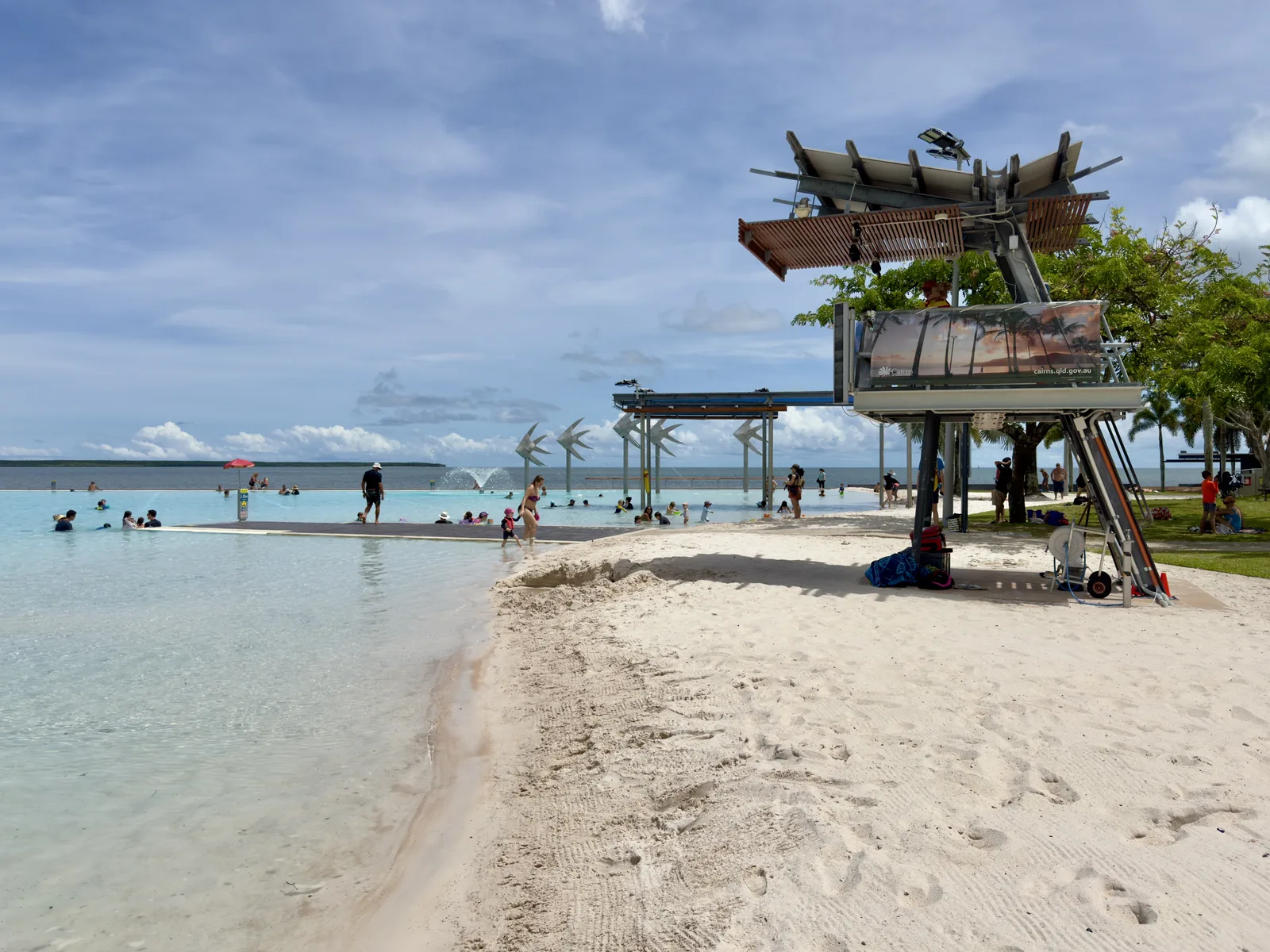
The lagoon is a managed swimming facility, rather than permission to swim anywhere along the coast. Council confirmed its reopening in August 2026 after maintenance. Published opening hours are 6am–9pm Thursday to Tuesday and noon–9pm Wednesday, with public-holiday hours from 6am. Lifeguards operate during opening hours; toilets, showers and changing facilities are available. Recheck notices before setting out.
An arrival-day visit works well because it does not require committing the whole day to a tour. Walk first, identify where you will eat and establish tomorrow’s departure arrangements. If you are tired after flying, keep the afternoon uncomplicated rather than adding a long drive merely because daylight remains.
Build time for ordinary tasks here: collecting supplies, checking messages from an operator and letting children rest. A city used mainly as a departure point becomes much easier to enjoy when the first evening is not consumed by rushed arrangements.
Buy a reef experience, not just a boat ticket
Reef products differ substantially. Ask which site or island the boat visits, how long you spend there, what happens if you do not snorkel, and which activities cost extra. A cheaper island ferry and an outer-reef platform day are different purchases; comparing the advertised ticket prices alone gives a misleading impression of value.
As one verified example, Great Adventures’ Outer Great Barrier Reef Adventure visits a Moore Reef platform. Its listed inclusions cover return boat travel, snorkelling equipment, an underwater observatory, a semi-submersible tour and buffet lunch, with up to three hours at the platform. Guided snorkelling, diving and helicopter activities are optional extras. The published schedule departs Cairns at 10.30am and returns at 5.30pm, with boarding beginning earlier.
Before paying, discuss swimming confidence, medical concerns, assistance needs and seasickness with the operator. Do not infer suitability from attractive photographs or a general accessibility label. Keep the booking confirmation available offline so you can check the meeting instructions without relying on reception at the wharf.
Put surcharges into the reef budget
Great Adventures’ published fares for April 2026 to March 2027 list the outer-reef trip at A$312 per adult, plus an A$10 adult fuel surcharge: A$322 before optional transfers, extras or applicable payment charges. The A$8.50 Environmental Management Charge is already included in the listed fare and should not be added again. An optional Cairns coach transfer is listed at A$36 per adult.
By contrast, the same operator’s Green Island ferry fare starts at A$112 per adult. That does not buy the outer-reef platform programme. These are examples checked for this guide, not universal prices across operators, and fares can change.
Reserve the largest activity costs first, then calculate what remains for accommodation and meals. Compare the final checkout total for the same party and date. Ask about cancellation, weather changes and missed departures before paying, especially if a flight leaves little flexibility to reschedule.
Kuranda needs a current operating check
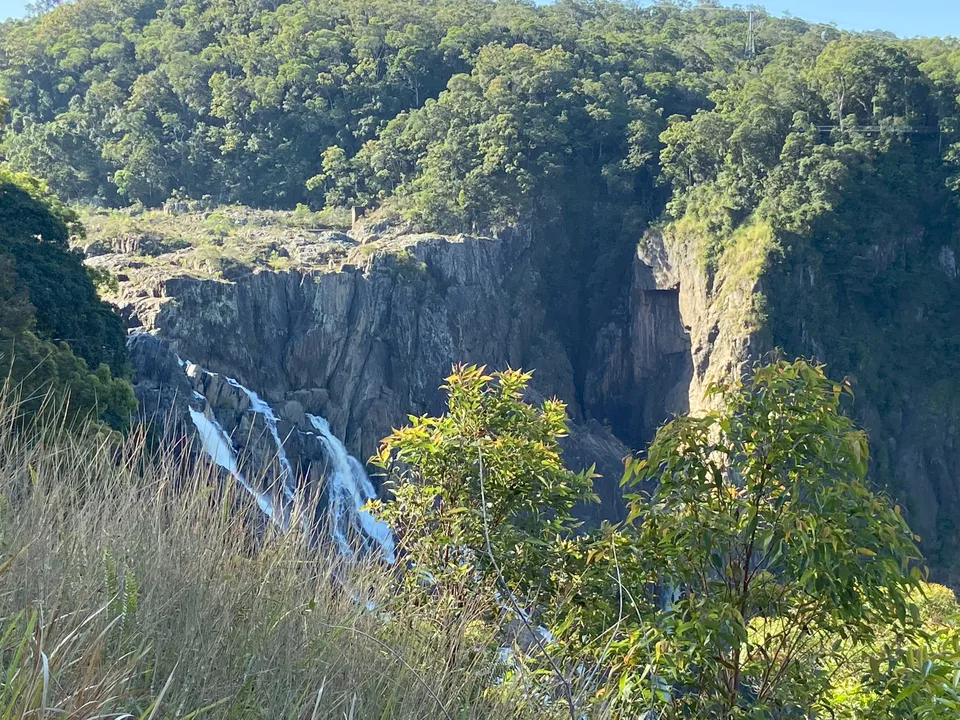
The familiar cableway-and-rail combination should not be booked from an old itinerary without checking its current form. Skyrail’s upgrade programme states that from 19 August through 1 November 2026 it operates a Kuranda–Barron Falls loop, Wednesday to Sunday, with boarding between 10am and 3.30pm. The loop takes approximately an hour, including time at Barron Falls; shuttle services between Smithfield and Kuranda are available.
The operator schedules normal Smithfield–Kuranda operations for November 2026–June 2027, followed by another changed route during its July–November 2027 upgrade stage. Dates and arrangements remain subject to change. Check the closure notices and your exact product before booking.
A sensible excursion begins with the available route, then adds village time and the return connection. Do not assume a generic full-route price applies to the temporary loop. If combining different operators, confirm both bookings and the transfer between them; one ticket’s flexibility may not cover the other.
Gardens and a museum give town time substance
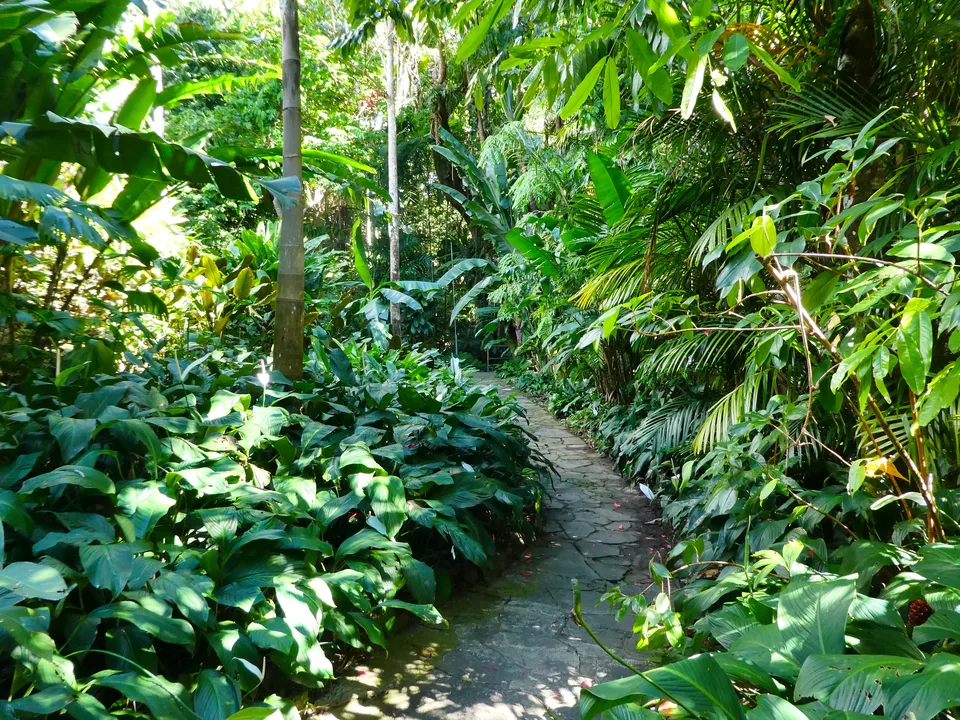
The Cairns Botanic Gardens provide a quieter introduction to the tropical environment at Collins Avenue, Edge Hill. Admission is free. Flecker Gardens and the Watkins Munro Martin Conservatory normally open daily from 7.30am to 5.30pm, weather permitting. Some Flecker paths are unsuitable for wheelchairs or prams, so consult Council’s accessibility map rather than assuming every route is equivalent.
The Cairns Museum offers a contrasting indoor stop, with regional history and collections about the people who shaped the place. Its published hours are Monday–Saturday, 10am–4pm. Admission is A$15 for adults, A$6 for children under 14 and A$30 for the stated family category of two parents or grandparents and two children.
Pair these visits only if you want a fuller town day. Otherwise choose one and leave the afternoon open. A garden walk followed by time to rest can be more satisfying than moving constantly between attractions to complete a list.
Eat and shop around real opening days
Rusty’s Markets is a useful place to explore produce and everyday food shopping, with fruit, vegetables, flowers, breads, seafood and international food stalls among its offerings. The operator’s location and opening information puts it between Grafton and Sheridan streets: Friday and Saturday 5am–4pm, Sunday 5am–3pm. Thursday preparation activity is not a published visitor trading day.
Use the market to buy manageable quantities and ask about unfamiliar produce rather than guessing how to prepare it. If you are self-catering, plan purchases around refrigeration and your next excursion. Buying more than you can store is no saving, particularly before a full day away.
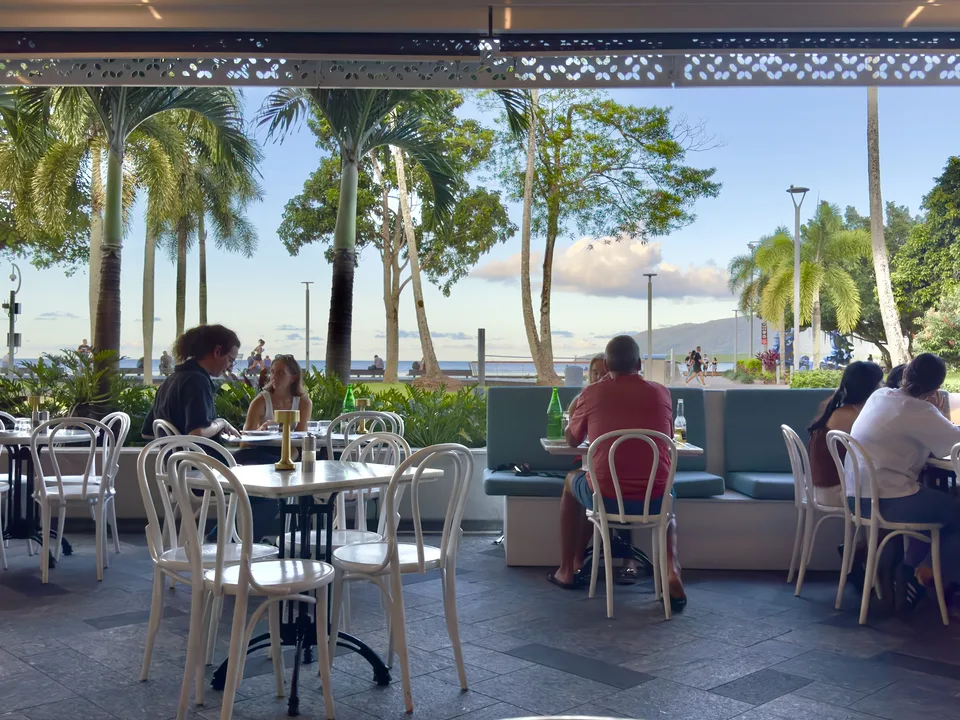
For restaurant meals, compare the displayed menu, portion choices and payment charges before sitting down. This guide does not assign a universal meal price to a changing selection of businesses. Keep grocery purchases, casual meals and waterfront dining as separate budget choices so you can adjust spending without cancelling your main experience.
Arrive with the final transfer arranged
Cairns Airport, code CNS, handles domestic and international arrivals. Tourism Australia’s Cairns overview places it about 5.5 kilometres from the city and identifies taxis, rideshares, car hire and transfer services. That short geographical distance does not establish a fixed fare or guarantee how quickly you will reach a particular address.
The airport’s transport information directs passengers to private shuttle operators for bookings. Obtain a quote for your actual accommodation, party size, luggage and arrival time. Check what happens after a delayed flight and whether the service drops you at the door or a shared stopping point. The local urban-bus fare should not be assumed to cover a private airport shuttle.
If hiring a car, compare the full rental terms, collection hours and accommodation parking before booking. For a stay built around central Cairns and organised excursions, price those transfers first; hiring throughout the visit may solve fewer problems than expected.
Local buses are inexpensive, but check the timetable
Translink’s Cairns ticket information lists paper singles at A$0.50, daily tickets at A$1 and weekly tickets at A$5. A single includes a two-hour transfer period; the daily ticket runs until the last service that day. Payment onboard can be made by credit card, debit card or cash, with correct fare or small change helpful when paying cash.
Council’s local transport overview describes services linking northern beaches and southern suburbs through the Lake Street terminal between Shields and Aplin streets. Look up your stop, direction and last return service before leaving. A low fare does not make every destination convenient at every hour.
For commuting, test the journey at the time you would actually travel, including the walk at each end. For sightseeing, leave space for a missed connection. Avoid building an evening around a return service you have not checked, particularly when staying outside central Cairns.
Pick a season with realistic expectations
The Bureau of Meteorology’s Cairns climate overview describes hot, humid summers and milder, drier winters, with much of the rain concentrated in January–March. Typical midwinter minimum and maximum temperatures are about 18°C and 26°C, compared with 23°C and 31°C in midsummer. May–October can still bring showers, and a drier season does not guarantee calm conditions offshore.
The Bureau’s official Australian tropical cyclone season runs from 1 November to 30 April, while systems can occur outside those dates. Treat that as a planning framework rather than a forecast for your holiday. Check actual warnings and operator advice as departure approaches.
Keep one flexible day if the reef is the main reason for travelling. Pack for strong sun and rain, and consider how you will handle a cancelled excursion before buying restrictive onward tickets. A cheaper seasonal rate is only useful if you are comfortable with the conditions and booking terms attached.
Swimming decisions need local advice
Queensland’s marine wildlife guidance says dangerous tropical stingers can occur year-round, with greater risk during November–May. Follow patrol advice, signs and closures; use designated netted areas where provided and discuss protective clothing with the relevant operator or lifesaver. A net should not be treated as an unrestricted safety guarantee.
Crocodiles inhabit both fresh and salt water in northern Queensland. The same official guidance warns that an absence of signs does not prove an absence of crocodiles and advises using designated safe swimming areas and staying away from the water’s edge in crocodile habitat. Do not select a swimming spot from an appealing photograph or an unverified social-media pin.
For the rest of your trip, make checking local conditions part of the morning routine. A plan can be changed without spoiling the day. The important distinction is between choosing an activity that is operating appropriately and insisting on yesterday’s plan regardless of new advice.
A manageable four-day introduction
Day one: arrive, settle in and explore the Esplanade. Use the afternoon to locate your next departure point and confirm the booking. Keep dinner close enough that you can return easily if the flight has left you tired.
Day two: make the reef your main commitment, provided conditions and the operator support it. Keep the evening free of prepaid activities so a delayed return or simple fatigue does not create another problem. If the trip moves to a different day, exchange this with the town programme.
Day three: combine the gardens with a museum visit if its opening day fits, or spend longer at either. On a Friday, Saturday or Sunday, include market time without trying to carry perishable shopping through the rest of a long outing.
Day four: take a Kuranda excursion built around the route actually operating, or spend a slower day in one northern beach community. This is a suggested sequence, not a package timetable. Add nights if you want both options comfortably.
Moving here starts with an ordinary working week
A successful holiday does not establish whether Cairns suits a permanent household. On a scouting visit, spend time doing the journeys you would repeat: work, shopping, school, medical appointments and exercise. Compare a city-fringe address with a northern-beach option using your own routine, rather than selecting solely from holiday photographs.
Ask for current rental listings and inspect the specific property. This guide deliberately avoids presenting one citywide rent as a reliable quote for every home. Check ventilation, air-conditioning condition, insect screens, storage, laundry arrangements, parking and who maintains outdoor areas. Photograph the condition report carefully before moving belongings in.
Before committing, use Council’s risk and emergency information to understand the address’s storm-surge arrangements and where official warnings and road closures are published. Ask how the building handles an emergency and establish a household plan. A pleasant inspection in fine weather cannot answer those questions by itself.
Housing costs extend beyond the weekly rent
Queensland’s Residential Tenancies Authority states that a rental bond for general tenancies is capped at four weeks’ rent. Its rent-payment guidance limits advance rent at the start to one month for a fixed-term agreement or two weeks for a periodic agreement. Check your agreement type and payment arrangements before transferring money.
For ongoing expenses, the RTA’s utilities guidance explains that responsibility depends on the tenancy arrangements; water charges have specific conditions and should not simply be assumed to include every component of a bill. Ask for the lease’s charging method and the connection details for electricity, internet and other services.
Build a moving budget with separate lines for the bond, permitted advance rent, temporary accommodation, connections, furniture and transport. Compare furnished and unfurnished homes on that full basis. A lower advertised rent can still require more cash at the start, especially if the household must purchase essential items immediately.
Check health, schools and immigration separately
Medicare eligibility depends on citizenship, residence and other qualifying circumstances; visitors should not assume that every treatment is free. Establish suitable cover and identify how to obtain routine care before it becomes urgent. Families should check Queensland school catchments using the proposed address and ask about availability. For temporary residents, schooling fees and exemptions depend on visa circumstances, with additional household costs still possible.
For eligible passport holders, the eVisitor subclass 651 is a visitor permission, generally allowing visits of up to three months at a time during its validity. It is not permission to take paid employment with an Australian employer. Longer study, working in Australia and permanent residence require the appropriate immigration pathway; a sequence of holidays is not a residence plan.
Use VisaWand’s Australia visa destination information and consultant directory for further planning, while checking requirements and applications directly with Home Affairs. Cairns is worth evaluating alongside regional alternatives such as Port Douglas or the Atherton Tablelands, and the different urban settings covered in our Brisbane and Gold Coast guides. Choose around your purpose, daily journeys and practical constraints.
Official planning resources
Reviewed 16 October 2026. Use the official resources linked throughout this guide for admission, transport, housing and immigration decisions. Prices, services and rules can change; confirm the details relevant to your dates. Photography illustrates the locations and is not a live view.
View all official resources
- Cairns Council geography
- Cairns First Peoples history
- Cairns Council colonial history
- Cairns Council inner suburbs
- Cairns Council northern beach communities
- Cairns Council: lagoon reopening August 2026
- Great Adventures reef trip
- Great Adventures fares
- Skyrail upgrade and temporary route
- Skyrail closure notices
- Cairns Botanic Gardens visitor information
- Cairns Museum visiting and admission
- Rustys Markets produce and stalls
- Rustys Markets location and opening hours
- Tourism Australia Cairns planning
- Cairns Airport: transport options
- Translink Cairns tickets and payment
- Cairns Council local transport
- Bureau of Meteorology Cairns climate
- Bureau official cyclone season
- Queensland marine wildlife safety
- Cairns disaster preparedness and warnings
- Queensland RTA: rental bond
- Queensland RTA: rent payments
- Queensland RTA: utility charges
- Services Australia: Medicare eligibility
- Queensland Government: school catchments
- Education Queensland International: temporary residents
- Home Affairs: eVisitor subclass 651
- Home Affairs: working in Australia
- Home Affairs: permanent residence
Plan the next part of your journey
Explore the Australia guide, browse other cities or compare consultants for your travel and relocation questions.