Visa
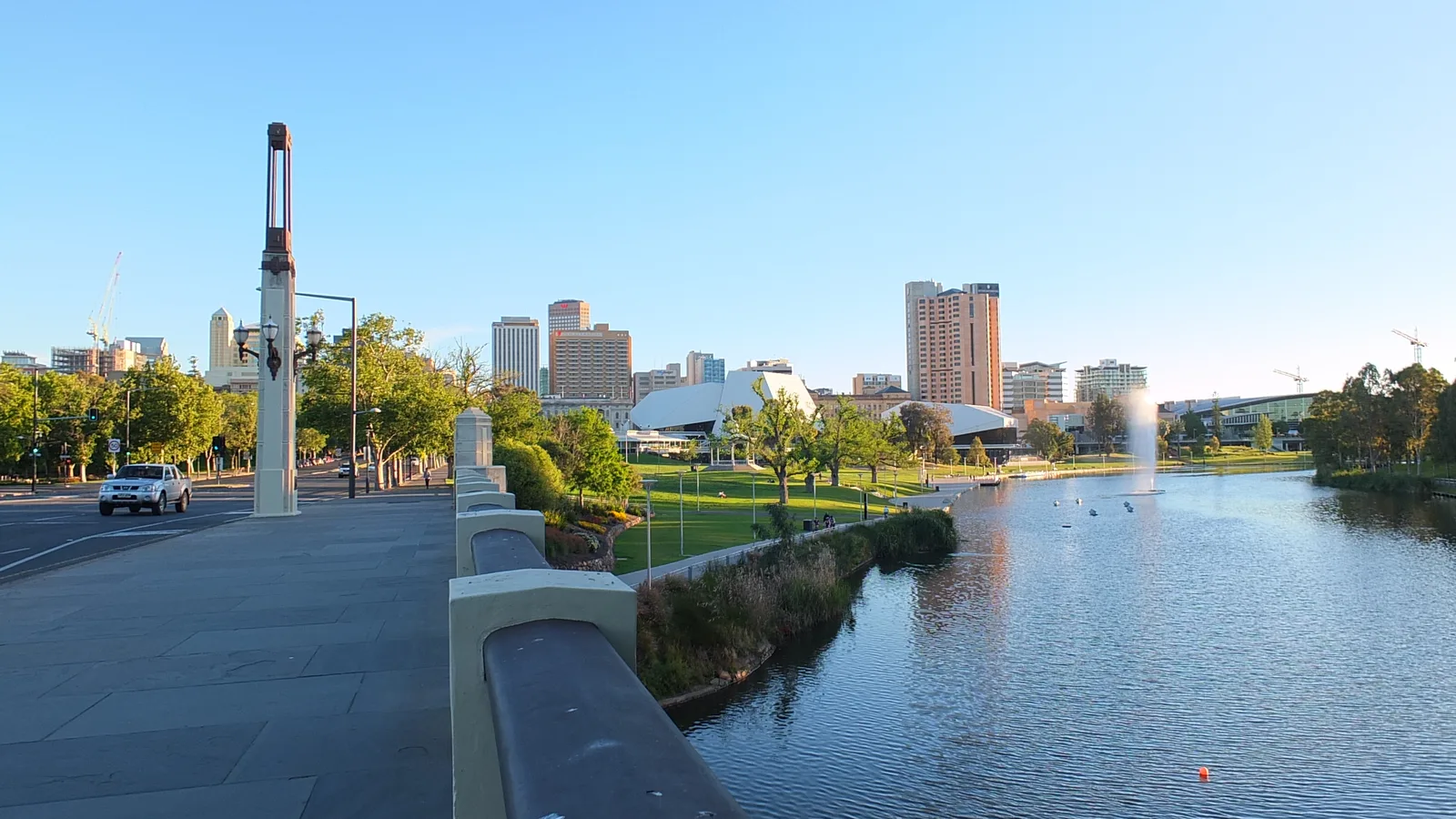
A capital city between the coast and the Hills
Adelaide rewards a visit built around ordinary pleasures: a market breakfast, an afternoon looking at art, a walk beside the River Torrens and an evening meal that does not require crossing a sprawling metropolis. South Australia’s capital also gives you access to beaches and wine country. These are different outings, however, and trying to combine all of them in a day would miss much of the city’s appeal.
Start with three nights for an introduction, adding time for regional excursions. The official Adelaide visitor information gives useful context for its setting between the coast and the Hills. If you are considering moving here, extend that introduction beyond sightseeing: test a commute, shop for groceries and compare housing in more than one district. VisaWand’s Australia guide supplies the national background to those decisions.
Read the city through Kaurna Country
Adelaide stands on Kaurna Country. The City of Adelaide’s Aboriginal culture resources explain the continuing connection of Kaurna people to the Adelaide Plains and introduce places where visitors can learn more. Dual names are part of that understanding: the River Torrens is also Karrawirra Pari, while Victoria Square is Tarntanyangga. Notice these names as you move through the centre rather than treating them as incidental labels.
The city’s Kaurna Walking Trail connects cultural sites around the river, North Terrace and the centre, although the council notes that redevelopment has moved some features. Use its current information instead of assuming every stop on an older map remains in place. Give Indigenous interpretation the same attention as civic architecture. A visit to a gallery or museum is more useful when it prompts questions about whose history is being presented and how contemporary communities contribute to it.
Choose a base by the journeys you will make
For a first visit, central accommodation makes it easier to combine North Terrace, the river and the market without repeatedly organising a transfer. Compare an address near your main interests with one that simply advertises itself as “Adelaide”. A metropolitan address can cover a very different journey from a room in the central street grid. Check the entrance, nearby stops and the final walk with luggage.
North Adelaide suits travellers who want to explore the northern side of the river, while Glenelg offers a coastal setting. Neither choice removes the need to plan journeys elsewhere. A beach holiday and a programme of evening city events put different demands on your accommodation. Before paying, compare room orientation, traffic noise, lift access and the cancellation deadline. For an apartment, establish whether laundry, cooking equipment and cleaning are included rather than relying on a generic facilities icon.
Build a meal around Central Market trading days
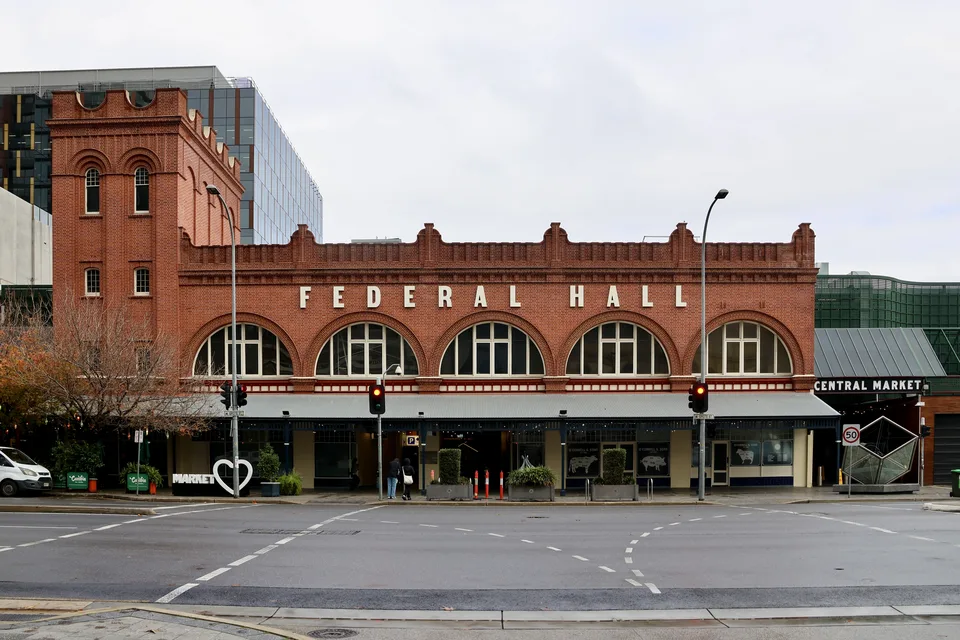
The Adelaide Central Market’s own trading schedule should determine when you go. It closes on Sundays and Mondays. Tuesday trading runs from 7am to 5.30pm; Wednesday and Thursday from 9am to 5.30pm; Friday from 7am to 9pm; and Saturday from 7am to 3pm. Wednesday has a limited range of traders. These distinctions matter if your only market opportunity falls late on a weekend.
Go with enough time to compare produce and food counters before choosing lunch. A shared selection can be more interesting than rushing straight to a table, but check prices and portion sizes rather than assuming everything is inexpensive. If your accommodation has a kitchen, consider buying the ingredients for one meal. Carry perishables back promptly, especially in warm weather. The market can anchor an otherwise flexible city day; it does not need to become a hurried stop between distant attractions.
Give North Terrace an unhurried afternoon
The Art Gallery of South Australia offers free general admission, with charges for some exhibitions. Its usual hours are 10am to 5pm, excluding Christmas Day. Australian, Aboriginal, European and Asian art give you several possible routes through the collection. Choose a few galleries that interest you rather than measuring the visit by how many rooms you complete. Check exhibition arrangements before budgeting for a particular show.
The South Australian Museum stands nearby on North Terrace, beside the gallery and State Library. Its usual opening is also 10am to 5pm, but it closes on Christmas Day and Good Friday and opens at noon on ANZAC Day. Combine neighbouring institutions according to your attention span. Keeping one substantial indoor visit in reserve also makes the itinerary easier to adjust when heat or rain changes your outdoor plans. Confirm any special exhibition admission separately.
Leave room for the Botanic Garden
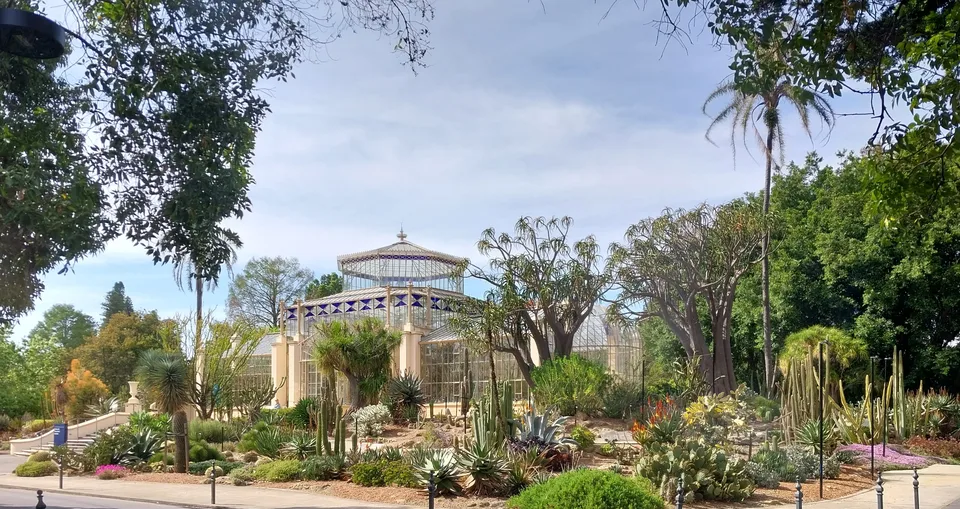
The Adelaide Botanic Garden’s visitor information is particularly helpful because entry arrangements vary with the season and programme. Ordinary daytime garden admission is free, while particular events may charge. Opening and closing times change through the year. Plan an actual garden visit rather than assuming the gates remain open for an evening shortcut across the city.
Allow time to look at planting and glasshouses, then sit down before continuing. This is a useful counterweight to an afternoon spent reading museum labels. The garden prohibits bicycles, scooters and pets; check the separate guidance for assistance animals if relevant. Families should plan how to handle children’s wheeled equipment before arriving. For visitors with limited mobility, review access information and ask about facilities in advance. A shorter, comfortable route can provide a better experience than an ambitious circuit followed by a difficult walk back to the hotel.
Connect the river with Adelaide Oval
A walk beside the River Torrens introduces a different scale from the central streets. Use the river as a place to pause between activities, leaving time to appreciate the relationship between water, parkland and the city. In summer, choose a cooler part of the day rather than treating a scenic route as an obligation at midday. Keep a straightforward return route in mind if travelling with children or anyone who tires easily.
For a more structured sporting visit, the Adelaide Oval tour programme offers a stadium tour involving areas such as the historic scoreboard, change rooms and interactive players’ race. Check available departures and the final ticket category before booking; stadium operations can affect access. The operator also lists free guided sessions for the Bradman Collection. That is a separate experience from a full stadium tour, so read the booking description carefully rather than expecting identical access.
Treat Glenelg as a coastal outing
Glenelg Beach (source unavailable) combines the foreshore, jetty, Moseley Square and nearby Jetty Road. It works as a relaxed half-day when you want a walk, a meal and time beside the water. Families can include the foreshore playground. Decide whether your priority is swimming, a beach walk or sunset before setting out; those choices influence what you carry and when you return.
Water conditions need a current check. The South Australian Government’s algal bloom update reports that most of the coastline has recorded zero or low Karenia levels since February 2026, while monitoring continues. Its advice is to avoid foamy or abnormally coloured water where a bloom is active. Do not interpret a general tourism photograph as evidence of conditions that day. Read local signs, keep children and pets away from affected water and be ready to enjoy the shore without entering the sea.
Arrive with a clear airport connection
Adelaide Airport’s arrival and onward transport information identifies J1 and J2 buses as city services. The stop is on Sir Richard Williams Avenue, a short walk from the terminal; J8 and J9 serve suburban destinations. Check the direction, departure time and stop nearest your accommodation before boarding. A route number alone does not tell you whether the final walk will be convenient with several bags.
For a late arrival, mobility needs or a group carrying equipment, compare a taxi or booked transfer against the bus journey. Obtain the current fare basis or quoted total, including any relevant airport or booking charge. Allow for collecting baggage before choosing a fixed pickup time. If collecting a rental car, read the collection hours and return instructions carefully. You may find it simpler to use public transport for the central portion of a visit and hire only for a regional excursion.
Budget using the current fare category
Adelaide Metro changed fares on 1 October 2026. Its current fare announcement lists regular metroCARD, Tap and Pay and Buy & Go fares at A$4.75 in peak periods and A$2.70 off peak. Those figures are not interchangeable with a Singletrip ticket, listed at A$6.80 and A$4.50 respectively. Check the applicable time band and payment method before using either price in your budget.
The same announcement lists a Daytrip at A$12.90 and a three-day Visitor Pass at A$29.90. A pass is worth comparing against the journeys you actually intend to take; walking and free services may reduce the number of paid trips. Confirm current validation instructions and concession eligibility directly with the operator. Travelling together does not mean one person’s payment automatically covers everyone, so establish how each passenger will hold or validate a valid fare.
Understand the free transport boundaries
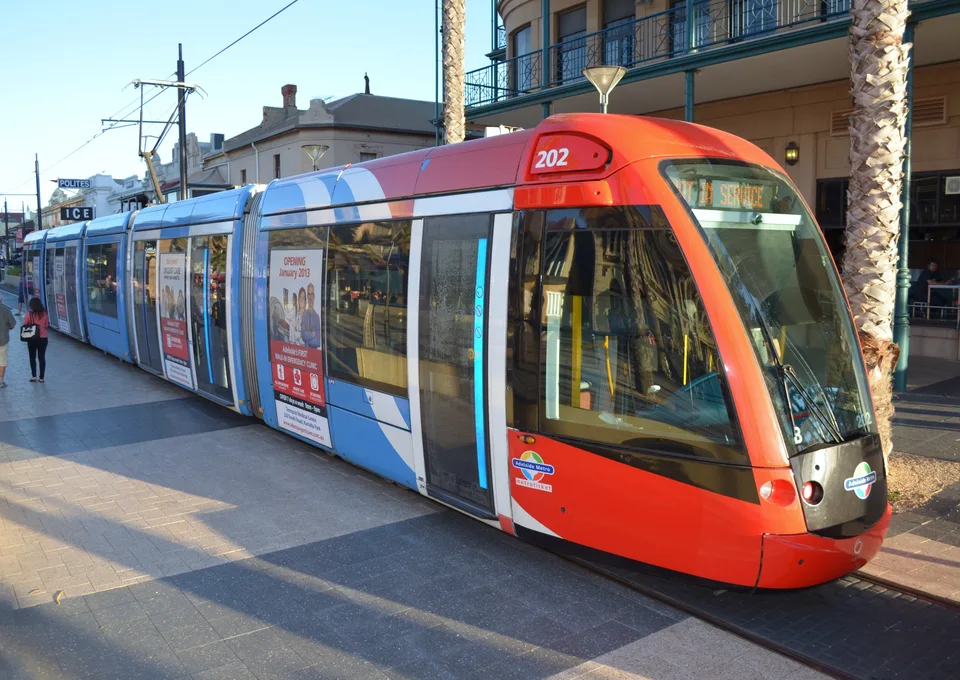
Adelaide Metro’s free service guidance distinguishes several areas. Central tram travel is free within the boundaries marked by South Terrace, Entertainment Centre, Festival Plaza and Botanic Gardens. Glenelg has a separate free stretch between Brighton Road and Moseley Square. The intervening journey from the city towards Glenelg requires a fare. This is an easy distinction to miss when an accommodation listing casually mentions a “free tram”.
The City Connector buses offer another option: 99A and 99C serve the inner city on weekdays, while 98A and 98C include North Adelaide and operate daily. Check the current route and stop sequence, particularly when deciding which direction to board. For someone assessing a future commute, test the actual paid route at the time you would use it. Free central circulation is useful for visitors but does not establish the cost or convenience of a suburban working week.
Eat and shop with a realistic spending plan
Use the market for an introduction to food shopping, then compare restaurant menus around your accommodation rather than committing every meal to a sightseeing district. Ask whether prices include relevant surcharges and inspect any weekend or public holiday notice. An appealing menu can still work out differently once drinks, additional dishes and a surcharge enter the total. There is no need to label a particular business a local favourite without evidence.
For a working budget, separate accommodation, groceries, meals out, transport, paid experiences and a contingency. Compare room quotes for the same dates and conditions, including parking if needed. An apartment’s higher nightly price may make sense if it replaces several restaurant meals, but only if the kitchen is usable and you intend to cook. Keep shopping purchases manageable for your onward luggage allowance; an attractive market purchase becomes less practical if it needs refrigeration throughout a long travel day.
When comparing longer stays, write the budget in Australian dollars first. Add your own exchange rate and bank charges separately so that a currency movement does not masquerade as a change in local prices. Keep refundable deposits distinct from spending: they still require cash at the beginning, even if you expect them back later. For a family, calculate the total for all travellers rather than multiplying a headline room rate that may cover only two guests.
Choose the season for your activities
The Bureau of Meteorology’s Adelaide Airport statistics show long-term mean maximum temperatures of 28.3°C in January and 15.0°C in July. These are airport station averages, not a forecast, a city-centre measurement or a ceiling on summer heat. Use them to understand the seasonal difference, then consult the forecast for the actual dates of your visit. Pack for the activities and hours you expect to spend outdoors.
Hot weather makes early walks and indoor afternoons a sensible combination. Cooler months can suit galleries and meals without promising beach weather. If heading into the Hills or other rural areas, check Country Fire Service restrictions and warnings before departure, including any Total Fire Ban affecting your plans. Keep a flexible alternative in the city. A regional picnic, walk or drive should depend on conditions that day rather than an itinerary written months earlier.
A realistic three-day introduction
Day one: orient yourself in the centre, spend a substantial part of the afternoon at one North Terrace institution and finish with a manageable river walk. Avoid booking a demanding activity immediately after a long flight. A first evening close to your accommodation leaves room to settle in and decide what deserves more time over the next two days.
Day two: schedule the market when it is trading, then give the Botanic Garden its own unhurried visit. If the market is closed, swap the order of days rather than arriving at locked doors. Day three: choose Glenelg for the coast or a prebooked Oval experience followed by more city time. Add a fourth day for a regional outing instead of squeezing wine country into the same afternoon. Prospective residents should replace one sightseeing block with a commute and neighbourhood visit.
Start a housing search with an address and a commute
For a move, compare specific homes rather than broad claims that Adelaide is affordable. Ask for the weekly rent, lease term, bond, furnishings and all recurring charges. Photograph the condition at handover and retain written records. A temporary stay gives you time to inspect properties and understand the practical route to work or study before committing to a longer lease. Avoid transferring money simply because a listing creates urgency.
The South Australian Government’s rent and bond guidance says landlords can seek up to two weeks’ rent in advance plus a bond at the start of a tenancy. Read the applicable bond and lodgement rules for your arrangement; a rooming house and a conventional tenancy may differ. Budget for the upfront amount separately from ongoing rent. Check the identity of the person offering the property and obtain a written agreement showing what you are paying for.
Make the inspection practical. Walk from the property to the stop you would use, check the crossing and shelter, and repeat the journey at your likely departure time. Compare the return trip after an evening shift or class as well. If a car seems necessary, include parking, insurance and maintenance in the housing comparison. A lower rent can lose its advantage once another vehicle becomes part of the household budget. Record these costs beside each property rather than deciding on rent alone.
Check the household services behind the listing
The state’s utilities and connections guidance explains why a rental advertisement is not a complete household budget. Existing infrastructure and its maintenance involve landlord obligations, while payment for electricity or gas depends on the agreement and metering arrangements. Internet is not automatically provided. Ask what is connected, whose name each account will use and whether installation needs written permission before choosing a move-in date.
Inspect heating and cooling, ventilation, window condition and the rooms you would actually occupy. Confirm laundry access, waste arrangements and practical storage rather than judging a home by its furnished photographs. Landlord building insurance does not establish cover for your belongings; consider your own contents needs. For a family, investigate the relevant school’s enrolment process and address requirements directly before signing a lease on the assumption that every nearby school will accept an application.
Arrange health care and study before arrival
Check Medicare enrolment eligibility with Services Australia rather than assuming every visa holder receives public cover. Residence, citizenship and visa circumstances matter, and some visitors may qualify through reciprocal arrangements. Establish what your insurance covers, how you would pay for a consultation and how to obtain any regular medication. Keep medical documents available and identify a suitable local practice once you know where you will stay.
For higher education, begin with Adelaide University’s international application information and the exact course you intend to take. Confirm the teaching location, timetable, admission requirements and costs with the institution. An offer of study and immigration permission are separate decisions. Do not budget on the assumption that employment will cover tuition or living expenses. Compare travel from the proposed home to the actual teaching site, including evening or placement journeys, rather than relying on a university name alone.
Separate a visit from permission to work or settle
Australia’s entry requirements depend on your passport, circumstances and purpose. The Home Affairs Visitor visa tourist stream for applicants outside Australia is one route, not a universal recommendation. It allows tourism and visiting family or friends but does not permit work. Its stated maximum stay is not a promise that every applicant receives that duration. Check the conditions of the permission actually granted to you before making commitments.
Longer-term plans require a suitable pathway. The South Australian Government’s skilled migration information distinguishes permanent subclass 190 and provisional subclass 491 options and explains that state nomination does not automatically produce a visa grant. Eligibility involves both state and Home Affairs requirements. A job offer, university admission or rental agreement should not be treated as independent permission to immigrate. VisaWand’s consultant directory can help you identify advisers; verify the person’s relevant authorisation and service scope before paying for Australian immigration assistance.
Keep copies of your grant notice, insurance and important bookings accessible during travel. If your plans change from a holiday to study or employment, establish the immigration implications before starting the new activity. Ask an adviser to explain which conditions apply to your particular situation and to set out their fees in writing. Separate that advice from any employer’s or accommodation provider’s sales pitch; each party has a different role in your decision.
Add one regional outing rather than several rushed stops
The official overview of South Australia’s wine regions introduces the Barossa, McLaren Vale and Adelaide Hills as distinct choices. Pick one according to the experiences you want and confirm opening and booking arrangements with individual venues. If tasting wine, arrange transport that does not require a participant to drive after drinking. Food, scenery and the opportunity to stay longer can matter as much as the number of tasting appointments.
For a different pace, use Adelaide Hills Tourism’s destination information to compare towns and rural settings, then plan a coherent route. For a wider Australian itinerary, compare VisaWand’s Melbourne city page, Sydney city page and Perth city page without treating those distant cities as Adelaide day trips. The Australia city directory and Australia destination page provide further browsing. Choose extra destinations only after allowing enough time to enjoy the city you have already come to see.
Official planning resources
Reviewed 17 October 2026. Use the official resources linked throughout this guide for admission, transport, housing and immigration decisions. Prices, services and rules can change; confirm the details relevant to your dates. Photography illustrates the locations and is not a live view.
View all official resources
- South Australian Tourism Commission: Adelaide
- City of Adelaide: Aboriginal culture
- Adelaide Central Market: trading hours
- Art Gallery of South Australia: visit
- South Australian Museum: opening times and location
- Adelaide Botanic Garden: plan your visit
- Adelaide Oval: stadium tours
- South Australian Tourism Commission: Glenelg Beach (source unavailable)
- South Australian Government: algal bloom update
- Adelaide Airport: arrivals and onward transport
- Adelaide Metro: fares from 1 October 2026
- Adelaide Metro: free and special transport
- Bureau of Meteorology: Adelaide Airport climate statistics
- Country Fire Service: fire restrictions
- SA Government: rent and bond payments
- SA Government: utilities, connections and insurance
- Services Australia: enrolling in Medicare
- Adelaide University: international applications
- Home Affairs: Visitor visa tourist stream outside Australia
- South Australian Government: skilled migration
- South Australian Tourism Commission: wine regions
- Adelaide Hills Tourism: destinations
Plan the next part of your journey
Explore the Australia guide, browse other cities or compare consultants for your travel and relocation questions.