Visa
A harbour city that rewards a longer stay
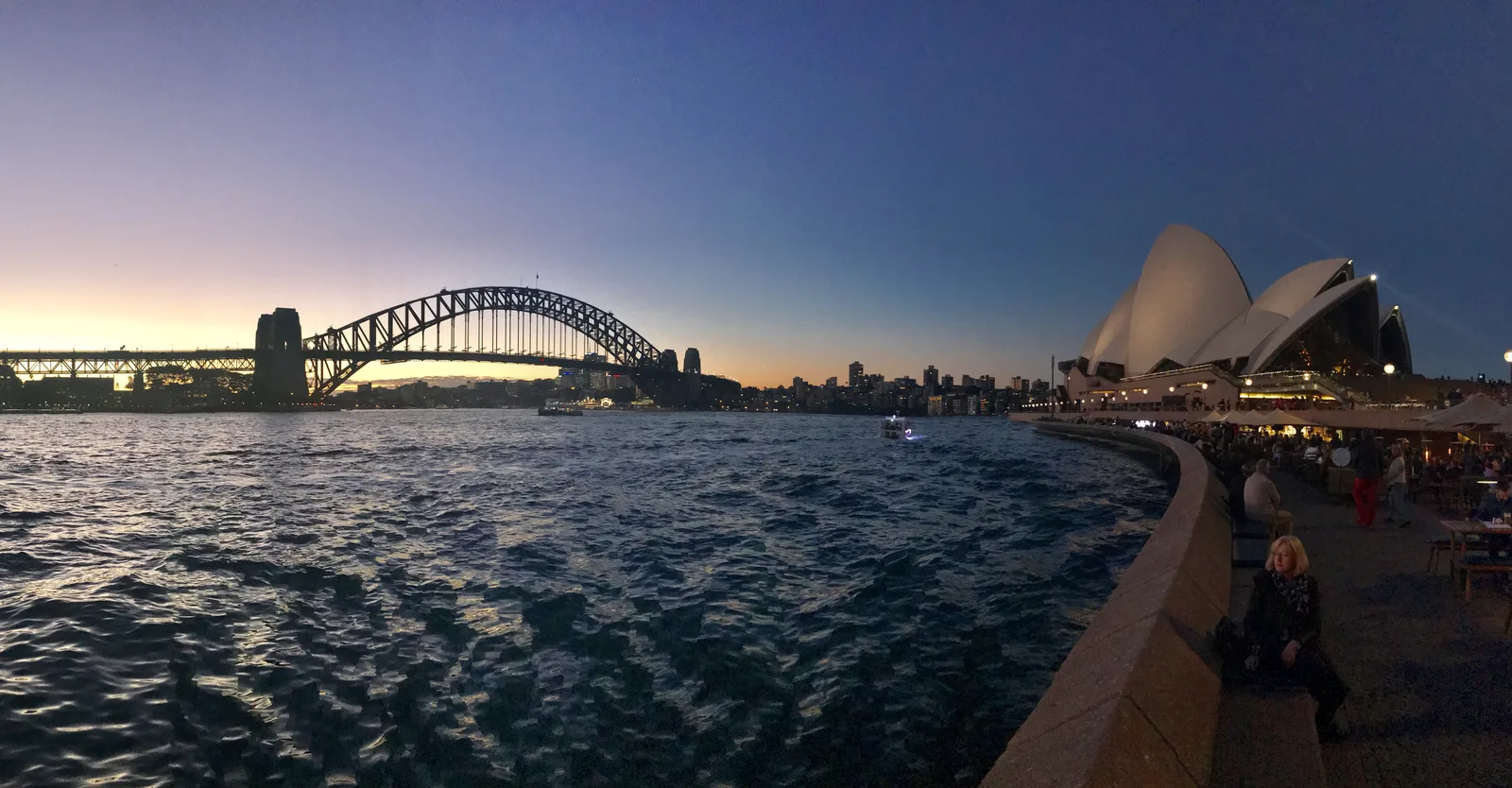
Sydney makes its strongest impression from the water: sandstone shores, wooded headlands and ferries passing beneath the Harbour Bridge. Yet a useful visit needs more than a photograph of the Opera House. The beaches, inner neighbourhoods and western suburbs are spread across a substantial metropolitan area, and where you sleep determines how much of each day disappears into travel.
New South Wales’ capital suits travellers who want culture and outdoor time together. Four days allow a harbour introduction, a coastal walk and some neighbourhood exploration; a week gives weather more room to cooperate. For prospective residents, the same geography raises different questions about rent, commuting and access to services. Start with Destination NSW’s Sydney area overview, then compare the city with the wider context in VisaWand’s Australia country guide.
Begin with the history beneath the skyline
The City of Sydney’s Aboriginal histories identify the Gadigal as the original inhabitants of its local area. Aboriginal life here predates British arrival by thousands of years, and continues in the contemporary city. Greater Sydney encompasses other Aboriginal peoples and Countries; one central-city acknowledgement should not be stretched across the entire metropolitan region.
The First Fleet arrived in 1788 and the British established their colony around Sydney Cove. Dispossession, introduced disease and violence devastated Aboriginal communities, while Gadigal culture endured. Keeping that history in view changes how the waterfront reads: it is a place of continuing cultural connection as well as colonial buildings and commercial development. Make space for Aboriginal interpretation alongside the familiar architecture, rather than treating the city’s story as beginning with European settlement.
Explore The Rocks beyond its postcard setting
Immediately west of Circular Quay, The Rocks offers sandstone buildings, narrow passages and a different scale from the business district behind it. Walk slowly enough to notice changes in street level and the relationship between warehouses, pubs and the harbour. The Rocks Discovery Museum provides historical context, while Aboriginal-led interpretation, including Dreamtime Southern X tours, offers another way to understand the area.
Weekend markets can be part of the visit, but check their current programme rather than arranging an entire day around assumed opening hours. A useful first circuit combines the lanes with a return along the waterfront. Wear shoes with grip: historic paving and slopes deserve more care than a flat map suggests. Keep an indoor alternative in mind if heavy rain makes wandering unappealing.
Choose your base by the journeys you will make
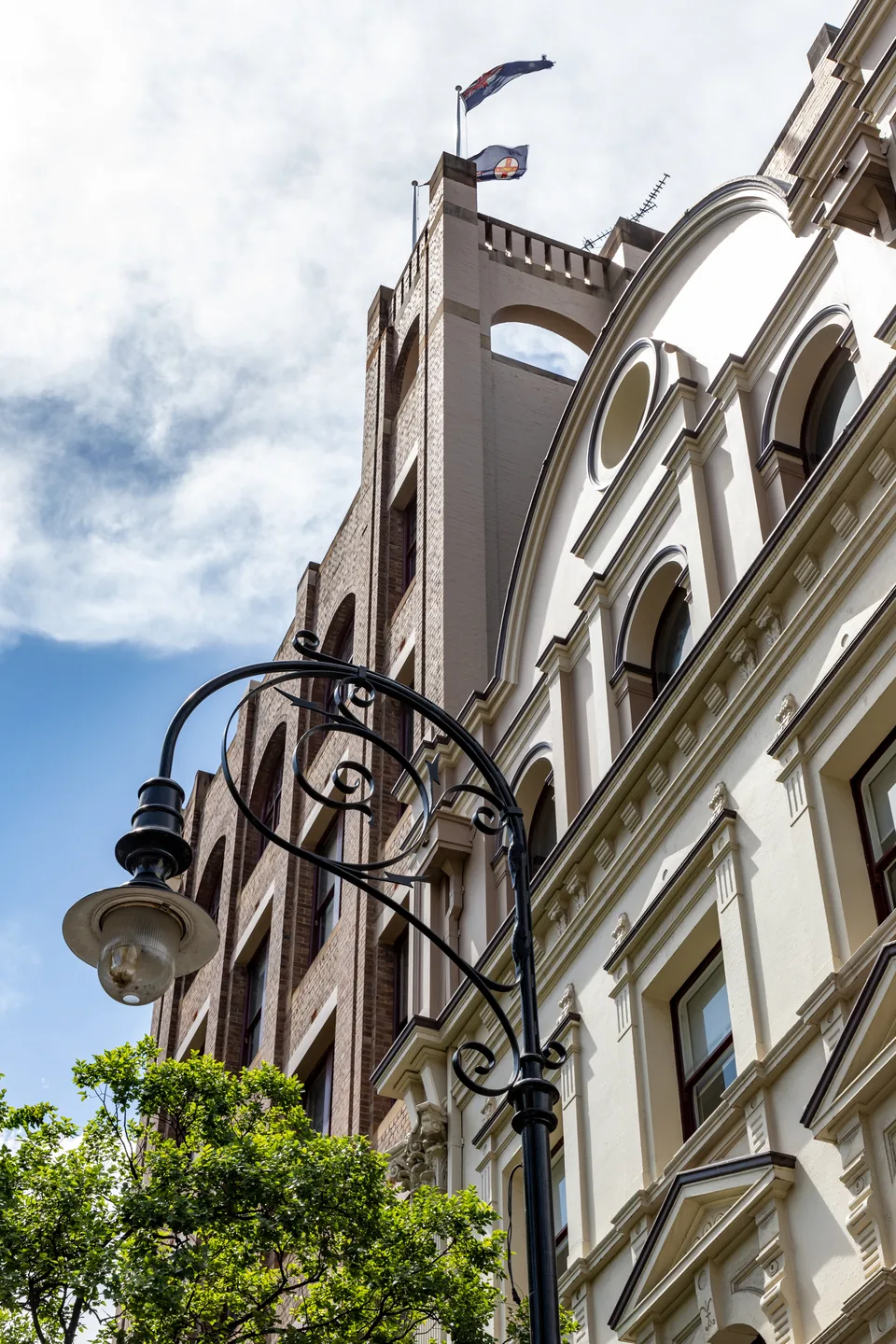
A central hotel near Circular Quay, Wynyard, Town Hall or Central is a practical starting point for a first visit. Compare the actual route from station to reception, especially with luggage. A room described as having a harbour view may overlook a different inlet from the one you pictured; inspect the map and room category before paying extra.
Darling Harbour suits a stay organised around its waterfront attractions, while Haymarket offers access to dining and Central. A beach base changes the balance: you gain mornings near the ocean and add travel to city appointments. Look through VisaWand’s Australia location directory for geographical context. For accommodation, compare the complete stay price, cancellation terms, bathroom arrangements and whether the advertised kitchen is private, shared or simply a kettle.
Spend an evening in Surry Hills or Newtown
Surry Hills brings restaurants, cafés, galleries and theatre into a neighbourhood near Central. Crown Street is a useful starting point for an evening, with Belvoir and the Brett Whiteley Studio giving reasons to return beyond dining. Check individual performance and studio schedules before setting out; a neighbourhood’s reputation does not mean every venue opens every day.
Newtown and neighbouring Enmore offer a different circuit of record shops, vintage clothing, books, food and live performance. King Street and Enmore Road are the principal corridors to investigate. Choose an evening around a confirmed show or a few shops that interest you, leaving time to browse. When booking nearby accommodation, ask whether the room faces a busy street or entertainment venue and check your journey home after the event.
Book the Opera House experience you actually want
Seeing the exterior, joining a tour and attending a performance are three separate experiences. The official Sydney Opera House tour currently lists adult tickets at A$50 booked ahead or A$55 on the day. Prices shown for April 2027 onwards are a later tariff. Venue access varies with performance activity; a standard tour does not promise every auditorium or backstage area.
The standard route involves roughly 300 stairs and is unsuitable for wheelchair users or people requiring a walker. Ask about the dedicated Mobility Access Tour instead of assuming a lift follows the same itinerary. Arrive with the requested check-in margin and review bag restrictions. Standard tours are unavailable on 25 and 31 December 2026. If your priority is music or theatre, compare the programme first and build the day around your chosen performance.
Use the gardens and museums to vary the pace
The Royal Botanic Garden Sydney offers a quieter harbour experience, with lawns, substantial trees and changing views towards the water. Ordinary entry is free; special ticketed events are separate. Closing times vary by season, so an evening route that works in summer may be unavailable in winter. Most areas accommodate wheelchairs and walkers, but check the access information for your chosen entrance and route.
At the Art Gallery of New South Wales, general entry is free and some exhibitions require tickets. Its Naala Nura and Naala Badu buildings make this more than a quick single-room stop. Check temporary access changes: a lower-level lift in Naala Nura was out of service when reviewed. Choose a few galleries rather than rushing through both buildings, and allow time to rest between them.
Keep a genuinely useful rainy-day option
The Australian Museum opposite Hyde Park has free general admission to its permanent exhibitions, with charges possible for major exhibitions and programmes. Its natural-history and cultural collections make it a sensible alternative when coastal plans are washed out. General entry does not require a ticket; check separately for a particular event or temporary exhibition.
The museum normally opens 10am–5pm and closes on Christmas Day. Decide which collections matter most before arrival, especially with children whose attention may run out before the building does. A museum morning also leaves room for lunch and an unhurried walk nearby if the weather improves. Keep this day flexible rather than booking every indoor attraction in advance and losing your ability to respond to the forecast.
Take the ferry to Manly, then cross to the ocean
Manly makes the distinction between harbour and ocean especially clear. Ferries arrive on the sheltered harbour side; the Corso leads across to the ocean beach. That short change of setting is the point of the excursion. Allow a substantial half-day for the crossing, a walk, lunch and time beside the water rather than treating the ferry as a quick round trip.
The promenade and the route towards Shelly Beach provide options for a gentler outing than a long bushwalk. Conditions still determine whether swimming or snorkelling is sensible. Confirm the operator, departure wharf and fare before boarding; do not assume every fast ferry or private cruise uses the same ticket rules. For a Manly stay, consider the final ferry connection after an evening in the city, not merely the daytime journey.
Walk the eastern coast at your own pace
The Bondi to Coogee coastal walk is about six kilometres one way. Two hours represents a purposeful walk; photographs, cafés, swimming and rests can turn it into a much longer outing. Start with a realistic assessment of heat, stairs and your return journey. Bondi to Bronte offers a shorter version if the full route feels excessive.
Waverley’s coastal information helps place Bondi, Tamarama and Bronte along the shoreline. Keep to open public paths and follow any diversions. A coastal address does not make every stretch suitable for wheels or every ocean pool available at all times. Carry water and sun protection, and save the destination of your return bus before starting. Finishing at a different beach is convenient only when you have also planned how to leave it.
Treat beach conditions as part of the plan
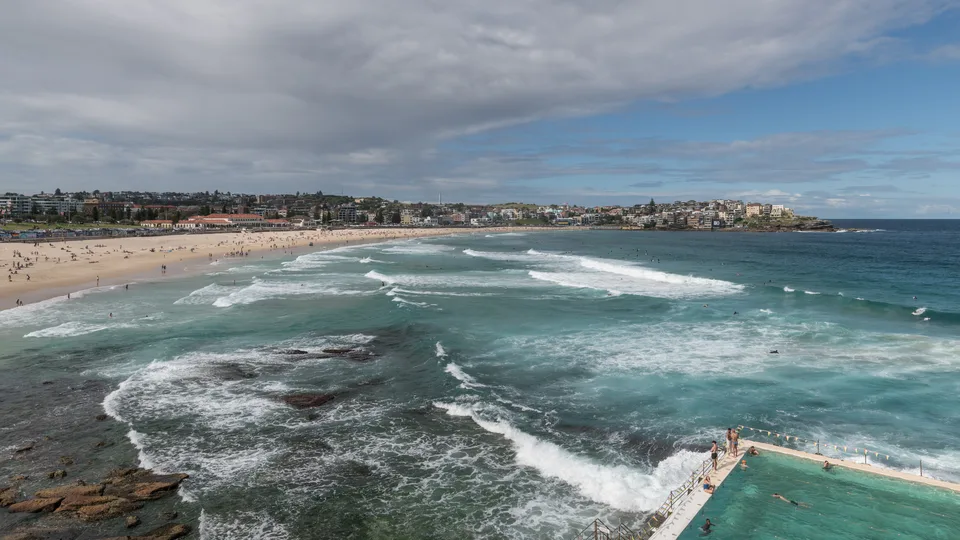
Follow Waverley Council’s beach-safety advice: swim during patrol hours and between the red and yellow flags. Flags identify the supervised swimming area, not a decorative boundary. Read closure signs and ask the lifeguards if you are uncertain about conditions. A photogenic calm-looking patch of water is not evidence that it is safe.
Allow a beach visit to be worthwhile without entering the sea. Walking, watching the surf and eating nearby remain options when conditions exceed your ability. Do not copy experienced surfers into unfamiliar water or let a fixed itinerary overrule a closure. Families should agree on supervision before settling on the sand; ocean swimming needs attention throughout, even where a beach is patrolled. Recheck the day’s conditions on arrival rather than relying on yesterday’s photograph.
Understand the airport bill before you tap on
Transport for NSW’s Sydney Airport guidance lists an adult station-access charge of A$18.61 on Opal or contactless payments, in addition to the train fare. This surcharge is excluded from ordinary travel caps and has its own weekly cap. Calculate the complete journey before comparing a train with a vehicle shared by several travellers.
T8 trains serve the airport stations beneath the terminals, generally between 5am and midnight. Route 420 connects both international and domestic terminals with surrounding transport connections; route 350 serves the domestic terminals and the coast. Use the current planner for the exact stop and interchange. An airport-area hotel is not necessarily within a comfortable walk of a terminal. Confirm its shuttle arrangements and any charge, especially for a late arrival or early departure.
Leave room for a terminal transfer
At Sydney Airport, T1 handles international flights and T2/T3 handle domestic flights. The international and domestic precincts are separate; the airport advises that passengers cannot walk between them. Check your airline’s transfer instructions, baggage arrangements and the time needed for border formalities before booking a tight connection.
The complimentary Terminal Transfer Bus currently runs every 15 minutes from 5:30am to 10:30pm, with a journey of about ten minutes. Waiting, reaching the stop and processing baggage add to that time. The train between terminal stations is a paid alternative, not the free shuttle. If your connection falls outside shuttle hours, arrange another suitable transfer. Separate tickets can create additional practical risk when an inbound flight is delayed, so read the airlines’ connection terms before purchase.
Make the transport caps work for your itinerary
Sydney’s network combines metro, suburban trains, buses, light rail and ferries. Use the official tickets-and-fares hub to check how a particular service is paid for, and plan by destination rather than assuming every useful route passes Circular Quay. For contactless travel, each passenger needs their own payment card or device; keep using the same one to avoid splitting the fare record.
Current adult Opal travel caps are A$19.30 Monday–Thursday, A$9.65 on Fridays, weekends and public holidays, and A$50 for a Monday–Sunday week. Airport station-access charges are additional. Tap on and off correctly, and check concession eligibility instead of assuming a foreign student or senior card qualifies. Recheck planned journeys for works and service changes, particularly when connecting to a flight or a timed performance.
Eat and shop beyond the harbour frontage
Chinatown and Haymarket are useful for food courts, Asian grocers, noodle meals and specialist shopping around Dixon Street and neighbouring streets. Hay St Market adds another food-hall option. Browse menus before deciding, and compare the complete bill rather than assuming every food-court meal is automatically inexpensive. Ask about ingredients and cross-contact directly if you have an allergy.
For a different shopping afternoon, combine Newtown’s books and records with a meal or visit Surry Hills for vintage clothing and galleries. Buy something you actually want to carry home rather than filling the day with souvenir stops. When food shopping for an apartment stay, check whether cookware, refrigeration and basic utensils are included. A kitchen saves money only if it is equipped and you intend to use it.
Build a budget from choices, not a citywide average
Accommodation is best priced for your actual dates, room type and cancellation needs. Festival periods, school holidays and a harbour-view category can produce a very different quote from an ordinary weekday room. Keep a separate line for transport, paid experiences, food and a contingency, then decide which part matters most to you.
Verified admission prices provide a concrete starting point: one prebooked adult Opera House tour is A$50, while ordinary garden entry, the Australian Museum’s permanent exhibitions and the Art Gallery’s general entry are free. Pair those choices with your expected transport use rather than buying an attraction bundle reflexively. Meals, hotel rates and rents are too dependent on the particular product and date to support an invented universal daily figure. Compare live quotes before committing.
Choose a season, but retain a weather alternative
The Bureau of Meteorology’s Sydney Airport climate table gives long-term mean January temperatures of 26.8°C by day and 19°C overnight; July averages are 17.2°C and 7.4°C. These describe one station’s historical averages, not a forecast or the conditions of every Sydney suburb. Rain occurs throughout the year, and a winter evening can feel quite different from a sunny afternoon.
Spring and autumn are sensible starting points for a walking-focused visit, while summer suits travellers prioritising beach time who can adapt to heat. This is a planning judgement rather than a guarantee of ideal weather. Bring layers for ferries and evenings, retain an indoor day, and check the current forecast before committing to the coast or mountains. Avoid scheduling a demanding outdoor excursion immediately after a long flight.
Four days with enough room to enjoy Sydney
Day one: settle in, explore Circular Quay and The Rocks, then take an early dinner. Book the Opera House tour here only if your arrival and energy allow its check-in time. Day two: combine the Botanic Garden with selected Art Gallery rooms; use the Australian Museum instead if the weather makes the garden unattractive.
Day three: take the ferry to Manly, cross the Corso and leave time for the promenade or Shelly Beach. Day four: attempt the full Bondi–Coogee walk or a shorter section, then choose a relaxed neighbourhood dinner. Swap these days according to conditions. A fifth day can accommodate a mountain excursion; it need not be squeezed into an already full beach day. For a relocation scouting visit, replace one sightseeing day with property inspections and a real commute at the relevant hour.
Test the commute before choosing a home
Start a housing search from the workplace or campus address. A cheaper home with two awkward transfers may be a poor bargain for someone travelling daily; the same location could suit a household working nearby. Test the complete journey, including the walk to the stop, rather than comparing station names alone.
Use temporary accommodation while inspecting prospective homes where practical. Ask for the weekly rent and calculate an annual or monthly equivalent consistently; four weeks is not a calendar month. Record bills, furniture, parking and internet separately. Visit at different times to assess street noise, light and access to groceries. Check the identity and authority of the person offering the property before sending money. A holiday apartment and a residential tenancy can involve different terms, so establish which arrangement you are entering.
Know the tenancy costs and document the condition
Under NSW’s tenancy starting-cost rules, a rental bond cannot exceed four weeks’ rent and rent in advance cannot exceed two weeks. At an illustrative A$700 weekly rent, those two amounts total A$4,200; this is arithmetic, not a Sydney rent estimate. Background-check and tenancy-agreement preparation fees must not be charged to prospective tenants.
Complete your part of the property condition report, return it within seven days of moving in and retain dated photographs. Record minor damage as well as obvious defects. Current rental reforms limit increases to once yearly across lease types and require valid grounds for landlord termination. Pet-consent rules changed again in October 2026: new tenants applying within seven days can keep the pet while the request is considered. Read the conditions; this is not unconditional approval for every pet.
Check the services that shape household costs
Ask what heating, cooling and appliances come with a property, then compare suitable electricity or gas offers through Energy Made Easy. Some buildings use embedded networks, which can restrict normal retailer choice. For home working, check the precise address with nbn’s availability tool and confirm the service and installation arrangements with a retail provider before relying on an advertised connection.
Healthcare needs separate planning. Medicare eligibility depends on citizenship, residence and qualifying circumstances; a temporary visa does not automatically provide cover. Arrange appropriate insurance and understand exclusions. Families should also check NSW’s Temporary Residents Program before choosing a school area: most temporary-resident pupils pay application and tuition fees unless an exemption applies. Add these costs to the housing comparison before concluding that a neighbourhood is affordable.
Separate visiting from working, studying and settling
Choose the immigration route through Home Affairs’ visa finder using your passport, purpose and circumstances. Eligible passport holders may use the eVisitor, which allows visits of up to three months per entry during its validity. It is not a work visa, and its limited study permission is not a substitute for the appropriate route when education is the main purpose.
For longer study, examine the Student visa rules and your individual grant conditions. Work limits commonly apply while a course is in session, with specified exceptions; enrolment does not promise unrestricted employment. Employment and permanent relocation require their own eligibility assessment. Use VisaWand’s Australia destination page for further planning and consultant listings if you want professional assistance, while checking the adviser’s credentials and the official rules yourself.
Give nearby places a day of their own
The Blue Mountains can add a markedly different landscape to a Sydney stay, but a lookout visit and a remote bushwalk require different preparation. Check NSW National Parks’ current alerts before departure. Fire restrictions, damaged routes and local closures can change what is appropriate; an attractive photograph is not evidence that a track is open.
Parramatta offers another perspective on metropolitan Sydney, while a coastal day in the south can be more rewarding than repeating the same central sights. Leave time for the return journey and resist combining distant districts merely because they appear on one regional map. For a longer Australian trip, compare VisaWand’s Melbourne location page as another destination to research. Decide from the experiences and travel time you want, rather than treating every additional city as an obligatory stop.
Official planning resources
Reviewed 14 October 2026. Use the official resources linked throughout this guide for admission, transport, housing and immigration decisions. Prices, services and rules can change; confirm the details relevant to your dates. Photography illustrates the locations and is not a live view.
View all official resources
- Sydney Opera House official standard tour
- Transport for NSW current fares hub
- Transport for NSW: Sydney Airport fares
- Transport for NSW: Opal caps
- Sydney Airport: terminal transfers
- NSW Fair Trading: current rental reforms
- NSW Fair Trading: tenancy starting costs
- Destination NSW: Sydney areas
- City of Sydney: Aboriginal histories
- Services Australia: Medicare enrolment
- Botanic Gardens of Sydney: visit information
- NSW Government: Bondi to Coogee walk
- Waverley Council: beach information
- Australian Museum: admission
- Destination NSW: Chinatown and Haymarket
- NSW National Parks: Blue Mountains alerts
- Bureau of Meteorology: Sydney Airport climate
- Home Affairs: eVisitor 651
- Art Gallery of NSW: visit information
- Waverley Council: beach safety
- Australian Energy Regulator: Energy Made Easy
- Home Affairs: Student visa 500
- Destination NSW: Surry Hills
- Destination NSW: Manly
- Destination NSW: Newtown
- Destination NSW: The Rocks
- NSW Fair Trading: condition reports
- NSW Education: Temporary Residents Program
- nbn: address availability
- Home Affairs: visa finder
Plan the next part of your journey
Explore the Australia guide, browse other cities or compare consultants for your travel and relocation questions.