Visa
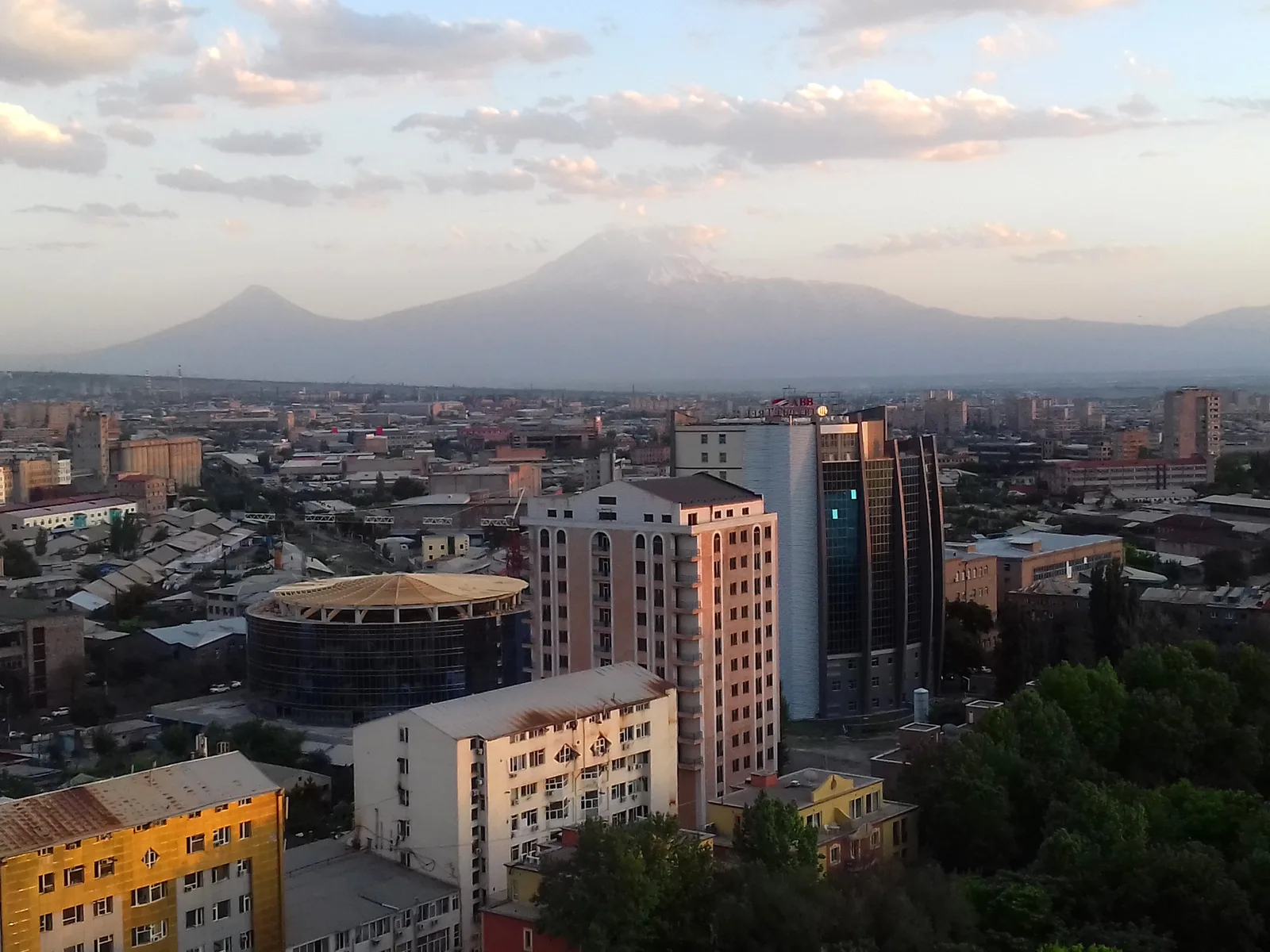
A capital for museums, long meals and a slower introduction to Armenia
Yerevan is a rewarding base for travellers who want to understand Armenia rather than pass through it between excursions. A day can move from manuscripts to monumental squares, from a hillside art complex to a meal that lasts longer than planned. Its central attractions lend themselves to walking, but the wider city includes steep streets, busy roads and residential districts where everyday journeys require more thought. A view of Mount Ararat is a memorable possibility, dependent on visibility rather than a guaranteed feature of your hotel window.
Allow three full days for the city, then add time for trips beyond it. Visitors considering a move should also make room for ordinary errands and a weekday commute. The municipality’s tourism overview introduces the capital’s cultural role, while VisaWand’s Armenia country guide supplies the national context. Use both alongside the practical choices below.
Separate ancient Erebuni from the city around you
Yerevan traces its foundation to Erebuni, the Urartian fortress established by King Argishti I in 782 BC. The official city chronology explains the inscription behind that date. It does not mean the streets around your accommodation have remained unchanged for nearly three millennia. Looking for the ancient city and appreciating the modern capital are complementary activities, with different places to visit.
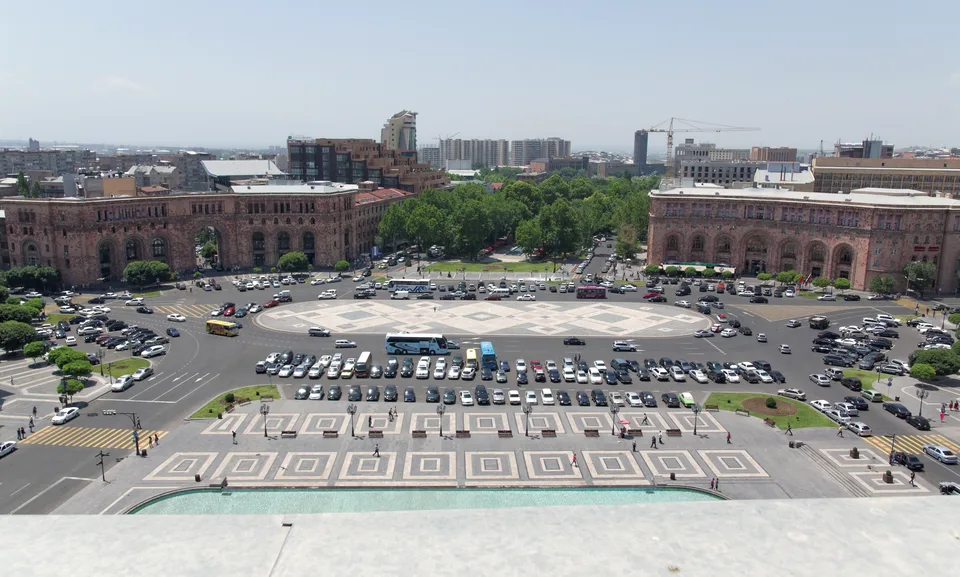
Republic Square illustrates the later story. Alexander Tamanyan’s 1924 plan shaped its development, followed by construction in several stages. The municipal account of the square describes the pink tuff, pale stone and basalt used in its ensemble. Look at the carvings and relationships between buildings rather than treating it only as a place to take a photograph. Pairing a central walk with Erebuni’s archaeology makes the distinction between the city’s long history and its more recent appearance much clearer.
Start with Republic Square and the streets around it
Republic Square is a useful first point of orientation, with streets leading into the centre and a metro station serving the area. Walk a circuit to understand the scale of the buildings, then choose one direction for the rest of the morning. Resist turning arrival day into an attempt to connect every central sight. The surrounding roads remain working traffic routes, so use crossings and allow time to move between sides.
The square’s fountains are part of its public identity, but a photograph or an old programme cannot confirm that a performance will run on your date. Ask locally before planning an evening around them. For a quieter architectural look, return at a different time of day and notice how the stone changes in the light. A central hotel can make these repeat visits easy, though its actual entrance, road noise and room position still deserve checking.
Give the History Museum a substantial visit
The History Museum of Armenia belongs near the beginning of a first trip. It gives a framework for understanding the objects, places and historical references you encounter afterwards. Choose a few subjects to follow closely rather than trying to absorb every display. Leave time for reading labels, and ask the museum which galleries or temporary exhibitions are available before committing the rest of the day.
The official standard entrance ticket is listed at 2,500 dram when checked on 15 October 2026. Its published opening schedule closes the museum on Mondays. Tuesday through Saturday hours are 11:00–18:00, with last entry at 17:15; Sunday closes at 17:00, with last entry at 16:15. Arriving just before the admission cutoff leaves little museum time. Online tickets are non-refundable, so settle the date and any eligibility questions before purchase.
Visit the Cascade for art as well as the panorama
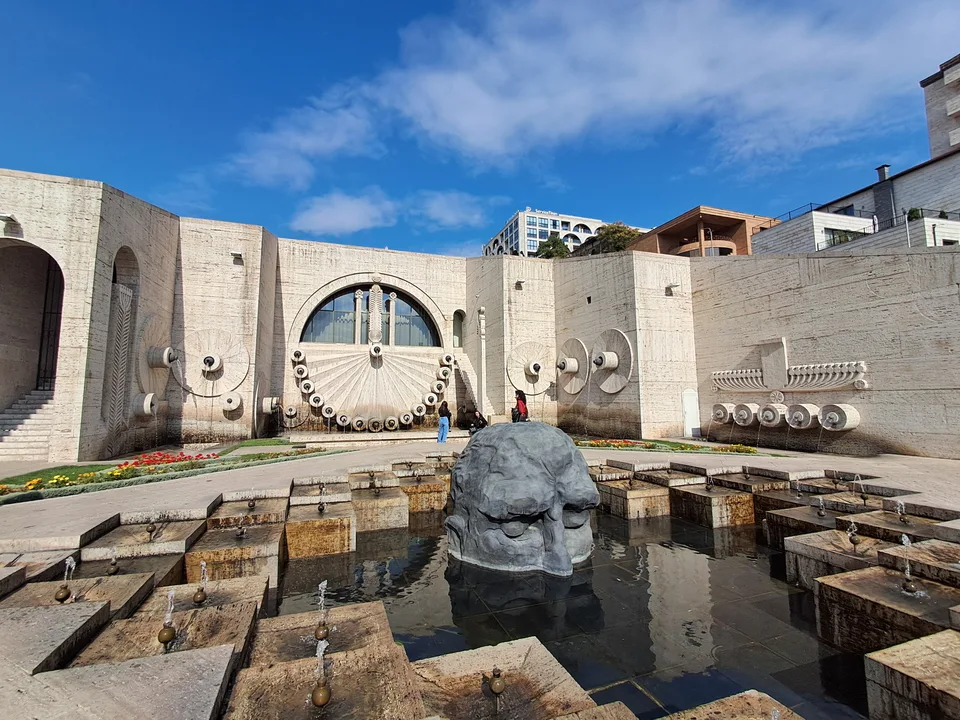
The Cascade is both a hillside architectural complex and a setting for contemporary art. The city’s Cafesjian Center for the Arts page explains the sculpture garden and galleries associated with it. The outdoor spaces reward looking carefully at individual works and how they sit against terraces and city views. A climb can be worthwhile without making the highest possible point the sole measure of success.
Expect steps and exposed sections, and adjust your route to heat, footwear and mobility. Check the current gallery arrangements before assuming an interior visit or escalator connection is available. The operator’s website could not be reached during this guide’s research, so no unverified admission price or opening hours are quoted. If contemporary art is a priority, confirm access through the centre or municipal visitor information before setting aside a particular afternoon. Clear weather adds to the experience but is not something to book around with certainty.
Make Matenadaran more than a stop outside the building
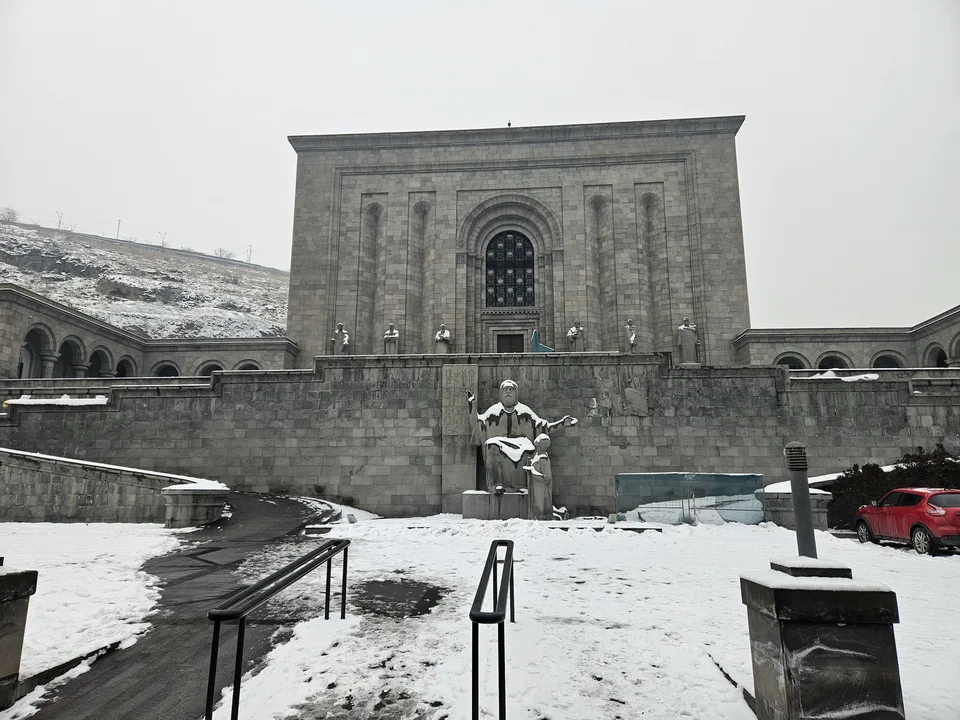
Matenadaran is a manuscript repository, museum and research institute on Mashtots Avenue. Its collections concern much more than religious texts: the official city introduction describes material connected with medicine, philosophy, geography, literature and other fields. An interior visit offers the chance to see how scholarship and artistic traditions travelled through manuscripts. Consider a guide if you want more explanation than a brief independent circuit provides.
The museum’s own visitor page lists adult admission at 2,000 dram and normal opening Tuesday through Saturday, 10:00–17:50. Sunday, Monday and specified holidays are days off; the English wording “free days” should not be read as an offer of free admission. Foreign-language guiding for a group of up to ten is listed separately at 5,000 dram and should be reserved. Laboratory programmes and restoration-department access have additional conditions and are not included automatically in an ordinary entrance ticket.
Leave space for the Genocide Memorial and museum
Tsitsernakaberd and the Armenian Genocide Museum-Institute require a different pace from a shopping street or a viewpoint. Allow time to read, reflect and move quietly through the memorial setting. Consider the nature of the displays when deciding whether and how to visit with children. Keep any photography respectful and follow the museum’s rules about behaviour and access.
The museum’s visitor information states that admission is free, with donations welcome, and Monday is the regular closing day. Hours vary seasonally, with shorter Sunday access and separate last-admission times. Check the schedule for your exact date, particularly around the November change and public holidays. Guided tours cost extra and require advance arrangements; the museum does not provide them for children under thirteen. Plan transport and a relaxed activity afterwards instead of fitting the visit between two tightly timed bookings.
Explore Kond as a residential neighbourhood
Kond offers a useful contrast with the scale and geometry of the central squares. The municipal tourism page identifies it as a historic district within Kentron, characterized by narrow, uneven and steep streets. Its appeal lies partly in how houses, lanes and courtyards fit the hillside. It is also a neighbourhood where people live, rather than a purpose-built visitor attraction.
Stay on public routes, ask before photographing people, and do not enter a courtyard simply because its door is open. A knowledgeable walking guide can help distinguish historical detail from speculation and explain the area without treating residents as scenery. The surfaces and gradients may be unsuitable for some visitors; ask for a route description before joining a group walk. Pair Kond with a modest amount of central sightseeing, leaving time for a break rather than expecting a completely level, continuous circuit.
Choose accommodation around your actual days
Kentron is the natural starting point for a first accommodation search because many central cultural visits can be combined from there. Compare properties around Republic Square, the Opera area and the approach to the Cascade using the exact entrance location. A broad district label cannot tell you about a steep final walk, a noisy junction or a room facing late-night activity.
For a longer stay, examine alternatives beyond the sightseeing core. Arabkir’s municipal district page helps establish its place within the city, but the district name is not a guarantee of a particular rent or commute. Check the route to work, study or family before deciding. Hotels suit short visits needing reception and luggage support; apartments may offer more space and cooking facilities. Confirm cleaning, utilities, heating or cooling, cancellation terms and the handling of deposits directly with the provider.
Arrange an airport transfer for your arrival time
Zvartnots Airport publishes two distinct bus options. Its official transport page lists Elitebus route 201 at 300 dram per person, paid in Armenian cash, with departures every thirty minutes from 07:00 to 22:00. Route 100 is listed at 500 dram, every thirty minutes from 06:50 to 22:00 and hourly during the overnight period. Check the stop that best serves your accommodation before boarding.
For route 100, the airport lists QR tickets and Visa or Mastercard payment on board; it also identifies Telcell terminals in the public arrivals and departures halls. Do not assume the ordinary city fare applies to this airport service. A prearranged taxi or hotel transfer can be more convenient with heavy luggage or an awkward final connection. Confirm the complete price and pickup instructions, and allow extra time for the flight home instead of relying on a best-case road journey.
Understand the city ticket before tapping
The municipal transport portal lists a single city journey at 150 dram and a 180-minute product at 300 dram for up to three journeys. It also offers longer products, including a 9,000-dram thirty-day option. Choose according to the trips you expect to make, then read the current conditions. The portal contains inconsistent descriptions of some shorter passes, so confirm their ride limits before buying.
Payment method matters. The portal supports bank cards, transport cards and Telcell Wallet, but explains that phone-based NFC payments work for individual journeys rather than attached ticket packages. A phone’s virtual card token may differ from the physical card registered to a package. Use the specified physical bank or transport card when required, and keep the same method available throughout the journey. Check routes separately: an integrated ticket does not make every attraction convenient from every address.
Let food provide another way into the city
Lavash is a good starting point for understanding Armenian food culture. The national tourism page on its preparation describes the thin bread baked against the wall of a tonir oven and commonly eaten with cheese, herbs or meat. Notice how a simple component changes with its accompaniments. Ask about portion sizes before ordering several dishes for a small group, especially when bread and shared plates are involved.
Use menus and specific ingredient questions to choose places that suit your needs. A dish containing herbs is not necessarily vegetarian, and cheese, yoghurt, nuts or meat stock may matter for dietary restrictions. Keep serious allergy information translated and confirm it with staff. You do not need an expensive tasting menu at every meal: balance a planned restaurant visit with simpler food near the day’s route. Check whether service or other charges are included before deciding how much to leave.
Shop at Vernissage with time to compare
Vernissage is the city’s central open market for art, crafts and souvenirs. It can be useful even if your aim is simply to understand the range of work on sale. Look closely at materials, finish and portability, and ask whether an item is handmade, contemporary or a reproduction. A seller’s story is a reason to ask more questions, rather than independent proof of age or provenance.
Compare a few stalls before a substantial purchase and clarify the final price. For anything described as antique or culturally significant, establish export requirements before paying. Food, wood and animal products may also be subject to your destination country’s rules. Keep receipts and pack fragile purchases appropriately. The municipal page also distinguishes the Painters’ Vernissage near the Saryan monument, so check which market a map or recommendation refers to rather than assuming every mention means the same place.
Build a budget from identifiable costs
The verified transport and museum prices make a useful starting calculation: ordinary city journeys at 150 dram, airport bus 100 at 500, the History Museum at 2,500 and Matenadaran at 2,000. They are separate products, with guiding and special programmes potentially extra. Check prices again when purchasing. These figures provide firmer planning anchors than a single daily total that silently assumes a particular hotel and eating style.
Accommodation and excursions will often determine the larger differences between trips. Compare final room prices, cancellation terms, breakfast and transfers before choosing. Set aside money for taxis when a journey is inconvenient, and for changing an outdoor plan. Keep more than one payment option and ask your bank about foreign transaction and withdrawal charges. For a potential move, calculate a household budget from actual rental offers, bills and school or healthcare quotations rather than presenting a visitor’s spending as a resident’s monthly cost.
Choose dates for walking and cultural visits
Spring and autumn can be practical choices for a city itinerary centred on walking, with layers and a flexible response to rain or temperature changes. Summer requires more attention to shade, water and the timing of exposed climbs; winter calls for warm clothing and care on steps and slippery surfaces. Mountain or regional conditions may differ substantially from central Yerevan on the same day.
The national hydrometeorological service’s climate overview documents both summer heat and winter cold in Yerevan. Historical observations help explain the range of conditions; they are not a forecast for your stay. Use a current forecast before an excursion and check road conditions when winter weather is possible. Put museums into the hotter or less suitable outdoor hours, and leave the Cascade visit movable. A short trip benefits more from one adjustable afternoon than from a rigid promise of sunset views.
Three days with room to absorb the city
On day one, orient yourself around Republic Square and devote a substantial visit to the History Museum, provided it is open. Follow with a short central walk and a meal near your base. Keep the evening flexible, particularly after a flight. This gives you a manageable start and a chance to understand local payments and transport.
Use day two for Matenadaran during its Tuesday-to-Saturday schedule, then the Cascade and its art setting if access and weather suit. Leave time between them for lunch and rest. On day three, visit the Genocide Memorial and museum respectfully, then choose Kond, Vernissage or a quieter afternoon according to your interests. These are suggested combinations, not guaranteed daily programmes. If the stay includes Monday, move museum visits accordingly. Add Erebuni as a separate archaeological emphasis rather than squeezing it into an already full central circuit.
Add Erebuni or a regional outing for a different perspective
The Erebuni Historical and Archaeological Reserve-Museum introduces Urartu through archaeological objects and evidence of architecture, irrigation and fortification. It is a purposeful addition for visitors interested in the city’s ancient foundation. Confirm current museum and fortress access directly, including any separate guiding or site arrangements. An archaeological outing deserves suitable footwear and attention to exposed conditions, rather than the assumptions of an indoor gallery visit.
For a day beyond Yerevan, consider Garni and Geghard. The national tourism itinerary groups them as a regional excursion. UNESCO’s Geghard listing concerns the monastery and Upper Azat Valley, including rock-cut churches and tombs; it should not be extended casually to every nearby attraction. Discuss the route, walking requirements, admission costs and return time with your driver or operator. Avoid treating an advertised minimum duration as a guarantee that leaves room for another major booking afterwards.
Plan onward travel around current borders
Yerevan can sit within a wider Caucasus journey, but a line on the map is not enough to establish a usable border crossing. Current official travel advice reports the Armenia–Azerbaijan border closed and warns of tensions. Check regional advice before arranging independent road trips, and do not assume a city itinerary establishes the safety or accessibility of distant border areas.
If considering another Armenian base, VisaWand’s Gyumri location page and Dilijan location page provide places to investigate; they are location directories rather than completed travel guides. Compare the reason for each stop, accommodation and actual transport availability. For travel through Georgia, the Tbilisi city guide offers a separately researched introduction. Confirm the current service, schedule, ticket conditions and border documents for any cross-border transport before building the trip around it. Leave connection time that can absorb delays.
Inspect a home through a normal working week
Begin a possible move with temporary accommodation and test the journeys you will repeat most. Visit a prospective flat at different times, travel to work during the expected commute and check groceries and other essentials on foot. Ask about heating, cooling, hot water, internet, lift maintenance and the person responsible for repairs. The particular building and unit matter more than a general reputation for the neighbourhood.
Verify the owner or authorized agent, record the inventory and existing damage, and obtain written terms for deposits, notice, utilities and repairs. Ask about emergency arrangements and building documentation in this earthquake-prone country; a renovated interior cannot establish structural condition. For families, contact schools directly about places, teaching language, fees and transport. Check healthcare and prescription needs before committing to a location. A comfortable visitor apartment is a useful starting point, but it has not yet been tested as a long-term household.
Check entry permission against the actual passport
Use the Armenian Foreign Ministry’s visa guidance to check nationality, travel-document category and purpose. Visa-free arrangements vary, and a friend’s experience may not apply. A temporary exemption currently runs from 1 July 2026 to 1 July 2027 for listed nationalities holding qualifying residence permits from specified countries, subject to validity and presentation requirements. Check the complete conditions; holding any foreign visa is not equivalent to qualifying under that rule.
Where required, follow the official e-visa or consular route linked by the ministry, including invitation requirements where applicable. Verify the permitted stay on the issued permission and retain your travel documents. VisaWand’s Armenia destination page can help identify relevant consultant listings alongside these official resources. Entry permission should be settled before non-refundable arrangements, particularly when the journey involves several countries or depends on a particular crossing.
Keep a visit separate from work, study and settlement
Moving to Yerevan requires checking the basis for your own stay. The Foreign Ministry’s residence guidance distinguishes temporary, permanent and special status, with different eligibility and documents. Renting a home does not by itself establish permission to work or permanent residence. For study, obtain the institution’s current requirements and confirm the immigration route before treating admission as the final administrative step.
The Migration and Citizenship Service’s employment procedure directs employers to the online work-permit system. Exemptions and nationality arrangements need individual checking; even EAEU citizens may need online confirmation of the legality of residence despite work-permit exemptions. Arrange suitable healthcare cover and accessible funds. Official health advice lists 911 for requesting an ambulance with an English speaker. Use VisaWand’s consultant directory to compare advisers’ scope, qualifications and fees, while keeping government decisions and professional advice distinct.
Official planning resources
Reviewed 15 October 2026. Use the official resources linked throughout this guide for admission, transport, housing and immigration decisions. Prices, services and rules can change; confirm the details relevant to your dates. Photography illustrates the locations and is not a live view.
View all official resources
- Yerevan Municipality: tourism
- Visit Yerevan: Erebuni chronology
- Visit Yerevan: Cascade and Cafesjian Center
- History Museum of Armenia: hours and booking
- History Museum of Armenia: standard admission
- Matenadaran: working hours and tickets
- Zvartnots Airport: buses and transfers
- Yerevan Municipality: current ticket portal
- Visit Yerevan: Vernissage market
- Armenian Foreign Ministry: visa eligibility and temporary exemption
- Armenian Foreign Ministry: temporary and permanent residence
- Migration and Citizenship Service: employment residence
- FCDO: Armenia safety and transport
- Armenian Genocide Museum-Institute: plan a visit
- UNESCO: Geghard and the Upper Azat Valley
- Armenia Tourism Committee: lavash
- Armenian Hydrometeorology and Monitoring Center: climate overview
- Visit Yerevan: Kond district
- Visit Yerevan: Erebuni reserve museum
- FCDO: Armenia health
- Yerevan Municipality: Arabkir district
- Armenia Tourism Committee: short itinerary
- Visit Yerevan: Republic Square
- Visit Yerevan: Matenadaran collections
Plan the next part of your journey
Explore the Armenia guide, browse other cities or compare consultants for your travel and relocation questions.