Visa
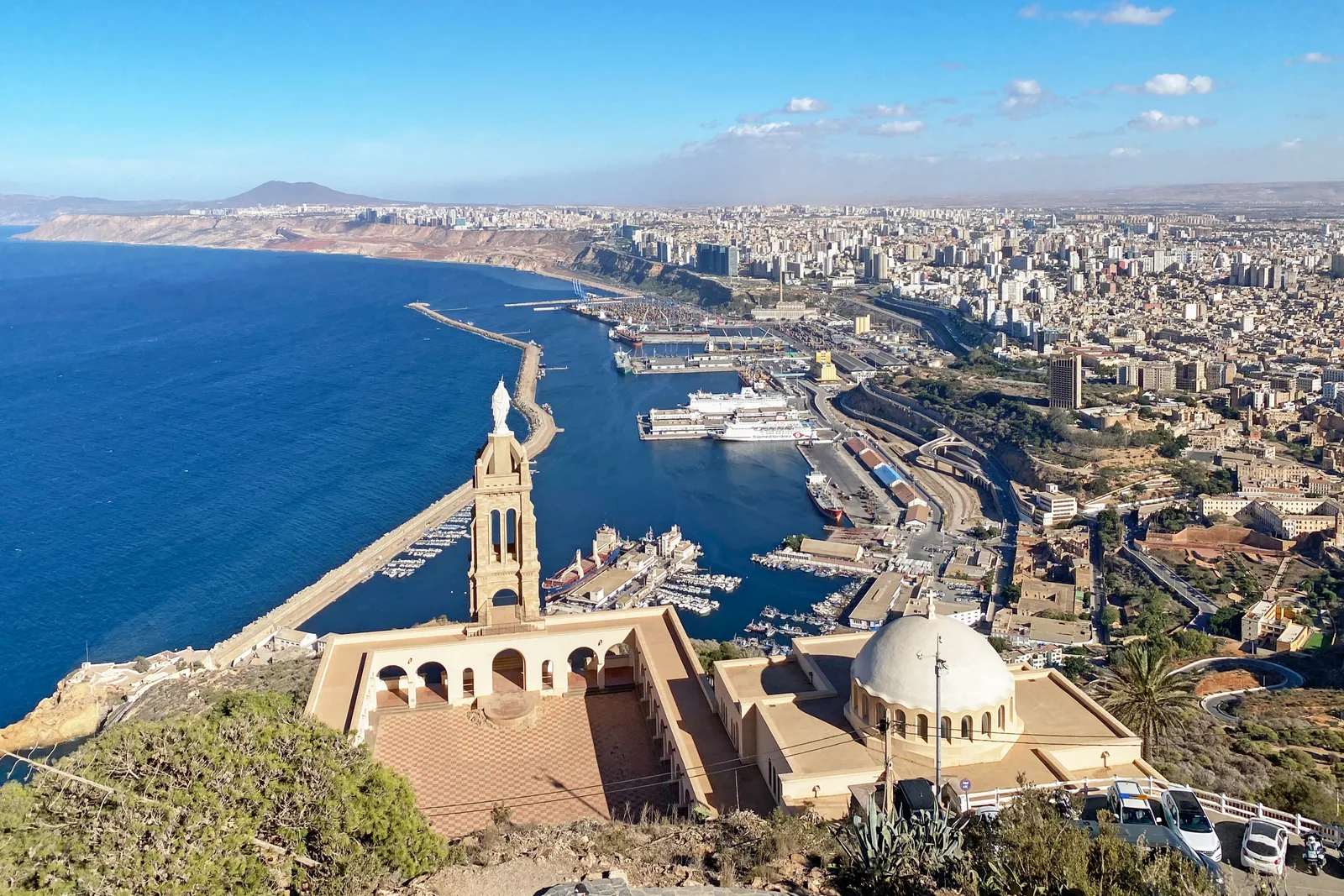
Oran is an urban Mediterranean stay
Oran combines a working port, hillside views, busy streets and a musical identity closely associated with raï. It is a useful choice for travellers interested in architecture, public life and the coast, rather than a resort where every day revolves around a hotel beach.
Allow three or four nights for an initial visit, with room to rearrange an outing if a building is inaccessible or the weather changes.
For prospective residents, look beyond the view: the address relative to work or a university campus, household services and the terms of a tenancy matter more than a holiday impression. Use the Algeria country guide for national context before deciding whether Oran fits your plans.
Read the city through its changing rulers
Oran’s buildings reflect successive Spanish, Ottoman and French colonial periods, followed by its development within independent Algeria. These layers overlap rather than dividing neatly into separate streets. A building’s present name or appearance may conceal several phases of alteration and reuse.
The French National Institute for Art History’s research on the Palais du Bey offers a concrete example. It places the Ottoman palace within the Spanish-built Rosalcazar fortress and describes later changes under French rule, after the capture of Oran in 1831. Some decoration that looks like a single historical composition belongs to different periods.
That context makes a guided heritage walk more rewarding than collecting façades without explanation. Agree the route and fee in advance, including whether it involves interiors or exterior interpretation only. For further checks, the Algerian Culture Ministry’s protected-heritage inventory identifies designated sites; listing as heritage does not establish that a monument is open for ordinary visits today.
Begin around Place du Premier Novembre
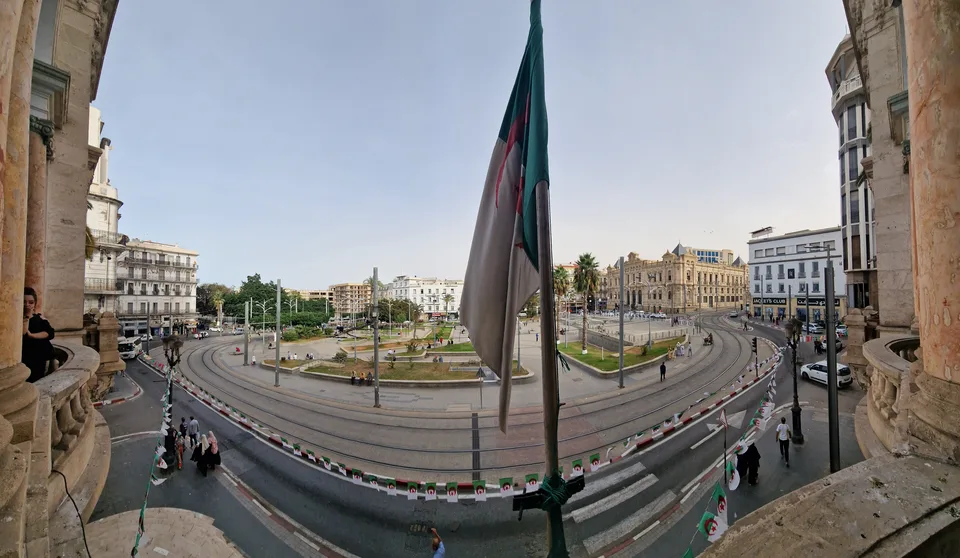
The civic centre gives a practical first orientation. Place du Premier Novembre, the theatre and city hall provide recognisable reference points for a walk, while surrounding streets reveal arcades, apartments, commerce and everyday movement. The national tourism office’s Oran overview presents the centre as a lived urban environment, not simply a collection of isolated monuments.
Start with an unhurried circuit and leave time to notice changes in street level and architecture. Check the return route to your accommodation while it is light. A route that looks short on a map may involve slopes, crossings or uneven surfaces that affect a family or someone with limited mobility.
Treat public squares and building interiors differently. An open doorway or a photograph taken from city hall does not establish visitor access to that viewpoint. Ask before entering working premises, and do not photograph official or security-sensitive facilities simply because they fall along an attractive street.
Separate Santa Cruz’s sanctuary from the fort
Santa Cruz is a major reason to make time for Oran’s heights. The panorama helps explain the city’s relationship with its harbour and surrounding hills, but the religious sanctuary and the fort should not be treated as one attraction with a shared timetable or ticket.
The Diocese of Oran’s information on Notre-Dame de Santa Cruz describes a place that receives both pilgrims and visitors. Approach it as a religious site as well as a viewpoint: dress respectfully, keep noise low and ask about photography or any space in use for worship.
Confirm current access to the particular buildings before travelling up. No consistent authoritative timetable or universal combined entrance price was established for this guide. Arrange the return journey in advance if using a taxi, especially when hoping to stay for changing light.
Explore Sidi El Houari with historical context
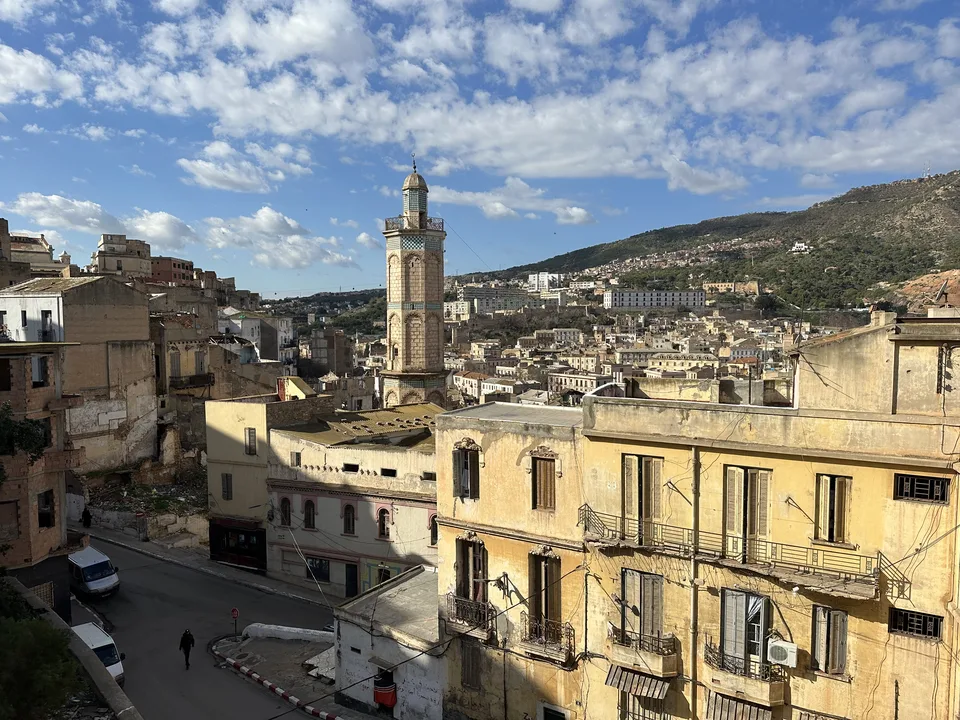
Sidi El Houari offers another perspective on Oran, with older buildings, religious heritage and the relationship between the lower city and the heights. It is best approached with attention to the lived neighbourhood as well as its monuments. Avoid treating residential doorways and courtyards as freely accessible sightseeing spaces.
The Palais du Bey is particularly useful for understanding that layered history. INHA’s architectural account traces the reuse of the fortress and the palace’s later decorative changes. Before making an interior visit essential to your itinerary, check whether current conservation work or management arrangements affect access.
A knowledgeable local guide can connect the palace, religious sites and street pattern without promising that every building will be open. Agree the amount of walking, the meeting point and the end of the route. If you prefer independent exploration, keep to a manageable daylight circuit and ask your accommodation about current local conditions rather than following an unfamiliar shortcut.
Leave space for the Ahmed Zabana Museum
The Culture Ministry’s Ahmed Zabana National Museum information provides a starting point for a museum visit and explains its institutional history, including its former Demaeght name. This is an opportunity to add context to a stay that might otherwise be dominated by viewpoints and exterior architecture.
Confirm the current exhibitions, opening day and admission charge directly before arranging your afternoon. Reliable current visitor tariffs and a consistent public timetable were not established from the authoritative material reviewed here. Older travel descriptions should not be treated as proof that every gallery remains accessible.
Understand raï before searching for a performance
Raï is part of Oran’s appeal, but it deserves more than a nightlife label. UNESCO’s account of raï describes an Algerian musical tradition addressing social realities, including love, freedom and social pressures. Its inscription on the Representative List of the Intangible Cultural Heritage of Humanity came in 2022.
The UNESCO safeguarding decision also references a national raï festival in Oran. That recognition does not establish a festival date, a current programme or a performance available during every visitor’s stay. Check an actual event listing and the organiser’s details before booking around music.
If a venue advertises live entertainment, ask about the performer, format, start time and any admission or minimum-spend condition. Plan how you will return to your accommodation, and treat the music as part of a continuing local culture rather than expecting a staged experience on demand.
Compare the centre with Bir el Djir
For a short visit, central Oran can reduce the number of transfers between walks, meals and civic landmarks. An address farther from the core may offer a different room type or setting, but needs a clearer plan for returning after dinner. Ask for a precise location rather than relying on a property’s broad description of its neighbourhood.
Bir el Djir matters particularly for some work and study routines. USTO Mohamed Boudiaf’s official campus information identifies both IGCMO and its main Bir el Djir campus. A prospective student should check the actual faculty or building, rather than assume that a university name points to a single daily destination.
Use the Bir el Djir destination page to orient the area, then test the relevant journey at the time you would make it. A location directory is a geographical resource; it is not evidence that every district has a completed editorial guide or that its commuting conditions are identical.
Treat the surrounding beaches as separate outings
Oran’s seafront and the beaches of the wider coast should not be conflated. The tourism brochure’s Oran section distinguishes the western corniche and places such as Cap Falcon and Les Andalouses from coastal areas towards Kristel in the east. Choose an outing for the particular beach, access and facilities you need.
Before leaving, establish the transport cost, return arrangement and whether food, toilets or suitable changing facilities will operate. If you are taking children, ask about that day’s supervised swimming area and conditions. A beach appearing in a tourism brochure does not guarantee safe water or lifeguard cover on your date.
Keep a shore walk or another activity available if swimming is unsuitable. For anyone with limited mobility, enquire about the whole route from vehicle to beach rather than only whether parking exists. Do not plan a distant coastal outing into the final hours before a flight unless you have allowed a substantial travel margin.
Choose accommodation by access and inclusions
Compare central hotels, guesthouses and larger properties along the coastal roads according to the days you intend to spend. Check the bedroom, not just the public areas: ventilation, cooling or heating, noise, bed arrangement and the route from reception matter. For an apartment, establish the cooking, laundry and cleaning arrangements.
As a concrete option to investigate, Four Points by Sheraton Oran is on Boulevard du 19 Mars, Route des Falaises. Its official information lists a complimentary airport shuttle with a reservation requirement. Confirm availability and booking conditions directly; this is a property-specific service, not a promise that all hotels provide transfers.
Compare the final payable amount and cancellation terms for your dates. If step-free access is important, ask about the exact room and its bathroom, lift and entrance route rather than relying on an overall description of the property.
Use Ahmed Ben Bella airport information for the actual flight
Oran’s airport is Ahmed Ben Bella, also referred to as Es Sénia, with the code ORN. The operator EGSA Oran places it in Es Sénia, about 12 kilometres south of Oran. That is a broad location description, not the distance to every hotel or a guaranteed transfer duration.
Check the operator’s published flight information and your airline’s confirmation for the terminal and schedule. A flight board showing a service on an earlier day does not prove that the same departure operates on your date. Build in time for formalities and baggage as well as the road journey.
For an arrival transfer, obtain a quote covering passengers, luggage, any child-seat needs, waiting after a delay and the exact destination. If using a reserved hotel shuttle, save the meeting instructions and contact details before flying. Reconfirm the departure pickup rather than assuming it follows automatically from the arrival booking.
Confirm rail and tram journeys with the operator
For an intercity arrival, start with SNTF’s official train search. Select the actual departure and arrival stations and travel date, then check operating-day notes and the reservation arrangements. Indexed timetables with old dates are not a reliable basis for a current connection.
Compare a train journey from Algiers with flying on the complete travel day: station access, boarding, baggage and the final transfer to accommodation all affect convenience. If online reservation is unavailable for a particular service, establish the station-ticket procedure before relying on a seat.
Within Oran, the tram can be relevant to central journeys, but this review did not establish a current fare from an accessible operator source. Check the ticket machine or sales point for the applicable fare, validation rules and last service. Do not assume a hotel’s location near a line removes the final walk, or that the tram serves a hilltop attraction or airport terminal directly.
Eat regionally and shop with clear expectations
Algerian food varies substantially by region and household. The national tourism office’s craft and cuisine information introduces dishes including couscous, chorba, bourek, sardines and karantika. Use those names to ask what is prepared locally, rather than expecting every restaurant to serve a complete national repertoire.
For a simple meal, compare current menus and ask what the price includes. Establish the portion or weight for fish and the total before preparation. A seafront setting does not itself demonstrate freshness, value or a particular cooking style. For allergies, explain the ingredient and cross-contact concern directly instead of relying only on a translated dish name.
Markets can be useful for observing everyday commerce as well as shopping. The tourism brochure identifies Madina Jdida among places to investigate. For crafts or clothing, ask where an item was made, inspect the actual piece and agree the price before alterations or wrapping. Keep a receipt for a substantial purchase.
Budget in dinars and verify fees for your circumstances
Use Algerian dinars, shown as DZD, when comparing local purchases. Ask whether a written quotation is in dinars or another currency, and keep your card provider’s conversion charges separate from the local amount. Establish how you will pay for accommodation, transport and smaller purchases rather than assuming identical card acceptance everywhere.
Build a budget around confirmed room rates, transfers, meals and paid visits. The complimentary shuttle listed by Four Points is a useful inclusion to compare; it does not justify an invented citywide taxi fare. Current attraction prices were not consistently available from authoritative sources during this review, so confirm them locally.
Entry costs can also matter. The Algerian Consulate in London’s published visa information lists £85 for ordinary visa categories for British passport holders, with separate work and transit charges. This is a UK consular example checked in October 2026, not a universal Algerian visa fee. Other applicants should confirm their own charge and payment method.
Plan for hot summers and wetter winter spells
The national tourism office’s seasonal guidance describes Oran and the Mediterranean coast as having hotter, drier summers and cooler, wetter winters. Spring or autumn is worth comparing for a walking-focused visit. For a beach-led trip, investigate summer dates while making realistic provision for heat, shade and transport.
Check the local forecast close to departure rather than treating a seasonal description as a prediction. A windy viewpoint and a sheltered city street can feel quite different on the same day. Bring footwear with grip and a layer suitable for the coast, especially when planning to remain out after sunset.
In winter, ask about heating and the condition of windows in older accommodation. In summer, confirm cooling inside the actual bedroom. Religious holidays and Ramadan can affect opening patterns and meal arrangements independently of the weather, so check the dates relevant to your stay and confirm any important appointment or evening plan.
A practical three-day introduction
Day one: settle into the accommodation, walk around Place du Premier Novembre and build a manageable circuit of the civic centre and seafront. Keep time for a meal and for checking the route home. An arrival day does not need an additional distant excursion.
Day two: arrange Santa Cruz, with access and the return journey confirmed, then explore part of Sidi El Houari if the timing and walking suit you. If visiting the Palais du Bey, establish current access beforehand. Avoid scheduling several uncertain interiors as consecutive appointments.
Day three: choose the Ahmed Zabana Museum, a market visit or a coastal outing according to confirmed opening arrangements and weather. Keep the final part of the day flexible if travelling onwards.
With a fourth day, add the option you left out or a verified current music event. A slower pace gives more room for the city’s everyday life and makes a changed timetable easier to absorb than an itinerary dependent on every door opening exactly as expected.
Moving here begins with the property and the commute
Inspect a potential home as part of an ordinary working week. Compare central Oran with addresses nearer your employer or campus, and test the actual route at the relevant hour. A short, pleasant holiday walk says little about the cost and time of repeating a journey every day.
Check cooling, heating, ventilation, water pressure, hot water and noise. Test the internet connection in the room where you would work, and ask what is possible if the primary connection fails. Mobile reception in the lobby does not establish useful service throughout an apartment.
Get the tenancy duration, rent currency, deposit, inventory, repairs and termination conditions in writing. Establish the owner’s authority to let the property and obtain independent help with unfamiliar terms. For families, verify school admission and the journey before committing. Do not treat a temporary holiday rental as proof of year-round availability or assume a rental contract settles immigration eligibility.
Establish how household services will work
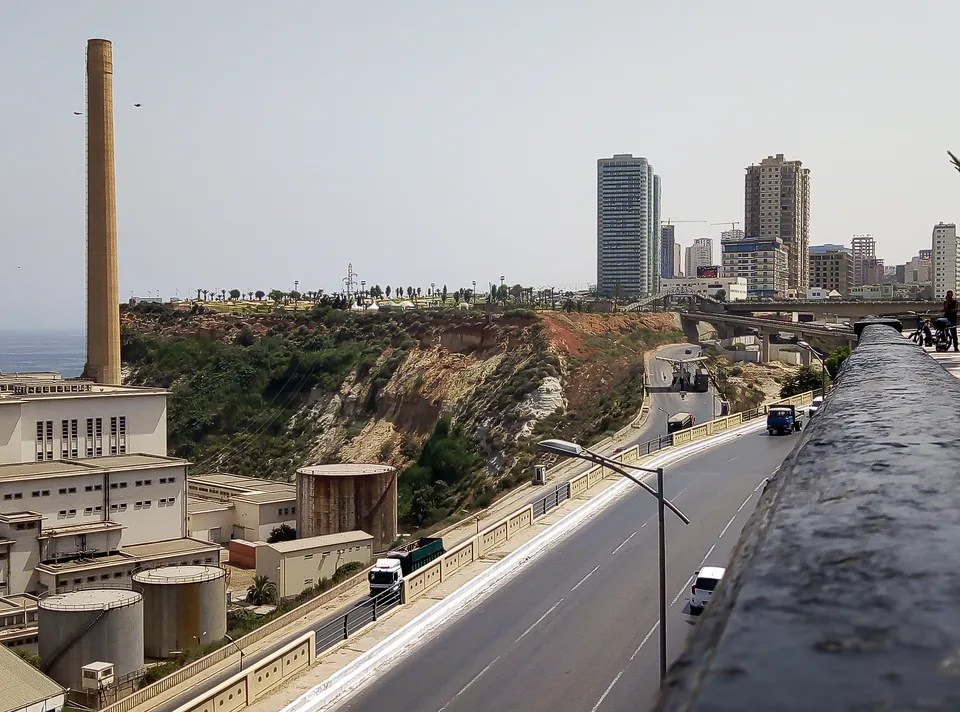
Ask for recent electricity, gas and water bills, and clarify whose name holds each account. Establish whether meters are individual, how payments are made and who handles a disputed balance or interruption. Record meter readings and the condition of equipment at handover rather than leaving them as an informal understanding.
Sonelgaz’s customer-services page provides links to its contact and payment channels. Use the supplier’s actual procedure for an account change; paying rent does not itself show that a utility contract has transferred. Ask the landlord to explain any shared-building charges separately from household consumption.
For daily needs, locate groceries, a pharmacy and transport before selecting an isolated address for its view. If you need regular medical care, identify the appropriate provider and funding arrangements first.
Keep tourism, employment, study and residence distinct
Check the responsible Algerian consulate’s requirements for your nationality and country of residence. The FCDO entry guidance for British citizens requires a visa in advance and at least six months’ passport validity on arrival. It mentions specific southern-tourism arrangements; those should not be treated as general visa-on-arrival permission for an Oran city break.
Tourist, work and student visas have different documentation. The London consulate describes employment paperwork and labour authorisation for work, and enrolment and funds for study. Confirm your individual route before accepting employment or making a long-term commitment; a visitor visa is not a substitute for that permission.
The Interior Ministry’s foreign resident-card information sets out a separate process with requirements that vary by circumstances. Start document planning early and ask the authority which rules apply to you. Use VisaWand’s Algeria consultant listings to seek individual assistance where needed, while checking eligibility against the official authorities. A lease or property purchase does not automatically grant permanent relocation rights.
Prepare for healthcare and everyday security
The official Algeria health guidance recommends insurance and accessible funds for treatment and repatriation. It gives 16 or 1021 for an ambulance and notes that communication may be difficult without Arabic or French. Arrange any regular medication and relevant paperwork before departure rather than relying on finding an identical product immediately.
Review the current official security guidance and keep valuables discreet in busy places. Avoid political gatherings, follow local instructions and obtain advice before unfamiliar journeys. The country’s border warnings concern particular areas; they should be read geographically rather than used to assume every place has the same conditions.
Keep passport copies separately and understand when the original is needed, including hotel check-in and domestic flights. For viewpoints or beach visits, organise a return that fits the conditions and your group’s needs. A sensible transport plan is also useful for an ordinary evening out, particularly when returning to an address outside the centre.
Give other western Algerian destinations their own time
Mostaganem offers another coastal destination to investigate, while Tlemcen provides a different setting for a longer western Algerian itinerary. Check the actual transport and current visitor access to the sites you want, rather than assuming that a nearby label makes either an effortless addition to a short stay.
Algiers is a further option for a trip combining cities. Compare the travel day and accommodation needs before adding it; a rail connection is not a reason to compress two substantial urban visits into a rushed schedule. The Algeria location directory helps orient these choices and should be read as a directory, not as a completed guide to every settlement.
Do not plan an overland continuation into Morocco: the official safety guidance states that the land border is closed. Oran is more rewarding when given time for its own architecture, hills, music and coastal life, with wider journeys built around confirmed routes and permissions.
Official planning resources
Reviewed 26 October 2026. Use the official resources linked throughout this guide for admission, transport, housing and immigration decisions. Prices, services and rules can change; confirm the details relevant to your dates. Photography illustrates the locations and is not a live view.
View all official resources
- INHA architectural research: Palais du Bey
- Algerian Culture Ministry: protected heritage in Oran
- Visit Algeria: Oran destination information
- Diocese of Oran: Notre-Dame de Santa Cruz
- Culture Ministry: Ahmed Zabana National Museum
- UNESCO: Rai, popular folk song of Algeria
- UNESCO: Rai safeguarding decision and Oran festival
- USTO Mohamed Boudiaf: university campuses
- Tourism brochure: Oran heritage and coastal areas
- Marriott: Four Points by Sheraton Oran
- EGSA Oran: Ahmed Ben Bella airport location
- EGSA Oran: published flight information
- SNTF: official train search
- Visit Algeria: regional food and crafts
- Algerian Consulate in London: tourist, work and study visas
- Visit Algeria: seasons and coastal weather
- Sonelgaz: customer services and payment portal
- FCDO: Algerian entry requirements for British citizens
- Algerian Interior Ministry: foreign resident card
- FCDO: Algeria healthcare and emergency numbers
- FCDO: Algeria security, borders and ID
Plan the next part of your journey
Explore the Algeria guide, browse other cities or compare consultants for your travel and relocation questions.