Visa

About Art Academy of Cincinnati
An independent art college in Over-the-Rhine
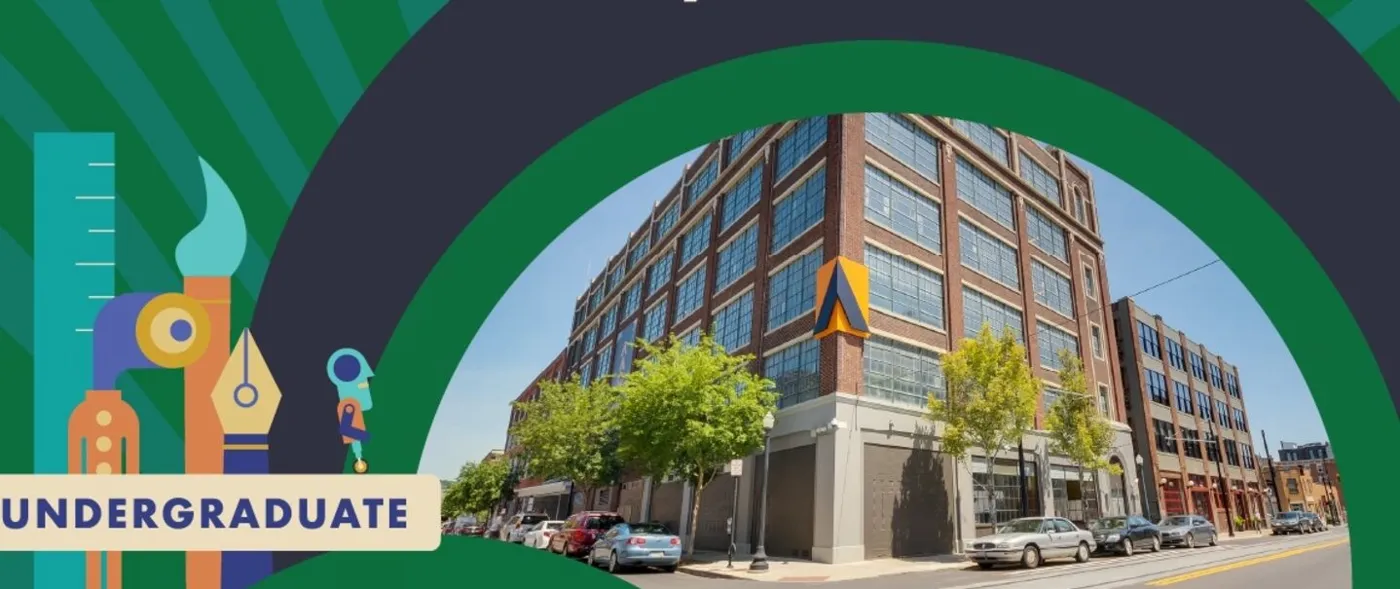
The Art Academy of Cincinnati is an independent college of art and design at 1212 Jackson Street in Cincinnati’s Over-the-Rhine neighbourhood. Its roots lie in the McMicken School of Drawing and Design, founded in 1869. The school was associated with the University of Cincinnati before becoming part of the Cincinnati Museum Association and adopting the Art Academy name in the nineteenth century.
For much of its history, the academy operated as a museum school beside the Cincinnati Art Museum in Eden Park. A four-year curriculum was introduced in 1950, and the Bachelor of Fine Arts programme followed in 1979. The academy became independent of the museum association in 1998. Its move to Over-the-Rhine in 2005 brought teaching and student studios into an urban campus within the historic neighbourhood.
Sources: About AAC and institutional history ↗
Creative practice and educational values
The academy’s mission centres on contemporary visual artists and designers and the contributions they make through creative work. Its published values combine creativity, curiosity and individuality with education, history and community. Experimentation and inquiry are presented as parts of artistic development, alongside the technical and critical skills involved in making work.
The educational objectives ask students to develop their own formal and conceptual interests, articulate an individual voice and relate their practice to art and design history. Collaboration and contemporary practice also appear within the academy’s framework. Community is approached through the connections artists make with the places and people around them. This combination places independent creative exploration within a wider context of scholarship, shared learning and participation in cultural life.
The Bachelor of Fine Arts pathway
The undergraduate programme follows a four-year structure described as a first-year experience, two years of major study and a final-year experience shared across disciplines. The first year combines art history, English and studio arts. Students explore different media and approaches to personal expression while preparing for more concentrated study.
During the second and third years, disciplinary coursework is accompanied by studio and liberal-arts electives. Professional Practice courses form part of these middle years. In the final year, Senior Pathways Studio brings students from different majors together, with faculty supporting a collaborative environment. The Senior Capstone Experience includes a written statement, a formal project and a culminating review. The academy’s programme pages list areas ranging from creative writing and design to illustration, painting and drawing, photography, print media and sculpture, alongside digital arts animation.
Sources: Undergraduate programme ↗
Graduate study for artists who teach
The Master of Arts in Art Education is designed for working art and design educators. Its low-residency format uses intensive summer study, allowing participants to maintain professional commitments while dedicating time to their own creative practice. The programme links the experience of making art with reflection on teaching and learning.
The thirty-credit curriculum consists of eighteen credits of studio work, nine credits of art-education seminars and three credits of art history. Studio exploration is therefore a substantial part of the degree, complemented by educational discussion and historical perspectives. The programme’s stated aims include maintaining a professional studio practice, relating contemporary educational issues and research to teaching, and considering western, non-western and Indigenous art contexts. Artistic development and educational practice are treated as connected areas of graduate inquiry.
Sources: Master of Arts in Art Education ↗
Studios, workshops and shared facilities
Student studios provide places to experiment, develop work and exchange feedback. Junior and senior students receive studio space, with remaining spaces offered to sophomores as available. Shared studios encourage conversation and collaboration, while workshops and laboratories support work across disciplines following the relevant training or course enrolment.
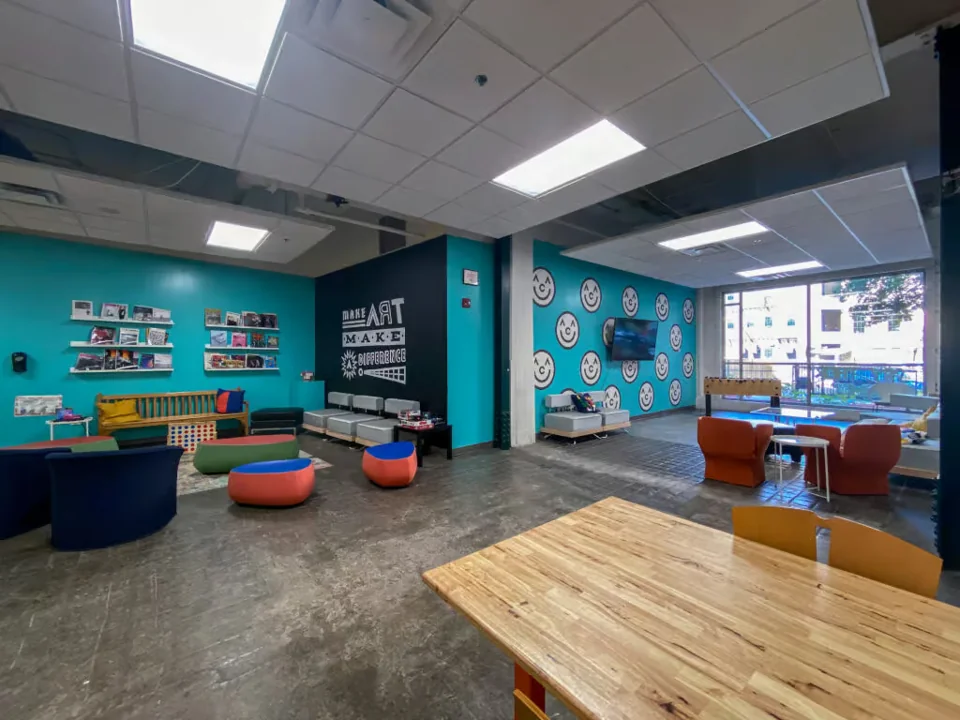
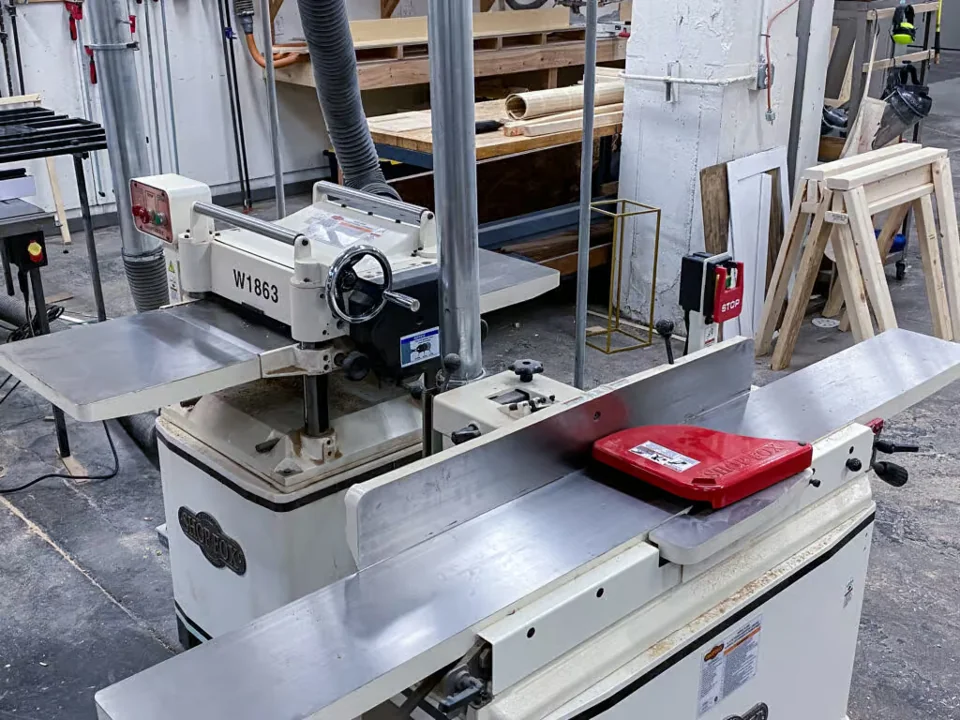
The facilities include a woodshop, laser cutting, three-dimensional printing, computer laboratories and media-equipment lending. Photography, video and sound resources include lighting facilities, editing space, an audio-recording booth and a darkroom. Print-media workshops provide equipment for screen printing, relief, lithography and letterpress. Galleries offer exhibition spaces, while the commons includes reading and lounge areas, shared tables and recreational amenities. These facilities connect individual studio work with production resources and spaces for meeting other students.
Sources: Student studios and facilities ↗
Professional development and practical experience
The Office of Career Services offers individual appointments, workshops, events and guidance for students preparing to work in the arts. Its published support includes portfolios, résumés, artist statements, grant writing and exploration of graduate study. Networking activities, visiting-artist connections and the annual career fair provide further contact with professional communities.
Professional Practice coursework connects studio and liberal-arts learning with activities beyond college. Students can apply for credit-bearing internships with museums, galleries, studios, businesses and other organisations. The published internship framework includes supervised contact hours and documentation of the experience. Exchange and cross-registration arrangements provide additional academic options, while student ambassadors, peer mentoring and gallery teams offer ways to practise leadership. The voluntary Arts Business Certificate programme recognises participation in professional-development activities, rather than replacing the academy’s degree requirements.
Art education beyond degree programmes
Community education extends the academy’s teaching to people of different ages and experience levels. Courses and programmes are hosted at the Over-the-Rhine campus, allowing community participants to learn in the same institutional setting as the college’s other activities. Year-round courses for adults and older teenagers include drawing, painting, photography and other art forms.
The younger-age programmes have different formats. Camp Art Academy serves children aged five to twelve, while Teen Academy offers summer art and writing courses for teenagers. Portfolio Preparation supports high-school students considering further artistic study. Future BFA Pre-College provides a more intensive summer experience with college-level credit. These programmes connect introductory exploration, sustained practice and preparation for further study, making the academy’s educational work broader than its undergraduate and graduate degree provision alone.
Sources: Community Education ↗