Visa

About Abilene Christian University
A Christian university rooted in Abilene
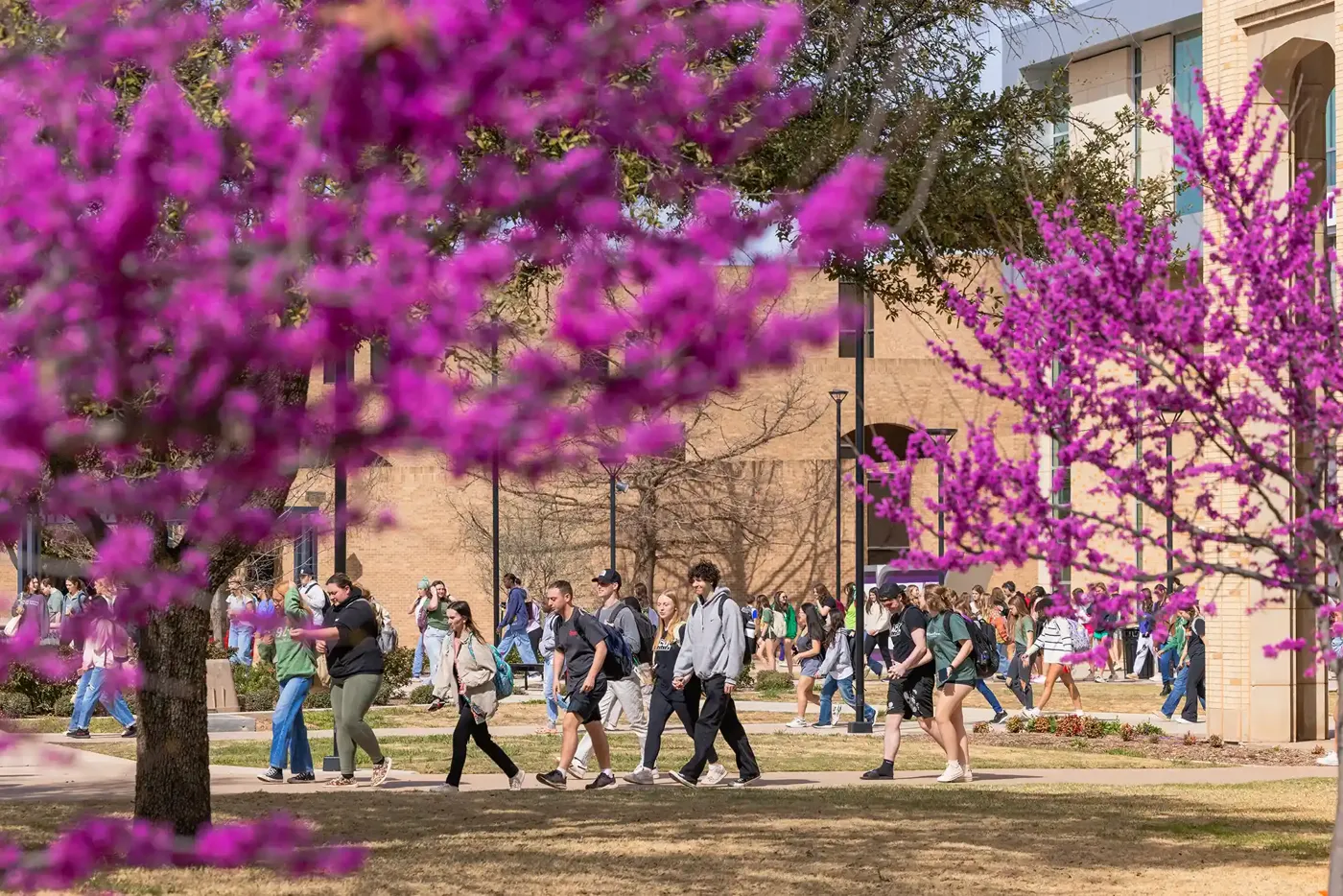
Abilene Christian University is based in Abilene, Texas, with residential and online undergraduate and graduate education. Its stated mission centres on preparing students for Christian service and leadership around the world. Teaching, research and community engagement are presented as connected expressions of that purpose. The main campus brings academic work together with worship, student activities, athletics and residential life. A separate branch campus in Addison, north of Dallas, supports online programmes and also hosts a graduate speech-language pathology cohort.
The institution opened in 1906 as Childers Classical Institute, initially serving primary and secondary grades. It subsequently became Abilene Christian College and developed its college level provision. The present campus opened in September 1929, beginning with eight buildings. In February 1976, the trustees voted to adopt the name Abilene Christian University. This progression links the university’s current academic organisation to more than a century of educational development in west Texas.
Sources: About ACU ↗ · History and traditions ↗
Science and engineering through experience
The Robert and Kay Onstead College of Science and Engineering brings together biology, chemistry, biochemistry, engineering, physics, mathematics, and agricultural and environmental sciences. Its description emphasises understanding the natural world and applying that understanding to practical questions. Departments and subject areas include nuclear science and engineering alongside other laboratory and quantitative disciplines. The college also identifies a Center for Pre-Health Professions as part of its academic resources.
Experiential learning is a recurring part of the college’s approach. Agricultural and environmental sciences students apply their studies at the university farm, while engineering and physics connect theory with research. Biology, chemistry and biochemistry provide preparation relevant to subsequent professional study. Mathematics develops analytical skills that can be used across many fields. The college presents undergraduate research as an important opportunity for students to move beyond classroom explanations and participate in investigation with faculty.
Research with faculty mentors
ACU describes research as work shared by students and faculty across disciplines, extending from laboratory science to social questions and creative activity. The Division of Research, Scholarship and Creative Activities supports this work through coordination and collaboration. Its research overview gives examples ranging from urban food insecurity to nuclear technology, showing that inquiry is not restricted to one department or a single type of evidence.
The Nuclear Energy eXperimental Testing Laboratory, known as NEXT Lab, studies molten salt nuclear technology. Its stated research goals connect energy, water and medical isotope needs. Elsewhere, the School of Information Technology investigates uses of generative artificial intelligence in education, including its risks and potential benefits. The university also describes students presenting research at conferences and contributing as co-authors to publications. These examples show different ways in which academic study can lead into sustained investigation, collaboration and the communication of findings.
Sources: Research at ACU ↗
Brown Library as a learning centre
Brown Library supports students, faculty and visiting scholars through collections, research assistance and collaborative spaces. It brings reference librarians together with writing support and technology specialists. ACU Press, the Maker Lab and the Innovation Foundry are among the resources housed there, giving the library roles in publishing, making and digital work as well as reading and information discovery. Its special collections add historical and archival material to the university’s scholarly resources.
The library website provides several routes for locating information, including OneSearch, a catalogue, research databases, subject guides and Digital Commons. Interlibrary loan extends the search beyond locally held material. Research help includes citation guidance, a distance learning portal and facilities for printing, copying and scanning. Its scholarship services also identify data management, data visualisation, publishing and geographic information tools. Together these services support the process of finding sources, evaluating material and presenting academic work.
Sources: Brown Library ↗
Learning in other cultural settings
ACU’s faculty led study abroad programmes combine academic courses with living in another community. Its principal destinations described on the study abroad page are Oxford in England and Leipzig in Germany. Students live with other ACU participants and take classes involving university and local faculty. The university places these experiences within its wider Christian educational purpose, emphasising integrity, mutual respect and the relationships formed through shared daily life.
In Leipzig, the programme uses a nineteenth century villa near the city centre. In Oxford, students live in a renovated Victorian era house. These settings provide a base for engaging with local history, architecture and contemporary culture rather than simply making a short visit. The study abroad office is located in the Center for Experiential Learning at Brown Library. Its role connects overseas academic opportunities with the broader university learning experience.
Sources: Study abroad ↗
Faith, service and campus traditions
Spiritual formation is a visible part of ACU life. Chapel opportunities include gatherings for the whole campus, smaller groups and academic departments. The university describes worship, fellowship and learning as shared practices, alongside community service and ministry. The Halbert Center for Missions and Global Service connects students from different majors with opportunities to apply their knowledge and skills in service settings. Leadership camps also involve university students in mentoring younger participants.
Traditions contribute another dimension to campus identity. Homecoming brings alumni back for activities and celebrations, while the annual Sing Song competition combines student groups, a cappella arrangements, costumes and choreography. The university’s history dates Sing Song to 1957. The Candlelight Devo tradition involves students at the beginning and conclusion of their university experience. Alongside student organisations and athletic support, these activities build relationships across classes and generations, connecting personal participation with the institution’s continuing sense of community.
Sources: Spiritual life ↗ · History and traditions ↗