Visa

About Appalachian College of Pharmacy
A college rooted in southwest Virginia
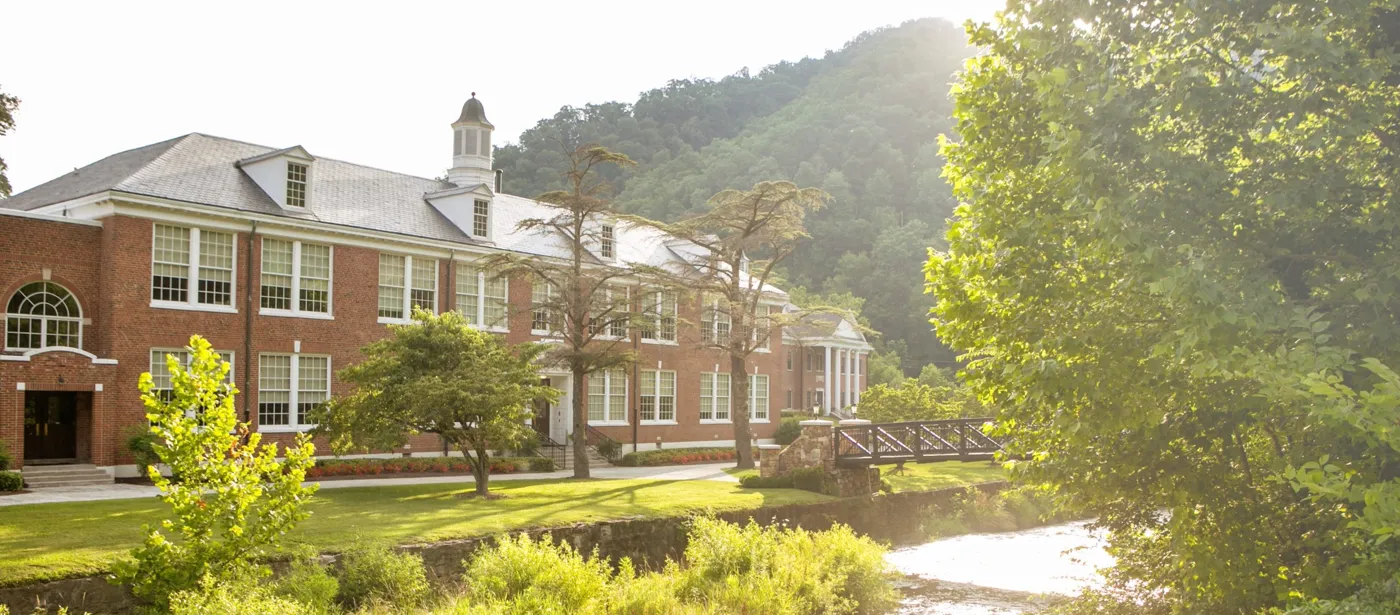
Appalachian College of Pharmacy is in Oakwood, Buchanan County, in southwest Virginia. It was founded in August 2003 as the University of Appalachia. Its history identifies Frank Kilgore as the founder, working in response to a request from county bodies for a higher-education institution serving regional development needs. The first class enrolled in August 2005 and graduated in spring 2008. In February 2009 the institution adopted its present name. The college's mission connects education, service and scholarship with the needs of rural and underserved communities, particularly in Appalachia. Its stated values include professionalism, social responsibility, collaboration and continuing learning. This regional purpose informs the college's account of both its academic provision and the community activities undertaken by students and staff.
Sources: College identity and history ↗
An accelerated pharmacy curriculum
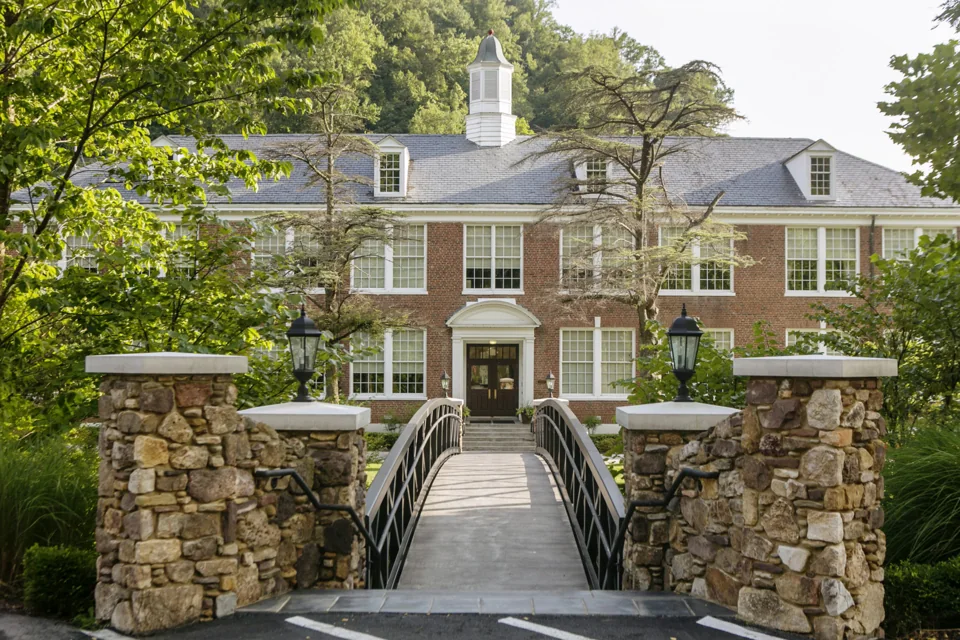
The Doctor of Pharmacy programme is organised across three academic years. Its published degree requirements include at least 140 credits and more than 1,700 hours of experiential coursework. The course sequence combines classroom and laboratory work with experience in practice settings. Early subjects include pharmaceutical principles, communication and professional development, pharmaceutics and applied pharmacokinetics. Later study includes drug information, clinical research, biostatistics, pharmacy law and health-services administration. The timetable also contains interprofessional education experiences and progressively advanced practice components. The final year includes hospital and health-system, community, ambulatory-care and inpatient-medicine experiences, alongside electives. These elements show how the curriculum moves from scientific and professional foundations towards applying learning in different pharmacy settings. The college separately includes community service as a requirement of the programme.
Sources: Doctor of Pharmacy programme ↗
Public health leadership and population-level study
The online Doctor of Public Health programme is presented as an interprofessional degree in public health leadership. Its minimum forty-six credits include an applied practice experience as well as research and writing. Foundational study covers public-health research methods, leadership, policy and administration, community assessment, intervention planning, programme implementation and evaluation, and health communication. Students select among specialisations in Preventive and Integrative Care, Rural Health, and Global Health. The course list also includes a doctoral research project and a capstone paper. The college describes the programme as extending attention from individual patients to population-level questions. Its educational aims include community capacity-building, coalition-building, organisational direction and evaluating programmes. The emphasis is on collaborative investigation and the design and assessment of public-health activity.
Sources: Doctor of Public Health programme ↗
Historic and newer academic buildings
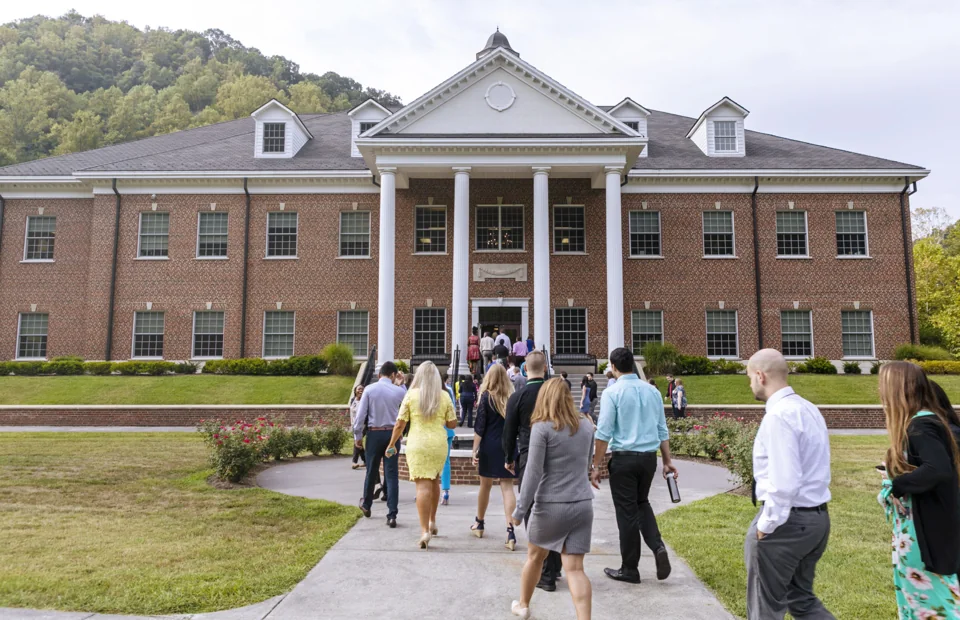
The campus guide describes Garden Hall as a renovated building dating from 1940. It accommodates the Library and Learning Resource Center, a student laboratory, research space and several administrative offices. The building also provides space for college gatherings, including ceremonies and graduation. McGlothlin Hall opened in June 2009 as a new academic building. Its facilities include lecture halls, classrooms, research space, a conference room and offices supporting experiential education and college administration. The guide also records partnerships for classes beyond the main campus: an agreement with the Southwest Virginia Higher Education Center was signed in December 2022, followed by an agreement with the Roanoke Higher Education Center in February 2025. These are described as opportunities for eligible students after completing their first pharmacy-school year.
Sources: Campus and facilities ↗
Tutoring, advising and peer connections
The Planned Academic Success System, known as PASS, is the college's academic-support programme. Student tutors provide individual sessions, small-group assistance and reviews open to a whole class, with faculty also contributing academic help. A separate Faculty Advisor Program pairs students with members of faculty who can discuss goals, academic needs and other concerns. The college describes this relationship as a source of guidance throughout a student's academic experience. Its peer-mentoring programme connects incoming first-year students with second- or third-year students who can help them become familiar with the academic environment and college community. Student Affairs also coordinates disability services. Current and archived student handbooks and course catalogues are made available through Student Services, with printed copies available for consultation in the library.
Sources: Student services ↗
Service as a curricular commitment
Pharmacists in Community Service, or PICS, connects the pharmacy curriculum with organised service activity. The programme requires students to complete one hundred hours during their three-year enrolment, including at least seventy-five before the advanced practice rotations that follow the first two years. The college divides eligible activities into health-related patient care, health-related non-patient care and general service. Its examples extend from preparing educational material and supporting awareness activities to park cleaning, youth work and reading to children. The programme description also identifies participation in regional outreach events. Service may take place outside class hours, including weekends and holidays. Through this structure, the institution makes community participation a defined element of its educational programme, with documented requirements alongside academic coursework.
Sources: Pharmacists in Community Service ↗
Student organisations and professional participation
The college's student organisations offer additional settings for leadership and participation. The Compounding Club organises workshops and activities related to pharmaceutical compounding, while professional association chapters connect students with pharmacy interests beyond the classroom. The Student Government Association represents student interests, plans activities and encourages cooperation between students, faculty and administration. A Student Leadership Council coordinates event schedules across organisations and supports communication between them. The published organisation directory also includes a Diversity Task Force and groups concerned with community pharmacy, health-system pharmacy and scholarly achievement. These groups have different purposes, but together provide ways for students to organise events, exchange professional interests and participate in the college community. Their activities complement the formal academic and service requirements described in the college's programmes.
Sources: Student organisations ↗