Visa
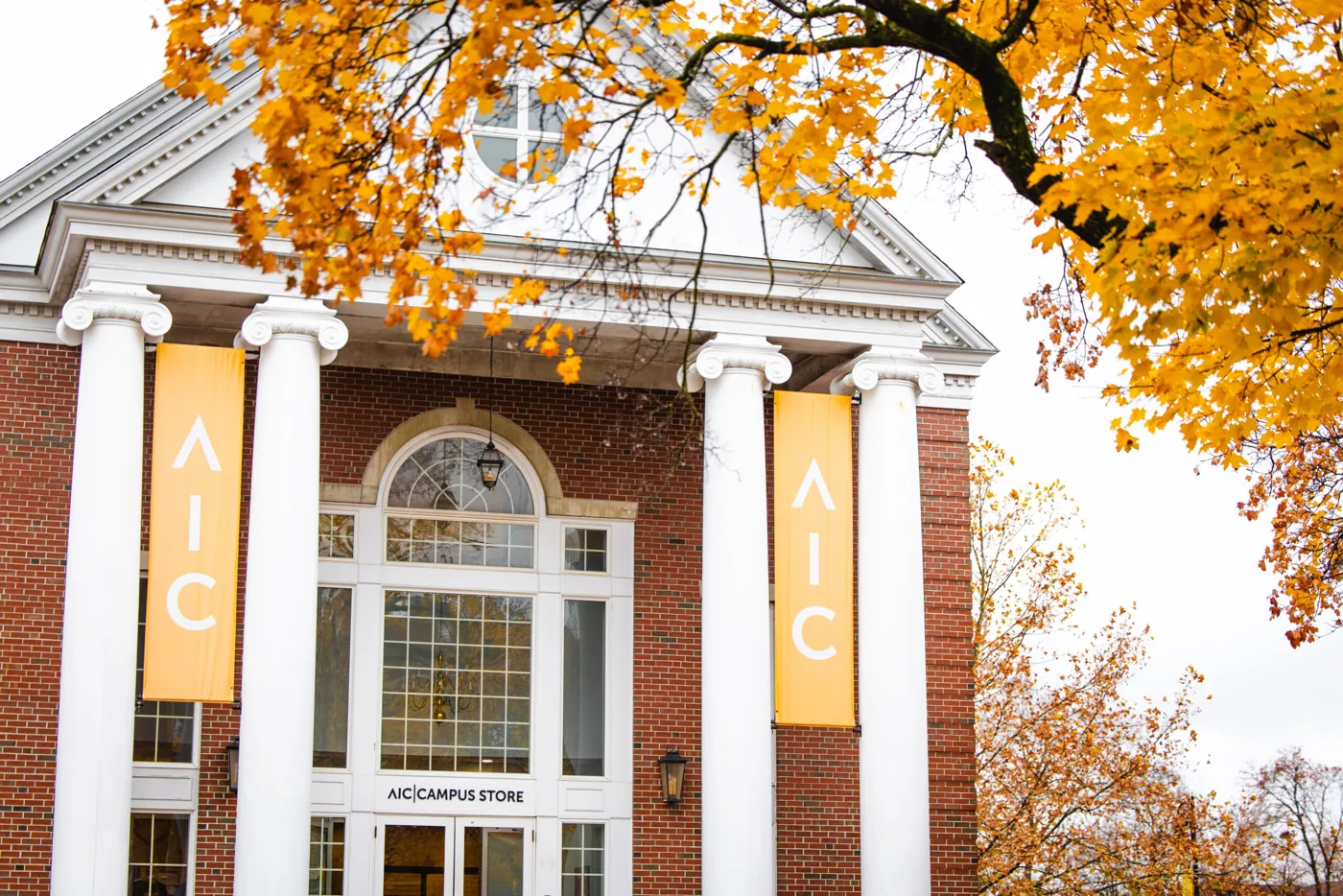

About American International College
A Springfield college with immigrant-education roots
American International College, known as AIC, is a private college in Springfield, Massachusetts. Its origins date to 1885, when the Reverend Calvin E. Amaron and other clergy sought to expand educational opportunities for French Canadian immigrants. John Morton Greene, the first president and board chairman, helped secure its Massachusetts charter. The institution admitted women in 1892, broadening access during its early years. Its educational role continued to evolve as immigration patterns and the needs of the surrounding community changed. After the Second World War, evening and summer study helped accommodate increasing demand. Programmes in arts and sciences, business and teacher education expanded during the twentieth century, with nursing and criminal justice added later. This history connects AIC’s present identity with education designed for people following different routes into college.
Sources: Community and institutional history ↗
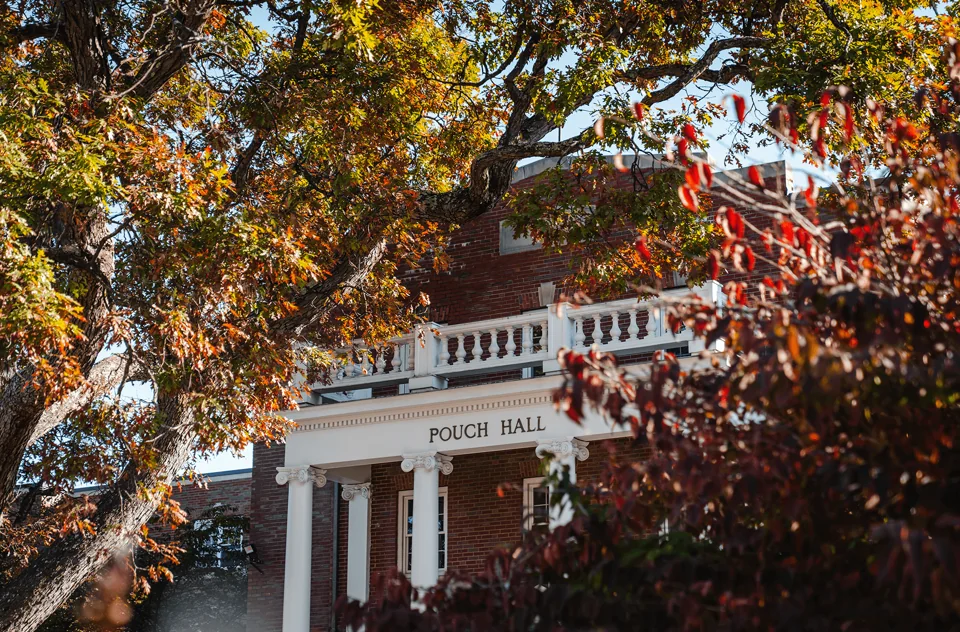
Mission and a place in Western Massachusetts
AIC’s main address is 1000 State Street in Springfield, placing the college within the city and the wider Western Massachusetts community. Its mission combines access to education with personal development in an inclusive learning environment. Five stated values organise that mission: access, opportunity, diversity, community and belonging. The college describes liberal-arts study alongside internships and community-focused learning, rather than treating classroom subjects and applied experience as separate parts of education. Its programme formats include on-campus and online study, and its academic provision extends from undergraduate to graduate work. Mentorship, advising and first-generation support are part of the approach described in its institutional presentation. These commitments explain the importance AIC places on a sense of connection within the college.
Academic exploration through AIC Hives
The AIC Hives are academic and career-exploration communities for students who want to investigate related subjects before selecting a major. Instead of entering a general undecided category, students can join a community that brings together several programmes in an area of interest. The approach combines contextualised APEX courses with programming and opportunities to explore possible fields of work. Examples include business and entrepreneurship; arts, media and design; science and technology; movement sciences; and community and human services. Faculty, peers and academic advisors help students understand how the different subjects connect. AIC encourages students to choose a specific major by the end of their first year, giving the exploration stage a place within a longer programme of study.
Sources: AIC Hives academic exploration ↗
Support from advising to tutoring
AIC’s academic-support provision includes several services with different responsibilities. Student Success Advising connects students with success coaches who develop mentoring relationships across their undergraduate years. The Noonan Center offers free peer tutoring, individually or in small groups, across a range of subjects. The Center for Accessibility Services and Academic Accommodations provides resources, training and direct assistance. The LIFT Center addresses practical concerns that can affect participation in college, including food access, housing, transport, childcare and benefits. Distance and online students are directed to resources for technical help and maintaining contact with the institution. Together, these services show how academic assistance at AIC extends beyond help with a particular assignment to include the conditions that make sustained study possible.
Shea Library and local historical memory
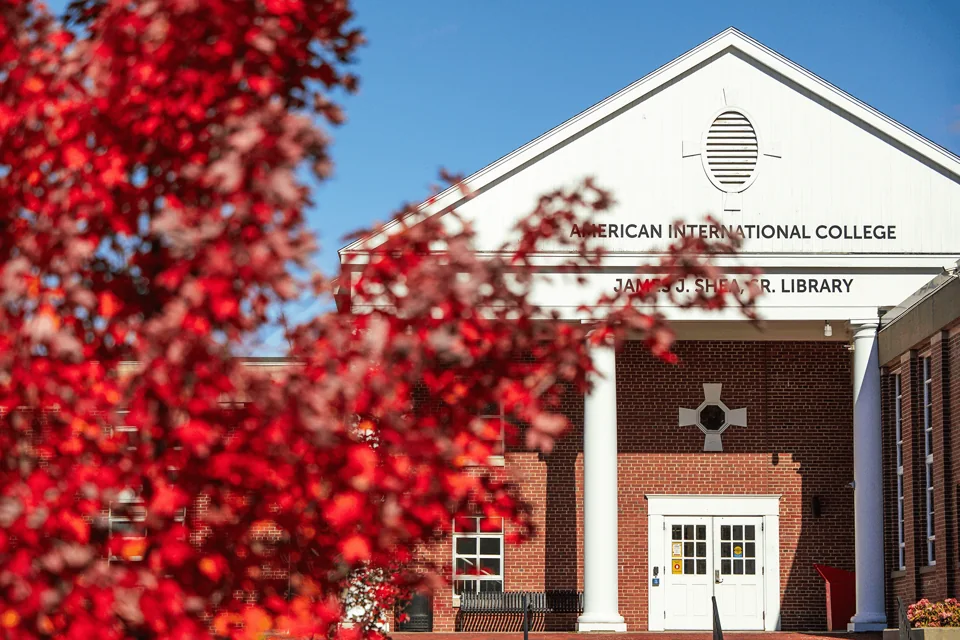
The James J. Shea Sr. Memorial Library provides print and electronic resources, research guides, video tutorials and librarian appointments. Its spaces include individual study carrels, group rooms, computer facilities and a designated quiet floor. The first-floor Learning Commons supports several styles of study, while the Flag Room provides a larger collaborative area. The college archives preserve photographs, scrapbooks, film and other records of AIC’s history. A separate oral-history collection grew from a 1971 interdisciplinary course on Springfield’s social and cultural history. The Oral History Project followed in 1973, and digitisation of its audio interviews began in 2017. These interviews document regional experiences including immigration, farming, family life, government and education, connecting the library’s academic role with the history of the Pioneer Valley.
Sources: James J. Shea Sr. Memorial Library ↗
Student organisations and representative leadership
Clubs and organisations provide students with ways to develop interests and take responsibility for activities on campus. AIC’s student-life guidance describes officer roles within organisations and offers help to students who want to establish a new group. The Center for Student Engagement is located in the Schwartz Campus Center. Formal representation takes place through the Student Government Association, whose structure includes an Executive Committee, Senate and Class Boards. Its purpose is to represent the student body, communicate information and advocate for improvements to the college experience. Co-Curricular Awards recognise undergraduate service to AIC and the surrounding community. This combination gives student involvement several forms, from organising a club’s work to participating in elected representation and community service.
Sources: Activities and student leadership ↗
Learning through a voting-rights exhibit
A November 2026 college report describes the We The People exhibit in the West Wing Gallery of the Karen Sprague Cultural Arts Center. The installation traces voting rights in the United States through constitutional developments and the work of people who sought to expand participation. Students from arts, entertainment management, digital media production and graphic design contributed to the project. Its contents include historical images, information on constitutional amendments and material about registration and participation. The exhibit was developed as an educational opportunity around civic involvement, with the college also serving as a polling place for the Mason Square neighbourhood. The report scheduled the display through 10 November, making it a dated example of student contribution to a public-facing campus project.
Homecoming and the college’s recorded stories
Homecoming Weekend on 2–3 October 2026 brought alumni, families and friends back to AIC for sporting events, reunions and activities across campus. The programme included Athletics Hall of Fame ceremonies, an alumni gathering in the Stinger Pub and an alumni softball game. A video-storytelling initiative also collected reflections from alumni and friends as part of the We Are AIC Project. Digital Media Production students worked with faculty and college staff on that recording effort. The project connects personal accounts with the broader institutional history preserved through AIC’s archives and exhibits. Homecoming therefore included both social traditions and a practical opportunity for students to contribute media work to the college’s continuing record of its community.
Sources: Homecoming 2026 ↗
October 2026 institutional update
In a joint statement dated 6 October 2026, AIC and the New England Commission of Higher Education reported that the college had been required to show cause at the commission’s January 2027 meeting over its Institutional Resources standard. The statement identifies financial sustainability concerns and describes the college’s response. It explicitly states that AIC remains accredited while on show cause. The January review was a future proceeding at the time of that statement.