Visa
About Alfred State College
A SUNY college in western New York
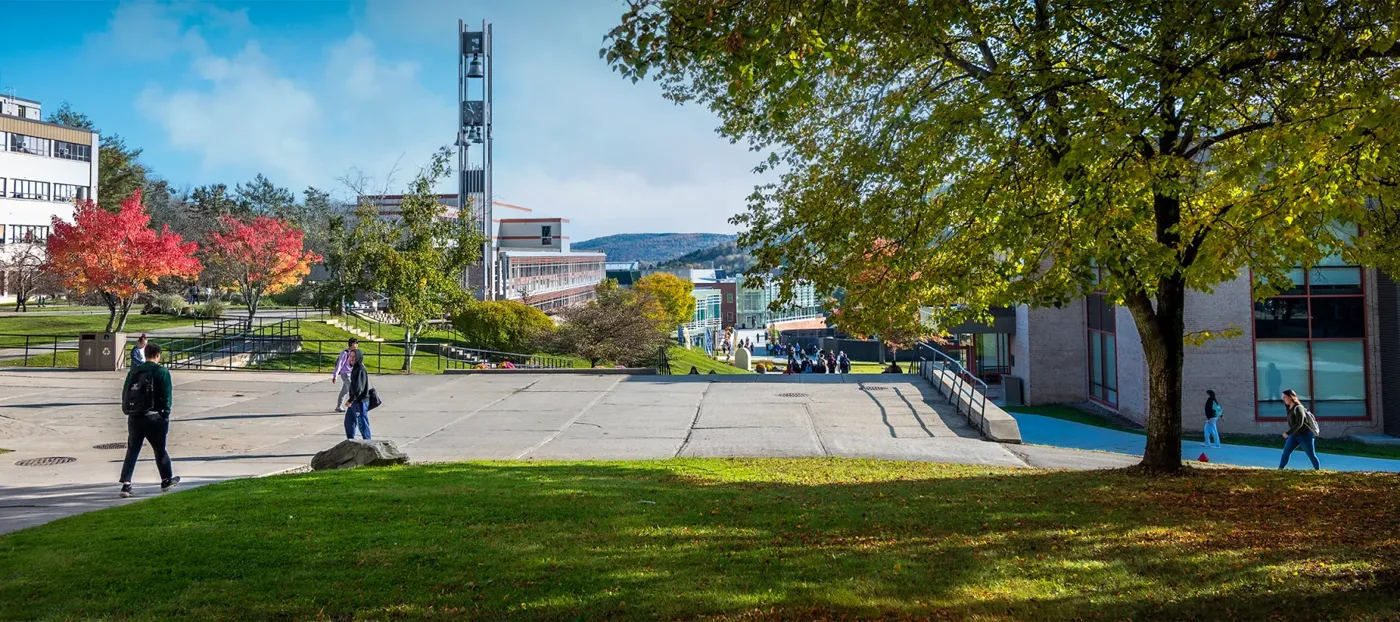
Alfred State College is a public institution in the State University of New York system, based in Alfred, New York. Its college catalogue identifies three teaching locations: Alfred, Wellsville and the Northland Workforce Training Center in Buffalo. Arts and sciences and architecture, management and engineering technology programmes are based in Alfred, where the residence halls are also located. Applied technology programmes operate in Wellsville, while electrical, welding and machine-tool students can choose between Wellsville and Northland. The catalogue traces the college's entry into SUNY to 1948 and the introduction of bachelor's degrees to 1991. Associate qualifications remain an important part of its educational provision alongside four-year study.
Sources: A SUNY college in western New York ↗
Agricultural origins and institutional development
Alfred State began as the New York State School of Agriculture, established on 8 May 1908. Instruction started in October 1909. The institution's history describes financial and enrolment difficulties during its early decades, including local farmers' efforts in 1926 to preserve the school. Business administration and building trades helped broaden its educational role in the 1930s. Expansion after the Second World War brought additional buildings and a wider technical curriculum. The Wellsville vocational programme became permanent in 1967. Later developments included the Student Leadership Center in 2012 and the Sustainable Advanced Manufacturing Center in Wellsville in 2016. These milestones show how the institution expanded beyond its agricultural beginnings.
Sources: Agricultural origins and institutional development ↗
Learning through practical work
Applied learning is presented as a continuing feature of Alfred State's educational approach. The college describes practical activity in laboratories, studios, clinics, workshops and professional settings, beginning before the final year. Its account emphasises using tools and processes associated with a field, testing possible solutions and learning from feedback. Internships, field practicums and applied research are identified as different ways to connect academic knowledge with practice. Students may work with faculty, classmates and external partners as responsibilities develop. This approach links subject knowledge to the decisions involved in producing, testing or improving something, while leaving individual programmes with their own specialist facilities and requirements.
Sources: Learning through practical work ↗
Tutoring and academic support
The college offers peer tutoring for many courses through individual appointments and supplemental instruction. Peer tutors have previously earned at least a B in the relevant course and receive training for the role. Sessions are generally held in person, with online arrangements possible on request. Dedicated tutoring laboratories provide additional points of support. The mathematics and engineering laboratory addresses mathematics, physics, statistics and selected engineering subjects. The Science Center supports areas including biology, chemistry, forensics, nursing and veterinary technology. A Writing Center assists with writing studies, literature and written assignments. Wellsville also has after-school support for electrical construction, culinary and baking, and automotive services.
Sources: Tutoring and academic support ↗
Clubs, representation and creative activity
Student organisations provide opportunities for involvement beyond individual courses. Alfred State's clubs page describes support for students wishing to establish a new organisation as well as participation in existing groups. Student Senate represents the student body and organises opportunities involving recreation, education and leadership. Greek life adds another form of student community, with scholarship, service and personal development included in its stated purposes. Arts and media activities allow students to collaborate through acting, singing, writing and animation. The same guide connects extracurricular participation with community outreach, reflecting the college's stated emphasis on civic engagement alongside practical learning. These activities sit within the wider residential and academic setting.
Living and dining on campus
Residence halls and dining services are prominent parts of the Alfred campus experience. The college's housing guide describes a range of residential arrangements intended to accommodate different interests and needs. Its linked resources distinguish housing options, gender-inclusive accommodation, living-learning communities and information for students living off campus. Students can also find guidance on room selection, moving in, transportation and residential procedures. Dining provision includes venues such as EverGreen and the Terrace, with different options across campus. Together, the residence and dining information describes the everyday infrastructure supporting students outside lessons, while giving students routes to more detailed information about particular living arrangements and services.
Sources: Living and dining on campus ↗
Community service in October 2026
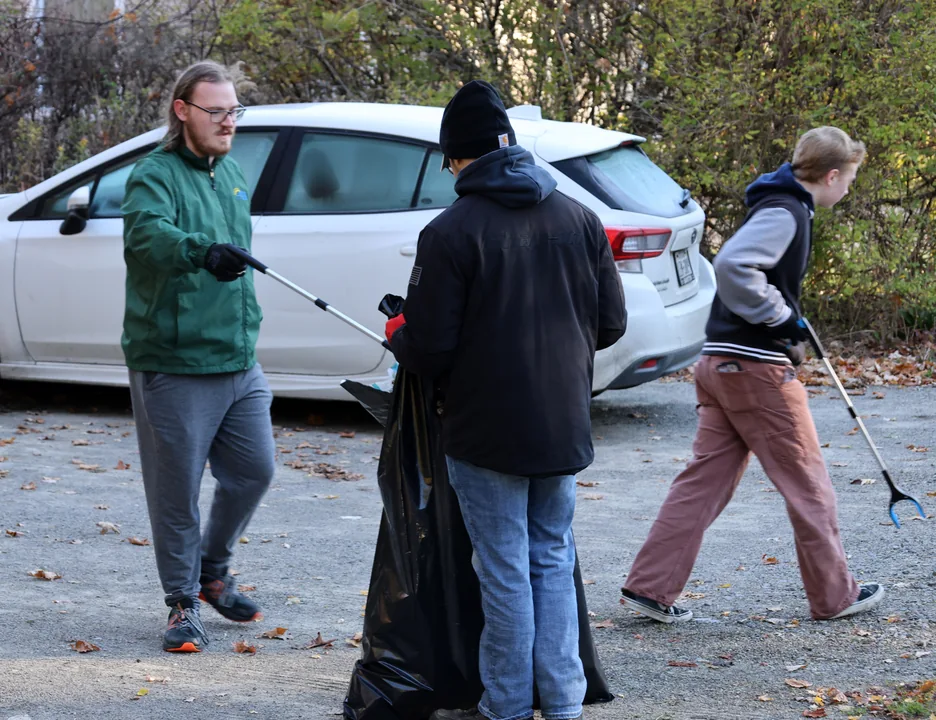
A report published on 28 October 2026 documents the fourth annual Fall Day of Service. Around 125 participants joined ten projects in the local community. The event brought together Alfred State students and staff, Alfred University participants and residents, rather than involving Alfred State alone. Activities included cleaning streets, creeks and trails, collecting leaves, landscaping village entrances and helping at community organisations. Other projects involved the community garden, a local school, the fire company and an arts and ceramics studio. Alfred State participants came from athletic teams, club sports, Greek life and other campus organisations. The report provides a dated example of collaborative service around the village.
Sources: Community service in October 2026 ↗
Architecture students working with Andover
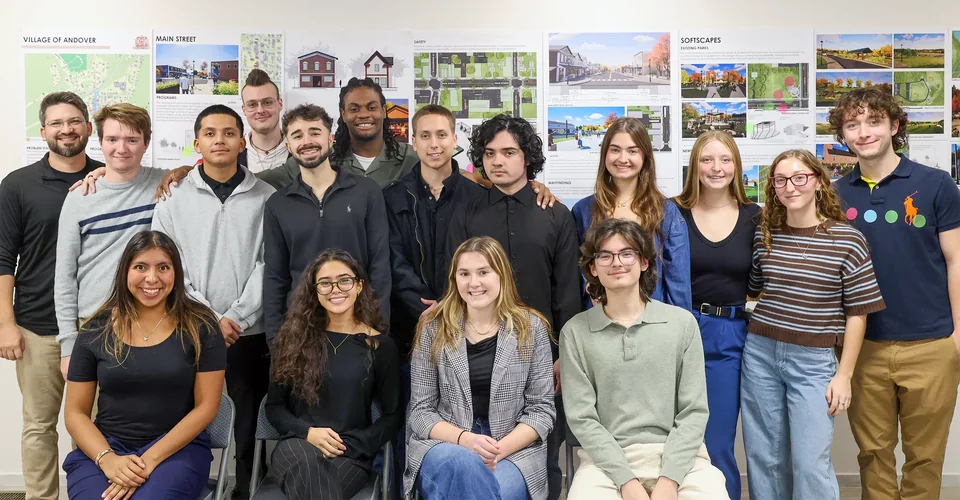
Another October 2026 report describes architecture students' redevelopment concepts for the Village of Andover. Two Design Studio 5 teams completed an eight-week planning and design project, then presented their proposals publicly at the Andover Sports Banquet Center. Students consulted village and county stakeholders and prepared vision boards, presentations and animated walking tours. Their ideas addressed economic development, beautification, historic preservation and architectural rehabilitation. Professors Matt DiRado and Alan Vlakancic led the work. Community members explored the designs and contributed feedback. The proposals were educational planning concepts, with future implementation dependent on further local decisions and resources. The project illustrates how studio work can involve dialogue with a real community.
Sources: Architecture students working with Andover ↗