Visa

About Albuquerque Academy
A secondary school with roots in 1955
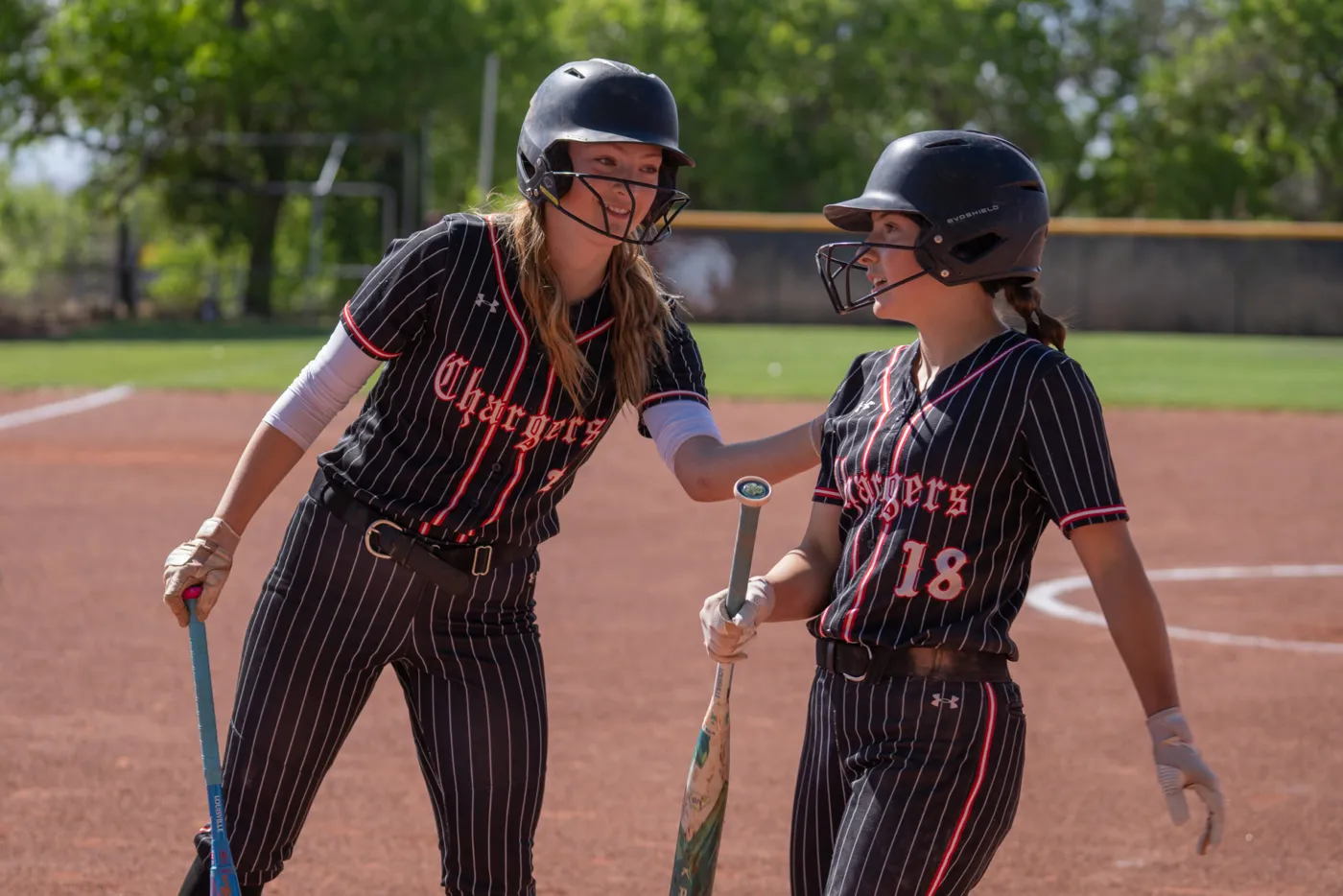
Albuquerque Academy is an independent, nonprofit, coeducational college-preparatory day school in Albuquerque, New Mexico, serving grades six through twelve. It opened in autumn 1955 with twelve boys in grades seven through nine, two teachers and founding head William B. S. Wilburn. Its first classes met in rented space at St. Michael and All Angels Church. The first graduating class completed school in 1960.
The Academy became coeducational when girls entered grades nine through twelve in 1973. Its development was supported by gifts from Albert G. Simms and Ruth Hanna McCormick Simms, whose contributions included land and bank shares. The school's mission connects learning and reflection with service to country and community. It also identifies the geography and culture of the Southwest, connection with the natural world, creativity and an inclusive community as important influences on its educational work.
Sources: A secondary school with roots in 1955 ↗ · Albuquerque Academy official homepage ↗
Three divisions across the school years
The Academy organises grades six through twelve into three divisions: grades six and seven, grades eight and nine, and grades ten through twelve. The structure is intended to match academic and social settings to students' stages of development, with different balances of support and independence.
In the youngest division, teaching and advising use a team approach. Small advisory groups meet for activities, while teachers coordinate across subjects. Progress is communicated through detailed narrative reports, with an emphasis on academic exploration rather than competition over grades. The middle division introduces greater responsibility and discretionary time. In the upper division, seminar-style learning, advanced courses and faculty-student collaboration are prominent features. Students normally take five or six academic courses in addition to physical education and health, with independent study and Global Online Academy courses counted within that academic load. Advising and community activities also have scheduled time.
Academic subjects and experiential education
The academic programme spans computer science, English, history, mathematics, sciences, arts and world languages. In English, students work through reading, discussion, drafting and revision. History moves from American Studies in the youngest grades to world history and later United States history and electives. Computer science emphasises computational thinking and project-based learning.
Experiential education, known as Ex Ed, has been part of the school since 1975. It combines outdoor, environmental and wilderness education with leadership development. The programme is required in grades six through nine, while upper-school students can choose additional classroom and field-based courses. Senior projects provide a capstone experience during the final month of school, with an Ex Ed seminar among the options. This places learning beyond conventional classrooms alongside the school's subject-based curriculum, using Academy lands and locations across New Mexico and the Four Corners region.
Sources: Academic subjects and experiential education ↗
Simms Library
Simms Library sits between the east and west campuses and serves as a shared learning resource. Its collection includes books, magazines, DVDs, online databases and other digital resources, together with a special collection. An online catalogue allows students to search the holdings and request materials rather than relying only on browsing the shelves.
The librarians are members of the teaching faculty, connecting the library's resources with instruction and students' developing research skills. The school describes the library as a welcoming place for independent exploration and discovery. Services extend to students and their families, faculty and staff, alumni and parents of alumni. On May 3, 2001, the library was named for Albert G. Simms II and Barbara Young Simms in recognition of their support for the Academy and independent education. Its central location makes it a resource shared across the school's different age divisions.
Sources: Simms Library ↗
The Desert Oasis Teaching Garden
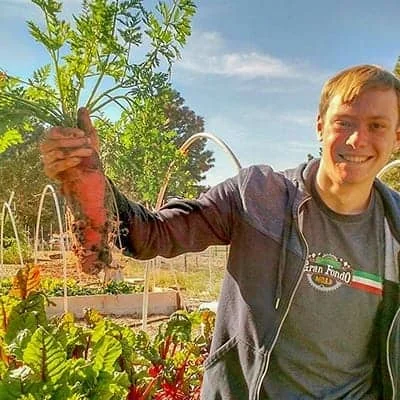
The Desert Oasis Teaching Garden is part of the science department and provides an outdoor setting for learning about food, soil and the desert environment. Created in summer 2013 on land previously maintained as turf, it explores regenerative agriculture, water conservation, biodiversity and adaptation to the climate of the Southwest.
Faculty use the garden for project-based learning across subjects. Examples include studying soil and water in the younger grades, investigating plant-growth variables in ninth grade and exploring sense of place in upper-level English. Environmental clubs can help maintain the garden and organise sustainability activities. Students have also presented garden work at conferences. Summer internships involve practical learning about production, irrigation and biodiversity, while Think Summer activities introduce younger children from the wider Albuquerque area to the garden. These uses make it both a teaching space and a setting for student participation beyond scheduled lessons.
Sources: The Desert Oasis Teaching Garden ↗
Programmes connecting school and community
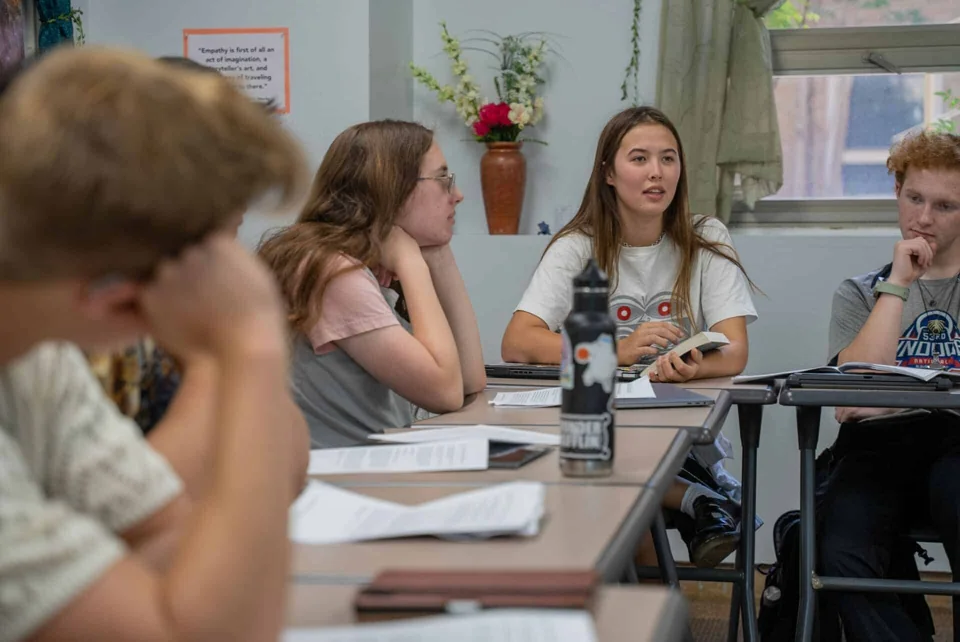
The Academy opens a number of programmes and events to people beyond its enrolled students. Its Thursday Seminars use texts ranging from poetry and literary classics to philosophy and neuroscience as starting points for discussion. The sessions are offered to the community in Simms Library, with remote access available by arrangement.
Other public programmes draw on the school's facilities and specialist teaching. Charger Aquatics provides lifeguard training connected with the Natatorium, while the experiential education department hosts wilderness-medicine courses. The campus also accommodates events organised by outside groups, including Chamber Music Albuquerque, the New Mexico Symphonic Chorus, the Department of Energy Science Bowl New Mexico and the Best Buddies Friendship Walk. These activities add cultural, educational and community uses to a campus primarily devoted to middle- and high-school education. The school calendar provides the details for individual public events and performances.