Visa

About Alberta University of the Arts
An arts university in Calgary
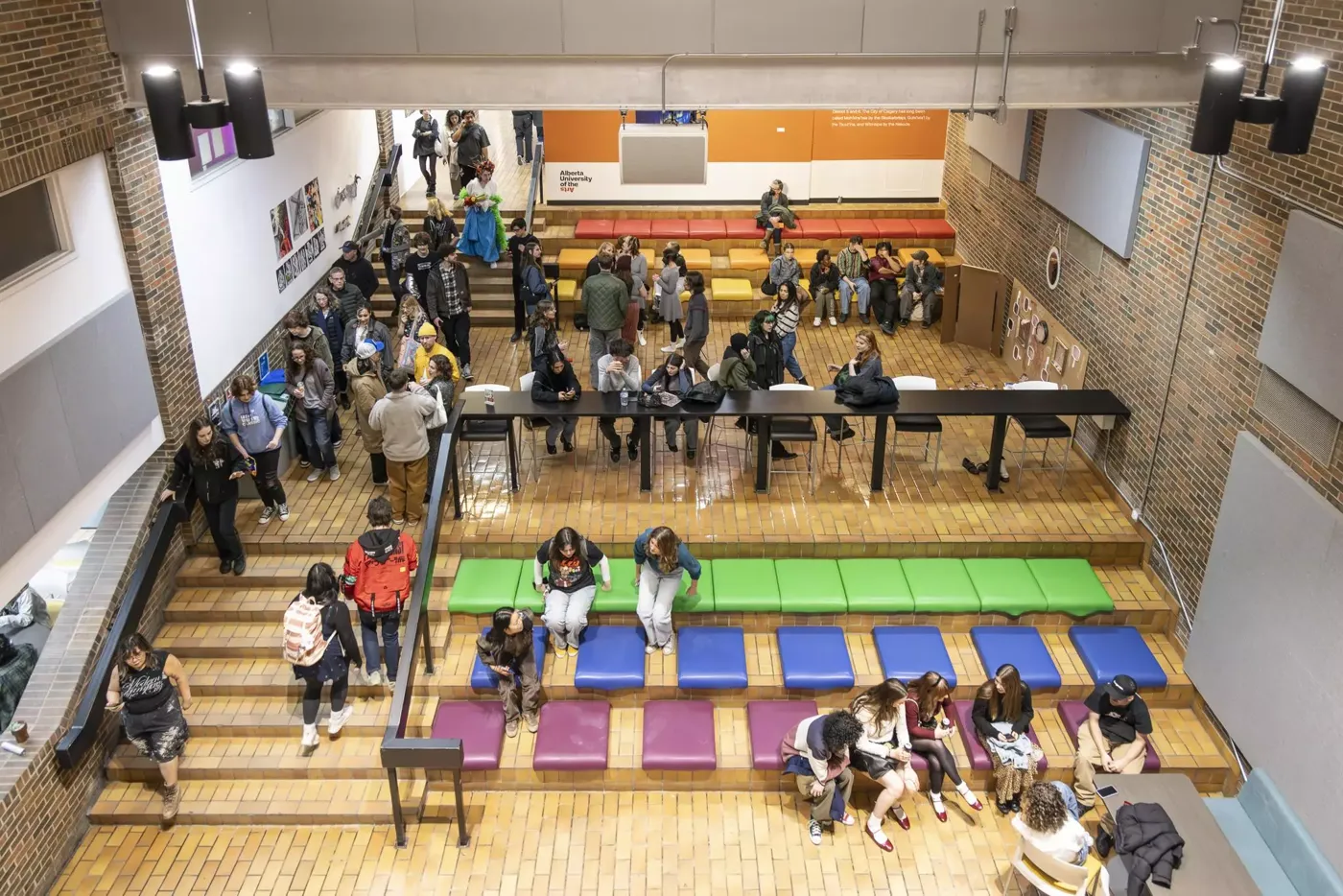
Alberta University of the Arts, commonly known as AUArts, is a publicly funded university in Calgary, Alberta, devoted to art, craft and design. Formerly the Alberta College of Art + Design, it provides undergraduate degrees and graduate study within a community of practising artists, designers and academics. Its institutional mission links education and research with creative enquiry and cultural development. The university describes a shared governance structure under Alberta’s Post-secondary Learning Act. Its Calgary setting places specialist creative education within a city with an established cultural sector, while its campus brings together studios, exhibition activity and resources for artistic research.
Sources: About AUArts ↗
A century of institutional change
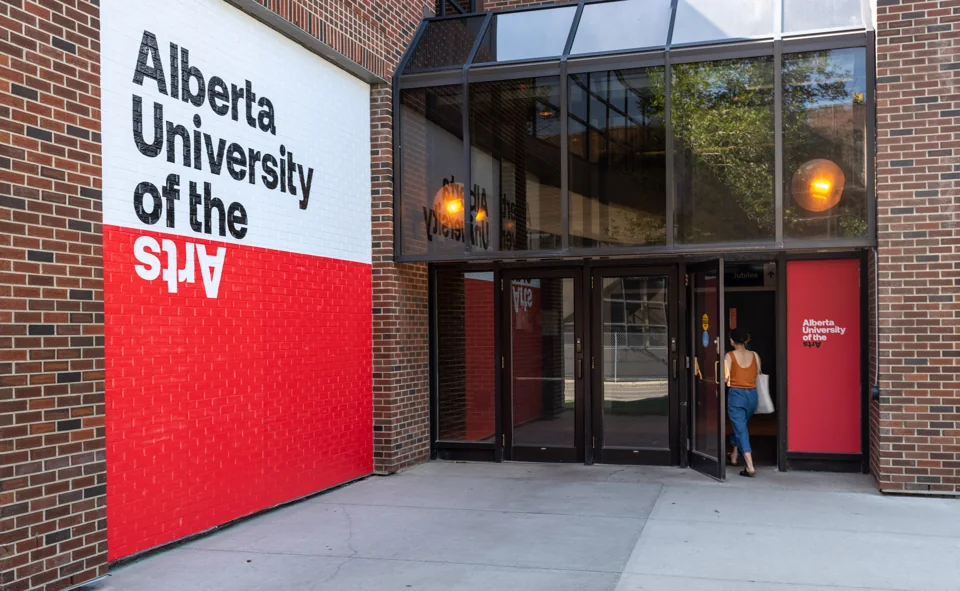
AUArts began in 1926 as the Art Department of the Provincial Institute of Technology and Art, the institution now known as SAIT. It subsequently adopted the Alberta College of Art name and moved into a purpose-built building beside the Southern Alberta Jubilee Auditorium in 1973. In 1985 it separated from SAIT and became an autonomous, publicly funded college. Authority to award Bachelor of Fine Arts degrees followed in 1995, alongside the Alberta College of Art + Design name. The Bachelor of Design began in 2000, and the MFA in Craft Media admitted its first students in 2015. The institution adopted its university identity in 2019. It marked its centenary in 2026, connecting its current programmes with a long history of specialist creative teaching.
Sources: History and mission ↗
Studio art at undergraduate level
The Bachelor of Fine Arts is a four-year, studio-intensive degree with a Studio Art major. Its learning model combines making, experimentation and critique with historical, social and contemporary contexts for creative practice. Students can develop work across fields such as ceramics, drawing, fibre, glass, jewellery and metals, painting, photography, print media and sculpture. The programme also includes media arts, animation and object design. Foundational study brings drawing and three-dimensional work together with art history and critical and creative studies. The published educational aims include developing an artistic voice, addressing creative problems, presenting work and building a portfolio and artist’s statement. Material exploration is therefore paired with reflection and communication.
Sources: Bachelor of Fine Arts ↗
Visual communication design
The Bachelor of Design focuses on Visual Communication Design through Graphic Design and Advertising or Illustration streams. Its published structure combines studio projects, technical skills and critique with historical, theoretical and ethical perspectives. Students consider communication across printed, digital, moving-image and interactive formats. Typography, branding, editorial design and image-making form part of this wider design remit. First-year foundations include design principles, colour, digital methods and drawing, alongside art history and critical studies. Collaborative work and the presentation of ideas are also identified in the programme’s educational approach. The degree treats design as both visual production and a reflective practice concerned with audiences, messages and context.
Sources: Bachelor of Design ↗
Creative industries and interdisciplinary work
The Bachelor of Creative Industries adds an Applied Creative Industries major to the university’s undergraduate portfolio. AUArts announced the degree in its centenary year. Its programme description combines multidisciplinary studio work with entrepreneurial thinking, project management and understanding the creative economy. Foundational subjects include an introduction to creative industries, digital media practices and visual rhetoric. Students explore storytelling, production and communication across physical, digital and hybrid platforms. Courses also address intellectual property, business models and cultural policy. The programme’s stated approach places collaboration and the application of creative ideas alongside artistic experimentation, connecting studio activity with the organisational settings in which creative work circulates.
Sources: Bachelor of Creative Industries ↗
Graduate craft research
The MFA in Craft Media is a studio-led programme centred on practice-based research. It invites investigation of form, function, labour, skill, materiality and methods of production through both making and critical discussion. Students may concentrate on ceramics, fibre, glass, or jewellery and metals, or develop an interdisciplinary course of study. The programme description also recognises intersections with photography, digital fabrication, printing, curating and other practices. Research strategies and thematic exploration lead towards a thesis and graduate exhibition. Historical and theoretical enquiry supports that process, encouraging students to situate their work in relation to communities, cultural movement and the transmission of techniques and ideas.
Sources: MFA in Craft Media ↗
Specialist information and studio resources
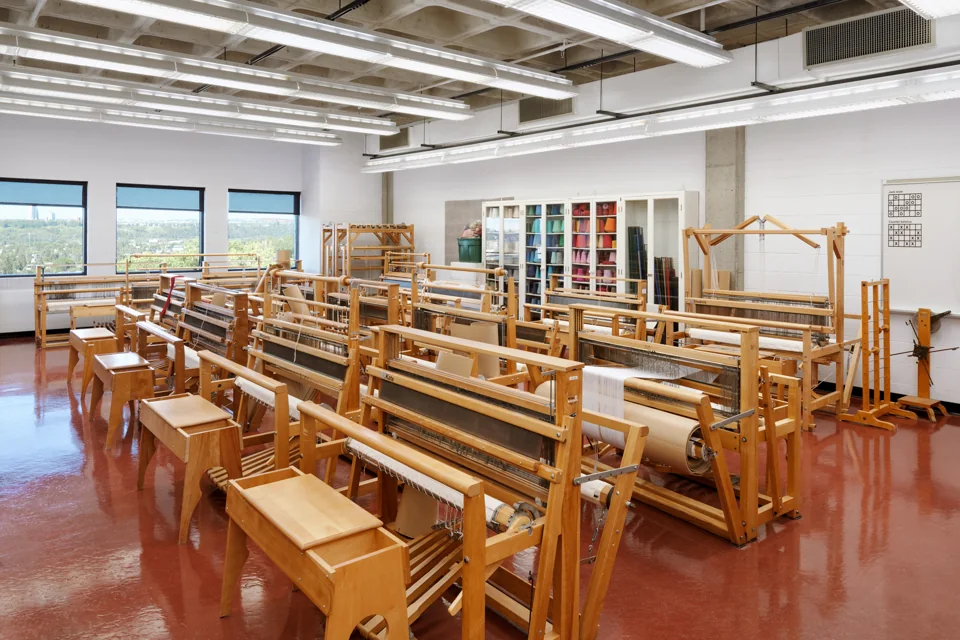
The campus studio directory identifies spaces for animation, ceramics, drawing and painting, fibre, glass, jewellery and metals, media arts and photography. Object design and digital fabrication, printmaking, and sculpture’s wood and metal shops are also represented. These specialist settings support different materials and ways of working. The Luke Lindoe Library complements practical study with resources on art, craft and design. Named for the artist in 1988, it maintains both an open collection and archives relating to university faculty and alumni, Calgary, Alberta and the Prairie region. Its thematic Curate-A-Cart project highlights selected resources, while institutional-history files preserve records of the university’s own development.
Sources: Studio facilities ↗ · Luke Lindoe Library ↗
Indigenous community and cultural support
The Lodgepole Center is a gathering place for Indigenous, Métis and Inuit students and a welcoming space for the wider university community. Guided by an Elder Council, it provides access to cultural resources, ceremony, programming and support. Elders are available through an Elder in Residence programme for teachings and guidance in individual, classroom and centre settings. The centre also hosts a gallery showing Indigenous students’ work. Its Aahwaatkamooksi peer mentorship programme emphasises friendship, leadership and community building, helping students connect with resources and one another. The centre’s name, gifted by the Elder Council, refers to the main lodgepole supporting a tipi and the coming together of things.
Sources: The Lodgepole Center ↗