Visa
About Alaska Pacific University
An Anchorage university with a place-based approach
Alaska Pacific University, usually abbreviated APU, is based at 4101 University Drive in Anchorage, Alaska. Its educational approach combines academic subjects with practical work, community relationships and attention to the environments in which learning takes place. The university describes an interdisciplinary and intercultural setting in which students bring different backgrounds and experiences into their studies. Its overview gives examples ranging from field research and marine biology laboratories to business projects and creative writing. Partnerships named by the university include the Alaska Native Tribal Health Consortium and the Bering School District. These relationships sit alongside campus centres and farm-based education in APU’s account of teaching, research and service connected to Alaska.
Indigenous knowledge and institutional direction
APU describes itself as an Alaska Native University open to all students, with Indigenous knowledge and leadership informing its direction. Its account traces this purpose to founder Peter Gordon Gould, an Unangax̂ from Unga in the Aleutian Islands, and identifies 2017 as a period of renewed focus on Alaska Native students. The university’s membership-based governance model invites participation by Tribes, Tribal organisations and allies through Stewardship, Associate and Allied memberships. These categories provide different routes to appointing or nominating trustees and helping shape institutional priorities. The university presents its continuing development towards Tribal University status as an institutional goal. This account places relationships with Indigenous communities within both educational practice and governance.
Anchorage and Palmer have different campus roles
The main Anchorage campus brings together academic facilities, residence halls, recreational spaces and places for community gatherings. Its wooded setting and trail network connect daily university life with outdoor activity, while the Chugach Mountains form part of the surrounding landscape. The campus map also identifies Kellogg Campus near Palmer as a separate satellite setting for environmental stewardship and practical learning. The two locations therefore serve complementary purposes within the same university. Students encounter a combination of city-based academic and residential facilities and a larger rural setting used for agriculture and environmental education. This distinction matters when exploring APU’s teaching spaces and community programmes.
Learning through projects, fieldwork and experience
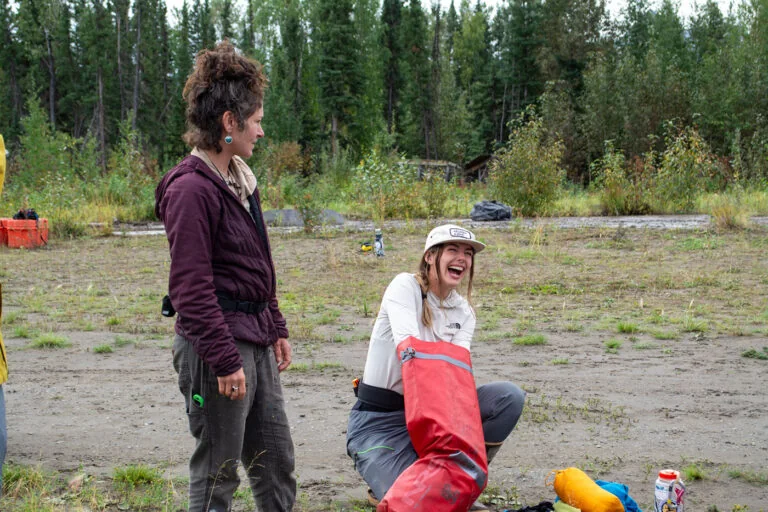
Experiential learning at APU includes guest speakers, group projects, place-based learning, wilderness expeditions, service learning, internships, practicums and senior projects. The university’s account describes independent research, work with local organisations and opportunities to present at professional conferences. Expedition Alaska is one specific example: a month-long backcountry experience combining college credit with learning alongside faculty and peers. The published teaching schedule includes an intensive block period in the first month, longer sessions beginning in the second month, modules and full-semester courses. These formats create space for different kinds of work, including field research and travel. The university connects this approach with learning in Alaska’s communities, landscapes and industries.
Sources: Experiential learning and teaching schedule ↗
A broad academic range
APU’s academic overview includes Alaska Native Governance and Indigenous Studies, Business Administration, Community and Place-Based Education, Creative and Professional Writing, Environmental Public Health, Health Sciences, Liberal Studies, Nursing, Outdoor Studies and environmental subjects. The descriptions show how different programmes interpret the university’s practical orientation. Business teaching includes projects concerned with leadership, communication, organisational development, financial statements and accounting. Writing students work within a workshop environment to develop their chosen genres. Liberal Studies provides an interdisciplinary setting in the arts and sciences, while governance study begins with Alaska Native cultures, histories and governance systems. Across this range, the university emphasises personalised learning and interaction with faculty.
Sources: Academic programmes ↗
Marine and environmental science in Alaska
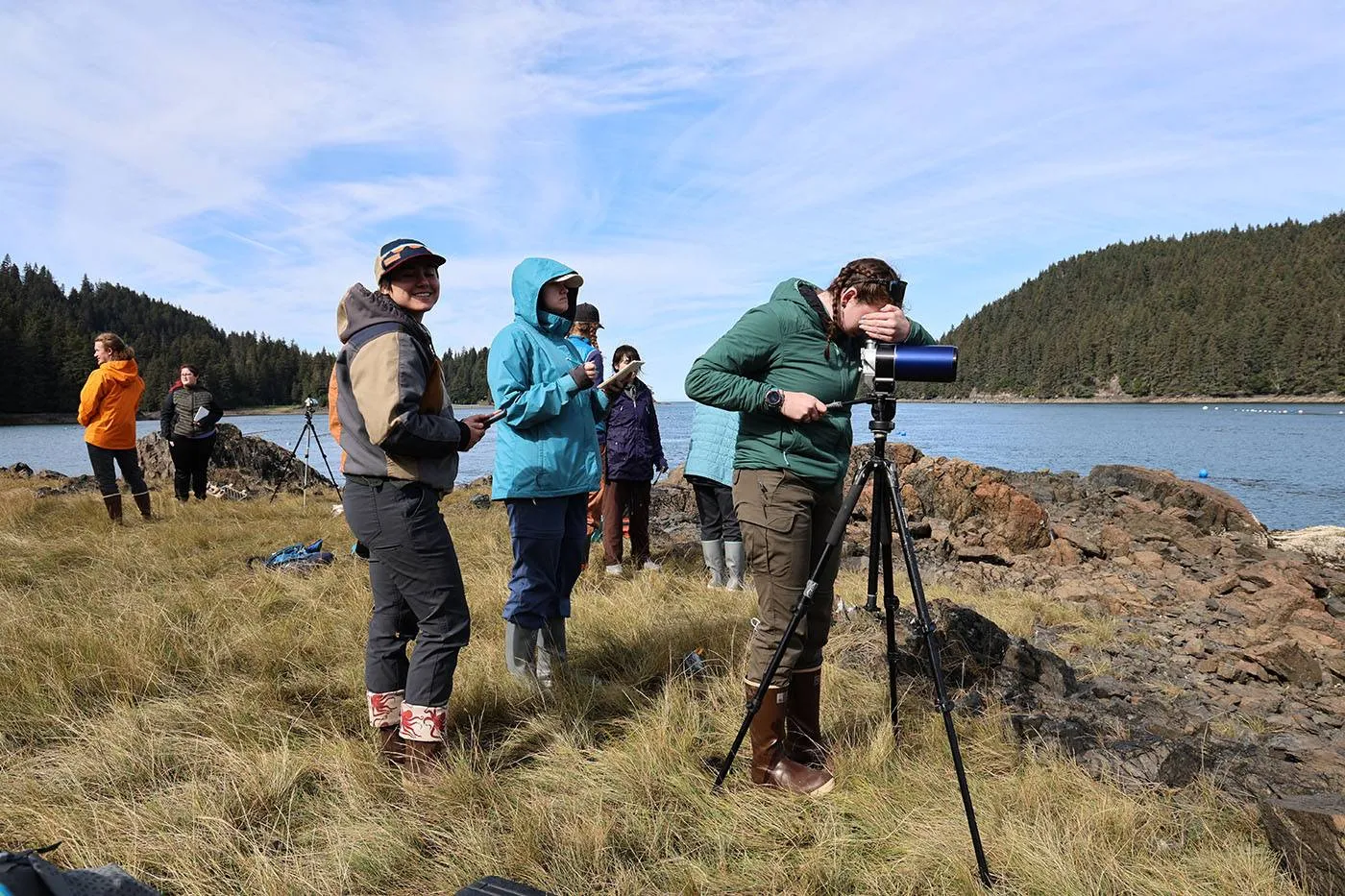
The Marine and Environmental Sciences field combines laboratory research with work in Alaska’s coastal, marine and terrestrial environments. Its published bachelor’s pathway allows concentration in Marine Biology, Earth and Climate, Ecology, Fisheries, Aquarium and Husbandry Science, or an individually shaped area of study. Students are introduced to research projects and specialist equipment while working with faculty mentors. The programme page also describes a master’s pathway and gives examples of students undertaking fieldwork, analysing data and preparing research reports. Its academic team includes specialists in earth science, chemistry, marine biology, environmental science, mathematics and geospatial analysis. These activities connect scientific concepts with questions arising from Alaska’s changing environments.
Sources: Marine and Environmental Sciences ↗
Kellogg Campus and the farm classroom
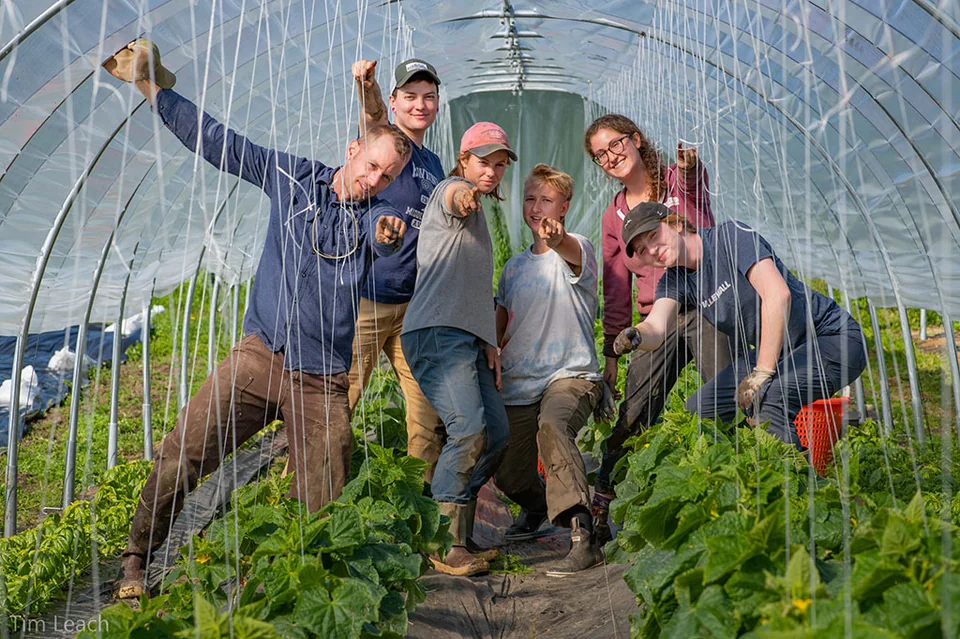
Kellogg Campus near Palmer provides a setting for environmental education, agriculture and community activity. Its programmes include the Master of Science in Outdoor and Environmental Education, the Kellogg FIELD School and Camp Kellogg. Spring Creek Farm serves as a working classroom for small-scale agriculture. The university describes interns cultivating a mix of crops adapted to subarctic conditions in glacial-silt soil, gaining practical experience through the work of a production farm. Harvests support university dining, a community-supported agriculture scheme and an on-site farmers’ market. The campus also works with Tribes, farms and educators on food-system projects and knowledge exchange. This gives the Palmer location an educational role extending from university study to wider community participation.
Sources: Kellogg Campus and Spring Creek Farm ↗
Recreation and life outside class
Student life includes housing, dining, outdoor programmes, recreation and student services. The Moseley Sports Center provides a gymnasium and a twenty-five-yard swimming pool, while the Atwood Recreation Center offers weights, cardiovascular equipment and a climbing wall. Trails around the university provide another setting for activity close to campus. The Nordic Ski Center combines athlete development with the promotion of cross-country skiing in the community. Outdoor programmes offer routes into Alaska’s wilderness, and student services connect learners with activities and peers beyond their academic courses. Together, these facilities and programmes give residential and commuting students several ways to take part in university life outside formal teaching.
Sources: Student life and recreation ↗