Visa
About Airline Training Program Flight School
ATP Flight School and its history
ATP Flight School is a professional pilot-training provider in the United States. Its official contact page gives a mailing address in Ponte Vedra Beach, Florida. Practical training, however, takes place through a network of airport-based centres rather than at a single college campus in that community.
Founded in 1984, ATP began in Atlanta, Georgia, with accelerated multi-engine training and an emphasis on professional pilot development. Early customers included military aviators preparing for civilian airline careers and civilian pilots seeking additional multi-engine or instructor qualifications. It later expanded into training for students starting without previous flying experience through the Airline Career Pilot Program. This history places ATP within commercial aviation training rather than conventional degree-based university education.
Sources: ATP history and institutional profile ↗ · Official contact information ↗
Full-time professional pilot training
The Airline Career Pilot Program is ATP’s structured, full-time training option. Its published starting points distinguish students with no previous experience, those with solo flying experience and those already holding a private pilot certificate. These routes allow the training sequence to reflect the experience a student brings to the school.
The programme description connects flight lessons with ground instruction, training materials and support services. It is organised around stages of pilot training rather than an academic major leading to a college degree. The website also identifies preparation for flight instruction as part of the wider training progression. This gives the programme a professional orientation, combining the development of flying knowledge with the instructional preparation that can follow commercial pilot training.
Sources: Airline Career Pilot Program ↗
A flexible programme format
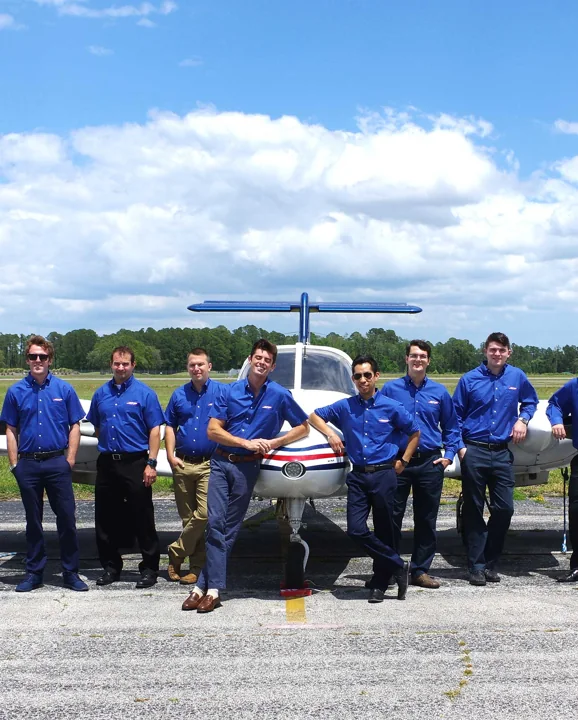
The Flex Commercial Pilot Program offers a part-time alternative for students balancing training with employment, education or other commitments. ATP describes it as a pay-as-you-train arrangement, in which students schedule flight, simulator and ground-instruction events. Its flexibility concerns the timing and pace of participation, while the school retains an organised training sequence.
The programme covers private pilot, instrument and single-engine commercial training. ATP presents a separate instructor and commercial multi-engine programme as a subsequent step. Access to online resources and the student portal supports study between scheduled training events. The distinction between the full-time and flexible options is therefore principally about programme structure and scheduling, alongside the different stages included within each published offering.
Sources: Flex Commercial Pilot Program ↗
Aircraft and simulation resources
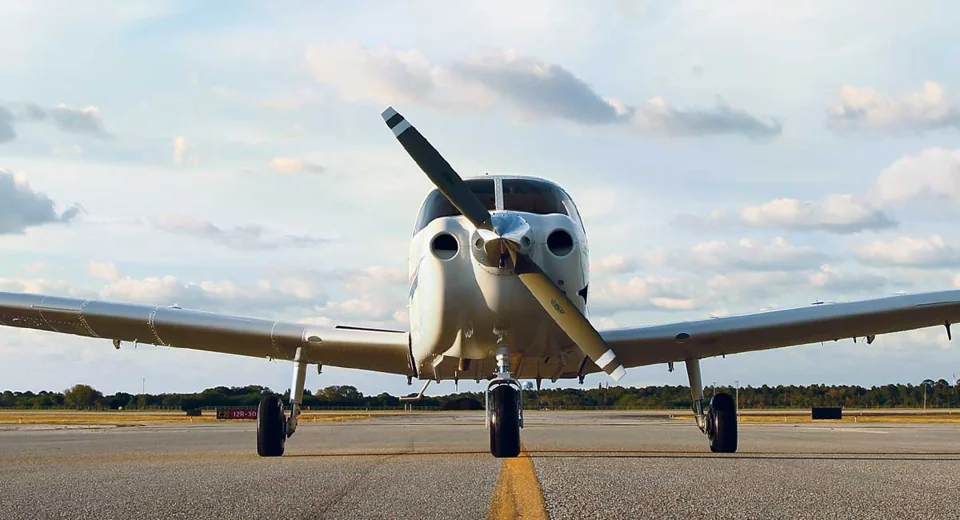
ATP’s published fleet includes Piper PA-44 Seminoles, Piper Archer aircraft and Cessna 172 Skyhawks. Its descriptions distinguish multi-engine training aircraft from the single-engine types used elsewhere in the training sequence. The fleet page also identifies standardised avionics configurations and glass-cockpit equipment within particular aircraft groups.
Simulation resources complement the aircraft. The published equipment includes advanced aviation training devices from Frasca, TRU Simulation and Precision Flight Controls, as well as regional-jet training devices and full-flight simulators used for advanced training. These resources give the school different settings for instruction, from primary flying preparation to more specialised airline-oriented training. The website connects the fleet with dedicated maintenance locations, presenting aircraft support as part of the organisation behind the training network.
Sources: Aircraft fleet and training devices ↗
Ground school and digital study
The Student Extranet is ATP’s online system for managing schedules, progress and learning resources. Its description includes stage-specific dashboards, lesson plans and study guides used before a flight. Students can also review debriefing notes and request help from the training-support team after lessons, connecting preparation, practical instruction and review.
The digital training library contains supplements, handbooks, aircraft information manuals and avionics guides. ATP also produces ground-school support videos to complement instructor-led teaching. ATP Elevate provides interactive ground-school instruction during private pilot, instrument and flight-instructor stages. Together, these resources support the knowledge component of flight training and provide material students can revisit outside their scheduled aircraft sessions.
The resource page also describes tablet-based access to courseware, charts, approach plates and test preparation. This places portable digital reference material alongside printed books, reference documents and study guides within the learning environment.
Sources: Online resources and ATP Elevate ↗
A distributed training environment
The locations directory lists training centres at airports across the United States. Examples include Jacksonville Executive at Craig Airport, Arlington Municipal Airport, Phoenix Gateway Airport and Manassas Regional Airport. Each location is presented separately, reflecting a school whose training environment is distributed among different regional aviation facilities.
For students relocating to train, ATP offers shared, furnished apartment arrangements at participating locations. The housing information describes utilities and Wi-Fi as part of that option, with availability varying by location and class date. The school also links to additional furnished short-term accommodation. This housing provision supports training away from a student’s usual home without turning the network into a residential university campus.
Sources: Airport training locations ↗ · Student housing ↗
Advanced training through ATP JETS
ATP JETS is the advanced-training operation identified on the school’s website. It is operated by ATP Jet Simulation, Inc., and offers the Airline Transport Pilot Certification Training Program and Airbus A320 type-rating training. Its facilities include full-motion simulators and avionics laboratories, addressing a different training stage from the initial single-engine programmes.
The published ATP JETS locations include the Dallas-Fort Worth, Orlando and Las Vegas areas. This advanced provision extends the organisation’s training range beyond introductory and commercial flying instruction. The distinction between ATP Flight School’s primary training and ATP JETS also clarifies why different aircraft, devices and facilities appear across the organisation’s programme information.
Sources: ATP JETS advanced training ↗