Visa

About Aiken Technical College
A public college serving greater Aiken
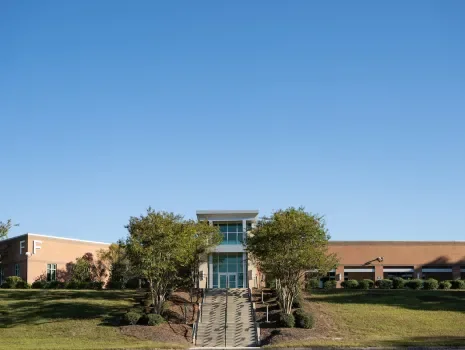
Aiken Technical College is a public, two-year college serving Aiken County and the surrounding region of South Carolina. Its main campus is in Graniteville, at 2276 Jefferson Davis Highway. The institution describes itself as an open-door, comprehensive college, combining educational opportunity with workforce development. It is part of the South Carolina Technical College System.
The college began on 1 September 1972 as Aiken Technical Education Center, initially teaching in temporary facilities. The present campus opened in winter 1973, and the Aiken Technical College name was formally adopted in 1977. Later developments included the Dale Phelon Information Technology Center in 2000, a Health Sciences Building in 2003 and the Center for Energy and Advanced Manufacturing in 2015. This history reflects the institution’s development from a vocational training centre into a college with a broader educational role.
Sources: About Aiken Technical College and history ↗
University transfer alongside technical study
University transfer is an established part of Aiken Tech’s provision. The Associate in Arts and Associate in Science offer starting points for students planning further study, while the transfer resources page describes statewide agreements and programme-specific articulation partnerships. Advising is central to this process: students are encouraged to identify their intended four-year degree and build an appropriate course plan with an advisor.
The college lists partnerships in fields including business, computer technology, criminal justice, early childhood education and nursing. Some agreements connect particular Aiken Tech programmes with named receiving institutions, while statewide arrangements provide another route. These resources help students compare course requirements and organise their studies around the institution and subject they intend to pursue.
Sources: University transfer resources ↗
Learning before and beyond a college degree
Dual enrollment allows qualified high school students to take college courses while still completing secondary education. Opportunities include general education and career pathways, with availability depending on the participating school. The published pathways include cybersecurity networking, patient care and preparation for health professions. Aiken Early College, described specifically for Midland Valley High School students, provides a structured route towards an Associate in Arts or Associate in Science alongside the high school diploma.
Continuing Education serves a different set of learning needs through shorter training opportunities. Its published subject areas include business and leadership, industrial and manufacturing training, information technology, transportation and logistics, animal care and personal enrichment. The office connects individuals, employers and communities with practical learning intended to respond to workforce development and lifelong learning interests.
Sources: Dual enrollment ↗ · Continuing education ↗
Library resources and creative exploration
The library supports research through article databases, interlibrary loans, research assistance and library instruction. Students can use computer workstations and study rooms, including rooms equipped for audiovisual viewing. Its links with South Carolina’s PASCAL libraries extend the range of books students can find and request beyond the college’s own collection.
The library’s STEAM Room adds a practical, creative setting to these research resources. Published equipment includes a three-dimensional printer and scanner, a laser engraver, electronic circuit and robotics kits, virtual reality equipment and a media recording studio. The space brings science, technology, engineering, arts and mathematics into activities where students can experiment, create and collaborate outside scheduled classroom teaching.
Sources: Library and STEAM Room ↗
Support, accessibility and wellbeing
Student Wellness and Accessibility brings together several forms of support. Counseling services include short-term assistance, crisis intervention and referrals to community providers. Disability services use an interactive process to consider reasonable academic accommodations for students with documented disabilities, with access and course standards addressed together.
The Wellness Center provides space for physical activity for students and employees. Other assistance connects students with campus and community resources for needs such as food, housing and healthcare. The college identifies its food pantry as part of this network. These services address circumstances that can affect participation in education alongside the more directly academic resources available on campus.
Sources: Student support and accessibility ↗
Student participation and leadership
Student organisations offer ways to participate in college life through professional interests, service, creativity and recreation. The Student Nurses Association supports nursing students and community outreach, while the Student Medical Assisting Association links its members with campus and community service. The Student Veterans Association brings together veterans, military dependents and others interested in supporting that community.
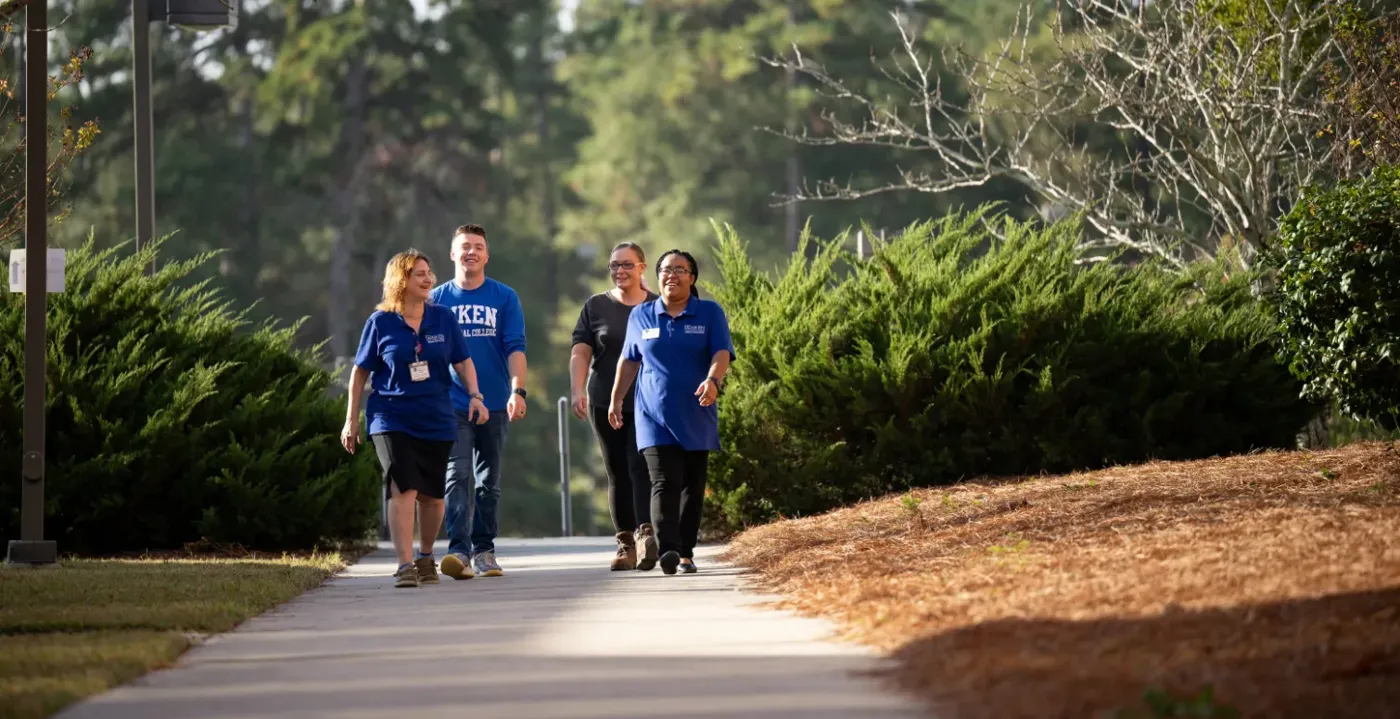
The Student Government Association represents student interests and sponsors activities throughout the year. Campus Ambassadors assist with tours and events, and the Student Leadership Council brings together representatives from student organisations. Other groups include chess, intramural sports and student media. Together, these opportunities provide different ways for students to contribute to the college beyond their own courses.
Sources: Student organisations ↗
Campus resources and future priorities
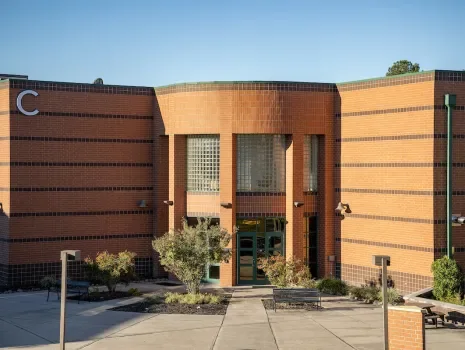
The campus map places the library, Learning Commons, Test Center and Student Success Services in the Dale E. Phelon Information Technology Building. The Gregg-Graniteville Student Activities Center houses services including student engagement, the bookstore, food pantry and Wellness Center. The Center for Energy and Advanced Manufacturing provides additional classrooms and laboratories.
The college’s 2022–2027 institutional goals connect its academic and physical development. Priorities include aligning credit and noncredit offerings with student and workforce needs, strengthening dual enrollment and transfer opportunities, and investing in technology and learning spaces. The plan also emphasises relationships with industry advisory committees, schools and community partners, alongside student engagement and access to support services.
Sources: Campus buildings and map ↗ · 2022–2027 institutional goals ↗