Visa
About Agnes Scott College
A women’s liberal arts college in Decatur
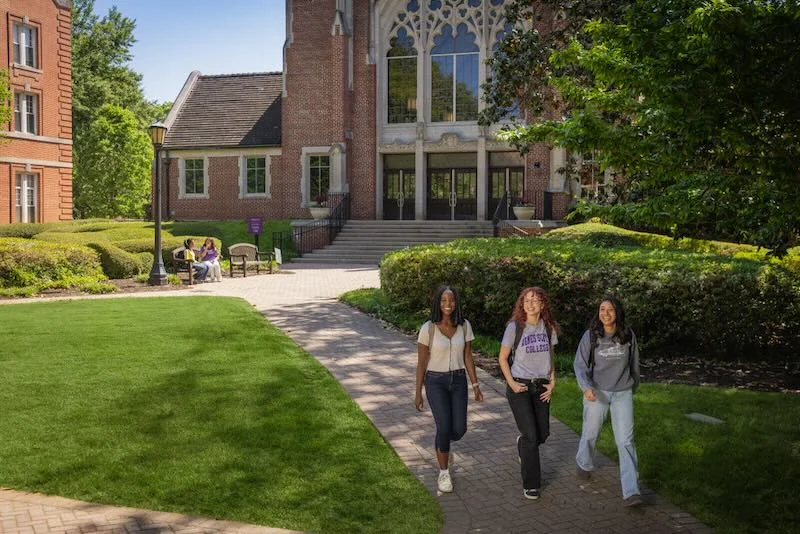
Agnes Scott College is a women’s liberal arts college in Decatur, Georgia, within the Atlanta metropolitan area. Founded in 1889, it has developed an educational approach that connects academic study with leadership, global learning and practical experience. Its Decatur setting places students near Atlanta’s cultural, civic, business and research organisations while maintaining a distinct campus community.
The college originally opened as Decatur Female Seminary, became Agnes Scott Institute in 1890 and was chartered as Agnes Scott College in 1906. It is named for Agnes Irvine Scott, a Scots-Irish immigrant whose son, George Washington Scott, was the institution’s principal benefactor. The Reverend Frank Henry Gaines, minister of Decatur Presbyterian Church, served as founding president. The college retains a relationship with the Presbyterian Church (U.S.A.) while being governed by an independent board of trustees.
Sources: About Agnes Scott College ↗ · College history ↗
Learning through SUMMIT
SUMMIT is the college’s four-year framework connecting global learning, leadership development and career preparation. Students work with an advising team that can include an academic adviser, peer adviser, major adviser and career coach. The purpose is to connect decisions about coursework with personal interests, emerging goals and opportunities beyond the classroom.
Leadership learning includes reflection, collaboration and community engagement. SUMMIT Legacy, supported by the Goizueta Foundation, is described as a two-day experience following orientation that helps students understand their strengths and approaches to leadership. Peak Week sets aside time for intensive experiences, including faculty-led travel, collaboration with Atlanta organisations and applied career activities. The framework develops across the undergraduate years, connecting academic choices with practical opportunities to use and evaluate what students have learned.
The college’s Universal AI initiative adds attention to artificial-intelligence literacy within this framework. It connects engagement with emerging technologies to the judgement, curiosity and ethical reasoning associated with a liberal arts education.
Global learning in context
Global learning begins with attention to both nearby communities and places elsewhere in the world. The first-year Global Journeys course, GBL102, considers globalisation, identity and culture, imperialism, and the ethics of travel. Individual sections focus on different locations and questions. The course connects semester study with an eight-day, faculty-led immersion experience during Peak Week.
The college’s examples of recent journeys include topics such as women and leadership in Ghana, coffee and community in Peru, and fashion, ethics and capitalism in France. Other examples involve the Navajo Nation, New Orleans and New York City. Students can also pursue later Global Study Tours, combining a semester course with a longer travel component, or independent and affiliated study-abroad programmes. Speaker events, multicultural student organisations and volunteering provide further opportunities to engage with global questions without leaving the campus or Atlanta area.
Academic study and support
Agnes Scott connects its academic curriculum with leadership and global engagement while encouraging students to develop their own intellectual interests. Its academic support network includes advising, the Science Center for Women, the Center for Writing and Speaking, and McCain Library. These resources support different parts of the learning process, from working through a scientific question to developing a written argument or preparing a presentation.
The Science Center for Women supports students in STEM coursework and faculty research. At the Center for Writing and Speaking, peer tutors help students develop ideas and work through successive drafts of papers and presentations. Career peers work with career coaches on materials such as résumés and cover letters. Professional exploration also includes Career Treks, through which students visit organisations, meet professionals and learn about possible fields of work.
Sources: Academics and student support ↗
McCain Library and the campus’s history
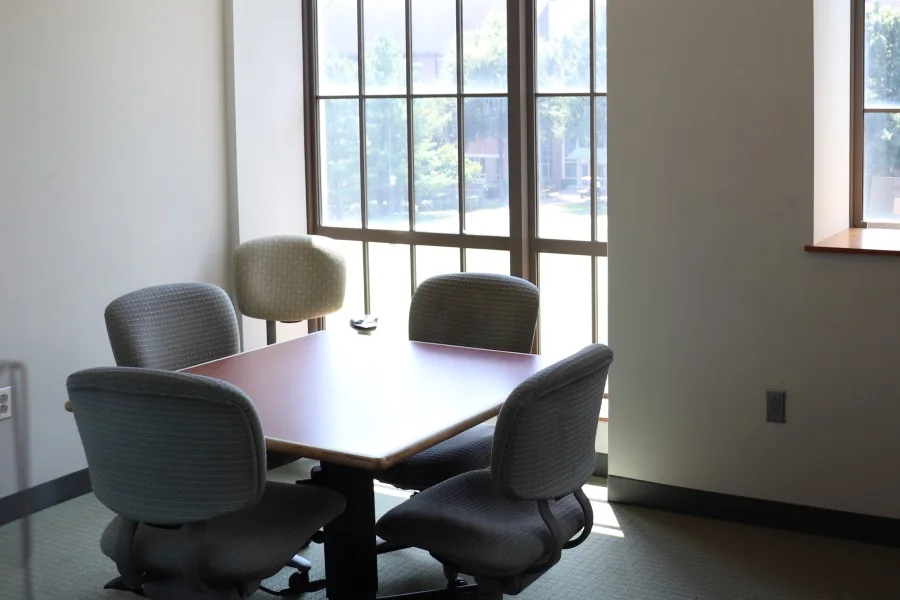
McCain Library combines study spaces with access to books, films, journals and electronic resources. Its services include research appointments, citation help, course reserves, interlibrary loan, equipment borrowing and room reservations. Archives and special collections preserve materials relevant to the college’s history. The Betty Pope Scott Noble College Heritage Center, housed in the library, displays historical documents, photographs and artefacts relating to the institution, its namesake and the Scott family.
The college’s first library building opened in 1910 through a gift from Andrew Carnegie. A replacement library opened in 1936 and was renamed for James Ross McCain in 1951, when he retired as the college’s second president. A major renovation took place from 1999 to 2000, adding or improving reading, study, teaching and technology spaces. The renovated library reopened in January 2001. Elsewhere on campus, Main Hall dates to 1891 and remains part of the college’s built heritage.
Sources: McCain Library services ↗ · History of McCain Library ↗ · College history ↗
Traditions and participation
The Honor System is a central element of student life. During orientation, students pledge support for the community’s standards and accept responsibility for their own conduct and their relationships with fellow students. Student self-government under an honour code has been part of the college since 1906, linking institutional history with daily expectations of integrity and judgement.
Campus traditions give different stages of the undergraduate experience a communal setting. Black Cat, dating to 1915, developed from a class prank night into a week-long celebration welcoming the incoming class. The Sophomore Ring Ceremony brings students, families and friends together as class rings are presented. Senior Investiture marks the beginning of the final year, while Founders Week commemorates the college’s origins. AgnesPalooza provides spring activities, and ringing the Main Hall bell celebrates a job offer or admission to graduate study.
Sources: College traditions ↗ · College history ↗