Visa


About Adventist University Cosendai
A faith-based university in Cameroon
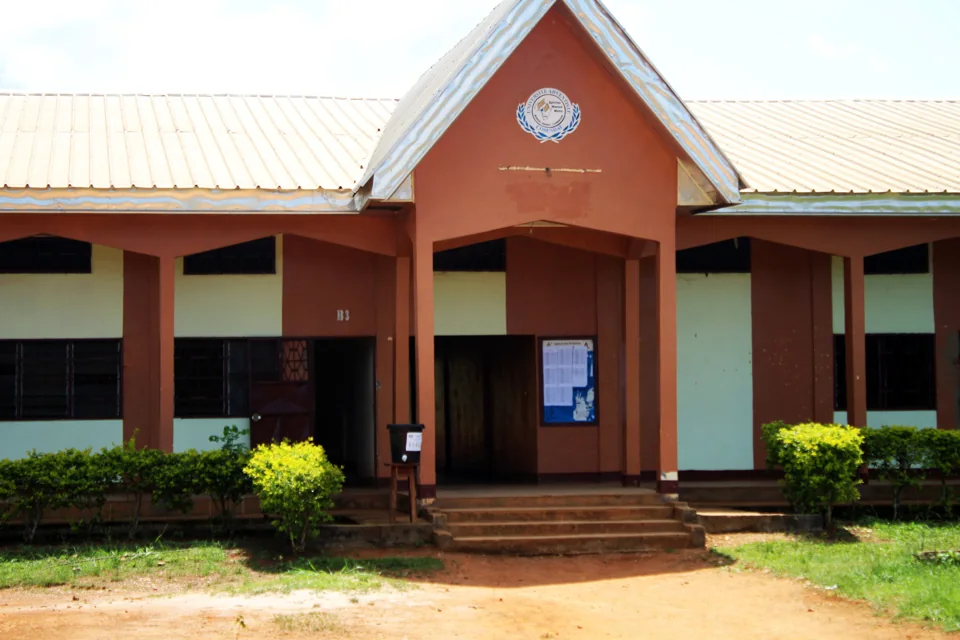
Adventist University Cosendai, known in French as Université Adventiste Cosendai, is a private university belonging to the Seventh-day Adventist Church in Cameroon. Its principal campus is at Nanga-Eboko in the country's central region. The university's contact information also identifies an annex campus in Bali, Douala. Its mission links higher education with Christian values and the preparation of people who can contribute to social change. The institution describes education as the development of knowledge alongside character. This approach connects its academic and professional programs with an explicitly Christian understanding of responsibility, service and personal development, rather than separating its religious identity from the student experience.
Sources: About the university ↗
Local educational roots and university formation
The university takes its name from Aimé and Madeleine Cosendai, missionaries whose work included the development of Adventist education in Cameroon. Its historical account places the first Adventist mission station at Nanga-Eboko in 1926 and the first school in 1928. Teacher and Bible training began in 1936, followed by authorization for a two-year postsecondary program in 1969. A ministerial training seminary operated alongside the secondary school between 1972 and 1984.
The modern university developed after the Adventist University of Central Africa in Rwanda ceased operating during the country's civil war in 1994. Church decisions in 1995 established a new institution in Cameroon, initially under another name, and subsequently adopted the Cosendai name. Teaching began in June 1996. Early postsecondary work at Nanga-Eboko included management and theology taught in temporary secondary-school facilities under Willard Munger's direction. The history therefore involves several stages: earlier local educational activity, institutional organization in 1995 and the commencement of university instruction in 1996.
Sources: Institutional history ↗
The Adventist approach to education
The university explains its educational philosophy through the broader Seventh-day Adventist tradition. Its account places intellectual and technical learning within a wider concern for physical, mental and spiritual development. Service is a central theme: education is intended to prepare students to help others as well as acquire knowledge. Cosendai identifies itself within a network that includes institutions such as Babcock University in Nigeria and Valley View University in Ghana. This religious framework provides context for the university's emphasis on conduct and character. It also helps explain why its academic descriptions regularly connect professional preparation with faith and responsibility toward society.
Sources: Adventist education ↗
Management and organizational studies
The management licence is presented within the Faculty of Management and Computing. The university's program page lists accounting and finance, management, money and banking, and human resource management among its options. It also identifies marketing as an area of study. The faculty describes its aim as combining professional preparation with a broad educational approach and the integration of faith into academic training. Its account emphasizes the management of organizational resources and the responsibilities carried by people working in businesses. The page addresses both recent secondary-school graduates and students who already hold a BTS in management, illustrating the different educational backgrounds to which its published program information is directed.
Sources: Management licence ↗
Computing and information technology
The computing licence page describes software engineering, information systems, and network and systems maintenance as major areas. It also highlights web development, mobile development, systems administration and computer networks. The faculty places these subjects within an ambition to develop computing expertise relevant to African societies and to both local and wider professional settings. Its stated objective includes helping graduates and professionals from related disciplines move into computing and information technology, extending their existing knowledge into new applications. The program description therefore combines technical subject areas with an interdisciplinary orientation. Practical computing facilities elsewhere in the campus description provide a setting for students to test ideas and undertake applied work.
Sources: Computing licence ↗
Programs across the listed campuses
The university's academic directory organizes provision by location. At Nanga-Eboko, it lists licences in management, computing, education, health sciences, microbiology and biochemistry, and legal and political sciences. Its education options include psychopedagogy and administration and planning, while law is divided into public and private areas. Douala's listed provision includes management, computing and health sciences. The same directory identifies education studies in Yaoundé and health sciences, agronomy and veterinary sciences in Maroua. These location-specific listings show that the institution's published academic offer extends beyond its principal site, with different combinations of subjects attached to different campuses. They should be read as the university's academic directory rather than a single uniform curriculum at every location.
Sources: Academic provision by campus ↗
How learning is assessed
Cosendai describes assessment at several stages of a course. An initial diagnostic exercise uses questions and answers to help instructors judge students' starting level. Formative assessment takes place during teaching and may include quizzes, midterm work, research assignments, reading reports or group activities. A final examination concludes a course or program. The assessment page also describes measures intended to protect examination integrity, including invigilation and restrictions on mobile phones and other information-storage devices. Within the university's stated educational philosophy, assessment concerns knowledge and personal conduct. The published approach thus combines checks on progress during instruction with an examination at the end, alongside expectations about academic behavior.
Sources: Assessment system ↗
Campus facilities and student participation
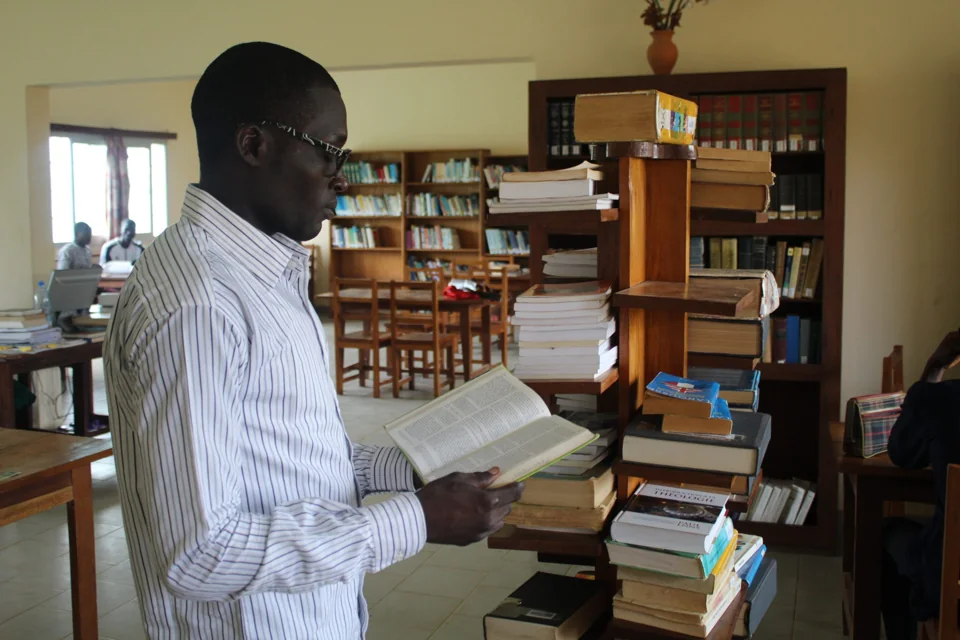
The campus-life page describes playing areas for volleyball, basketball, handball and football. Recreational activities include student tournaments and interfaculty football, with the student association and administration involved in organizing sport. The university also presents arts and culture as part of its broader educational approach. Other listed resources include computer laboratories for practical work, a campus restaurant and a health center where students can consult staff about health concerns. These facilities complement classroom study with spaces for activity, everyday support and applied learning. The campus account ties them to the institution's emphasis on developing the whole person, connecting student participation and community life with its academic and religious mission.
Sources: Campus life ↗