Visa

About Adiban Institute of Higher Education
Higher education in Garmsar
Adiban Institute of Higher Education is located in Garmsar, in Iran's Semnan Province. Its official address places the campus on the northern side of the Mashhad–Tehran road, between the flyover and Garmsar's industrial township. The institution's Persian name is Moasseseh-ye Amoozesh-e Aali-ye Adiban, and its current website provides information for students, applicants, staff and graduates.
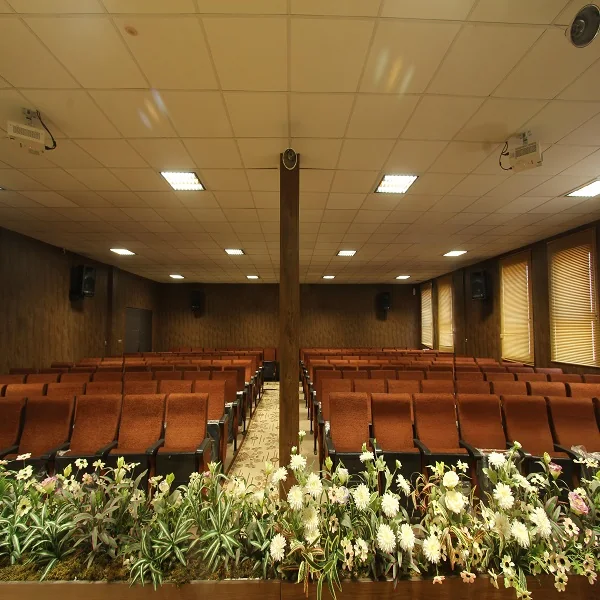
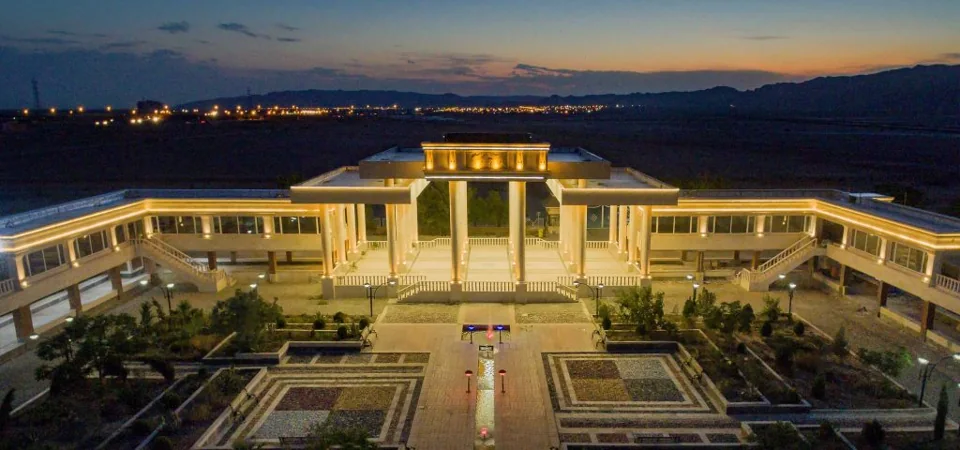
The institute's introduction records the start of its activities in the Iranian year 1385, corresponding to 2006–2007, under a Ministry of Science, Research and Technology authorisation. Its account describes development across teaching, research and student services in Garmsar. Campus photographs published with that introduction show teaching buildings, landscaped grounds and an auditorium. The institute's website also connects users with educational administration, thesis information, digital resources and institutional email.
Sources: Official institutional introduction ↗
Educational purpose and strategy
Adiban's mission emphasises accessible, student-centred higher education and the scientific, personal and professional development of learners. Its strategy combines improvements in teaching with more flexible ways of delivering academic and administrative services. It specifically considers the circumstances of students who work and those travelling from outside the local area.
The published objectives include a respectful academic environment, attention to students' experience and feedback, and development of programmes in line with institutional capacity and educational demand. Research, student projects, theses and scientific publications form part of the same framework. The institution also proposes using performance assessment and organisational data to identify improvements. Its values include mutual respect, reliable information, professional transparency and attention to student rights. The strategy also identifies workshops and student scientific associations as ways to strengthen participation. Digital transformation and responsible use of artificial intelligence are stated directions for development, rather than a claim that every planned service has already been implemented.
Degree levels and subject choices
The institute's published programme directory separates master's study, continuous bachelor's programmes, discontinuous bachelor's routes and associate-level study. Its subject groupings bring together engineering, management and accounting, and humanities. This gives applicants a way to distinguish both the level and disciplinary focus of a course.
At bachelor's level, the listed fields include electrical, biomedical, computer, mechanical, civil and architectural engineering, alongside accounting, business management, financial management, law, psychology and physical education. The master's directory includes electrical and computer engineering specialisations, information technology, mechanical design, accounting, auditing, management, law, psychology and art research. Associate and discontinuous bachelor's listings include applied technical subjects such as electronics, electrical power, manufacturing, automotive mechanics and software, as well as accounting and business study. These published categories describe the institute's academic range without implying that all fields use an identical curriculum or entry route.
Sources: Degree levels and fields ↗
Student welfare and cultural participation
The student and cultural affairs division combines welfare administration with activities beyond formal teaching. Its published responsibilities cover accommodation, food provision, student facilities and liaison with the student welfare fund. Staff also monitor student satisfaction and communicate suggestions to the relevant institutional offices, connecting service delivery with feedback. The listed duties include regular visits to accommodation and dining spaces and coordination with organisations providing student welfare services.
The cultural side of the division supports scientific, artistic and extracurricular initiatives, student publications and associations. Its remit includes cultural visits, national and religious occasions, discussion meetings, poetry programmes and graduation celebrations. The institution places these activities within its Islamic cultural framework. The division's account also describes coordination of student employment within institutional units and efforts to use students' leisure time constructively. Together, these responsibilities show how practical support and participation in campus life are organised alongside academic administration.
Sources: Student and cultural affairs ↗
Digital tools within institutional services
An October 2025 page introduces Adiban's collection of customised digital assistants. The page links different assistants to research, educational administration, finance and student affairs, identifying the staff member and organisational role associated with each. It presents them as tools for helping users navigate questions and tasks related to study and institutional services.
The examples of intended use include educational guidance, research assistance, common student enquiries and support for learning. This initiative sits alongside the wider strategy's emphasis on electronic administration and gradual automation. The institute's own description supplies the context for these tools; it does not establish that automated answers replace decisions made by academic or administrative staff. The named departmental connections are a concrete feature of the way Adiban presents its digital services.
Additional courses and continuing learning
Adiban also publishes information about courses outside its main degree directory. An August 2025 educational courses page describes practical, project-oriented Python programming and introductory artificial intelligence and ChatGPT training. The latter is presented as a free course intended for school students, teachers and other interested participants, showing an audience extending beyond enrolled degree students.
The same page records staff and faculty development activities, including an online anger-management course, alongside religious and ethical learning programmes. The religious courses concern Mahdism and the lives and conduct of religious scholars. These examples illustrate a combination of digital skills, personal development and cultural education. They complement the institute's degree programmes and its strategic emphasis on continued learning, without being presented as equivalent to a full academic qualification.
Sources: Educational courses, August2025 ↗