Visa
About Aconcagua University
A university in Mendoza, Argentina
Universidad del Aconcagua, known as UDA, is a private university in Mendoza, Argentina. Its origins date to 1965, when an institute of business studies and an institute of psychology were established in the city. They merged in 1966 as the Instituto de Enseñanza Superior del Aconcagua. The developing faculties subsequently came together under the university name, with definitive recognition as a private university in 1973.
Its academic units encompass social and administrative sciences, psychology, economic and legal sciences, medical sciences and a higher school of foreign languages. The university also operates a secondary school. Its institutional mission emphasises professional education, critical thinking, research, innovation and connections with society. The main published address is Catamarca 147, while other university buildings house psychology, language teaching and additional activities within Mendoza’s urban setting.
Sources: University history and identity ↗
Research through CIUDA
The Consejo de Investigaciones de la Universidad del Aconcagua, or CIUDA, advises the rector and superior council on scientific research planning, implementation and follow-up. All academic units and the rectorate are represented. Its functions include proposing research calls and grants, encouraging interdisciplinary cooperation, organising scientific meetings and supporting the communication and transfer of findings.
Annual project calls accommodate both established groups and recently formed teams, with projects lasting one or two years. The council also encourages work involving more than one academic unit or another institution. Student participation forms part of its research development approach. Annual research meetings provide a setting for presenting progress and final reports, connecting the organisation of projects with opportunities to discuss their methods and results across the university community.
Sources: Research council ↗
A library serving the academic community
The Central Library manages scientific, technical and cultural information for teaching, research and university administration. Its published services are intended to support all academic units rather than a single discipline. The website connects users with a catalogue, databases, the institutional repository and library networks, giving several routes into documentary resources.
Students, teachers and administrative personnel can register as library members through an in-person process with identification and supporting documents. The library’s team includes user services, acquisition and inventory work, repository responsibility and its director, Beatriz C. Costantino. These different functions connect the management of collections with the practical task of helping readers locate information. The library is therefore part of the university’s research infrastructure as well as an everyday resource for coursework and individual study.
Sources: Central library ↗
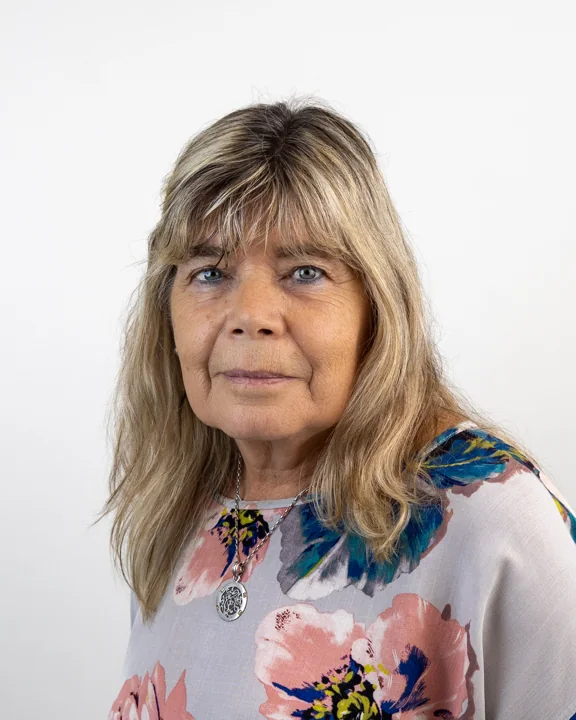
Publishing and the university bookshop
UDA began developing publishing activities in 2000 and formally created its Department of Publications in September 2002. The department combines a university press with a bookshop. The press undertakes editing, design and publication in different formats, while the bookshop distributes the university’s own titles and work from other academic and commercial publishers.
Its stated objectives include publishing material created by university teachers and circulating seminars, theses, articles and other writing by staff and students. Promotion and distribution are part of the same remit. This arrangement connects scholarly production with the practical processes that make a text available to readers. The department’s catalogue spans several fields, reflecting the university’s academic range and providing a channel through which teaching and research can take published form.
Sources: Publications department ↗
International mobility and academic exchange
The university’s exchange and mobility programme supports students undertaking an academic experience abroad and welcomes students from partner institutions. Exchanges are described as lasting an academic semester. Participants take relevant subjects, complete practical and other academic activities, sit examinations and obtain documentation of their work at the receiving university.
The programme also encompasses visits by teachers and researchers and exchange of information, bibliography and teaching materials. Visiting students are given access to university services, including the library, study rooms, computer laboratories, virtual classrooms and sporting activities. The international relations page lists relationships across Europe and Latin America. These arrangements connect time at another institution with participation in its ordinary academic life, while reciprocal visits bring different perspectives into UDA’s own learning community.
Sources: International mobility ↗
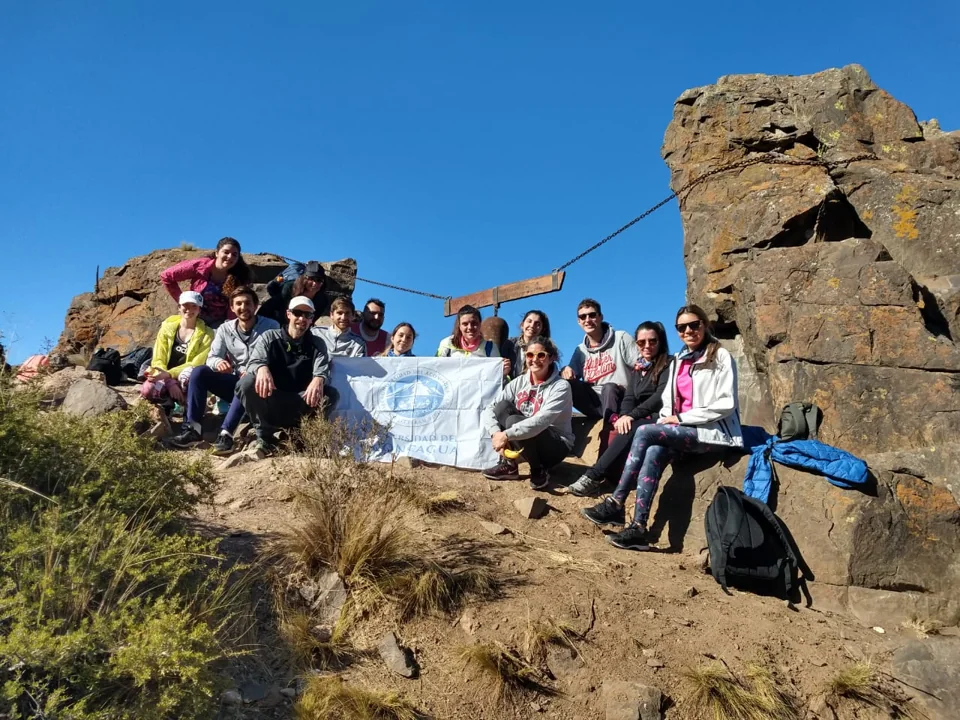
Sport and participation beyond classes
The university’s sports service organises activities including futsal, football and women’s football, alongside walks involving teaching and administrative staff. Its interuniversity list includes volleyball, basketball, chess and swimming as well as football disciplines. This provision creates settings for participation across academic programmes and contact with students at other institutions.
The published 2023 calendar records welcome activities and recreational tournaments, training sessions, interuniversity competitions and student-day events. It also includes outdoor excursions to places such as Cerro Arco and local waterfalls. These dated examples show the variety of activities that have formed part of university life, from informal recreation to organised competition and outings. Sport complements classroom study through shared activity and interaction within the wider Mendoza university environment.
Sources: Sports ↗
Historic buildings and public engagement
Several buildings used by the university preserve elements of Mendoza’s architectural and social history. In an October 2025 announcement, UDA described participating in the city’s Casas con historia programme during its sixtieth anniversary year. The initiative offered free guided visits to properties with historical and cultural significance.
The first recorded tour, in June 2025, included the former Pedro J. Bombal house, used by the language school and secondary school, and the former Bianchi and Furlotti houses. The university presented the visits as an opportunity to share buildings that remain part of its infrastructure while retaining features associated with earlier owners and periods. This activity connects the use of historic premises for education with public interest in the city’s heritage and collective memory.