Visa
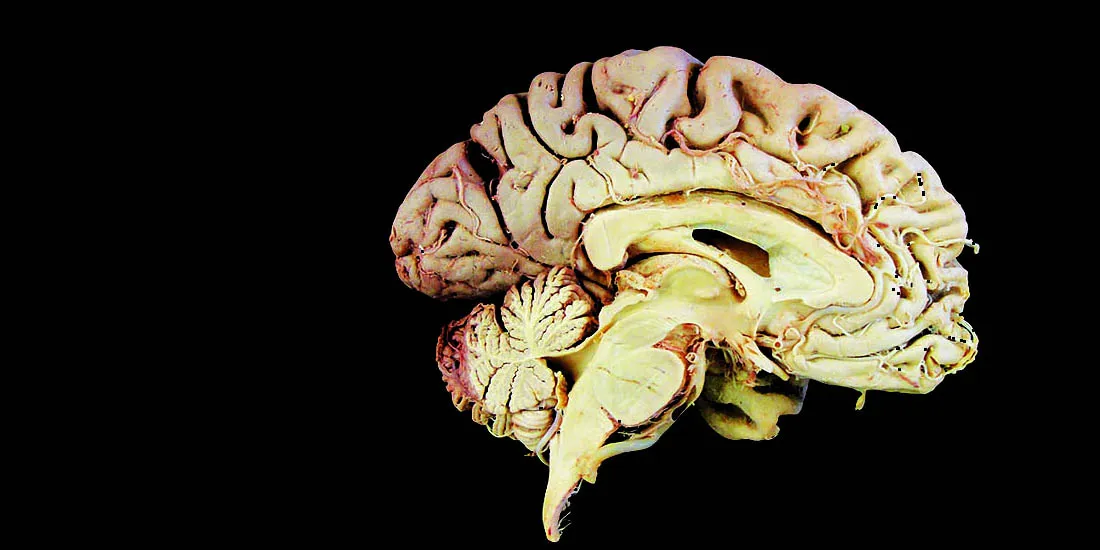
About Achucarro Basque Center for Neuroscience
A research foundation devoted to neuroscience
ACHUCARRO Basque Center for Neuroscience is a nonprofit research foundation in the Basque Country, Spain. It is based in the University of the Basque Country’s science park at Leioa, Bizkaia. Ikerbasque, the Basque Foundation for Science, and the University of the Basque Country fostered its creation. The centre was constituted in April 2012 and takes its name from Nicolás Achúcarro, the Bilbao-born pioneer of modern brain research.
The centre focuses on the biology of interactions between neurons and glial cells in healthy and diseased brains. Its institutional purpose includes research, postgraduate training, collaboration and the dissemination of knowledge about the brain. Its role is that of a specialist research centre connected with the university and the wider Basque scientific system.
The About page identifies neural organisation and information processing, genetic and molecular aspects of development and ageing, and the mechanisms of neurodegenerative and autoimmune-mediated brain diseases among its concerns. Translational research is presented as an effort to connect scientific understanding with the development of possible future approaches to brain disease.
Sources: About ACHUCARRO ↗ · Transparency and foundation governance ↗
Scientific objectives and collaboration
ACHUCARRO belongs to the Basque Excellence Research Centres network recognised by the Basque Government. Its founding objectives combine basic neuroscience research, postgraduate training and knowledge transfer. The centre emphasises collaboration with universities, other research and technology centres, and companies at regional, national and international levels.
The foundation’s objectives specifically address neuron–glia interactions and changes associated with ageing. They also identify research related to conditions such as Alzheimer’s disease, multiple sclerosis, cerebral ischaemia, Parkinson’s disease and amyotrophic lateral sclerosis. These are fields of scientific investigation within the centre’s programme.
Another objective is to strengthen the University of the Basque Country’s work in neuroscience education, research, transfer and innovation. Scientific meetings and training activities form part of that approach, alongside attracting researchers and competitive funding. Equal opportunities are expressly included in the centre’s stated mission and founding objectives.
The 2026–2029 research framework
The current strategic research programme for 2026–2029 builds on the centre’s established focus on neuron–glia interactions. It organises work around three core programmes: neuro-glial interactions in brain diseases, glial modulation of brain structure and function, and gliotheranostics.
The programme also identifies three transversal research lines: neurodegenerative diseases, mental health, and neuro-glia technology. These lines are intended to connect work across the core programmes and encourage collaboration within the centre. The plan combines frontier research, the training of future neuroscientists and efforts to translate discoveries into wider benefit. Its stated overall purpose links understanding the human brain with social and economic sustainability, providing a framework for scientific priorities and the centre’s contribution to the region.
Technical resources and research support
The centre’s platforms page identifies in-house resources for imaging, cell analytics, molecular biology, behavioural phenotyping, human biomodels and biomarkers. These platform areas describe the technical breadth supporting its neuroscience work.
The same page points to the University of the Basque Country’s general research services, SGIker, on the Leioa campus. The listed resources include an animal unit, genomics and proteomics, analytical and high-resolution microscopy, radioisotopes and a P 3 laboratory. The university services provide specialist technical resources and skilled staff for research support. This connection places the centre’s own platforms within a wider campus infrastructure serving bioscience research.
Sources: Research platforms ↗
Advanced training through the Glia School
The Achucarro Glia School is an advanced training activity for researchers already working in, or interested in, glial-cell biology. Its format emphasises close interaction between participants and speakers acting as mentors, practical demonstrations, and group discussions in which participants develop ideas for research projects. Networking and informal interaction are deliberate parts of the learning environment.
The 2026 edition was scheduled for 16–18 September at the University of the Basque Country’s Marine Station in Plentzia. Its announced programme covered cellular mechanisms, neurodegeneration, glial contributions to neural-circuit physiology and experimental approaches. Examples included microglial phagocytosis, astrocytic metabolism, myelin regeneration, organoid models, imaging and transcriptomics. Scientific career development and technical mentoring were also included, extending the event beyond a sequence of research lectures.
Sources: Achucarro Glia School ↗ · International Glia School 2026 programme ↗
Governance and scientific integrity
As a foundation, ACHUCARRO is governed by a board of trustees. Its published governance account identifies representation from Ikerbasque, the University of the Basque Country and the Basque health research and innovation foundation BIOEF.
The centre publishes information on research integrity, good scientific practice, misconduct procedures, equality, open science, funded projects, procurement and institutional agreements. Annual reports, financial statements and audit information are included in its transparency resources. The centre also records its endorsement of the European Charter for Researchers and the Code of Conduct for the Recruitment of Researchers from its establishment. These materials provide a public account of how the research organisation is managed and how its scientific work is supported.
Bringing neuroscience into the community
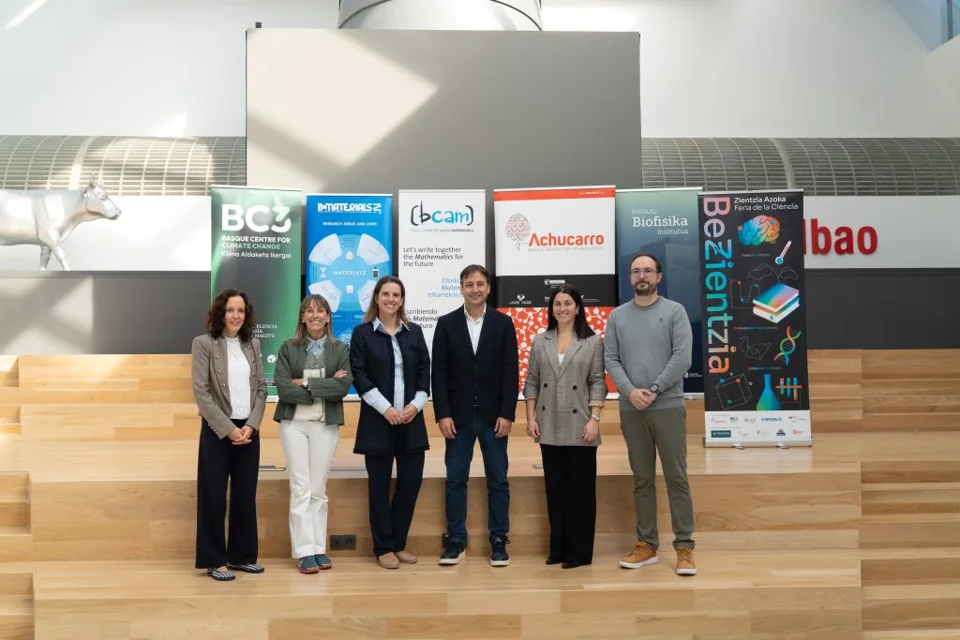
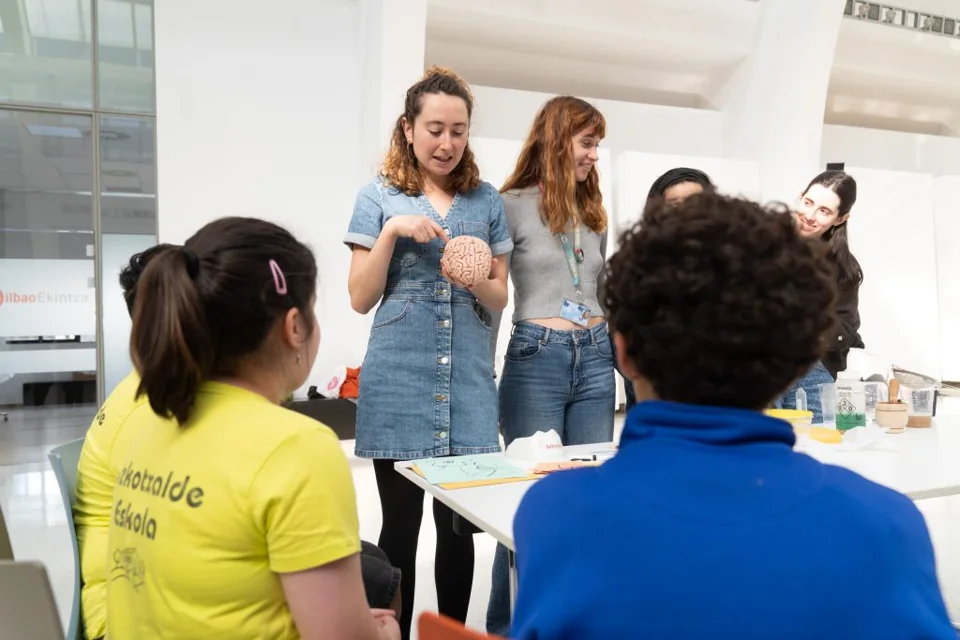
BeZientzia is an outreach initiative launched in 2024 to connect research with younger learners through workshops and demonstrations. The October 2026 edition brought together five BERC centres in Bizkaia: ACHUCARRO, BC 3, BCAM, the Biofisika Institute and BCMaterials.
Two ACHUCARRO laboratories contributed activities. A glia and matrix biology workshop used banana DNA extraction to introduce genetic material and its relationship with brain development and function. A brain development and evolution workshop explored vertebrate brains using avian embryos at different developmental stages. The activities were designed to give students direct encounters with scientific ideas and research methods, extending the centre’s educational contribution beyond postgraduate researchers.
Sources: BeZientzia outreach, October2026 ↗