Visa
About Academy of Chinese Culture and Health Sciences
Chinese medical education in Oakland
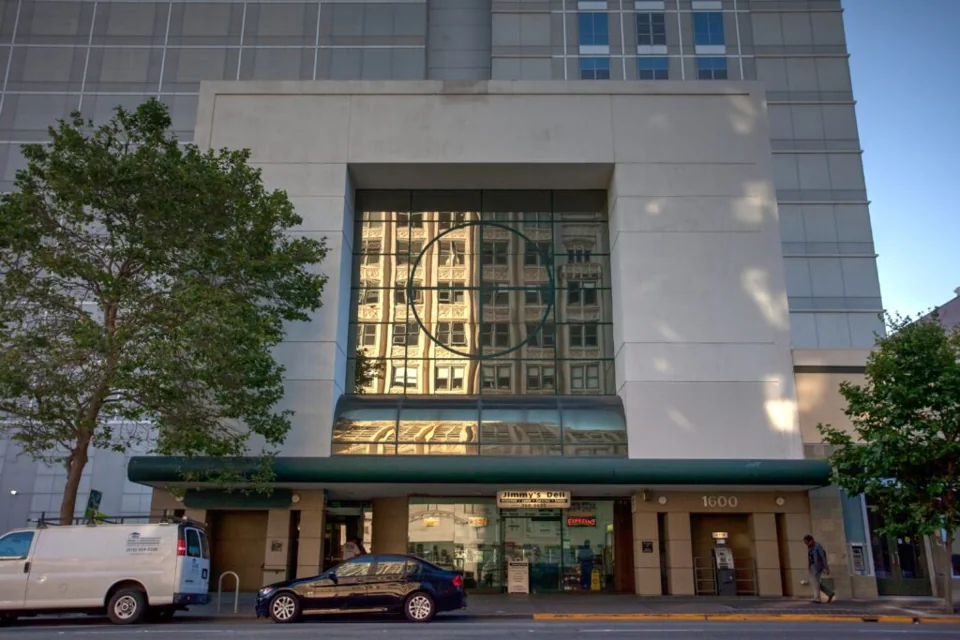
The Academy of Chinese Culture and Health Sciences, commonly abbreviated ACCHS, is a private, nonprofit educational institution in Oakland, California. Its campus is at 1600 Broadway. The Academy was established in 1982 by Wei Tsuei, whose background included traditional Chinese medicine, Taiji Quan and meditation. Its teaching places Chinese medical traditions within a wider setting of Chinese philosophy and culture.
The Academy’s educational offer includes professional graduate study in acupuncture and Chinese herbal medicine, an advanced post-master’s doctorate, and training in Asian medical bodywork. Its master’s education is available in English and Mandarin Chinese. The institution’s Oakland setting connects it with the East Bay and the local Chinese community, while its library and student services support learners through the academic and practical elements of study. The college and its teaching clinic have separate contact services within the same institutional setting.
Sources: About ACCHS ↗ · 2025–2027 professional degree catalogue: institutional history ↗ · Academy campus and community introduction ↗
Master’s study and clinical preparation
The Master of Science in Acupuncture and Chinese Herbal Medicine, identified as MAcCHM, is organised as four academic years that full-time students can complete in three calendar years. The Academy divides the curriculum into pre-professional study during the first two calendar years and graduate coursework in the final calendar year. Written and practical comprehensive examinations assess progression and readiness for graduation.
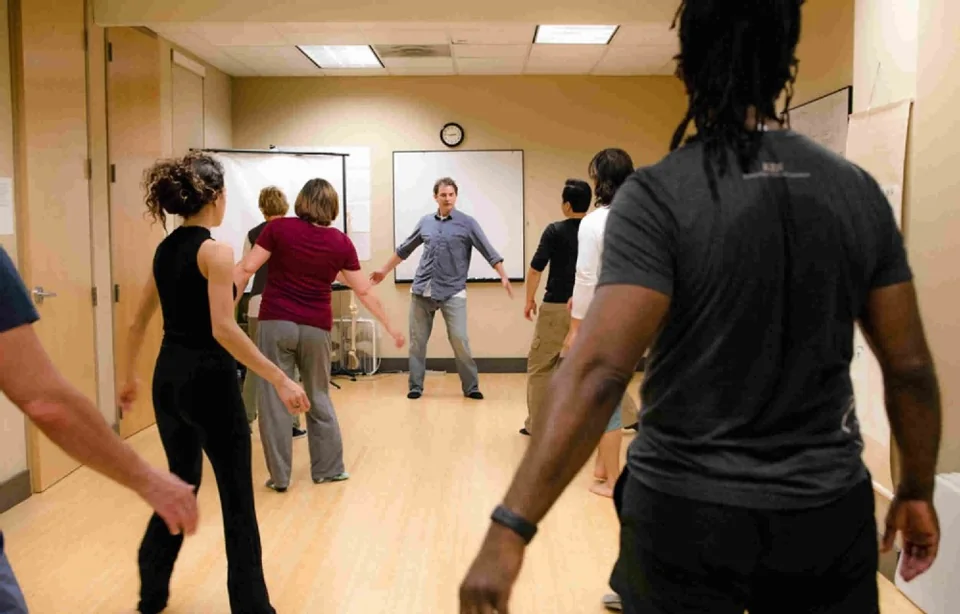
The programme page specifies 960 hours of clinical preparation, divided into observation, pre-internship and internship stages. These stages comprise 300, 250 and 410 hours respectively, with clinical externships also available. Alongside medical coursework, the Academy describes Taiji Quan, qigong and meditation within the educational experience. These activities are presented as part of its approach to developing attention, discipline and personal practice. Clinical learning therefore accompanies classroom study and assessment throughout the professional curriculum.
Sources: Master of Science in Acupuncture and Chinese Herbal Medicine ↗
Advanced doctoral education
The Doctorate of Acupuncture and Oriental Medicine, or DAOM, is a two-year post-master’s programme. Its academic focus is classical Chinese Jing Fang herbalism and integrated orthopaedic acupuncture, with pain management another central subject. The Academy describes a hybrid combination of in-person and online activity for this advanced professional course. Research projects are included alongside the development of clinical knowledge.
The published didactic structure allocates 240 hours to classical Chinese herbal medicine, 240 hours to orthopaedics and pain management, and 120 hours to integration and research. A capstone research paper and presentation form part of the course. The clinical component includes observation, internship, externship and professional-development activity. This distinguishes the DAOM’s advanced educational purpose from the earlier professional preparation undertaken in the master’s programme, while retaining the Academy’s emphasis on classical texts and applied clinical study.
Asian medical bodywork training
The Academy’s Tui Na course has developed into the Certified Asian Medical Bodywork programme, abbreviated CAMB. Its current page announces classes beginning on 4 January 2027 and describes a 555-hour programme. Training covers Chinese manual therapy, meridian theory and acupoint location, orthopaedic massage techniques, assessment, planning and patient care. Classroom teaching uses massage tables, visual presentations, lecture notes and other instructional materials.
Each class has a final examination. The clinical-training description requires at least sixty supervised student-delivered treatments, each lasting at least thirty minutes. Students practise interviewing, assessment, planning, bodywork and follow-up within the programme’s defined scope. The Academy states that this clinical component is separate from clinical training in other programmes. These requirements give the bodywork course a structure of taught study, assessment and supervised practical activity.
Sources: Certified Asian Medical Bodywork programme ↗
Bilingual library and learning resources
The ACCHS library supports instruction, research and the broader information needs of students and faculty. Its collection includes Chinese medical publications in both Chinese and English, reflecting the Academy’s bilingual educational environment. Students can borrow books using their student identification cards, and an online searchable catalogue helps them find material in the collection.
The library also provides computers with internet access, a copier, periodicals, dictionaries and educational videos. Its study space is available to students and faculty during opening hours, and the librarian offers assistance with questions about resources. These services complement practical instruction with opportunities for reading, reference work and independent investigation. The library’s emphasis on both languages gives students access to materials relevant to the Academy’s Chinese cultural foundations and its English-language teaching.
Sources: Library services ↗
Student support and community
The Academy’s student-support information covers tutoring, study groups, student organisations, cohort meetings, campus events and the student council. Students and alumni can seek information about career services, mental-health referrals, and resources addressing housing and food insecurity. Academic-advising contacts are also provided for the professional programmes. Together, these services address both academic participation and practical circumstances that can affect continued study.
Disability services provide a route for requesting appropriate accommodations, with students directed to meet the dean of students or programme administrator. The Academy also publishes procedures for reporting concerns and obtaining support. Its student-services presentation emphasises cultural humility and an inclusive learning environment. In this setting, the institution links specialist professional education with the needs of a diverse student community and its longstanding connection to Oakland. The accommodation process asks for documentation from a qualified medical professional so that the administration can consider the student’s specific needs and recommended adjustments.
Sources: Student services ↗ · About ACCHS ↗