Visa
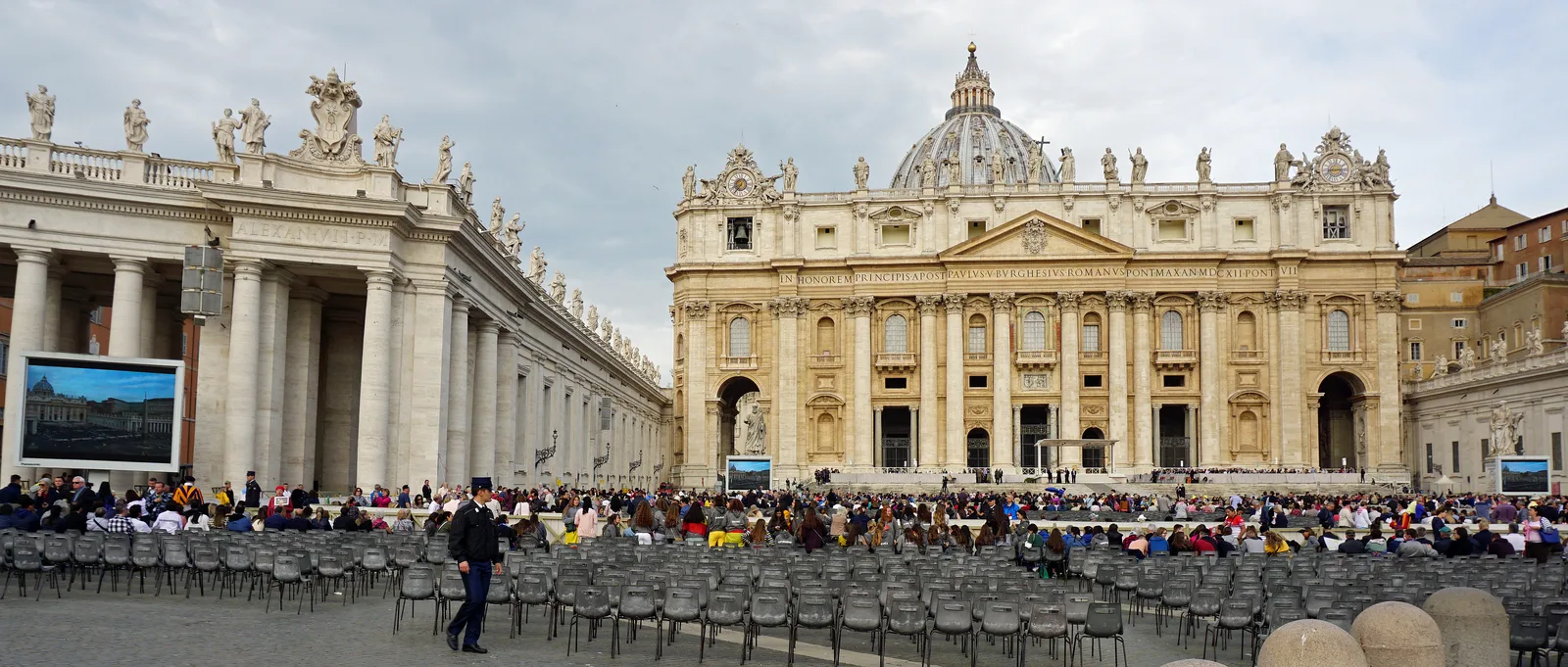
Plan a visit around entrances, rather than the border
Vatican City is small on a map, but visiting it well requires several distinct decisions. The museums, St Peter’s Basilica, the dome and a papal event have different entrances, schedules and booking arrangements. Treating them as one attraction can turn an anticipated day of art or pilgrimage into a succession of missed appointments and unnecessary walks.
For most visitors, one carefully chosen major visit is enough for a day, with time for the square and a meal nearby. Two days allow a more comfortable division between the museums and the basilica. Anyone considering a longer stay should also understand the geography: the surrounding accommodation, restaurants and ordinary residential streets belong to Rome, Italy, rather than to an unrestricted Vatican neighbourhood.
Understand the city-state and its historical setting
UNESCO’s Vatican City description places the independent state within Rome and identifies the Lateran Treaty of 11 February 1929 as the basis of its modern sovereignty. Its World Heritage significance encompasses architecture, archaeology, art and religious life. The monumental setting is therefore more than a collection of famous photographs, and its small territory does not make it a simple attraction to navigate.
The state’s historical account traces the earlier Christian basilica, the growth of the papal complex and the Renaissance rebuilding that shaped the site. Keep those different periods in mind. The religious significance of St Peter’s, the artistic ambitions of successive patrons and the establishment of the modern state are connected stories, rather than events that happened at one moment.
Separate the public square from controlled areas
St Peter’s Square provides the most immediate sense of the setting, with the basilica and colonnades framing a space used for both visitors and large religious gatherings. Allow time to look around, but follow the barriers and instructions in place on the day. A familiar view in a photograph does not establish that every route across the square will be open.
The public visitor areas do not grant access to the whole state. Gardens, offices and residential areas have their own arrangements. Consult VisaWand’s Vatican City country page for broader destination context, and check the actual authority responsible for each booking. An invitation to one event should not be treated as a general access pass to other buildings or services.
Visit St Peter’s as a working place of worship
Ordinary entry to St Peter’s Basilica is free, according to the basilica’s official guidance. Optional reservations, audio services, guided visits and the dome are separate choices. Before paying an intermediary, establish exactly what service is being sold and whether it suits the visit you want.
Inside, the official guide to principal artworks identifies Michelangelo’s Pietà and Bernini’s baldachin among the major works. Resist trying to turn every chapel into a checklist item. Leave room to appreciate the scale and materials, and remember that prayer and liturgy continue around visitors. Follow staff directions when an area is reserved or closed; a sightseeing plan must adapt to the building’s religious function, rather than expecting uninterrupted access everywhere.
Decide whether the dome climb suits your party
Read the official dome questions before booking. The complete stair route involves 551 steps; taking the lift still leaves 320 steps above the terrace. It is not an accessible lift journey all the way to the viewpoint. Narrow passages, inclines and the physical effort matter more than the apparent height on a photograph.
The operator requires security checks even for visitors with online bookings. Its current instructions for an online dome ticket include a basilica visit 90 minutes before the purchased dome time, so read the confirmation as a sequence, not just a single appointment. Check bag restrictions and leave substantial luggage elsewhere. If the climb is unsuitable, an unhurried basilica visit remains a worthwhile plan without forcing everyone to attempt the ascent.
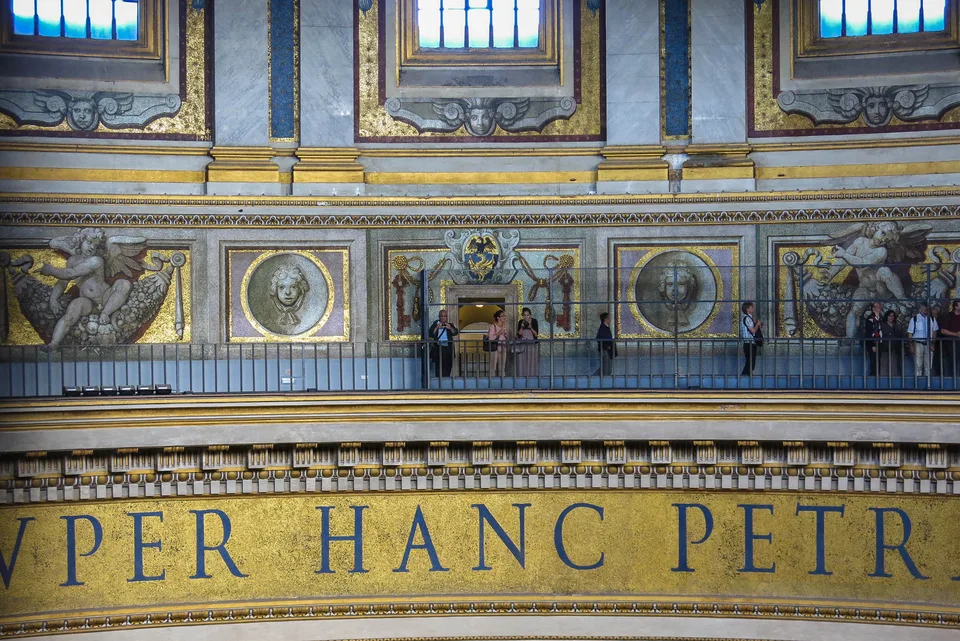
Buy the museum product you actually need
The official museum price list showed standard admission at €20, or €20 plus a €5 online booking fee, when checked in October 2026. The ticket covers the museums and Sistine Chapel on its issued day. It does not establish admission to a separately arranged dome, garden or archaeological visit.
The museums identify tickets.museivaticani.va as their official online sales channel and warn about similar-looking domains. Compare the total price and inclusions before paying. Reduced and free categories require the relevant eligibility, so check documentation for your group instead of guessing from age or student status alone. The published terms say tickets are non-refundable: settle the date, names and practical travel arrangements before committing to an appointment.
Check the opening calendar rather than relying on Sunday advice
The museum opening page listed Monday–Saturday hours of 08:00–20:00, with final entry at 18:00, at the October 2026 check. Halls are cleared before closing. Use the linked calendar for specific closures, including holidays, instead of assuming the ordinary weekly pattern applies to every date.
The last Sunday of the month has a different, shorter arrangement and free entry subject to the calendar. That can matter to a budget, but free admission does not promise a quieter or easier visit. Choose it deliberately, with realistic expectations about demand and the time available. Families and visitors with limited stamina may place more value on a manageable booked day than on maximising the number of free attractions.
Respect the Sistine Chapel’s rules
Read the museums’ visitor rules before packing. Clothing requirements apply to the religious setting, and security and cloakroom rules can affect what you may carry through the visit. Bring what you need for the day without treating a museum appointment as a convenient place to store everything from an airport journey.
Photography and filming are prohibited in the Sistine Chapel. Elsewhere, the museum guidance permits personal photographs subject to restrictions including no flash, while professional equipment requires authorisation. Do not assume that another visitor taking a picture makes it permitted. Put the camera away where required and use the time to look. A guide or audio commentary should also be used in a way that respects the staff’s instructions and the chapel’s atmosphere.
Investigate gardens and archaeological visits separately
The official tour choices distinguish the Vatican Gardens and archaeological experiences from ordinary museum admission. The gardens are not a public park to add spontaneously whenever you feel like a walk. Check the specific product, language, duration, access conditions and included admissions before reserving.
Be equally careful with the word “necropolis”: different archaeological visits are offered by different offices. A booking should name the site and meeting point clearly. Compare its timing against the rest of the day, including any need to walk around the walls. Do not build a tight itinerary on an assumed internal shortcut between the museum circuit and the basilica; obtain instructions for the actual booking and allow for the public route if necessary.
Request the necropolis beneath St Peter’s through its official office
The current necropolis request page describes a guided visit beneath the basilica, separately authorised by the Fabbrica di San Pietro. When checked in October 2026, it admitted visitors aged 10 and over and listed €20 standard admission, or €14 for ages 10–17, including the guide.
The page warns about temperature, humidity and conditions that may be unsuitable for some visitors, including those affected by claustrophobia. Read those conditions carefully rather than treating the visit as an ordinary museum corridor. A requested date and time are provisional until the office confirms them; check that confirmation before paying or fixing another appointment around it. The published payment instructions specify credit card. Do not send personal information or money to an unverified offer of special access.
Treat audiences and liturgies as events with their own arrangements
The Holy See’s audience and celebration guidance states that tickets for General Audiences and the Holy Father’s liturgical celebrations are always free. Follow its current instructions and the relevant request category. A company may charge for its own accompanying service, but that is different from an official ticket price.
Check the actual event calendar, location and arrival instructions before planning around a particular weekday. Leave time for security, finding the correct access point and the duration of the gathering. Large events can also change the square’s circulation and affect ordinary sightseeing. If attending an audience is the main purpose, protect that day from an ambitious series of additional timed visits, especially with children or anyone who needs regular seated breaks.
Arrange accessibility before selecting a tour
The museum accessibility information sets out dedicated routes and services. A route available to an independent visitor does not mean every standard guided tour follows the same accessible path. Discuss your actual mobility equipment, walking range and any assistance needs with the operator before buying a product.
Apply the same practical approach to the rest of the day. Check the approach from transport, security procedures, toilets, seating and the route back to accommodation. Historic paving, gradients and long standing periods can matter even when a principal interior is accessible. A booking described simply as “Vatican tour” is too imprecise to establish suitability. Ask for the itinerary and the arrangements at each site, and keep an alternative for any demanding component.
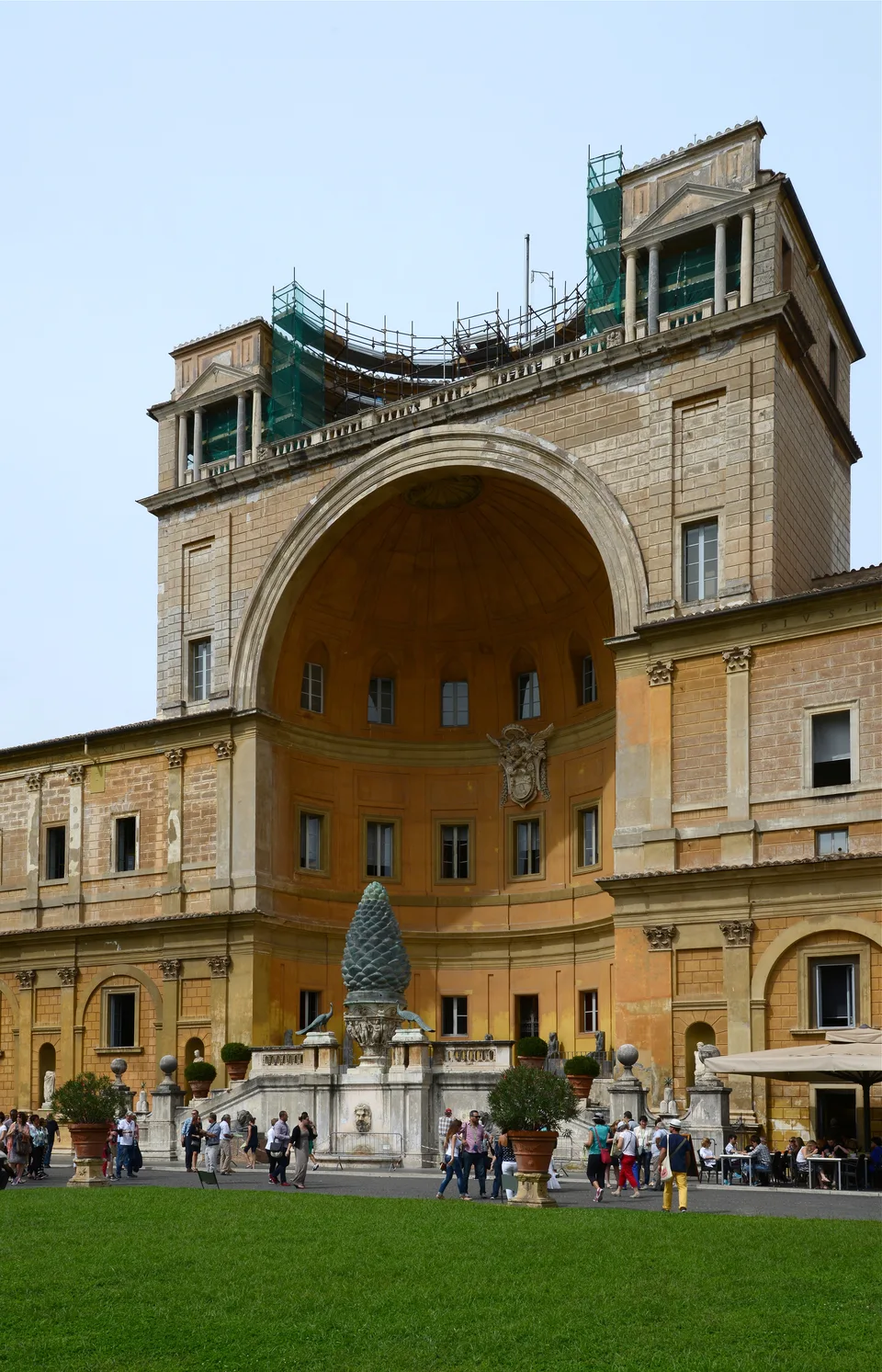
Choose a base in Rome with the right approach
Borgo lies between the Tiber and Vatican City. Its streets can make a convenient base for a visit centred on St Peter’s, but the address is in Rome. Prati, another neighbouring Roman district, provides a different setting for accommodation, shops and daily services. Compare the precise street rather than deciding from a broad “near Vatican” label.
Consider which entrance you will use first. A property close to the basilica may be less convenient for an early museum appointment than its headline distance suggests. Test the walking route, steps and luggage arrangements. If your trip also concentrates on ancient Rome or late evenings elsewhere, compare a more central Roman base against the benefit of staying close to the Vatican for one morning.
Compare accommodation beyond the headline nightly rate
Rome’s official accommodation directory provides a starting point for checking different types of stay. Hotels, guesthouses and self-catering accommodation offer different arrival arrangements and services. Confirm the actual property, address and booking conditions, rather than treating a directory entry as an endorsement of every room or package.
Ask for the total payable amount, including the applicable local accommodation contribution, cleaning and other compulsory charges. Check lift access, air conditioning, heating, noise and reception hours. A family apartment needs usable cooking and laundry facilities, not simply a photograph of a kitchenette. For a pilgrimage or early visit, breakfast timing can be decisive. Flexible cancellation may be valuable while you are still waiting for confirmation of a special visit or religious event.
Connect the airport journey to the final neighbourhood
From Fiumicino, Trenitalia’s Leonardo express connects the airport with Roma Termini. The operator lists a 32-minute train journey and a €14 single fare. Those figures describe the train leg, not a complete airport-to-Vatican transfer. Add baggage collection, waiting and the onward journey to your property or meeting point.
Choose the final connection around luggage, arrival time and mobility needs. A route that works easily with a small bag can be awkward with several cases or a tired child. Check dated timetables and service notices before departure, and avoid a non-refundable museum appointment immediately after a flight. For the journey home, keep the airport connection comfortably separate from a visit that may involve queues, restricted exits or an event finishing later than expected.
Use Roman public transport with the correct ticket
For ordinary travel around Rome, ATAC’s occasional-ticket guidance lists the BIT at €1.50, valid for 100 minutes from first validation. It permits one metro journey within its conditions, alongside surface travel during validity. Check the rules for the actual service; a city ticket should not be assumed to cover an airport train.
Plan the last walk to the correct visitor entrance as carefully as the rail or bus leg. Keep an offline copy of the booking and map, and check current disruptions before setting off. Validate or tap as required and retain the means of showing a valid fare. For a longer stay, compare the appropriate pass against actual commuting, rather than buying a visitor product simply because it is prominently advertised.
Eat and shop outside the security timetable
Most ordinary dining decisions for this visit concern the surrounding Roman streets. Leave a proper meal break between major activities and compare posted menus before sitting down. Ask about service charges, drinks and the difference between counter and table prices where relevant; a view or a convenient location does not establish value.
Rome’s tourism board describes carbonara as a traditional Roman dish, with an origin that is debated. Enjoy the food without needing a manufactured story or an unsupported claim about the “best” restaurant. Check ingredients for dietary needs, especially pork, egg and cheese. For souvenirs, compare quality, provenance and the final price, keep receipts and avoid letting a shopping stop make you late for a personal, timed booking.
Budget around the visits that matter most
Separate the cost of ordinary basilica entry from optional services, and museum admission from other bookable experiences. Add local transport, meals and accommodation charges before deciding what remains for shopping. This makes it easier to compare a guided package with arranging the same priorities independently, without assuming that every included item has equal value to you.
Choose where professional interpretation will improve the experience. A focused guided visit can be worthwhile for a subject you care about; several overlapping tours can create fatigue and unnecessary cost. Keep a contingency for transport changes and a meal away from the original plan. Travellers on a tight budget should reduce optional purchases first, while retaining enough time and flexibility to make the principal visit work.
Match the day to weather and religious activity
Summer heat can make outdoor security lines and the square tiring. The Italian Civil Protection heatwave guidance supports planning around cooler hours, drinking water and avoiding unnecessary exposure. Check current conditions and warnings, and give vulnerable members of the group a realistic way to rest or shorten the day.
In cooler or wetter weather, plan for the time spent outside between buildings rather than dressing only for an indoor museum. Religious holidays and major celebrations can be more important to access than the broad season. Choose a pilgrimage date intentionally, or check the calendar if your main aim is art and architecture. No season guarantees an empty square or a short queue, and an online reservation does not remove every security or operational delay.
A workable first day for art and the museums
Begin with the museum appointment and leave enough time to reach its entrance without rushing. Select your priorities beforehand, take breaks permitted by the route and let the principal collections occupy the morning or a substantial afternoon. Keep the Sistine Chapel within that visit rather than trying to buy an imagined separate quick-entry shortcut.
Afterwards, eat and reassess everyone’s energy. An outdoor look at the square may be enough; a demanding climb or another extensive interior need not follow immediately. If the museum appointment is later in the day, use the morning for a modest Roman walk with a dependable return. Protect the booking from an elaborate excursion whose transport could delay you, and leave the evening relatively open.
A second day for St Peter’s and the surrounding streets
Use another day for the basilica, adding a dome visit only if it suits the group and its confirmed schedule. Give security and worship-related changes room in the plan. A special archaeological visit or audience can become the main event instead, with the other activities adjusted around its actual confirmation.
Later, explore the neighbouring streets at a gentler pace or consider Castel Sant’Angelo’s national museum in Rome, with its own admission arrangements. Avoid turning this into a compulsory second museum after an already tiring morning. With one day only, choose the aspect that matters most and accept a selective visit. Travelling with fewer appointments often makes the religious and artistic setting easier to appreciate than a tightly packed series of entrances.
For a move, identify the actual country of residence
The Vatican’s official population information explains that citizenship, residence permissions and access are governed by specific provisions. A tourist visit, a religious interest or a nearby property purchase does not establish permission to live inside the state. Anyone offered Vatican-based work or institutional accommodation should obtain the applicable authorisations directly through the responsible employer or office.
For most readers exploring an ordinary home close to the Vatican, the practical search is in Rome. Use VisaWand’s Rome city page and Italy country page to assess that separate destination. Confirm where the home is legally located and which authority handles residence, employment and household services. Physical proximity to St Peter’s does not transfer an Italian address into Vatican jurisdiction.
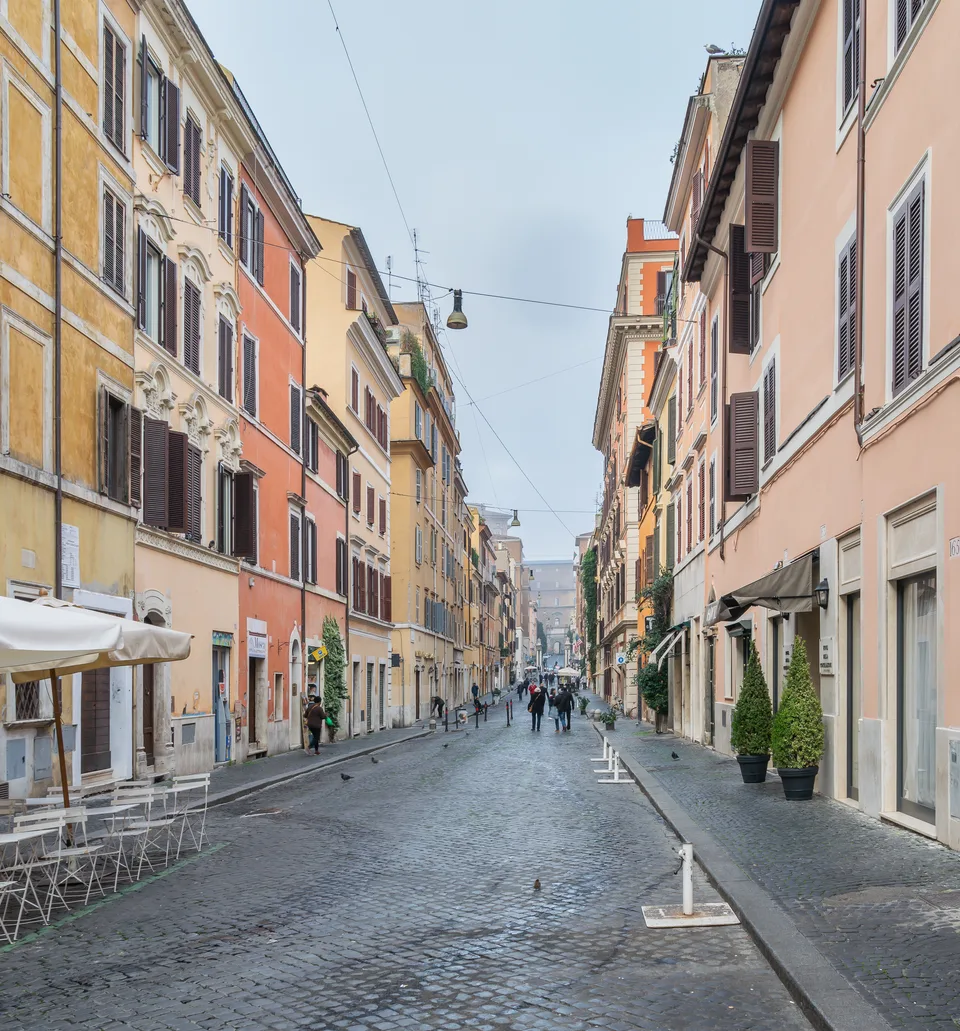
Assess the household and commute in the surrounding city
When viewing a Roman home, test the journey at the hours you will actually travel. An institutional workplace may have a designated gate and access procedure different from a visitor entrance. Ask the employer to clarify the working location, schedule and arrangements before choosing an address around an assumed shortcut.
Inspect heating, cooling, noise, daylight, lifts and storage, and compare the complete cost of each property. Obtain written tenancy terms and advice on the applicable registration and legal requirements before transferring a deposit. Establish who pays utility and building charges. Families should investigate school admissions, language needs and childcare directly. A short scouting stay can help with these decisions, but holiday accommodation and a long-term residential arrangement serve different purposes.
Keep immigration, healthcare and employment questions separate
Use the Italian Foreign Ministry’s entry and residence guidance for the Italian part of the journey. Tourism, work, study and long-term residence have different requirements; where applicable, a national visa and a residence permit perform different roles. Do not assume that entering the Vatican restarts a Schengen visitor allowance, or that a museum ticket supports a right to employment.
Arrange health cover suited to your status and establish routine care after a move. Lazio’s 116117 service provides non-urgent healthcare guidance, including for tourists; it should not be confused with an emergency service or a promise of free treatment. VisaWand’s Vatican City consultant listings and consultant directory can help compare professional support. Ask about relevant jurisdiction, credentials, scope and fees, keeping official decisions and requirements central to the plan.
Official planning resources
Reviewed 17 October 2026. Use the official resources linked throughout this guide for admission, transport, housing and immigration decisions. Prices, services and rules can change; confirm the details relevant to your dates. Photography illustrates the locations and is not a live view.
View all official resources
- UNESCO: Vatican City
- Vatican State history
- Basilica admission and dome distinction
- Basilica principal works
- Dome visitor questions
- Raphael Rooms
- Vatican Museums prices and official tickets
- Museum openings and closure calendar
- Museum visitor rules
- Official museum and garden tour choices
- Current necropolis visit request
- Papal audiences and celebrations
- Museum accessibility
- Rome tourism: Borgo
- Rome tourism: Prati
- Rome official accommodation directory
- Trenitalia Leonardo express
- ATAC occasional tickets
- Rome tourism: carbonara
- Civil Protection heatwave advice
- National Museum of Castel Sant’Angelo
- Vatican population, citizenship and residence
- Italian Foreign Ministry entry and residence questions
- Lazio non-emergency healthcare line
Plan the next part of your journey
Explore the Vatican City guide, browse other cities or compare consultants for your travel and relocation questions.