Visa
A river city best experienced at its own pace
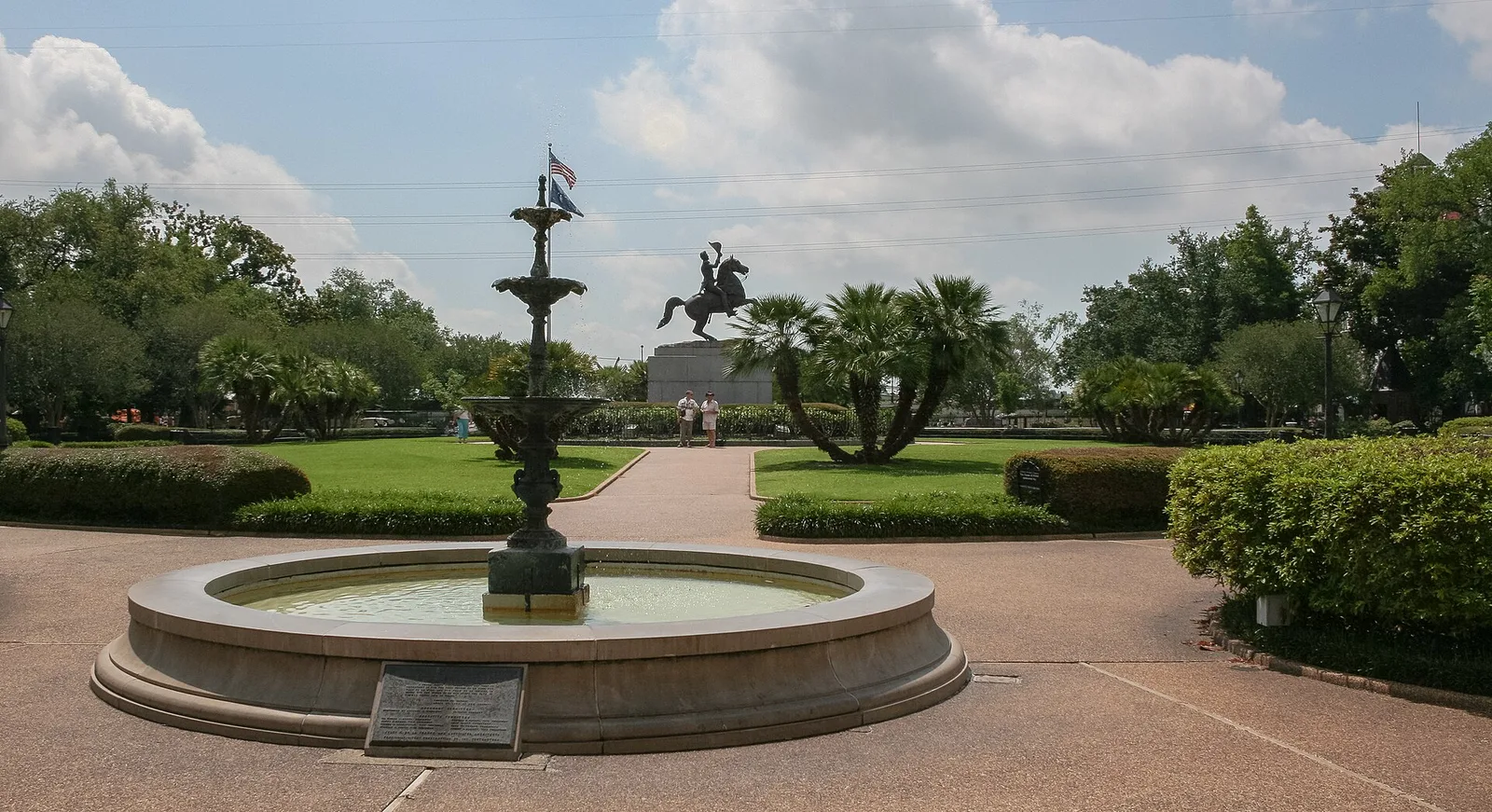
New Orleans rewards a visit built around listening, eating and walking between distinct neighbourhoods. The French Quarter supplies the famous balconies and Jackson Square; Uptown brings residential architecture and the St Charles streetcar; City Park offers a different day altogether. Choose a few connected experiences rather than treating the whole city as a single entertainment district. The official neighbourhood overview is a useful starting map.
For a first visit, three full days can combine the Quarter, a substantial museum and time beyond downtown. Moving here requires a separate assessment: the address, cooling, utilities, flood exposure and actual commute matter more than proximity to a favourite music venue. This guide covers New Orleans in Louisiana, with its own neighbourhoods, services and local transport network. The metropolitan area extends beyond the city; an airport hotel in Kenner is a different base from a room near Jackson Square.
History behind the architecture and music
The National Park Service's history of early New Orleans and jazz traces the city to its French colonial founding in 1718, subsequent Spanish rule and the Louisiana Purchase in 1803. Its musical traditions developed through exchanges involving African, Caribbean and European communities. Enslaved and free Black people were central to this history, including the dance and drumming traditions associated with Congo Square.
Understanding that background adds depth to a visit without reducing New Orleans to a picturesque colonial setting. Look for interpretation that explains who created the culture and whose labour sustained the city. A music performance, historic streetscape and museum visit answer different questions; allow time for each. Architecture can be admired from a public pavement, but a private house or courtyard is not automatically a visitor attraction. Respect residents' entrances when taking photographs, particularly in neighbourhoods where homes stand close to the street.
French Quarter, downtown or downriver?
The French Quarter visitor introduction identifies Royal Street, Jackson Square and the cathedral among the area's defining places. Start with a daytime walk to understand its street pattern before planning an evening out. Bourbon Street is only one part of the Quarter; accommodation beside nightlife needs a different noise assessment from a room on another block.
Across Canal Street, the Central Business District and nearby Warehouse District are practical areas to compare for a downtown stay, especially when museum visits feature prominently. Check the actual walking route rather than assuming every listing described as downtown sits beside your destination.
The Marigny and Bywater neighbourhood guide introduces an adjoining downriver area with Frenchmen Street music, cottages and creative spaces. These neighbourhoods deserve their own visit. Choose a venue deliberately, check its programme and entry conditions, and arrange the journey back before the evening gets late.
Uptown, Garden District and Magazine Street
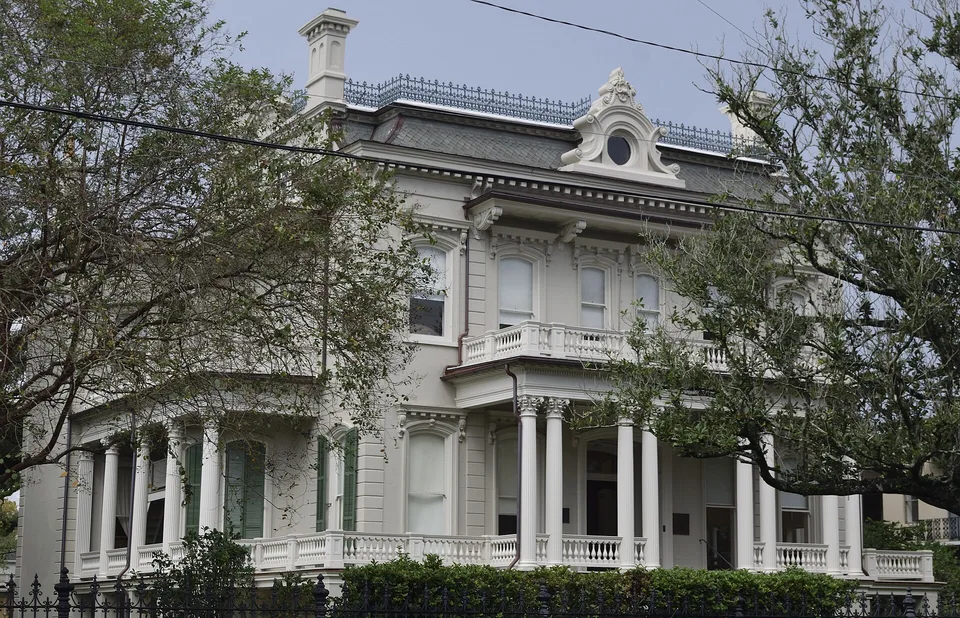
The official Uptown and Garden District guide places St Charles Avenue, residential architecture and shopping streets within a broader upriver landscape. The Garden District is a good choice for an architecture walk; Magazine Street adds browsing and meal possibilities. Further Uptown, the university area is a different destination again. Do not plan the entire corridor as though every stop were adjacent.
Combine a streetcar journey with one manageable walking area. Select your start and finish on a map, then identify a return stop and a place to pause indoors if the weather turns. A guided walk can provide historical context, but compare the guide's actual route, group size and cancellation conditions before booking. Cemetery access should be checked separately; the presence of cemetery tours in an online directory does not establish that a particular cemetery is currently open for independent visits.
Give the National WWII Museum enough time
The National WWII Museum's visit-planning page lists daily opening from 9am to 5pm and general adult admission at $37, checked in October 2026. Beyond All Boundaries and the Freedom Theater are separate paid additions. The museum closes on Mardi Gras Day, Thanksgiving, Christmas Eve and Christmas; verify your date before organising the rest of the day around it.
Its campus at 525 Andrew Higgins Boulevard is substantial. Make this a half-day priority rather than a quick stop between two distant attractions. Read the exhibition choices in advance and decide whether additional presentations justify their cost and time for your interests. Daytime admission is non-refundable, so review the purchase conditions before paying. If you want a longer visit, the operator lists a $15 second-day pass usable within seven days of the initial purchase. Carry only what you can comfortably manage around the galleries.
City Park and art offer another kind of day
The New Orleans Museum of Art's current visitor information distinguishes museum admission from the free Besthoff Sculpture Garden. Out-of-state adult museum admission is $23; Louisiana adult admission is $18. Visitors aged 19 and under enter free. Wednesday's free general admission is for Louisiana residents, not a universal visitor offer. The museum is closed on Mondays.
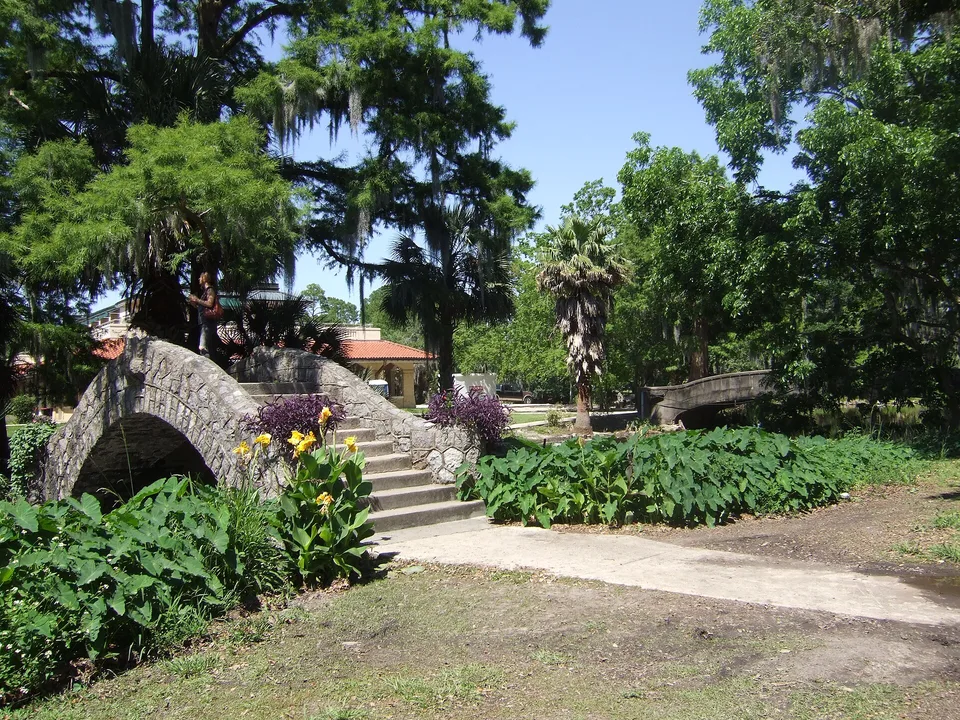
The sculpture garden normally opens daily from 10am to 6pm in April–September, and 10am to 5pm in October–March, with holiday exceptions. That earlier winter finish matters when planning an afternoon arrival. Combine it with the museum or a separate look at City Park's official attractions and facilities. Do not assume every park attraction shares the garden's free admission or timetable. This is a useful alternative to another downtown shopping afternoon, particularly when different members of your group want art, outdoor time and a less tightly scheduled day.
Hear music with a plan for the evening
Preservation Hall presents traditional New Orleans jazz at 726 St Peter Street and provides its own ticket links. Use the operator's current programme rather than assuming a particular ensemble, show length or ticket price. A reserved performance can anchor an evening while leaving the rest of the afternoon flexible.
Frenchmen Street offers another music-focused area to explore. Check the individual venue's age policy, cover charge, seating arrangements and performance time before arriving with children or anyone who needs a seated experience. Different rooms and shows have different conditions; one venue's rules do not describe the whole street. Budget for the performance separately from dinner and drinks. A good evening may involve one complete set rather than several rushed stops. If you are travelling back by public transport, check the final useful departure and the walk from the stop to your accommodation beforehand.
Choose accommodation by the exact block
Use the official accommodation directory to compare hotels and other lodging, then examine the property's own booking conditions. A French Quarter base suits frequent Quarter walks; a downtown or Warehouse District address can work well for the WWII Museum. Uptown accommodation may suit a university visit or a trip focused on its residential streets. None of these descriptions guarantees a quiet room or an easy journey to every attraction.
Ask about the room's position, lift access, cooling, parking charges and any mandatory fees. Calculate the full stay after taxes rather than comparing headline nightly prices. For a short visit, a cheaper room farther away may cost more once transport and lost time are included. For an apartment booking, establish who manages it and confirm that the advertised use is lawful. Keep cancellation and storm-related policies in writing; an attractive photograph does not answer those questions.
Travellers with access needs should ask for measurements and a description of the route from the entrance to the room, rather than relying on a broad accessibility label. Confirm the shower arrangement, any steps and the usable lift dimensions. If arriving before check-in, arrange luggage storage with the property in advance. That makes a museum or neighbourhood walk on arrival day possible without assuming another business will store your bags.
Arriving at Louis Armstrong airport
Louis Armstrong New Orleans International Airport is in Kenner, outside New Orleans itself. Plan the transfer using the terminal's current instructions. The airport taxi page lists pickups outside Level 1 baggage claim at Door 7. Its fare to the Central Business District or French Quarter west of Elysian Fields is $36 for up to two passengers; groups of three or more pay $15 per passenger. That is a defined destination zone, not a universal metropolitan fare. Taxis are required to accept credit cards.
For a lower-cost option, airport public transport information lists the RTA Airport Express 202 at $1.25, with boarding near Door 2 in Zones B4 and B5. Consult the current Airport Express timetable for your stop and flight time. App-based rides have separate airport pickup instructions; follow the displayed curb location instead of joining the taxi queue.
Streetcars, buses and ferry fares
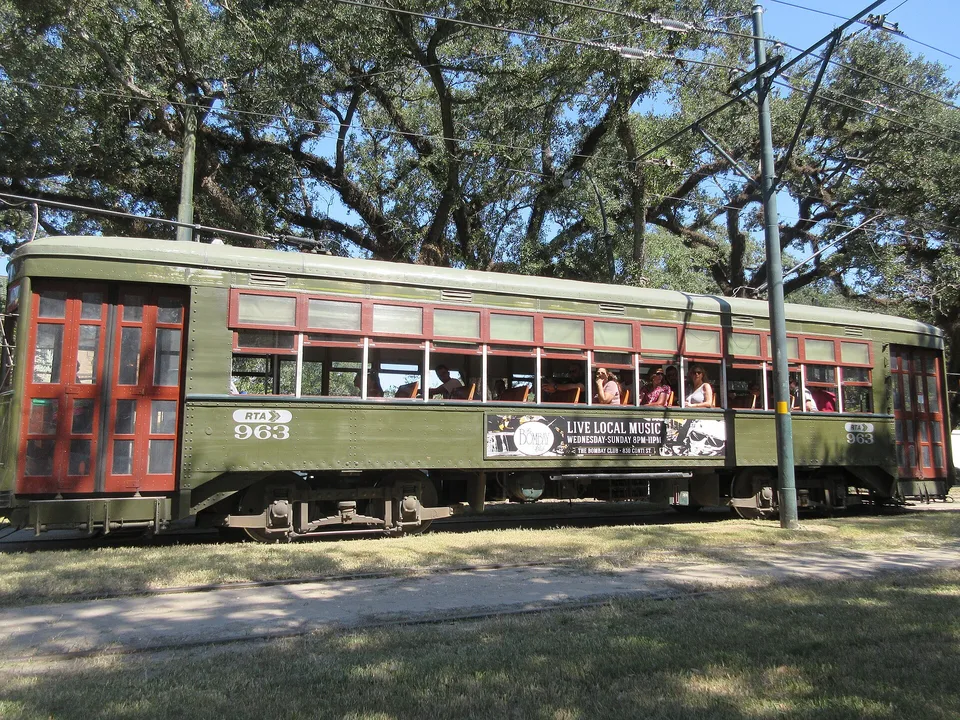
The Regional Transit Authority's route information includes the St Charles streetcar, route 12, and Canal–City Park service, route 48. Treat streetcars as transport with a timetable, not a guaranteed immediate departure. Check the direction and destination before boarding, particularly where Canal services diverge. Consult current service alerts when building a journey around a specific line.
The RTA fare table lists $1.25 adult bus or streetcar rides and $2 single ferry rides. A one-day Jazzy Pass costs $3, a three-day pass $8 and a seven-day pass $15. Jazzy Pass conditions confirm that these cover RTA buses, streetcars and ferries; the one-day pass lasts 24 hours from activation. Jefferson Transit is a separate operator. The $6 Regional Ride covers both systems for 24 hours, whereas an ordinary Jazzy Pass does not provide that cross-operator coverage. Check accessibility for the exact vehicle and stop you need.
Put real numbers into your visit budget
Several verified prices make a useful starting calculation. An out-of-state adult's general WWII Museum and NOMA admissions total $60 before optional presentations. A $3 day transit pass can reduce repeated fare purchases when your itinerary involves several RTA journeys. These figures are planning inputs checked in October 2026, not a complete daily spending estimate.
Build your own total using dated accommodation quotes, your actual airport party size, performance tickets and current menus. A group of three has a different listed airport taxi calculation from a couple. A free sculpture-garden visit can balance a paid museum day without making the entire park a free attraction. Keep a separate reserve for a transport change, weather disruption or revised departure. Where no reliable current rate has been established, ask the operator directly; an unsupported average would make your budget look more precise without making it more dependable.
Seasons, heat and storm planning
The National Weather Service's 1991–2020 climate normals show why the season changes the itinerary. At the New Orleans Lakefront station, July's average high is 90.6°F, about 32.6°C, and average low 78.2°F, about 25.7°C. January averages 61°F and 46.9°F, about 16.1°C and 8.3°C. These are long-term station averages, not a forecast for a particular street or travel date.
In warmer weather, place outdoor walks earlier and protect time for indoor breaks. Winter still calls for layers rather than assuming uninterrupted warmth. Compare your dates with the visitor calendar before booking a quiet break or an event-focused trip.
NOLA Ready's hurricane guidance identifies the season as June 1–November 30. Mandatory evacuation orders apply to visitors as well as residents. Know how you would leave, monitor official instructions and ask your accommodation about its disruption procedure; avoid relying on an old evacuation-centre address.
A realistic three-day first visit
This is an editorial itinerary suggestion, to be adjusted for opening days, weather and your pace. On day one, begin around Jackson Square, walk part of Royal Street and leave the afternoon flexible for another Quarter interest. Reserve an evening performance only after checking its time, entry conditions and return transport. Avoid adding a distant museum merely to fill the day.
On day two, give the WWII Museum a substantial morning and early afternoon. Plan lunch around the visit and allow time to absorb the exhibitions. A shorter downtown or Warehouse District walk can follow if you still have energy; there is no need to turn the evening into another major excursion.
On day three, choose City Park and NOMA or a Garden District and Magazine Street outing. Splitting both across a rushed day reduces time at each. If day three is a Monday, NOMA's museum closure changes that choice. Keep departure day lighter.
Moving: assess a home before choosing a neighbourhood
For relocation, start with the job, campus or household destination that determines most journeys. Map a prospective home's route to it at the times you will actually travel. A pleasant holiday walk is not sufficient evidence for a daily commute with groceries, children or an irregular shift. Check the return journey as carefully as the outward one.
Compare homes using the complete monthly obligation: rent, electricity, water, sanitation, internet, parking, insurance and any required fees. Obtain current written rental quotes for the size and location you need, compare their included services and clarify which utility accounts belong to the landlord. Inspect cooling, drainage, windows and signs of persistent dampness. Ask how repairs are reported and how urgent problems are handled outside office hours. Furnished temporary housing can provide time to investigate a longer lease, but compare its actual total and contract restrictions first.
Rental standards, deposits and flood questions
The city's Healthy Homes programme requires rental Certificates of Compliance, renewed every two years, and sets standards including plumbing, heating and cooling. Ask the owner about the property's current certificate and inspect the home itself. Certification does not replace checking the condition of the unit you are offered. The programme directs housing complaints to 311 and the city's reporting system.
Read the lease's notice and deposit provisions against Louisiana's current security-deposit statute, including its 2026 amendments. Return and itemisation deadlines differ; provide a written forwarding address and retain evidence of the property's condition. Avoid relying on an older summary that treats every deadline as identical.
Use the federal FloodSmart resource to frame address-specific insurance questions. Standard homeowners policies generally exclude flood damage. Ask what coverage applies to the building and your belongings, and discuss exclusions and deductibles with the insurer. A landlord's policy should not be assumed to cover a tenant's possessions.
Utilities and the first household appointments
The Sewerage and Water Board's new-customer instructions require an in-person application with picture identification, a Social Security number and proof of occupancy. New arrivals who lack a listed document should contact the provider about acceptable alternatives before move-in; this guide cannot promise an exception. Establish who will be the customer of record and responsible for bills.
The board's current customer FAQ lists residential sanitation at $32.25 a month from October 1, 2026, billed separately from water usage. Check how that charge is handled in your lease. Entergy New Orleans residential resources provide electricity service and move information; confirm the actual provider and any account requirements for your address.
Arrange internet, a workable phone connection and access to medical services alongside utilities. HealthCare.gov provides official insurance information. Check eligibility and enrolment circumstances rather than assuming either visitor cover or a foreign policy will meet a relocating household's needs.
Schools, university and family logistics
NOLA Public Schools' enrollment portal is the starting point for participating school applications and current family support. As checked in October 2026, the main application round for 2027–28 opens on November 2; families seeking a place in the current year should use the listed family-resource contact. Do not assume the next main round solves an immediate midyear need, or that the nearest school automatically supplies a place.
Compare application documents, available places and the school journey before committing to a home. Childcare and holiday arrangements may create different transport requirements from the ordinary school day. For a Tulane-linked move, the university's Office of International Students and Scholars provides institution-specific immigration support. Coordinate housing dates with your actual programme and arrival permission. University admission, school enrollment and renting a property each address different needs; none independently establishes the immigration permission for the whole household.
Visiting, studying, working and settling are separate routes
Start with VisaWand's USA country guide for broader planning, then use federal instructions for your case. The Department of State's visitor-visa guidance distinguishes tourism from employment, degree study and permanent residence. A hotel reservation or rental agreement does not change that distinction. Eligible travellers using the Visa Waiver Program must meet its conditions and ESTA requirements; qualifying visits are limited to 90 days.
For a degree programme, consult official student-visa instructions and the school's designated adviser. For a job, review official employment categories and the permissions relevant to the proposed work. Permanent relocation requires an applicable immigrant pathway, not simply a longer sightseeing stay. Requirements depend on nationality and individual circumstances. If you need help assessing your plans, VisaWand's consultant listings can support finding assistance; independently check credentials, scope and fees. Neither a consultation nor an issued visa guarantees admission.
Nearby wetlands and other places to compare
A wetlands excursion needs current access research. The National Park Service's Barataria Preserve visitor information reports that most trails and the visitor centre closed from February 2, 2026 for construction expected to last two years. Consult current conditions rather than following an older itinerary that promises a full preserve walk.
The operator identifies the open Wetland Trace boardwalk at 4917 City Park Drive in Jean Lafitte, with services relocated to the Louisiana Wetlands Education Center. That address is outside New Orleans and is not its City Park. The education centre has separate admission charges; confirm the day's arrangements before travelling. Never approach or feed wildlife, and do not expect a guaranteed sighting.
For a broader comparison, explore VisaWand's USA destination information and USA city and settlement directory. These complement the completed Houston guide; directory entries identify locations and should not be mistaken for finished travel articles.
Official planning resources
Reviewed 13 October 2026. Use the official resources linked throughout this guide for admission, transport, housing and immigration decisions. Prices, services and rules can change; confirm the details relevant to your dates. Photography illustrates the locations and is not a live view.
View all official resources
- Official neighbourhood geography and visitor orientation
- French Quarter architecture Royal Street Jackson Square and food
- Uptown Garden District St Charles Avenue and Magazine shopping
- Marigny Bywater Frenchmen Street and Crescent Park
- National Park Service colonial history African traditions and jazz origins
- Museum adult admission 37 dollars hours 9–17 add-ons and holiday closures
- NOMA out-of-state adult 23 dollars resident 18 youth 19 and under free; Monday closed; sculpture garden free winter 10–17 summer 10–18
- City Park official attractions facilities and current events
- Preservation Hall traditional jazz 726 St Peter Street and official tickets
- Official lodging directory by neighbourhood and accommodation type
- Traditional foods gumbo jambalaya red beans rice po-boys and muffaletta
- Louis Armstrong airport in Kenner and current ground transport
- Airport Door 7 taxi zone 36 dollars for up to two; 15 per person three or more; cards accepted
- Door 2 Zones B4 B5 airport bus; RTA 202 1.25 dollars; JeT requires separate or regional fare
- Airport app pickups Level 1 middle curb and current instructions
- Fall 2026 Airport Express timetable effective September 20 with downtown stops
- RTA 1.25 bus streetcar 2 ferry; 3 day pass 8 three-day 15 seven-day 45 month; child age-five rules conflicting and omitted
- Jazzy passes include RTA buses streetcars ferries; day 24 hours from activation; Regional Ride 6 dollars covers RTA and JeT
- Current St Charles 12 Canal City Park 48 and other route resources
- Current transport alerts checked before travel
- 1991–2020 Lakefront July 90.6/78.2 F January 61/46.9 F; not airport normals
- June–November season and mandatory evacuations include residents and visitors
- Actual browser full page: rental Certificate of Compliance renewal every two years minimum plumbing cooling heating and 311 complaint route; updated March 31 2026
- Current RS 9:3251 amended 2026: return within month, itemization permitted 15 days beyond month, forwarding address and abandonment exceptions
- Official NFIP: ordinary homeowners coverage generally excludes flooding; separate policies and contents questions
- New service in person picture ID SSN proof occupancy; no unverified alternative-document promise
- Residential sanitation 32.25 dollars monthly effective October 1 2026 separate from water usage
- Entergy New Orleans residential service and start move resources
- Official health insurance marketplace eligibility and enrolment
- Current-year midyear family resource contact; 2027–28 main application opens November 2 2026
- Tulane international student and scholar immigration support
- Visitor purposes exclude employment degree study and permanent residence
- Visa Waiver eligibility ESTA and maximum 90-day qualifying visits
- Degree study institution certification and student visa process
- Official temporary employment visa categories
- Official family and employment permanent immigration pathways
- Most trails and visitor centre closed February 2 2026 for expected two years; Wetland Trace open at 4917 City Park Drive Jean Lafitte; centre separately charged
- Current preserve trail closures as of September 2026
Plan the next part of your journey
Explore the United States guide, browse other cities or compare consultants for your travel and relocation questions.