Visa
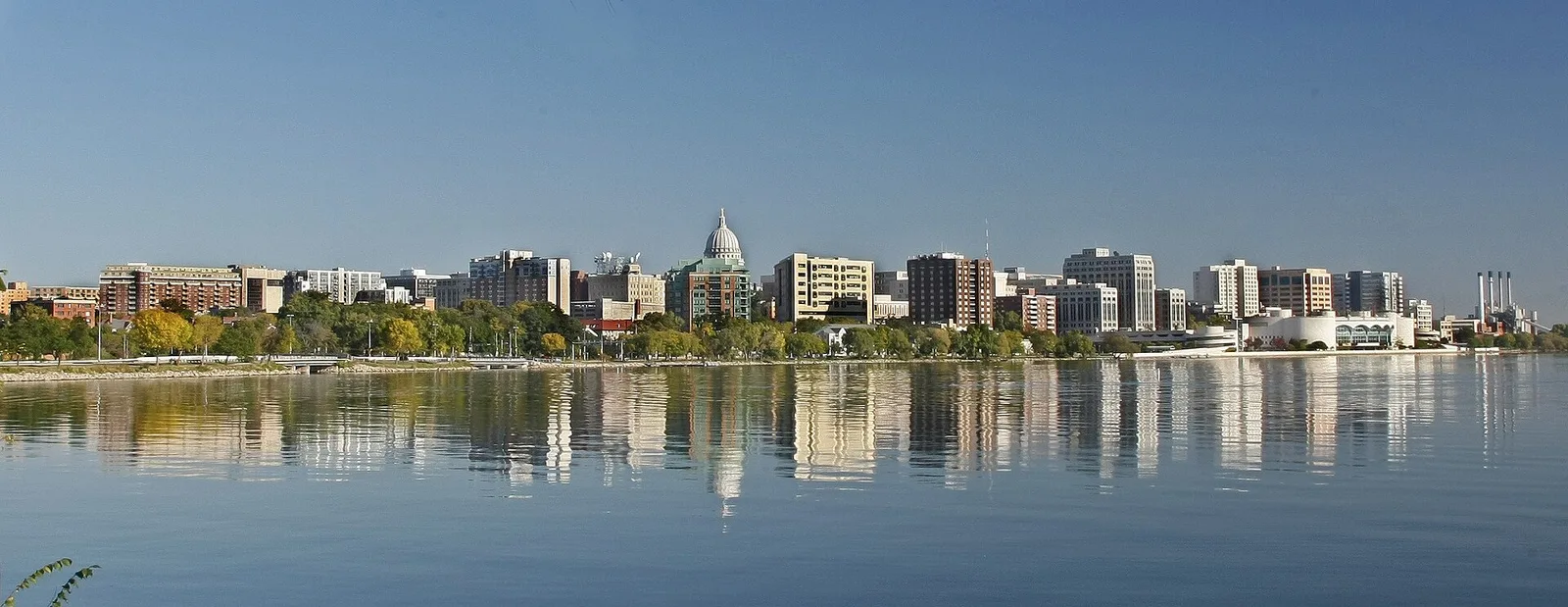
A capital city shaped by two lakes
Madison’s centre occupies an isthmus between Lake Mendota and Lake Monona, with the Wisconsin State Capitol rising above the streets and the University of Wisconsin–Madison extending west towards the Mendota shore. That geography gives a short visit a clear rhythm: government and market life around the Square, shops along State Street, then an evening beside the water.
It also creates choices for anyone moving here. A home near campus can make university life convenient without making a job elsewhere in the region convenient. East-side restaurants, suburban workplaces and the airport require different journeys. Start with Destination Madison’s downtown overview, then separate the places you want to visit from the places you must reach every weekday. A weekend is enough for an introduction; a relocation visit should include ordinary errands and a commute.
History beyond the Capitol dome
Madison’s political origins preceded much of its physical development. The Wisconsin Historical Society’s timeline records its selection as territorial capital in 1836 and the town’s platting in 1837; Wisconsin became a state in 1848. Government and the university subsequently became central to the city’s identity, and their buildings remain useful landmarks for understanding its layout.
The region’s history begins much earlier. UW–Madison’s Our Shared Future project explains that the campus occupies ancestral Ho-Chunk land, known as Teejop. Its account addresses forced land cession and repeated attempts at removal while recognising the Ho-Chunk Nation’s continuing presence and sovereignty. Read this context before treating the lakes simply as scenery. The city’s institutional architecture and the Indigenous history of the landscape belong in the same visit.
Choosing a neighbourhood for your visit
Capitol Square is a useful base for a first trip focused on government, downtown restaurants and the farmers’ market. State Street leads towards campus, making the corridor practical for a mixture of city sightseeing and university appointments. A campus-side stay reduces journeys for admissions visits but deserves closer scrutiny on football weekends.
For a different emphasis, consider the near-east and near-west neighbourhoods. Williamson–Marquette and Schenk–Atwood offer shopping and dining beyond the central sightseeing circuit. Monroe Street places you near the university’s western surroundings and the Vilas area. These are starting points for comparing addresses, rather than promises that every block has the same atmosphere. Check the actual entrance, nearby bus stops and evening surroundings of any accommodation, especially if the listing uses a broad neighbourhood name.
Begin with a State Capitol tour
The official Wisconsin Capitol tours are free and last approximately 45–50 minutes. Standard departures are 9, 10 and 11 a.m., then 1, 2 and 3 p.m., Monday through Saturday; Sunday tours run at 1, 2 and 3 p.m. Additional late-afternoon summer departures should not be assumed for an October visit.
Groups of fewer than ten can normally join without a reservation; larger groups should book. The tour is a useful first appointment because it anchors your understanding of the Square and leaves room for lunch or State Street afterwards. Legislative activity can restrict access to particular rooms. Accessible entrances and elevators are available, but visitors should ask specifically about any observation-deck access rather than assume the entire route has identical accessibility.
Chazen: free art with current access limits
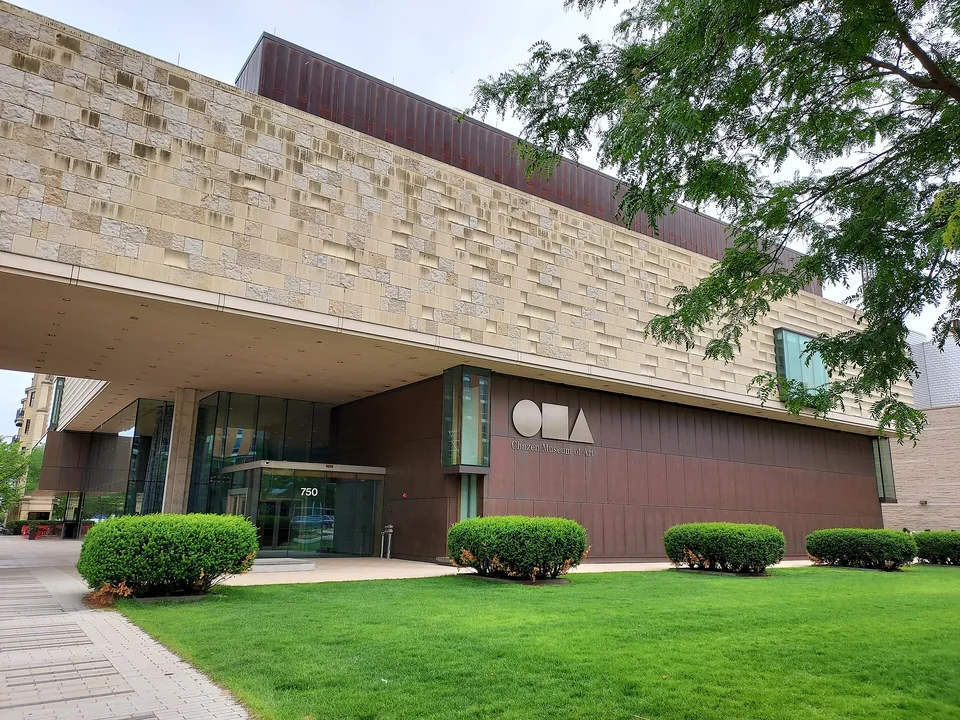
The Chazen Museum of Art at 750 University Avenue combines naturally with a campus visit. Admission is free, and the museum opens daily except university holidays. The Rowland and Garfield galleries open at 10 a.m. on weekdays, later than the building itself; weekend opening is 11 a.m. Gallery closing is 7 p.m. on weekdays and 5 p.m. at weekends.
As checked in October 2026, third-floor galleries in both the Chazen and Elvehjem buildings remain closed while the permanent collection is reinstalled. Reopening is phased, so check the museum’s access notice before travelling for a specific collection. This remains a worthwhile indoor option, but a visitor should plan around the galleries actually available rather than expect unrestricted access to both buildings.
Olbrich’s gardens and tropical conservatory
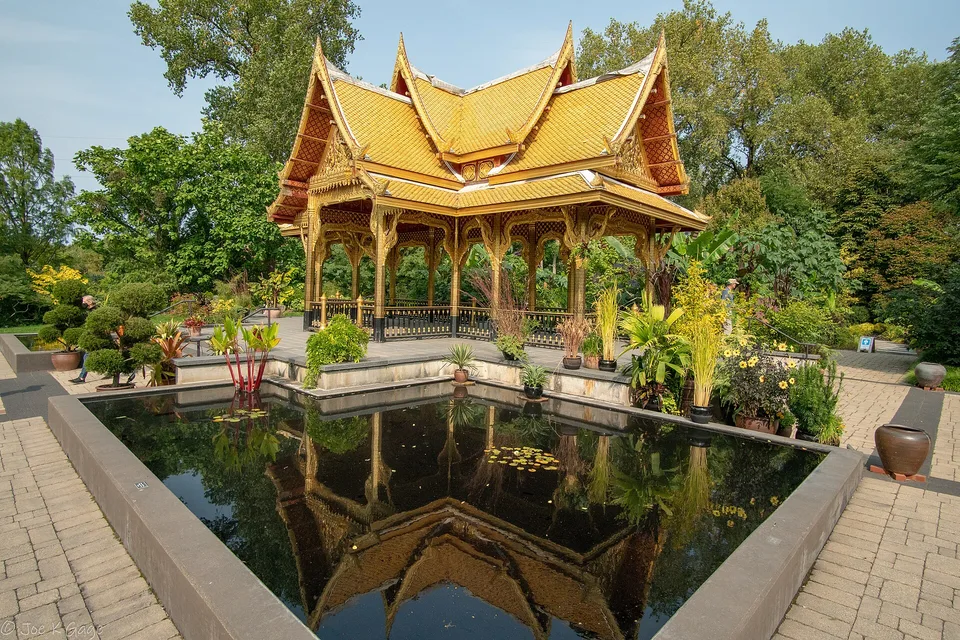
On the east side, Olbrich Botanical Gardens offers sixteen acres of outdoor planting, including its Thai pavilion, alongside the indoor Bolz Conservatory. The outdoor gardens are free. Under ordinary conservatory admission, adults pay $6, children aged six to twelve pay $3, and children five and under enter free. Wednesday and Saturday admission is free from 10 a.m. to noon.
Special exhibitions can have different charges or arrangements. Hours are 10 a.m.–4 p.m. from October through March and 10 a.m.–6 p.m. from April through September, with holiday exceptions. Allow time for the grounds rather than treating the pavilion as a quick photograph stop. Some paths have different surfaces, so use the visitor information to assess mobility needs and available assistance before arrival.
Monona Terrace and the lakefront
Monona Terrace’s architectural story connects the city with Frank Lloyd Wright’s ideas for its waterfront. The building’s exhibitions and lake-facing spaces offer a different perspective from the Capitol: here, the relationship between civic buildings and the water becomes the attraction.
Public guided tours run on Thursdays, Fridays and Saturdays at 1 p.m. by advance reservation. Adults pay $5; students aged five to seventeen pay $3; younger children enter free. Reservations must be made by 11 a.m. on the tour day. The rooftop gardens provide views towards Lake Monona, but close in inclement weather. Their concession café is seasonal. Keep an indoor alternative available and check rooftop access before making it the main purpose of your outing.
Memorial Union Terrace: know the visitor rules
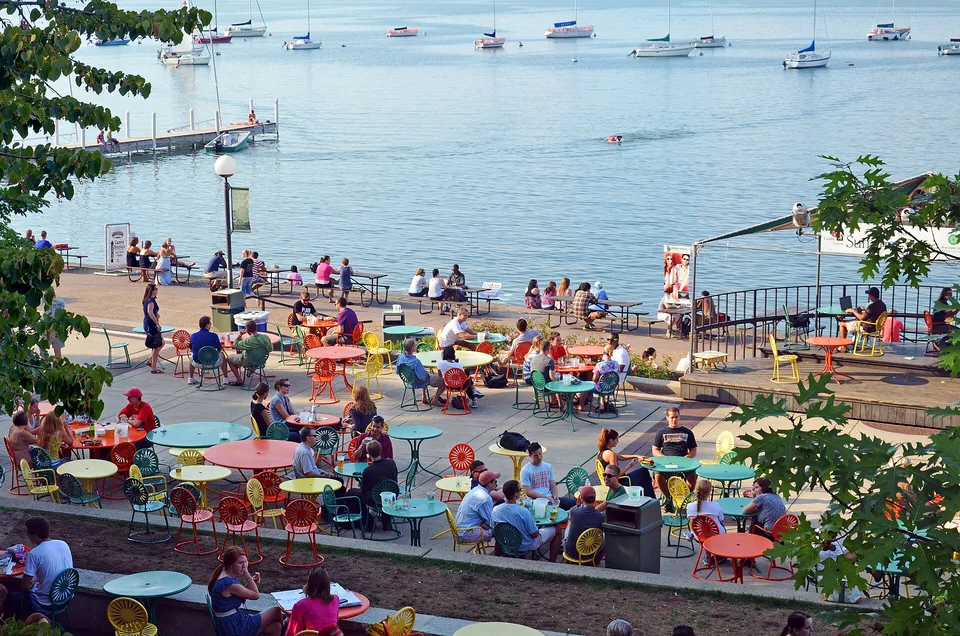
The Memorial Union Terrace brings campus life to Lake Mendota, with outdoor seating and seasonal entertainment. Seating is first come, first served, rather than reservable. It suits a relaxed break after the museum or State Street, particularly when the weather allows you to stay outside.
The Wisconsin Union is a membership organisation. Its visitor FAQ explains that anyone can visit with a day, annual or lifetime membership, and a one-day membership costs $1 at Memorial Union restaurants and cafés. People of all ages are welcome. Outside alcohol, shareable-size food, delivery and outside catering are prohibited. Check current hours and the event calendar, and avoid planning a winter visit around summer chairs, outdoor dining or a particular performance that has not been confirmed.
A family outing or a quieter nature visit
Henry Vilas Zoo provides a substantial family option without an admission charge. The grounds normally open daily from 9:30 a.m. to 5 p.m.; indoor exhibits have shorter hours. Parking is free but limited, with a three-hour restriction in zoo lots. Train and carousel rides carry separate charges and operate seasonally, so free entry does not mean every activity is included.
For walking and ecological interest, the UW Arboretum is also free to visit. It has gardens, distinct natural communities and more than seventeen miles of trails. It is a protected research landscape: pets, picnics and foraging are not allowed, and bicycles must stay off unpaved areas. Choose it for a nature walk, rather than as a substitute for a park picnic or an unrestricted cycling route.
Food, shopping and the farmers’ market
The Dane County Farmers’ Market on Capitol Square is producer-only: vendors sell what they grow or make, and popular products can sell out before closing. Go early, bring reusable bags and check the current market arrangements for your dates. Pets are prohibited, although service animals are allowed.
For meals, use Destination Madison’s restaurant directory to compare menus and opening days across downtown and the surrounding neighbourhoods. Williamson Street’s neighbourhood association describes the corridor between Machinery Row and the Yahara River, useful for combining independent shops with dinner. Decide whether you want a booked restaurant, a quick meal or food to take back to your accommodation; those choices affect both cost and timing. Ask about dietary requirements directly instead of relying on a district’s general reputation.
For a food purchase tied directly to Wisconsin, Fromagination on Capitol Square sells artisan cheeses at 12 South Carroll Street, with cheeses cut to order and tasting advice. Its published hours exclude Sunday. Ask about portions, refrigeration and transport before buying something to carry on a longer journey.
Choosing accommodation and checking the total
Downtown hotels suit a short stay with several central appointments. Campus-side accommodation suits university visits, while an airport-area room can simplify an early departure. An outlying property may work well with a car, but compare its evening bus service before assuming the lower room price means a lower total trip cost.
Check the Badger football calendar and game-day planning when choosing dates near campus. Compare the full booking total, cancellation deadline, parking charge and breakfast arrangements. For a longer scouting trip, laundry and cooking facilities may matter more than a prominent view. Ask whether an advertised airport shuttle runs at your flight time and requires booking. The airport identifies courtesy services offered by some hotels, which is not a guarantee for every property.
If you are splitting time between an interview and university appointments, plot both entrances before choosing a room. A hotel described as convenient for Madison may serve a regional road journey better than a pedestrian itinerary. Ask about baggage storage when an appointment falls between checkout and departure. For temporary accommodation during a move, compare the weekly total with any cleaning fee, kitchen equipment and arrangements for extending the booking. A flexible first stay can give you time to inspect a permanent home, but confirm the extension terms rather than assume the original nightly rate remains available.
Arriving through Dane County Regional Airport
For a flight into Madison, Dane County Regional Airport ground transport explains the terminal connections. Metro’s airport bus is specifically Route D2, boarding on the roadway median outside Door 6 at the bus sign. It serves downtown and the university corridor; another Route D branch does not serve the airport.
The airport lists service approximately every thirty minutes on weekdays and hourly on weeknights and weekends. Check the actual departure for your arrival time. Adult fare is $2 with a two-hour transfer window using the contactless payment arrangement. Taxis use Door 7, rideshare pickup is outside Door 6 to the right, and hotel courtesy shuttles use the Door 5 median shelter. These are separate pickup arrangements, so follow the signs for the service you have chosen.
Chicago connections require extra time
Flying through Chicago can broaden your flight choices but adds a substantial ground journey. Van Galder’s airport coach service links O’Hare with Madison, including Dutch Mill and the UW campus stop. Use the current timetable and airport pickup instructions rather than an older printed schedule.
The operator’s schedule effective from August 2026 identifies O’Hare’s Multi-Modal Facility for inbound pickup. That makes terminal-to-coach transfer time part of your itinerary. Compare the complete journey, including baggage collection, getting to the coach and reaching your Madison accommodation, with a flight into Dane County Regional Airport. For the return, allow for road congestion and airline check-in requirements. A cheaper airfare can lose its advantage when it creates another hotel night or an inconvenient late arrival.
Metro fares, transfers and Rapid Route A
Metro’s adult fare is $2. Contactless bank cards and mobile wallets are accepted, with a two-hour transfer window when you keep using the same card or device. Adult fare caps are $5 per day, $16.25 per week and $65 per month. Switching between a physical card and its wallet version can disrupt the payment history used for transfers and caps.
Rapid Route A provides the east–west backbone between Sun Prairie’s park-and-ride and Junction Road. At BRT stations, cash users must buy a ticket at the vending machine before boarding: cash is not accepted aboard the bus at these stations. Campus Routes 80–84 are free for visitors as well as university users. Consult the route and branch, not just the bus colour, when planning a journey.
Cycling, walking and spending carefully
Walking works well for a central itinerary, while Madison BCycle extends your range with dock-based electric bikes. Its riding season runs from March 15 to December 15. The single-trip pass costs $8 for up to thirty minutes; the $20 guest pass allows repeated one-hour trips over twenty-four hours. Longer trips incur additional charges, so these are not unlimited continuous rentals.
Return the bike to a station to end a trip. For a low-cost day, combine the free Capitol tour, Chazen or outdoor gardens with a $5 adult bus fare cap, then budget separately for meals. Parking, bike overages and paid attractions can change that calculation. Purchase choices are easier to assess when each optional expense is separated from transport and accommodation.
Weather, seasons and lake conditions
Madison’s seasons change the experience considerably. Summer allows longer outdoor days, while winter demands warm clothing, footwear with grip and shorter exposed walks. UW–Madison weather researchers describe 1991–2020 daily normal July highs around 82°F, approximately 28°C; that is a historical average, not a forecast or a limit on hotter days.
Spring and autumn can suit a trip mixing indoor attractions with gardens and neighbourhood walks. Use Madison climate normals for seasonal context and check the local forecast close to departure. Do not infer swimming safety from sunshine or an attractive shoreline. Public Health Madison & Dane County’s beach notices warn that algae conditions can change with wind and waves; regular seasonal monitoring is not a year-round assurance. Keep people and pets away from visible blooms.
A suggested three-day introduction
Day one: start with a Capitol tour, explore the Square, then walk State Street towards campus. Visit the Chazen during gallery hours and finish at Memorial Union if its access arrangements and weather suit. On a market Saturday, shop early and put the Capitol tour later in the morning.
Day two: visit Olbrich, allowing time for the outdoor gardens and, if wanted, the conservatory. Continue through Atwood or Williamson Street for a meal and a look at shops. Keep transport between stops realistic rather than assuming every east-side destination is adjacent.
Day three: choose Monona Terrace and its booked tour, or the zoo and Arboretum for a different emphasis. This is an editorial suggestion, not an operating timetable. Change the sequence around opening days, current gallery closures and your party’s walking tolerance.
Moving: inspect homes and test the commute
For relocation, start with a small address shortlist near your actual workplace or campus commitments. Compare a central apartment with a near-east, near-west or suburban option using door-to-door journeys at the times you will travel. Include the last walk from the bus stop, groceries, childcare and the return trip after an evening shift.
Inspect heating, windows, laundry, storage and any allocated parking before signing. Ask what the rent includes, how utility costs are divided and who clears snow from the access route. Photograph the initial condition and retain the lease and check-in record. Madison Building Inspection’s rental resources explain maintenance responsibilities and help for unresolved problems. Raise repair issues with the landlord first; a pleasant summer viewing does not establish how a building performs in winter.
Wisconsin deposits and rental help
Read the Wisconsin landlord and tenant guide before paying a deposit. State rules do not impose a simple one-month security-deposit ceiling. Deposits, less lawful deductions, generally must be delivered or mailed within twenty-one days after the rental agreement ends. Leaving early does not automatically start that clock; earlier re-renting can change the deadline.
Normal wear and tear is not a lawful basis for deposit deductions. Keep written records of payments, repairs and the move-out condition, and give a forwarding address. For a disputed charge or a difficult housing situation, Madison’s renter assistance resources identify counselling and other support. Assistance programmes have their own conditions, so contact the relevant provider rather than assume every tenant qualifies for the same legal or financial help.
Utilities, household costs and winter parking
Before accepting a home, use MGE’s service and cost-estimate tools where the address is in its service territory. Previous energy use can help you compare properties with different heating arrangements. Confirm the provider and which bills the tenant pays; a quoted rent alone does not describe the household budget.
Check current municipal water charges and the address-specific collection calendar, including any building-managed arrangements. For a car, read Madison’s winter parking rules and alerts. The published alternate-side season is November 15–March 15, with the side determined by the date during 1–7 a.m., after midnight. The Snow Emergency Zone has different activation rules. Enforcement arrangements are under review, making current alerts and posted restrictions more useful than relying on last winter’s practice.
Schools, healthcare and settling into daily life
Families should confirm the school district and attendance area for a specific address before committing to housing. Madison Metropolitan School District enrollment is online, with document checks and assistance available. Transfers and open enrollment have separate rules; a nearby school is not automatically available through parental choice.
Arrange health coverage alongside the move. Wisconsin’s coverage resources distinguish employer plans, federal Marketplace coverage and public programmes, with eligibility depending on individual circumstances. Free enrollment assistance can help you understand options without promising acceptance. Check provider networks and prescription arrangements before appointments. For everyday services, Madison Public Library’s card requirements accept forms of photo identification including a passport; full-use borrowing also requires address documentation. Confirm the appropriate card if you are still establishing residence.
Study, work and immigration are separate decisions
Use VisaWand’s United States country guide for orientation and the USA destination page to explore related information. Visiting Madison, entering a university and obtaining permission to work are distinct processes. A visitor visa does not provide general employment permission. Eligible Visa Waiver Program travellers should consult CBP’s ESTA explanation and use the official ESTA application; approval does not guarantee admission.
For education, review State Department student-visa guidance and the institution’s requirements. University apartment applications have eligibility and priority categories; admission does not guarantee a particular home. Employment requires the appropriate temporary worker route or other authorisation, while permanent immigration has separate criteria. Compare relevant VisaWand consultant listings if you need individual help, and verify credentials and scope before paying for advice.
Nearby alternatives and trips beyond Madison
The neighbouring communities offer different bases for a visit or move. Use the Middleton, Monona and Sun Prairie location directories to orient yourself, then compare their services and journeys with the address you are considering. Monona’s position on the eastern shore of its namesake lake should not be confused with Madison’s downtown waterfront.
For a wider city comparison, read the existing Milwaukee guide. For an outdoor day away, Devil’s Lake State Park near Baraboo has separate north- and south-shore access areas and requires vehicle admission, with particular federal-pass exceptions. Check trails, weather and access before setting out. VisaWand’s USA location directory can help identify other places; an entry in that directory does not necessarily mean a completed guide is available.
Official planning resources
Reviewed 13 October 2026. Use the official resources linked throughout this guide for admission, transport, housing and immigration decisions. Prices, services and rules can change; confirm the details relevant to your dates. Photography illustrates the locations and is not a live view.
View all official resources
- Madison downtown visitor information
- Madison historical timeline
- UW–Madison Our Shared Future
- Madison neighbourhood planning
- Wisconsin State Capitol tours
- Chazen admission and gallery access
- Olbrich gardens and conservatory
- Olbrich admission, hours and access
- Monona Terrace architecture history
- Monona Terrace guided tours
- Monona Terrace reservations and exhibits
- Monona Terrace rooftop visitor information
- Memorial Union Terrace visitor rules
- Henry Vilas Zoo admission and opening hours
- UW Arboretum trails and visitor rules
- Dane County Farmers’ Market on Capitol Square
- Madison restaurant directory
- Williamson Street neighbourhood association
- Madison football weekend planning
- Dane County Regional Airport ground transport
- Metro Route D airport branch
- Van Galder Chicago airport coaches
- Metro fares and transfer rules
- Metro Rapid Route A
- Metro Fast Fare payment options
- Madison BCycle seasonal bike share
- BCycle passes and excess-time charges
- BCycle docking and riding instructions
- UW–Madison summer climate explanation
- National Weather Service Madison climate normals
- Dane County beach water conditions
- Madison rental housing and repair help
- Wisconsin landlord and tenant guide
- Madison renter assistance resources
- MGE service setup and energy-cost estimates
- Madison municipal water rates and fees
- Madison address-specific collection schedules
- Madison winter parking rules and alerts
- Madison school enrollment and attendance areas
- MMSD transfers and open enrollment
- Wisconsin health coverage and provider resources
- Wisconsin health insurance enrollment assistance
- Madison Public Library cards and borrowing
- U.S. visitor visas
- CBP ESTA explanation
- Official ESTA application
- U.S. student visas
- UW–Madison university apartment eligibility
- U.S. temporary worker visas
- U.S. immigration routes
- Greater Madison neighbouring communities
- Devil’s Lake State Park access and admission
- Fromagination cheese shop and visitor information
- National Weather Service local forecasts and hazards
Plan the next part of your journey
Explore the United States guide, browse other cities or compare consultants for your travel and relocation questions.