Visa
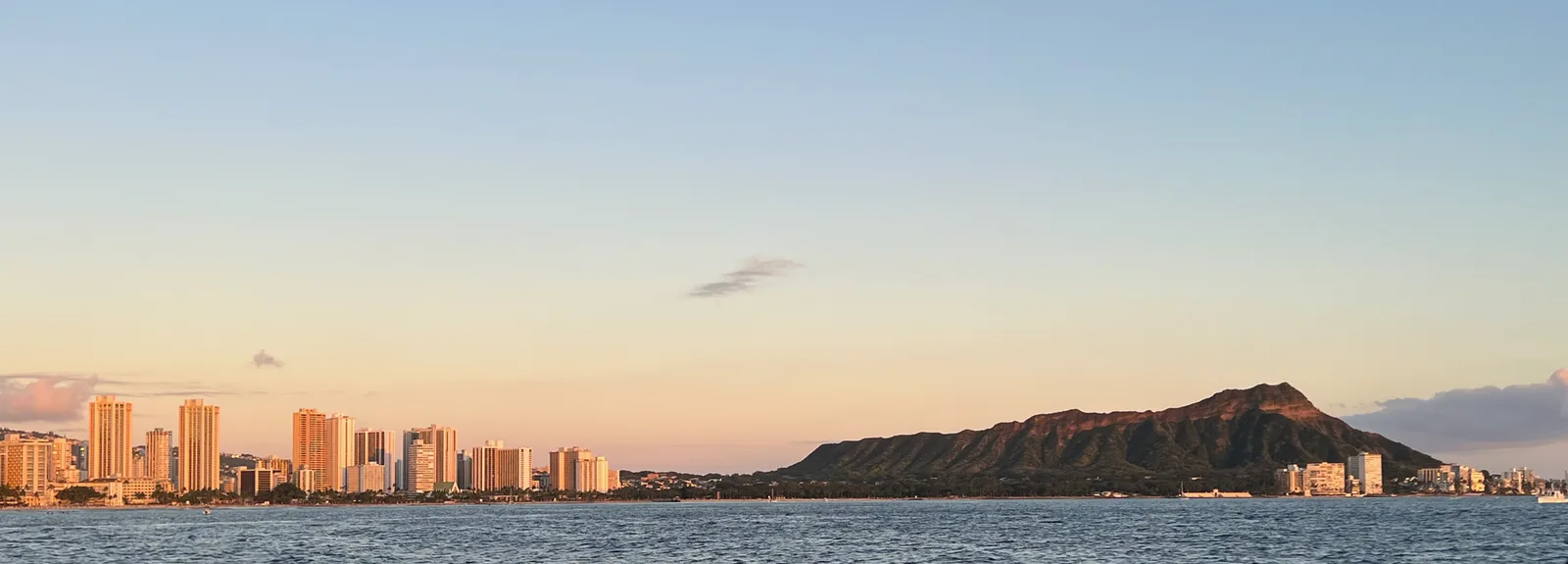
A capital city with a shoreline at its centre
Honolulu combines a capital's museums, government buildings and daily working life with the beaches and hotels of Waikīkī. The official Honolulu introduction is a useful starting point for that broader view of the city.
This guide concentrates on urban Honolulu and nearby trips on Oʻahu. An island excursion is a different undertaking from walking between Waikīkī attractions. For a move, map the workplace, school and household errands before choosing a beach-facing address. A pleasant hotel stay can introduce the city, but it does not establish whether a particular home, commute or monthly budget will suit everyday life.
Hawaiian history deserves more than a photo stop
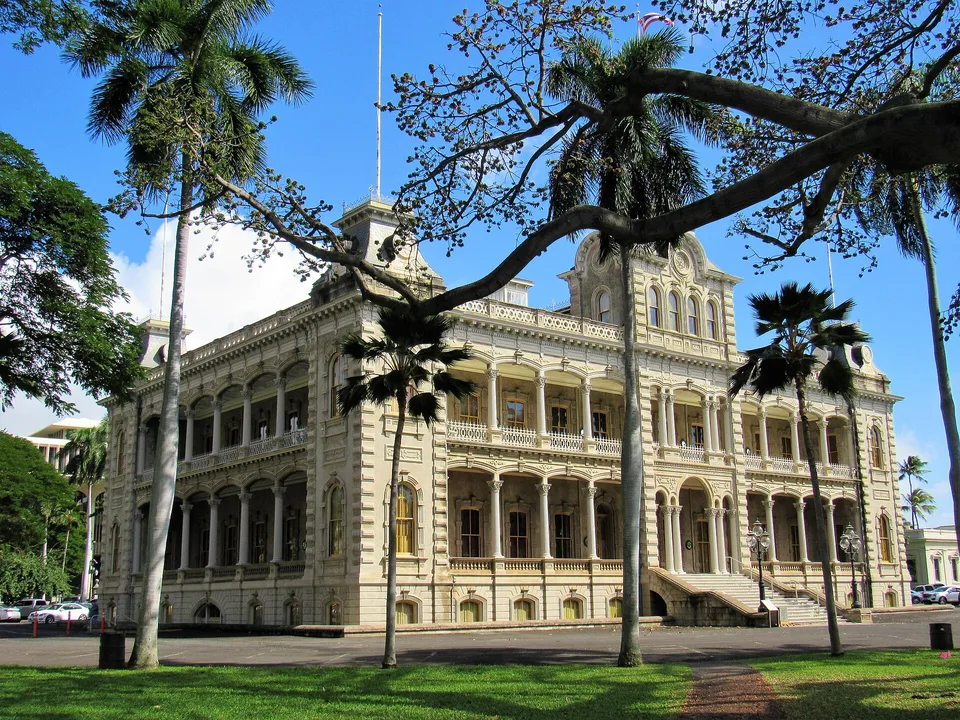
ʻIolani Palace's historical introduction records its construction in 1882 under King Kalākaua. It served Hawaiʻi's last reigning monarchs until the monarchy was overthrown in 1893. That history makes downtown a significant part of a Honolulu visit, rather than simply an alternative shopping area. The palace's restoration and interpretation offer a way to understand political events through the place where they unfolded.
Approach Hawaiian culture as something living, with contemporary communities and institutions as well as historic monuments. Give a guided visit time for explanation, and distinguish Hawaiian traditions from the broader mixture of foods and cultural influences found across the islands. The downtown visitor overview helps connect the palace with other civic landmarks.
Waikīkī, Ala Moana and Kakaʻako serve different needs
Waikīkī's official area guide identifies the neighbourhood as Oʻahu's main hotel and resort area on Honolulu's south shore. Kalākaua Avenue provides a useful orientation line for shopping, dining and waterfront interests. A Waikīkī base suits visitors who expect to return to the beach regularly, though room position, noise and the actual route to the shore still merit checking.
Ala Moana brings a different combination of shopping and park access. Kakaʻako lies within the wider central urban landscape; the state's district introduction explains its redevelopment and mix of housing, public space and commercial activity. Downtown and Chinatown fit a history, market or arts-focused outing. For accommodation, compare the destination address with your own priorities rather than relying on a listing's broad Honolulu label. A university or business stay may need a different base from a beach holiday, even when both take place in the same city.
Plan ʻIolani Palace around the tour
The palace's visitor information lists tours Tuesday–Saturday at 364 South King Street. Reservations are strongly recommended, with walk-ins dependent on availability. Compare the official tour choices and their current booking prices before selecting an experience. A guided and a self-led visit provide different ways to explore; choose according to the level of interpretation you want and the time available.
This is a cultural and historical site with its own practical requirements. Shirts and footwear are required, shoe coverings are supplied, and beachwear is inappropriate. Backpacks, large bags, luggage, food and beverages are not permitted inside. Personal strollers cannot be taken into the palace; families should read the operator's arrangements before arriving. Organise storage and clothing before leaving your accommodation so the visit does not depend on an improvised solution at the entrance. Leave room afterwards for a downtown walk or a meal nearby.
Chinatown is best explored as a working neighbourhood
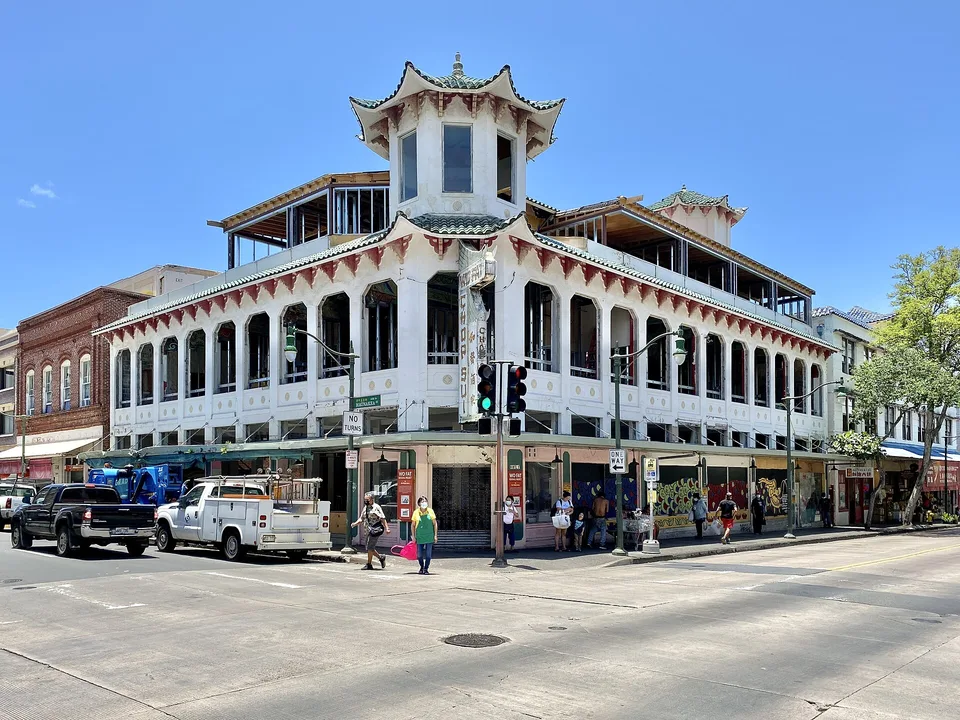
The tourism board's Chinatown introduction describes markets, lei makers, shops, restaurants and cultural buildings at the western side of downtown. A daytime visit can combine browsing with lunch and a look at the streetscape. Decide whether you want produce shopping, an arts interest or a meal, then check the relevant business's current hours.
Historic architecture supplies context, including buildings such as the Wo Fat corner shown in this guide's dated photograph. A historical image should not be used to infer that an old business still operates or that construction remains in progress. Treat shops as workplaces: ask before photographing people or interiors, keep entrances clear and carry purchases you can comfortably manage on the return journey.
Art can anchor an indoor afternoon
The Honolulu Museum of Art's current visitor page lists general adult admission at $25, a $15 Hawaiʻi resident rate and free admission for children aged 18 and under. Its galleries at 900 South Beretania Street open Wednesday, Thursday, Saturday and Sunday from 10am–6pm, and Friday from 10am–9pm. Monday and Tuesday are closed, with additional holiday closures.
Choose this visit for the exhibitions and collection that interest you, then check the current programme. Friday's later opening can be useful when other parts of the day are already committed. The museum also lists eligibility-based offers and participating hotel benefits, but confirm your qualification rather than assuming every hotel room or resident promotion supplies free entry. This is a practical alternative when conditions alter an outdoor plan.
Diamond Head requires a reservation and realistic pacing
The state's Diamond Head visitor information requires entry and parking reservations for non-Hawaiʻi residents. Entry is $5 per person, with children aged three and under free; non-resident vehicle parking is $10. Normally the park opens 6am–6pm, with last entry at 4:30pm for the final reservation. Check current notices and reserve the appropriate combination before travelling.
The summit trail at Lēʻahi is a strenuous outing, not a level promenade. The operator describes a 0.8-mile ascent gaining 560 feet, with uneven surfaces, stairs and a tunnel. The summit route is not ADA accessible, although crater-floor facilities have accessible provision. Select a time and plan the effort around your group's capabilities. Bring water and suitable footwear, and leave enough time to exit before the gates close. The coastal view is part of the attraction, while the trail also introduces the crater's geological and military history.
Hanauma Bay needs a separate booking strategy
The city's Hanauma Bay information distinguishes admission-only reservations from packages including transport. Admission-only spaces open two days ahead at 7am Hawaiʻi Standard Time. Transport-inclusive packages linked by the city can be booked farther ahead. Compare what is included rather than treating the two products as interchangeable.
The preserve normally opens Wednesday–Sunday, with entry from 6:45am–1:30pm. Non-residents aged 13 and over pay $25 plus the online payment fee; younger children enter free. Non-resident parking is $3, payable in cash, and an admission reservation does not reserve a parking space. Monday and Tuesday are closed. Every visit includes the educational video. Check official safety and access information when deciding whether this outing suits your group. Allow time for check-in and education before reaching the beach; limited walk-in tickets are an uncertain fallback, not a reliable substitute for a booking.
Pearl Harbor: separate the memorial from paid attractions
The National Park Service's USS Arizona Memorial instructions set out a distinct reservation process. The memorial programme itself is free, while Recreation.gov charges a $1 non-refundable reservation fee per ticket. Reservations are released at 3pm Hawaiʻi Standard Time in windows eight weeks and 24 hours ahead. The operator recommends arriving an hour before the programme and checking in ten minutes before the ticket time.
Standby availability varies and is not guaranteed. Choose the scheduled visit deliberately, then leave time for the visitor-centre interpretation. The film is viewed separately from the boat programme. NPS fee information lists $7 daily parking, while nearby partner attractions have their own ticketing. Budget by the sites you intend to enter rather than calling the whole Pearl Harbor complex free. Read the current bag and access rules before leaving your accommodation, and keep the visit's commemorative purpose in mind when planning photographs and conversation.
Waterfront time and ocean conditions
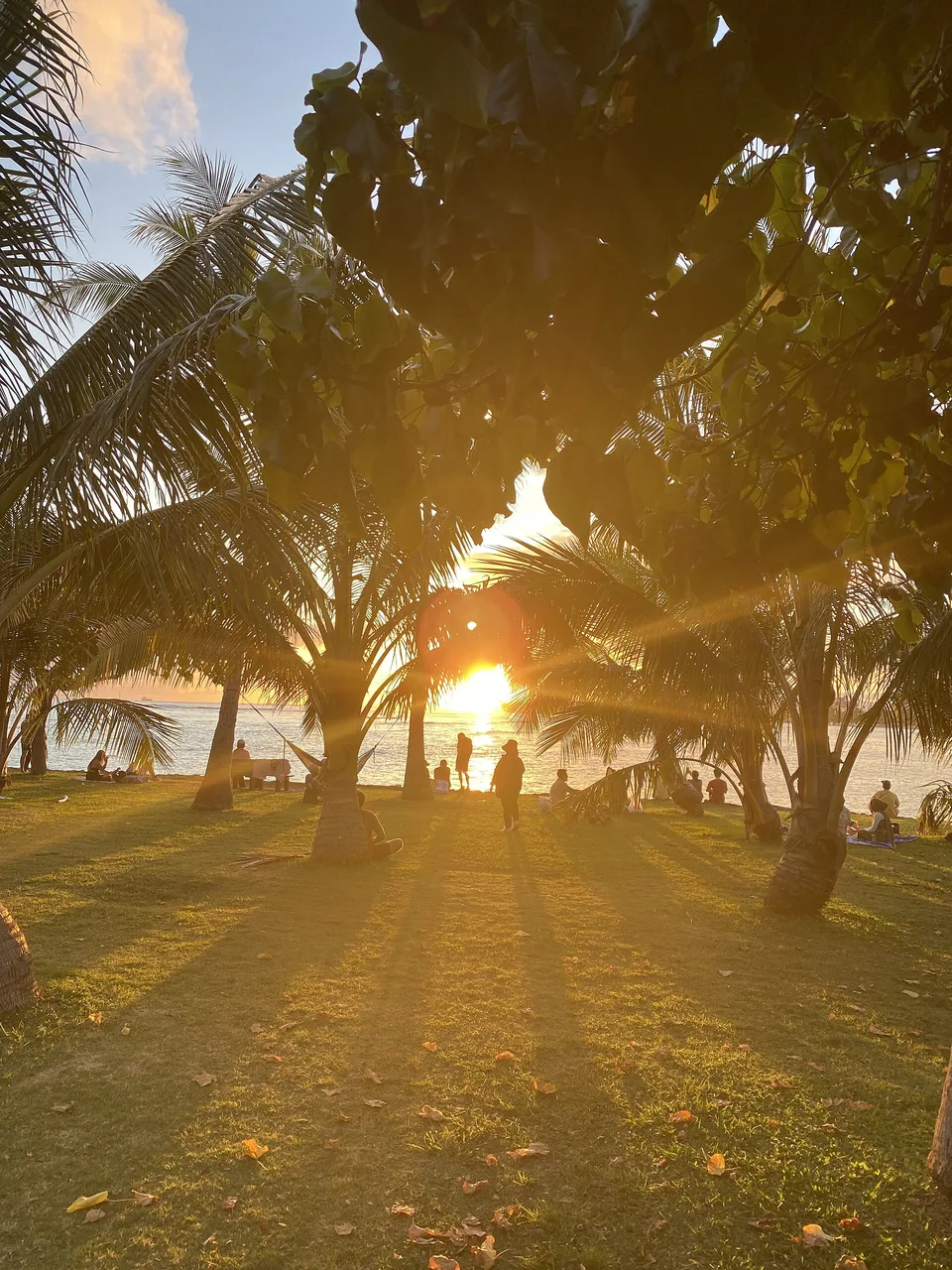
Ala Moana Regional Park offers a place for a walk, picnic or a less scheduled pause between urban activities. Its official page provides park and picnic information; individual facilities may have restrictions or works even when the wider park remains open. Use the current notices when a particular amenity is central to your plans.
Before entering the water anywhere, consult Hawaiʻi's official ocean-safety resources and speak with lifeguards about that location and day. A photograph or reputation for calm conditions cannot establish that the water is suitable now. Follow NOAA's Hawaiʻi wildlife guidance if animals are present: recommended viewing distances include ten feet from turtles, fifty feet from monk seals and 150 feet from a mother seal with her pup. Stay behind barriers and never touch, chase or feed wildlife.
Accommodation: calculate the complete stay
Use the official Oʻahu hotel directory as a starting point, then check the actual Honolulu address and the property's own terms. Compare the full price after taxes and mandatory charges, plus parking if you will have a vehicle. Ask what the room includes and whether a beach view, balcony, lift or cooking facility is part of the specific category being sold.
For an apartment or vacation rental, check the city's current short-term rental resources and compliance information. As checked in October 2026, the city regulates stays shorter than thirty consecutive days through zoning and registration requirements. Advertising a nightly rate does not prove a unit is authorised for that use. Confirm the listing's status before making a booking dependent on it. For a move, temporary accommodation can provide time to inspect longer-term housing, but compare its lawful use, total cost, cancellation policy and distance from work or school.
Arriving at Daniel K. Inouye airport
The airport's current public-transport page identifies Lelepaua Station between the International and Terminal 2 parking garages. Skyline trains have luggage racks. The airport's W Line bus continues east through downtown, Kakaʻako and Ala Moana toward Waikīkī; its stop is on Ala Onaona Street, east of the lei stands, in front of the station. Check your exact destination and the timetable before choosing a service.
Luggage rules matter. The published bus allowance permits a medium suitcase and a smaller carry-on or suitable backpack only if you can board with both and stow them without obstructing aisles, seats or other passengers. Do not assume every checked bag will fit. Compare a taxi, shuttle or ride-app quote if your party has bulky luggage or needs assistance. Confirm the current pickup arrangement directly with the operator and allow time between landing, baggage collection and a booked transfer. No fixed airport-to-hotel travel time is guaranteed.
Decide whether to rent a car for particular days
For a visit centred on Waikīkī, downtown and a few scheduled attractions, first map the public-transport journeys. A rental car becomes a different proposition when you intend to explore farther around Oʻahu. Compare the complete cost of the days you need it with alternative transport, including parking at your accommodation and the destination.
Read pickup and return arrangements, insurance terms, fuel requirements and any additional-driver charges before confirming a booking. Keep valuables and luggage out of sight and organise storage before an arrival-day attraction visit. For relocation, test the actual commute at the time you will travel, including the journey home. A pleasant weekend drive is weak evidence for a daily routine. Combine the workplace route with groceries, school and other household commitments before deciding whether a car is essential for your proposed address.
Food and shopping beyond a resort checklist
Traditional Hawaiian food and the wider local food scene are related but distinct. The tourism board's lūʻau and food introduction describes poi as pounded taro and laulau as meat wrapped in taro leaves and steamed. These provide useful terms for reading menus. Chinatown adds another set of market and dining interests, while a meal near your accommodation can make an evening easier after a long outing.
Choose places using current menus, serving hours and booking conditions rather than an unsupported list of supposedly authentic favourites. Ask specific ingredient questions if allergies or dietary restrictions matter. Compare a meal's total with drinks, taxes and gratuity before committing to a special dinner. For a longer stay, locate groceries carrying your household staples and work out how you will bring them home. Shopping for a souvenir, a lei or everyday supplies involves different budgets; reserve room for essentials before allocating money to discretionary purchases.
A practical budget with verified starting prices
Diamond Head entry for a non-resident adult is $5 before any vehicle parking. HoMA general adult admission is $25. Hanauma Bay admission is $25 for non-residents aged thirteen and over, with additional online and parking charges. These October 2026 checks help compare activities, but accommodation, meals, equipment and transport need their own dated quotes.
Build the total for the people travelling, not a fictional average visitor. A group sharing a vehicle has a different calculation from one person using buses. Compare the cost of a multi-day HOLO pass with your planned journeys, and include the initial card charge if you need a new card. Keep some flexibility for a changed booking or a weather-affected activity. A free shoreline walk can balance a paid museum visit, while a hotel with cooking facilities may be useful only if its full price and practical grocery access suit your stay.
Seasons and booking dates
The official Hawaiʻi weather overview describes summer from May–October and winter from November–April, with the wettest months generally November–March. Conditions vary across the islands and within Oʻahu, so this pattern does not predict the weather at a specific beach or address. Use a current forecast when planning a hike or water activity.
The Oʻahu weather introduction identifies winter as the North Shore's large-surf season. That can make watching experienced surfers an interest for an island excursion, while swimming suitability requires a separate check. Honolulu's south shore should not be treated as a weather report for every other coast. Choose dates around your priorities and the actual booking availability at the attractions you value. Keep an indoor option, such as the palace or art museum, alongside outdoor plans, while remembering their closing days.
An achievable four-day first visit
This editorial itinerary assumes that opening days and reservations have been checked. On day one, settle into your base, orient yourself along Waikīkī and leave time for the shoreline. Avoid attaching a timed hike to a flight arrival that could be delayed. A simple nearby dinner keeps the evening manageable.
On day two, give downtown and ʻIolani Palace the morning, then choose a Chinatown meal or browsing stop. On day three, plan Diamond Head around your reservation and the group's pace. An art-museum visit or a park pause can follow if you still have time and energy.
On day four, choose Pearl Harbor or Hanauma Bay as the principal excursion, with its own booking and transfer. Give either enough room instead of treating them as adjoining stops. If ocean conditions change, use the alternative indoor plan. A longer stay can accommodate the other excursion and a separate North Shore day; departure day should remain lighter.
Moving: housing decisions start with the address
Compare current written rental quotes for the size and area you need. Include electricity, water and sewer arrangements, internet, parking, laundry and any compulsory building charges. Establish which bills are included, separately metered or allocated across units. Inspect ventilation, cooling, windows, signs of dampness and the condition of appliances. Ask how routine repairs and urgent problems are handled before signing.
The state's Residential Landlord–Tenant Handbook explains an ordinary security-deposit limit of one month's rent and an additional agreed pet deposit subject to conditions, including assistance-animal protections. It also describes the fourteen-day return and itemisation process after a rental agreement ends. Read the relevant qualifications and retain a dated condition inventory, receipts and a forwarding address. Temporary housing and a long-term lease serve different purposes; confirm the intended arrangement rather than assuming a vacation booking automatically supplies the right contract for a move.
Utilities, health cover and bringing pets
Hawaiian Electric's service instructions require one business day's advance notice for a start or move request and list a $20 establishment charge. Confirm the account arrangement and requested date before move-in. The Board of Water Supply's contact page links its start/stop portal and distinguishes water enquiries from the city's sewer-billing contacts. Check who is responsible for each service in your lease.
Arrange a working phone connection, internet and access to medical services alongside utilities. HealthCare.gov supplies official insurance eligibility and enrolment information; a visitor policy and a relocating household's coverage needs may differ.
For a dog or cat, begin with Hawaiʻi's Animal Quarantine information before booking transport. Import requirements apply regardless of age, and direct airport release depends on satisfying the applicable preparation and inspection conditions. Follow the current checklist with your veterinarian and the state agency. Airline acceptance alone does not establish quarantine eligibility or guarantee immediate release.
School placement, study and immigration
The Hawaiʻi Department of Education's enrollment instructions use an address-based school locator and identify the documentation needed. Check the designated school, timing and any additional learning needs before making a housing decision dependent on placement. Childcare and school holidays should also be considered against the household's actual work or study schedule.
VisaWand's USA country guide provides broader context. Hawaiʻi uses federal US immigration requirements: visitor status does not authorise employment, degree study or permanent residence. Eligible Visa Waiver Program travellers must meet its ESTA and stay conditions. Degree students should follow student-visa instructions and their institution's advisers, including UH Mānoa International Student Services where applicable; workers need an applicable employment category, while settling permanently requires an immigrant pathway. Check each household member's circumstances separately. VisaWand's consultant listings can help you find assistance, with credentials, written scope and fees checked before engagement. A housing contract, consultation or issued visa does not guarantee admission.
Oʻahu excursions and other places to consider
The official Haleʻiwa introduction describes a North Shore town with shops, galleries and historic commercial buildings. Treat it as an island excursion with time for the outward and return journeys, not a neighbourhood walk from a Honolulu hotel. The North Shore area guide can help frame a longer day, but current conditions and access notices should determine the actual stops.
VisaWand's Kailua location page and Haleʻiwa location page identify other Oʻahu settlements for comparison. They are directory pages rather than completed travel guides. If considering another Hawaiian island, plan separate transport and research its own geography and services; it is a different destination, not an extra Honolulu district. Use the USA city and settlement directory and USA destination information for broader comparisons.
Official planning resources
Reviewed 13 October 2026. Use the official resources linked throughout this guide for admission, transport, housing and immigration decisions. Prices, services and rules can change; confirm the details relevant to your dates. Photography illustrates the locations and is not a live view.
View all official resources
- Honolulu visitor information
- Downtown Honolulu
- Waikīkī visitor information
- Chinatown visitor information
- Kakaʻako district
- ʻIolani Palace history
- ʻIolani Palace visitor requirements
- ʻIolani Palace tours
- Honolulu Museum of Art admission
- Diamond Head reservations and trail
- Hanauma Bay admission and reservations
- Hanauma Bay safety and accessibility
- USS Arizona Memorial reservations
- Pearl Harbor fees and parking
- Ala Moana Regional Park
- Hawaiʻi ocean safety
- NOAA marine wildlife guidance
- Oʻahu hotel directory
- Honolulu short-term rental rules
- Honolulu airport buses and Skyline
- Skyline service information
- Honolulu rail construction and service
- TheBus and Skyline fares
- Hawaiʻi seasons and weather
- Oʻahu weather
- Hawaiian food and lūʻau
- Hawaiʻi landlord–tenant handbook
- Board of Water Supply contacts
- Hawaiian Electric service requests
- Hawaiʻi public-school enrollment
- UH Mānoa International Student Services
- Hawaiʻi pet-import requirements
- HealthCare.gov insurance resources
- US visitor visas
- Visa Waiver Program
- US student visas
- US employment visas
- US immigrant pathways
- Haleʻiwa visitor information
- Oʻahu North Shore
Plan the next part of your journey
Explore the United States guide, browse other cities or compare consultants for your travel and relocation questions.