Visa
A city best understood on foot and by the T
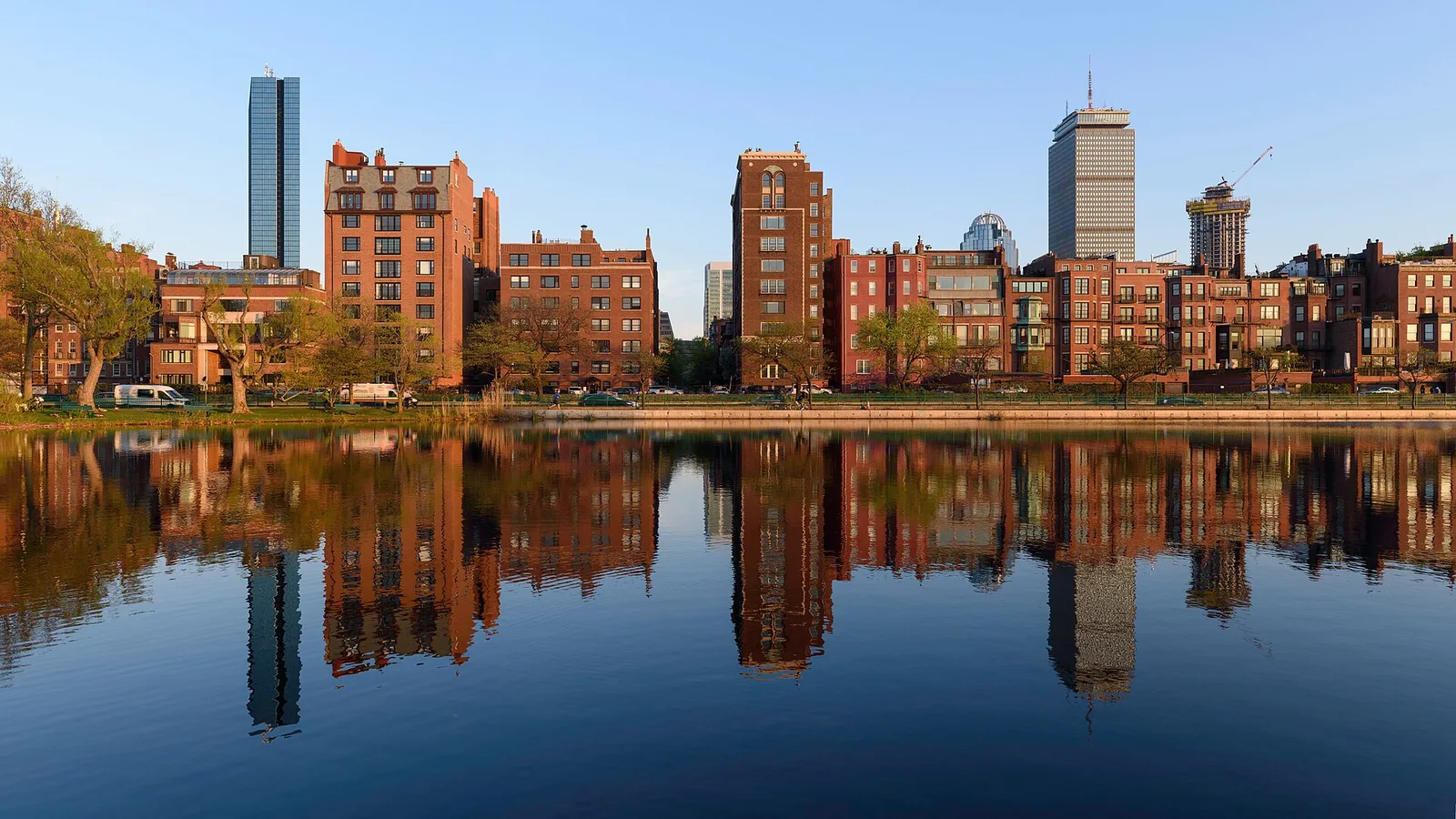
Boston makes a rewarding short trip because so much of its history, architecture and public life can be explored in connected walking districts. A morning following revolutionary landmarks can lead into lunch in the North End; another day can combine Back Bay’s library and shops with a museum visit. The harbour and Charles River give those urban days breathing space. Leave room for individual places rather than treating the city as a checklist of famous names.
For someone considering a move, the same compactness needs closer examination. A home near a station may simplify work, but its stairs, heating bills and late-evening connections can change the calculation. Boston is the Massachusetts state capital. Greater Boston includes separate municipalities: Cambridge, Somerville and Brookline are not Boston neighbourhoods, even when a hotel or property search groups them together. Confirm the actual address before applying city-specific housing, school or parking information.
History beyond the revolutionary landmarks
The Freedom Trail provides an accessible framework for the city’s revolutionary history. Its meeting halls, burial grounds and maritime sites help explain how public debate and conflict shaped independence. Read the interpretation at each stop rather than assuming every surviving building retains its original appearance or use. Boston’s later commercial, educational and cultural development is also visible in the districts surrounding that historical route.
Make space for the Black Heritage Trail, which explores the free Black community on Beacon Hill’s north slope and its roles in abolition, the Underground Railroad and civil rights. The approximately 1.5-mile outdoor route is free to follow independently. Museum entry is separate. Ranger tours are seasonal: the published 2026 programme ended in September, so it should not be treated as a guaranteed autumn walk on any date. Together, the trails offer a more substantial historical introduction than either one alone.
Match a neighbourhood to your purpose
Downtown and the waterfront suit visitors prioritising the Freedom Trail and harbour. Back Bay puts Copley Square, the Central Library and Newbury Street together; Beacon Hill adds older residential streets and independent shops. The North End offers Italian food and historic stops, while the Seaport has a different waterfront setting. South End and South Boston are distinct areas with confusingly similar names. Check a street address instead of booking from the district name alone.
Meet Boston’s neighbourhood directory also introduces residential areas such as Dorchester, Jamaica Plain and Roslindale. These can matter more to a relocation search than a central sightseeing base. Choose two or three candidate areas connected to your workplace, then visit their ordinary shopping streets and transport stops. Avoid treating a large neighbourhood as uniform: the journey from one end of Dorchester, for example, may differ considerably from another address carrying the same label.
Walk the Freedom Trail in useful sections
The National Park Service describes the Freedom Trail as 2.5 miles from end to end. Walking the route is free; some independently operated attractions charge admission. The suggested 90-minute walking time excludes stops and is not a realistic allowance for visiting every building. Split the route if you want to read exhibits, enter sites and take breaks. Start with a map and the opening hours of the places that matter most to you.
One section can cover the Common and downtown before reaching the North End; Charlestown works well as a separate outing. Keep the distinction between historic Faneuil Hall and the surrounding marketplace clear. Follow each site’s visitor information rather than assuming the trail provides a single ticket or common timetable. Uneven pavement and wet bricks can make walking slower. Check accessibility at individual buildings and arrange a shorter route if long distances or stairs would reduce your enjoyment.
Beacon Hill, the Common and Public Garden
Boston Common and the adjacent Public Garden serve different purposes and have different histories. The city dates the Common to 1634 and the Public Garden to 1837. Use them as a pause between historical walks and Back Bay, allowing time for the landscape as well as monuments. Seasonal planting and weather change the experience; a photograph of flowers is not a promise about what will be in bloom on your dates.
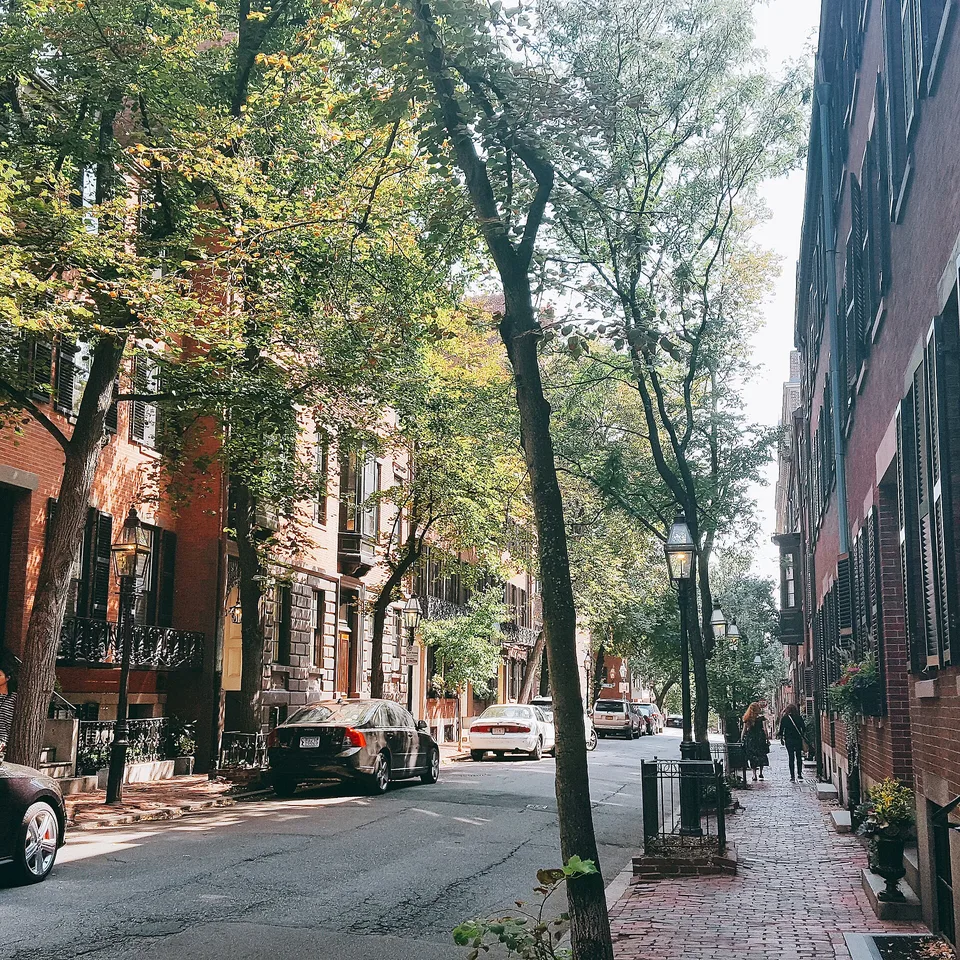
Beacon Hill is a lived-in neighbourhood. Enjoy its brick houses, lanterns and smaller streets from public space, and leave doorways and narrow pavements clear. The Black Heritage Trail provides context beyond architectural photographs. Its official visitor guidance notes uneven sidewalks and some missing curb cuts, so a picturesque route is not necessarily an easy route for every traveller. Build in rest stops and choose another way around a difficult stretch when needed.

Back Bay’s library, architecture and shopping
The Central Library in Copley Square is free to explore during opening hours. Its art and architecture make it a worthwhile destination even if borrowing books is not part of your visit. Use the library’s digital guide or printed materials for an independent look. Public guided tours require advance registration; turning up at a convenient time does not guarantee a place. Respect reading rooms and any areas set aside for library users.
Pair the library with a walk around Copley Square and Newbury Street rather than adding a distant attraction between them. Window shopping, a café break and attention to the surrounding buildings can fill an unhurried afternoon. If you intend to buy clothing or gifts, compare the full price and return conditions. For a household search, nearby shops are only part of the picture: try the actual grocery journey and check whether carrying shopping home involves several flights of stairs.
Choose an art museum rather than rushing both
The Museum of Fine Arts lists general admission at $30 for adults, $14 for ages 7–17 and free for children aged six and under. It closes on Tuesdays. Check the current exhibitions, daily hours and any separately ticketed programme before booking. A broad collection rewards selecting a few interests rather than trying to see everything in one visit. Leave time to sit, read and change direction when an unfamiliar gallery catches your attention.
The Isabella Stewart Gardner Museum offers another kind of visit, shaped by a collector’s arrangement of art and its courtyard setting. General adult admission is $25; children aged 17 and under enter free. It also closes Tuesday. Advance tickets are recommended. Free Thursday evenings require tickets, released two days ahead, rather than unrestricted walk-in entry. Check bag rules before arriving with travel luggage. Pick the museum that best fits your interests, or give each its own generous appointment.
Charlestown: a ship and a demanding climb
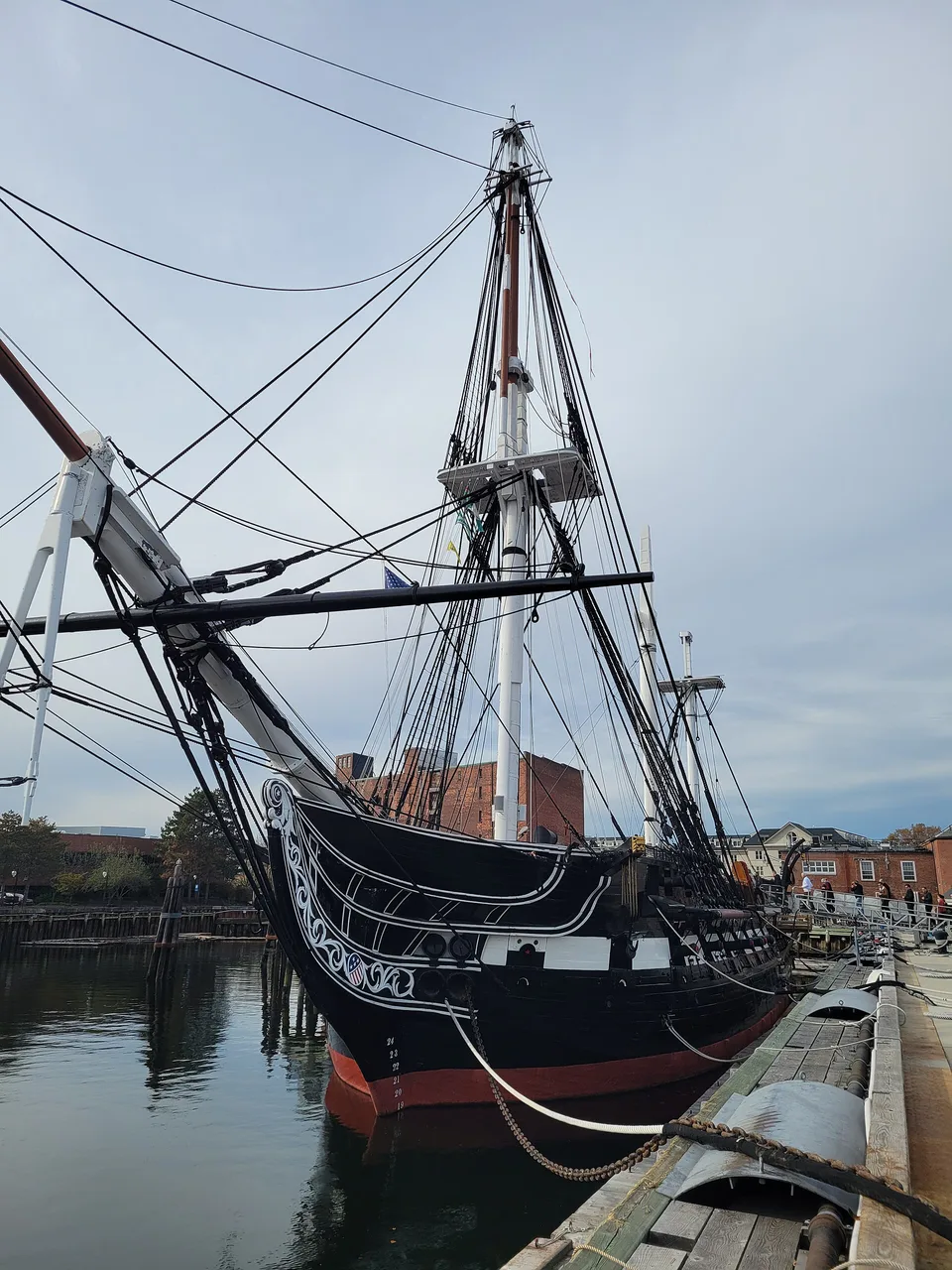
USS Constitution and the Bunker Hill Monument make Charlestown a substantial historical outing. The Navy’s ship visitor page requires visitors aged 18 and over to carry a valid physical federal or state photo ID, or a passport; digital ID is not accepted. All visitors pass security screening, and strollers cannot go aboard. Published public touring hours are Wednesday–Sunday, 10am–4pm, with holiday exceptions. The ship and the nearby museum are separate visitor experiences.
At Bunker Hill, admission is free, but reaching the top means climbing 294 stairs in a narrow spiral. Capacity is limited, and weather or safety conditions can close the climb. The museum offers an alternative for learning about the battle. Ask the Navy about ship access if mobility is a concern: the boarding ramp’s gradient changes with the tide, and full access involves difficult surfaces and levels. Do not make either climb essential to an otherwise enjoyable day.
Waterfront time and seasonal island trips
The waterfront adds variety after indoor exhibits and historical streets. Choose a walk or a booked harbour activity according to the weather, daylight and your appetite for another paid attraction. A waterfront hotel does not automatically put every ferry departure nearby; check the named wharf and the operator’s instructions. Keep an indoor alternative available when conditions make time on the water unattractive.
Public Boston Harbor Islands ferries are seasonal. The published 2026 service ended on October 12, so regular island departures are not available simply because a guide describes them as an autumn attraction. Check the season for your travel year, departure point and last return before committing a day. Services and access vary between islands. When ferries are running, carry what you need and plan the return first; missing the final sailing is not comparable to missing a frequent subway train.
Accommodation and arrival plans
Use the official Greater Boston hotel directory to compare addresses and facilities. Downtown or Back Bay can reduce travel between central sights; Seaport accommodation may suit a waterfront or event-focused stay. Airport-area listings can extend into neighbouring municipalities. Test the complete airport and sightseeing journeys rather than assuming “Boston airport” means a hotel in a terminal or a short walk from a station.
Compare the final room price, taxes, parking and cancellation conditions. Ask about lifts, accessible rooms, air conditioning and any shuttle’s operating times. For a relocation visit, a kitchenette and laundry may be more useful than proximity to a famous landmark. A cheaper regional property can be good value when its transport works for your schedule, but extra journeys can consume the saving. Keep the first booking flexible enough to accommodate the actual purpose of your trip.
Logan Airport: two different public transport routes
Massport’s public transport information explains the main choices from Logan. The Silver Line SL1 serves the terminals and runs to South Station; travel from the airport is free and includes a Red Line transfer. The Blue Line uses Airport Station, reached by a free airport shuttle, rather than a rail platform inside the terminal. Choose the route that connects sensibly with your final address and check current service notices.
Follow signs on the arrivals level for the correct ground transport pickup. Allow time for luggage, the shuttle or bus, and onward travel; a fixed airport-to-hotel promise would ignore traffic and connections. Airport departures need separate fare planning: free SL1 travel from Logan does not mean every journey towards Logan is free. A taxi or booked ride can simplify a late arrival, but check the designated pickup location and complete quoted cost before arranging it.
Using the T and choosing a fare
The MBTA, commonly called the T, combines subway, bus, commuter rail and ferry services with different fare arrangements. A standard subway ride costs $2.40. The one-day subway and bus pass is $11 for 24 hours from first use, the seven-day pass is $22.50, and the monthly LinkPass is $90 through the end of the calendar month. Pass coverage can depend on the ticket medium; check commuter rail and ferry inclusion before purchasing.
The September 2026 fare pilot allows unlimited bus, subway and ferry transfers within two hours using the same payment method, charging the highest applicable leg fare. Cash and stored-value CharlieTickets have different transfer restrictions. Contactless payment is convenient but is not compatible with daily, weekly or monthly passes. Compare your likely journeys: a seven-day pass can be useful during a shorter busy stay, while a light walking itinerary may cost less with individual fares.
Rail arrivals, driving and sports plans
Read the station name on a rail booking carefully. Amtrak North Station serves the Downeaster; other Boston Amtrak services use South Station and Back Bay. Amtrak does not provide a connecting transfer to or from North Station. Allow time to arrange your own journey when combining services. A hotel near one terminal may be inconvenient for a train using another.
A car is often unnecessary for central sightseeing and adds parking decisions. For residents, permit eligibility depends on the required residency and vehicle evidence; a permit does not reserve a particular space. If baseball history interests you, Fenway Park’s public tour lasts an hour and lists adult admission at $30. Plan any sports visit around the actual ticket and date. Consider how crowds may affect your dinner reservation and return journey rather than assuming an ordinary evening timetable will describe every event night.
Food, local shopping and a workable budget
The North End’s visitor information introduces its Italian dining tradition alongside colonial landmarks. Chinatown offers another central food district, while Dorchester and other residential areas broaden the city’s culinary choices. Look at current menus, dietary options and opening hours before selecting a meal. A neighbourhood directory is useful for finding businesses, but cannot establish that a particular restaurant will suit your tastes or budget.
Build the budget around your booked room and chosen activities. Free outdoor historical routes, parks and the library can balance paid museum visits. Add transport, meals and contingency money rather than comparing admission prices alone. A family should check each attraction’s child-age bands, which differ. For shopping, decide whether the aim is a souvenir, browsing or household supplies. On a relocation trip, a normal grocery basket and laundry costs give more useful evidence than a string of visitor-oriented meals.
Weather and choosing your season
NOAA’s 1991–2020 Logan Airport normals show January average daily highs near 37°F and lows near 23°F. July averages approximately 82°F by day and 66°F for the daily low; October averages about 62°F and 48°F respectively. These are long-term averages, not forecasts. Rain occurs throughout the year, and winter plans should allow for snow, ice and travel disruption. Pack for the season and consult the actual forecast before lengthy outdoor walks.
Spring and autumn are reasonable starting points for a walking-focused trip; summer gives more opportunity for seasonal harbour activities. Check the specific ferry or attraction season rather than using a broad label such as autumn. In winter, organise outdoor sections between indoor stops and allow extra time for slippery pavements. For a move, ask how heating is controlled and billed, and how snow clearance works at the building. Summer cooling also matters in rooms exposed to afternoon sun.
A realistic three-day itinerary
Day one: follow a selected downtown section of the Freedom Trail, leaving time to enter the sites you have checked, then continue towards the North End for a meal. Avoid turning the route into a race. Day two: visit the Common, Public Garden and Beacon Hill, using the Black Heritage Trail for context, then spend the afternoon around Copley Square and the Central Library.
Day three: choose a museum visit or Charlestown’s ship and monument. Confirm tickets, ID requirements and opening days first. The art museums’ Tuesday closures and the ship’s Wednesday–Sunday schedule mean this order should change with your arrival date. In the ferry season, an island day can replace another outing; it deserves its own transport plan. A relocation visitor should add time beyond these three days for property inspections, work journeys and household errands rather than squeezing them between attractions.
Housing: assess the building and the commute
Search from the workplace or campus entrance outward, comparing complete journeys at the hours you will travel. A route with a convenient daytime frequency may work differently after a late shift. Check transfers, the walk from the station, accessibility and alternatives during service changes. In Greater Boston, changing municipalities can also change schools and local procedures. Compare the actual home-and-journey combination instead of deciding that an entire district is automatically convenient.
Inspect a rental in person or through someone you trust. Look at heating, ventilation, plumbing, windows, detectors and exits, as well as room size. Ask about laundry, storage, internet service, pets and shared responsibilities. Review the lease, including roommate obligations and notice provisions, before signing. Current rent depends on the particular property and terms, so use dated listings and written offers; this guide does not invent a representative price or assume a low headline rent means low total household costs.
Deposits, broker fees and moving day
Massachusetts deposit guidance permits specified upfront charges, including first and last month’s rent, a security deposit up to one month’s rent and new-lock costs. Security deposits have bank, receipt, interest and return requirements; lawful deductions can apply. Keep documentation and use the official guidance or qualified advice for your circumstances. Do not treat a payment labelled a fee as interchangeable with a refundable deposit.
Under the current broker-fee rule, the person hiring the broker pays. A landlord cannot pass their hired broker’s fee to a new tenant; a tenant voluntarily hiring their own exclusive broker may owe that fee. Check the agreement and any older-contract exception. Boston’s moving guide also warns that moving trucks cannot use Storrow Drive because of low clearance. Arrange loading access, lift bookings and any parking reservation early, especially around the September lease turnover.
Household services, schools and healthcare
Confirm which utilities are included and which accounts you must arrange. The city’s Community Choice Electricity information explains its supply programme and the relationship with utility service; compare current terms rather than assuming guaranteed savings. Boston Water and Sewer Commission provides billing information and tenant assistance. Check the lease’s water arrangements, internet availability at the unit, rubbish collection and snow responsibilities before moving day. Keep provider and landlord contacts where the household can find them.
Families should use Boston Public Schools registration to understand documents, residency and the school-selection process. Living near a school does not establish a guaranteed placement there. Contact a Welcome Center about unusual documentation circumstances. Arrange childcare around the full commute, and verify availability. For healthcare, confirm insurance coverage, participating providers, prescriptions and appointments for ongoing needs. These ordinary arrangements deserve as much advance planning as the home itself.
Visiting, studying, working and settling permanently
Boston follows federal US immigration rules. For a holiday, consult visitor visa guidance or, where eligible, the Visa Waiver Program. Eligibility, travel authorisation and permitted activities require individual checking. Visa waiver visits normally allow up to 90 days; admission and the authorised stay are determined under the relevant rules. A travel document does not guarantee entry.
Work categories, student visas and permanent immigration are separate routes with their own requirements. A university tour, apartment lease or job conversation does not create permission to study, work or settle. Use VisaWand’s US country guide for broader context and its consultant listings to identify potential assistance, checking qualifications and scope. Establish the appropriate status before making dependent commitments rather than expecting a sightseeing visit to cover a move.
Nearby places and other cities to consider
Cambridge makes a practical regional extension across the Charles, with Harvard Square and other squares linked by the Red Line. Use Harvard’s official tour information for advance registration or self-guided options. Cambridge is a separate city, and Harvard’s visitor arrangements do not imply access to every university building. Consider the extra time and transport before adding it to an already full Boston day.
For a broader comparison, VisaWand’s completed New York City guide offers another major northeastern city’s visitor and relocation considerations. Its circumstances should not be treated as Boston’s. The US location directory helps find further destinations, including entries that do not yet have completed articles. Use the United States destination page for consultation options and the official resources below to confirm details affecting your own dates, address and travel purpose.
Official planning resources
Reviewed 13 October 2026. Use the official resources linked throughout this guide for admission, transport, housing and immigration decisions. Prices, services and rules can change; confirm the details relevant to your dates. Photography illustrates the locations and is not a live view.
View all official resources
- Black Heritage Trail history, self-guided access and seasonal tours
- Official Boston neighbourhood and regional visitor directory
- Freedom Trail length, fees, accessibility and historical-site distinctions
- City history and visitor information for Boston Common
- Public Garden history and city park information
- Central Library free self-guided visits and tour registration
- Museum of Fine Arts current admission and opening days
- Gardner Museum admission, timed tickets, hours and bag rules
- USS Constitution physical ID, security, touring hours and access conditions
- Bunker Hill admission, climbing restrictions and museum accessibility
- Boston Harbor Islands seasonal ferry schedule and departure points
- Official Greater Boston accommodation directory and location filters
- Logan airport Silver Line, Blue Line shuttle and public transport connections
- MBTA subway prices, pass periods, payment media and transfer restrictions
- MBTA September 2026 transfer and bus fare pilots
- Amtrak North Station services and self-arranged Boston station transfers
- Boston resident parking eligibility and vehicle documentation
- Official Fenway Park tour booking
- Official North End history, dining and attraction directory
- NOAA 1991–2020 Boston Logan temperature, precipitation and snow normals
- Massachusetts security deposits, last month’s rent and return obligations
- Massachusetts broker-fee hiring rule and older-contract exception
- Boston moving-day preparations, parking and truck restrictions
- City electricity supply programme and utility relationship
- Boston Water and Sewer billing resources and tenant assistance
- Boston Public Schools registration, residency documents and school selection
- Official US visitor visa purposes and applications
- Official Visa Waiver Program eligibility and conditions
- Official temporary worker visa categories
- Official student visa requirements
- Official permanent immigration categories
- Harvard public tour registration and self-guided visit resources
Plan the next part of your journey
Explore the United States guide, browse other cities or compare consultants for your travel and relocation questions.