Visa
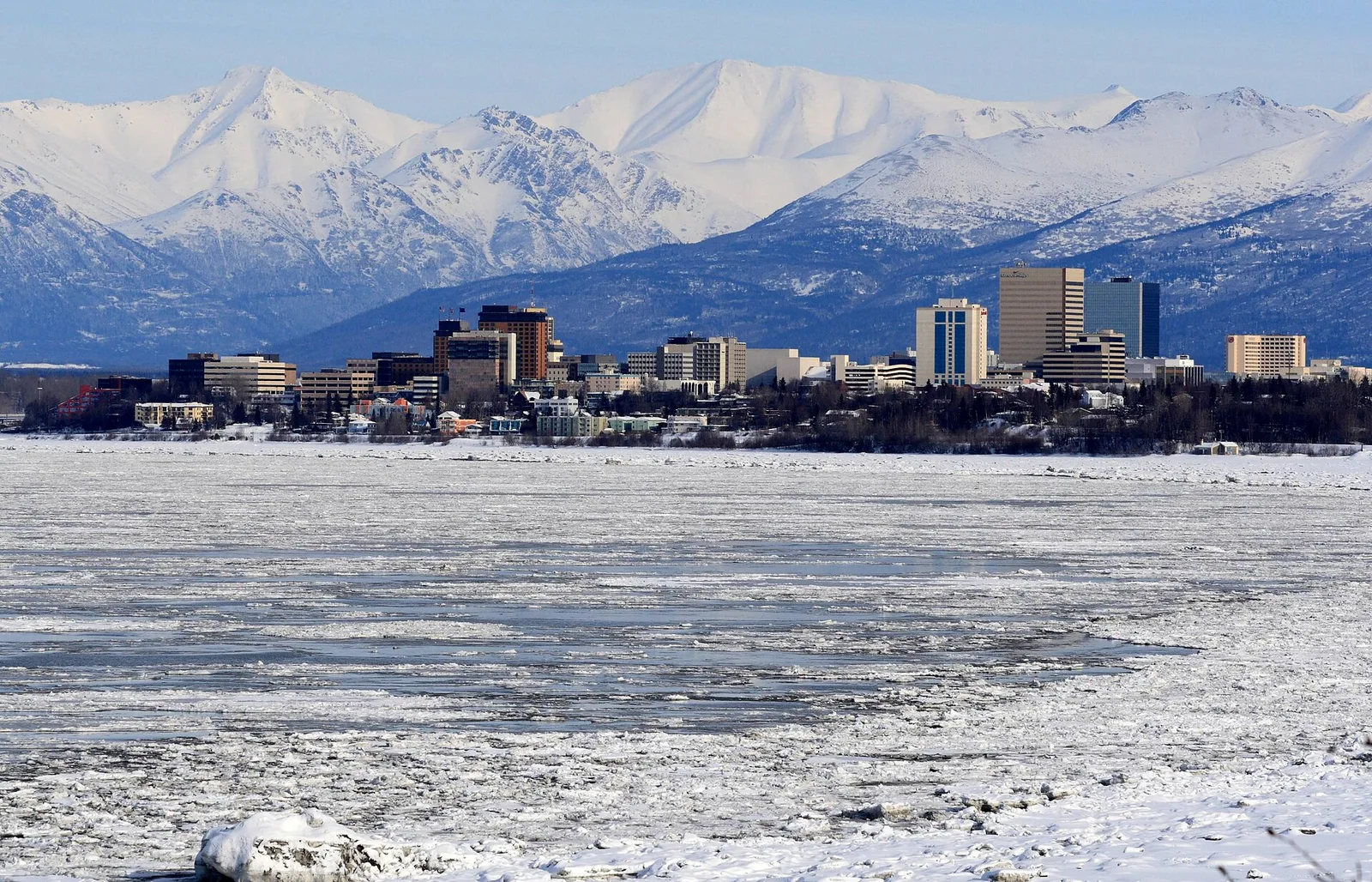
Anchorage is a base, a city and a much larger municipality
Anchorage puts shops, museums and restaurants within reach of a landscape of mountains, coastal wetlands and forest trails. That combination is its strongest reason to visit: you can spend a morning examining Alaska's art and history, then choose an outdoor afternoon appropriate to the weather. It also makes an effective starting point for a longer Alaska journey, provided the onward transport actually runs in your season.
The municipality's geography is larger than its central built-up area, extending from Eklutna to Portage. A property described as “Anchorage” can therefore imply a very different journey from a downtown hotel. Prospective residents should begin with their workplace, campus or school address. Visitors should begin with dates and priorities. The VisaWand USA guide supplies national context; this guide concentrates on choosing a workable Anchorage stay or move.
Dena’ina homelands and the railway city's development
Anchorage stands on Dena’ina homelands, including the traditional territory of the Native Village of Eklutna. Alaska Native cultures remain living cultures, represented through communities, institutions, artists and language rather than belonging only to historical exhibits. Make cultural learning part of a visit and pay attention to whose knowledge an exhibition presents.
The municipality's account of its older neighbourhoods connects the modern town's development with Alaska Railroad construction in 1915. The city incorporated in 1920. In 1975, the city and Greater Anchorage Area Borough unified into the Municipality of Anchorage, explaining why the present boundary includes communities well beyond downtown. That distinction matters for services and housing as much as history. Avoid assuming that a municipal address means identical refuse collection, road access or public transport across the whole area.
Downtown and South Addition for a first stay
Downtown and South Addition provide a straightforward starting point for museums, shopping, restaurants and a central walk. They also put the Coastal Trail within reach without requiring a full expedition. Choose the hotel's actual entrance and compare it with the museum, depot or bus stop you will use. A useful central location depends on that final walk, especially with luggage or winter footing.
For a short visit, keep your first day here rather than immediately stretching the itinerary across the municipality. For a move, return at your likely commuting times and examine the essentials around a potential home: groceries, pharmacy access, childcare and the route to work. A tourist afternoon and a weekday household routine answer different questions.
Spenard, Turnagain and Midtown offer different bases
Spenard and Turnagain combine commercial corridors, smaller shops, restaurants and access to parks and trails. Lake Hood and Lake Spenard are relevant to an aviation-focused outing, while Earthquake Park offers an outdoor historical stop. Accommodation in this part of town can suit airport-related plans, but confirm the route to every other activity rather than assuming an airport hotel is also a downtown hotel.
Midtown has hotels, offices, shopping plazas and eateries along its main roads, with parks and trail connections nearby. It may be practical for a particular appointment or an extended stay with a kitchen. Compare transport and grocery access alongside the room rate. For prospective residents, the same comparison should include winter commuting, parking and the exact street crossing or bus connection involved.
Girdwood and Eagle River require separate planning
Girdwood is part of the municipality but deserves the planning attention of its own destination. A resort or outdoor stay there creates a different trip from sleeping downtown and walking to the Anchorage Museum. Likewise, Eagle River, Chugiak and Eklutna are northern communities with their own addresses, surroundings and journeys to central Anchorage. Municipal boundaries do not remove the distance between them.
For a move, calculate the commute in both directions and at the relevant time of day. For a visit, decide whether an outlying base supports your main activity or merely adds repeated travel. Check Alaska's road-condition service before a longer drive, particularly in winter. Use the VisaWand USA location directory to distinguish places geographically, while remembering that a directory record alone is not a completed travel or relocation guide.
The Anchorage Museum is worth unhurried time
The Anchorage Museum at 625 C Street is a substantial downtown stop. Its permanent exhibitions cover art and Alaska, while the Smithsonian Arctic Studies Center works with Alaska Native people on cultural belongings, research and learning. Read the voices and context around the exhibits instead of treating the visit as a rapid survey of unfamiliar objects.
Current general admission is $25 for adults, $20 for Alaska residents with identification and $12 for children aged 6–12; children aged five and younger enter free. From October through April, the museum closes on Mondays, opens Tuesday–Saturday 10 a.m.–6 p.m., and Sunday noon–6 p.m. Summer hours are daily 10 a.m.–6 p.m. First Fridays offer free admission from 6–9 p.m.; third Thursdays in October–April have $5 admission. Confirm special exhibitions and programmes separately when booking around one particular experience.
Visit the Heritage Center in the right season
The Alaska Native Heritage Center at 8800 Heritage Center Drive provides another cultural perspective, with exhibitions and village sites around Lake Tiulana. Summer visits include activities led by culture bearers; winter visits are self-guided, with an archival audio resource available. These are different experiences rather than an identical programme at a lower seasonal price.
For September 14, 2026–May 8, 2027, published hours are Monday–Friday 9 a.m.–5 p.m., with holiday and event closures. The visitor page describes a suggested $15 donation, while the ticket page calls $15 required for winter admission. Budget $15 and confirm directly if that distinction affects your visit. The summer downtown shuttle ended September 13, 2026, and the café is closed for winter. Arrange your own current connection rather than relying on a summer shuttle description.
The Coastal Trail and Earthquake Park
The Tony Knowles Coastal Trail follows Cook Inlet for eleven miles between downtown and Kincaid Park. A short section is often a better first outing than committing to its entire length: choose an access point, turnaround and return transport before setting off. Walking and cycling reveal coastal marshes, wooded stretches and city views, with the season changing both the experience and the equipment you need.
Earthquake Park interprets the 1964 earthquake and the landscape it altered. Its walking route connects with the Coastal Trail, making history and an outdoor break compatible. In winter, consult municipal trail-maintenance information rather than assuming a summer walking description establishes current footing. Wildlife can use these routes too. Give animals space, keep dogs controlled where permitted and choose another route when an encounter blocks your way. A city trail is still part of Alaska's wildlife habitat.
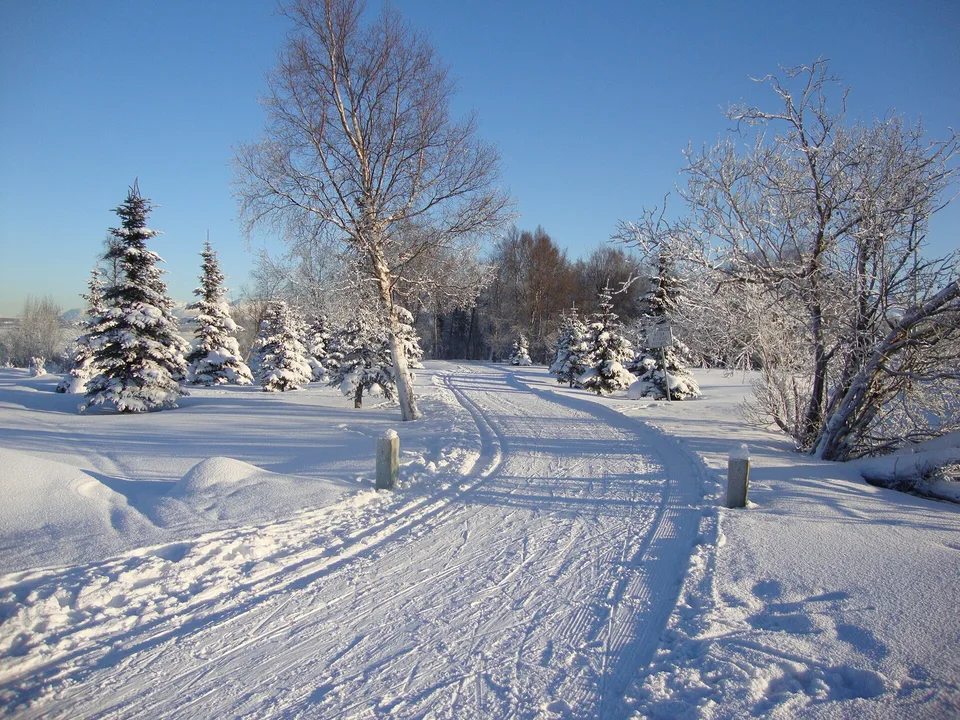
Potter Marsh: observe from the boardwalk
Potter Marsh belongs to the Anchorage Coastal Wildlife Refuge. Elevated boardwalks provide a defined place to observe wetlands and wildlife, with accessible viewing opportunities. Bring binoculars if birdwatching is a priority, but avoid promising yourself a particular bird, salmon run or moose encounter. The photograph here records a real past sighting, not an experience every visitor can book.
Dogs are prohibited on the Potter Marsh boardwalks, and feeding wildlife is prohibited throughout the refuge. Plan accordingly if travelling with a pet. Stay on appropriate viewing routes: the wildlife agency warns that fast incoming tides and sticky Turnagain Arm mud can strand or trap people. Treat the coastline as a place to observe from established access, not an invitation to walk onto exposed mud. Winter ice also needs caution because springs can create thin areas in the wetlands.
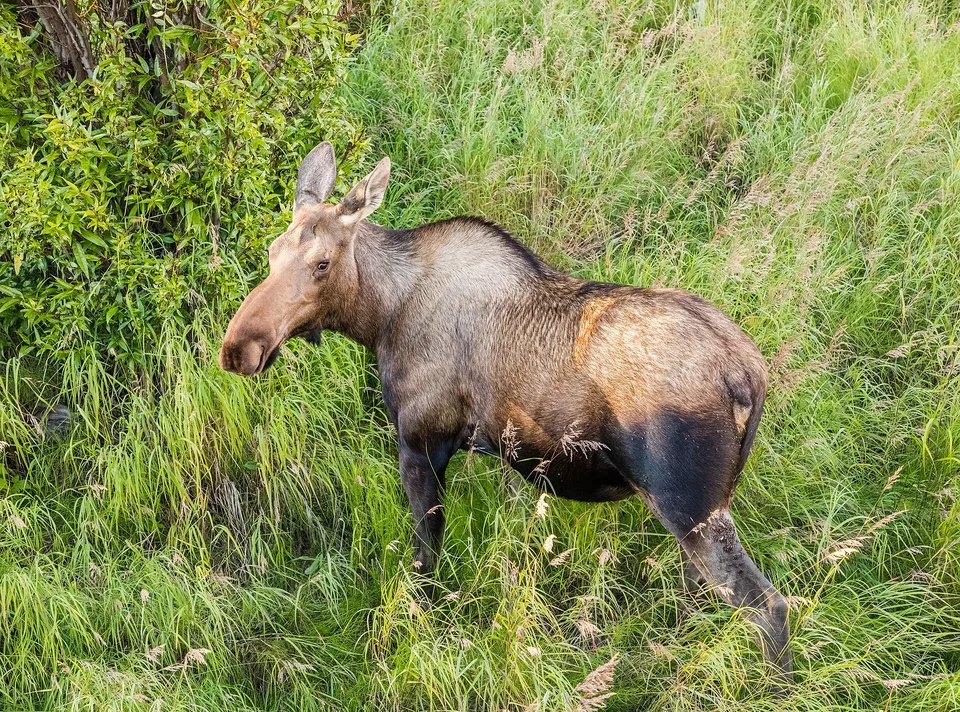
Chugach views without overstating a hike's difficulty
Glen Alps Trailhead and Viewpoint provides access to Chugach State Park's trail system. The park lists an accessible facility, but that does not make every mountain trail or Flattop's summit accessible or easy. Choose the actual route according to your mobility, experience, conditions and available daylight. The viewpoint and a demanding summit are different plans.
Current state parking fees list $5 for Glen Alps. Check the trailhead's payment arrangements and conditions before leaving town. The park specifically warns that some summer routes are poor winter choices because of avalanches and other natural hazards. Get current advice rather than adapting a summer itinerary by adding a warmer jacket. The Anchorage Alaska Public Lands Information Center at 605 West Fourth Avenue, Suite 105, is a useful source of ranger information, maps and wider trip-planning help.
Wildlife belongs in visitor and household planning
The wildlife agency's Anchorage bear guidance recommends travelling in groups, making noise to avoid surprising a bear, staying alert and keeping bear spray accessible while knowing how to use it. Leave headphones out of a trail outing, control pets and handle food responsibly. Read the complete official guidance before heading out; prevention and the correct response to an encounter matter more than a reassuring description of a trail.
Residents need to think about attractants as well. Secure refuse, pet food and fish waste, and follow the agency's advice to put garbage out on collection morning. Ask a prospective landlord how the property's waste storage works. Moose and bears should never be approached for a photograph or fed. Living in an urban neighbourhood does not eliminate the need for those everyday habits.
The Alaska Zoo offers a planned wildlife outing
The Alaska Zoo is an option when your priority is an organised animal attraction rather than uncertain sightings on a walk. Current daytime admission is $25 for non-resident adults aged 16 and above, $18 for Alaska adults with official state identification, and $12 for children aged 3–15. Children aged two and younger enter free; senior and military categories have separate eligibility requirements.
October–December hours are 10 a.m.–4 p.m., with last entry thirty minutes before closing. Thanksgiving and Christmas are closed. October 31 uses Zoo Boo tickets rather than regular admission, so ordinary pricing does not cover that event. The zoo's coffee shop is also closed October 19–23, 2026. Check these exceptions before combining an afternoon visit with a meal. Ask about trail mobility arrangements if needed; the operator reports an all-terrain wheelchair available for use.
Airport connections: use the terminal's actual bus stop
Ted Stevens Anchorage International Airport publishes People Mover connections on Routes 40 and 65. Route 40 links the airport and downtown via Spenard Road; Route 65 connects the Jewel Lake area, airport, Spenard and downtown. Check the operator's current timetable against your flight, including weekends and the last departure. An affordable route is useful only when it matches your arrival.
The airport places the bus stop outside baggage claim on the South Terminal's lower level. North Terminal passengers can take the free airport shuttle to the South Terminal for bus access. Taxis, rideshares, rental cars and hotel shuttles are separate choices. Confirm a hotel's pickup instructions and operating hours directly, especially after a late flight.
People Mover: passes, eligibility and a real commute
People Mover fares are $2 for a single adult ride, $5 for a day pass, $26 for a week pass and $60 for thirty days. A day pass expires at midnight rather than lasting twenty-four hours. Carry exact cash if paying aboard, or use the operator's digital ticket options. Transit app pass purchases became available in March 2026.
Youth aged eighteen and younger ride free year-round. Seniors aged sixty and above ride free on Wednesdays and Fridays with government-issued identification; other eligible journeys use the relevant half-fare rules. Check proof requirements before relying on a discount. Use the current maps and stop information and trip-planning tools for both ends of a journey. For a move, test the commute with the final walk and any transfer included, then consider how winter conditions would change it.
Rail travel changes with the season
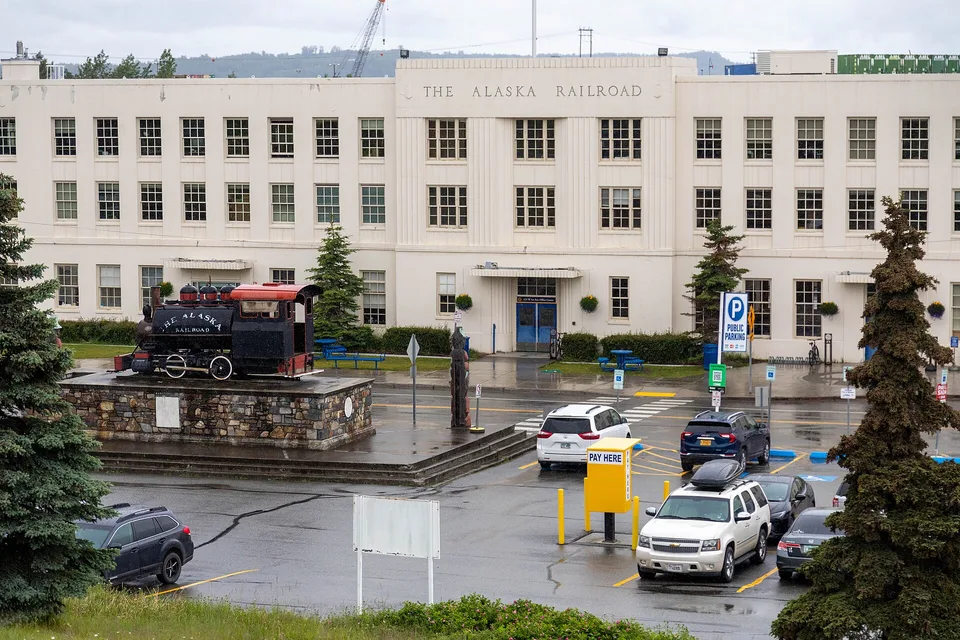
The Alaska Railroad schedule should guide an onward journey rather than a photograph of the depot. The Aurora Winter Train's 2026–27 weekend service runs September 19–May 9, northbound on Saturdays and southbound on Sundays, with selected midweek departures later in winter. It connects Anchorage with stops including Talkeetna and Fairbanks; check the full schedule and availability before arranging accommodation around it.
Summer services are different. The published 2027 Coastal Classic season links Anchorage, Girdwood and Seward daily from May 14–September 12. That does not establish a daily October train to Seward. A rail excursion can also require an overnight stay rather than a convenient same-day return. Confirm departure, baggage and check-in arrangements with the operator.
Choose accommodation and transport together
The official accommodation directory includes downtown and airport hotels, extended-stay options, hostels, cabins, bed and breakfasts and properties in outlying communities. A central hotel supports museums and restaurant walks; an airport-area room supports a different set of connections. A Girdwood stay makes sense when its activities are the purpose of the trip. Compare the address with your itinerary before comparing room categories.
Check the full price, cancellation terms, parking, cooking facilities and shuttle conditions. Anchorage's published short-term room tax is 12% on rentals of fewer than thirty days of continuous occupancy, so a headline nightly rate is not necessarily the final total. For a move, temporary accommodation can give you time to inspect homes and commuting routes. Confirm that the arrangement suits your arrival date and household size before committing to a longer lease remotely.
Eating, shopping and a realistic spending plan
The official restaurant listings introduce Alaska ingredients including wild salmon, halibut and king crab alongside international cuisines. Choose a current menu and ask about sourcing rather than assuming everything served locally was caught nearby. Downtown and Spenard fit a dining outing; Midtown supports everyday errands. For Alaska Native art, the Heritage Center’s Ch’k’iqadi Gallery represents artists across the state. Ask about the maker and materials before buying. A kitchen can help on a longer stay, while dietary requirements still call for direct questions about ingredients and preparation.
Anchorage's retail-shopping information notes the absence of a general local sales tax and a state-collected sales tax. That does not mean every transaction is untaxed: room rental has its own tax, and particular purchases or services can have separate charges. Compare the total you will pay. Build a visitor budget from accommodation, transport and chosen admission tickets; build a resident budget from recurring rent, heating, groceries, insurance and commuting rather than an invented citywide average.
Daylight, weather and when to visit
Anchorage's seasonal daylight changes how much outdoor activity comfortably fits into a day. Long summer evenings suit trails and broader sightseeing plans, while winter's shorter daylight makes timing more important. Extended twilight should not be confused with unrestricted twenty-four-hour daylight or a guarantee of good visibility. Northern lights are an uncertain natural phenomenon, not a nightly attraction included in a hotel booking.
Use local weather and packing information for seasonal context, then check the forecast for your actual outing. Pack layers and rain protection for a summer trip; winter plans need suitable warmth and footwear as well as realistic transport. Autumn and spring can involve a mixture of conditions. Prospective residents should examine the routines of the darker, colder months rather than judging a permanent move solely from a summer holiday. Your daily journey and home matter in every season.
A three-day introduction with seasonal alternatives
On day one, explore downtown and allow substantial time for the Anchorage Museum. Follow with a short Coastal Trail section if conditions suit, or keep the afternoon indoors. First-Friday evening admission can change the order. On day two, visit the Heritage Center on an opening day, arranging the seasonal connection, then choose a neighbourhood meal or shopping outing rather than another distant booking.
On day three, choose Potter Marsh and an appropriate Chugach viewpoint outing, or substitute the zoo if that better suits your household. Check daylight, road conditions, trail advice and the zoo's event calendar first. In winter, move outdoor activities into the available daylight and respect Monday museum closures and the Heritage Center's weekday schedule. Add an intercity train journey as a separate part of the holiday, not a rushed final-day extra before an airport departure.
Housing: inspect heating, access and responsibilities
Start a rental search with the work or campus address, then compare homes against the complete commute. Inspect heating, windows, ventilation, laundry, parking and entry access. Ask who clears snow, how repairs are reported, what utility charges are included and where refuse is stored.
The Alaska Department of Law's tenant resources link the governing law and a landlord-and-tenant guide. Read the current rules and obtain advice for your circumstances before interpreting deposits or deductions. The guide recommends a written agreement and a documented walk-through; its publication date also means later amendments need checking. Verify the owner or manager's authority before paying, retain receipts and record the home's condition. Avoid signing a long lease from a holiday photograph alone.
Essential services depend on the address
Chugach Electric provides residential account information and a service-area map; confirm coverage and account responsibilities for the actual property. Anchorage Water and Wastewater Utility supplies water and sewer information, but do not assume every home across the municipality uses the same service arrangement. Ask the landlord which accounts you need, when they should begin and whether any charges are shared.
Municipal refuse collection serves a designated area, making provider confirmation important. Check collection, recycling and bear-resistant storage arrangements together. Families can use Anchorage School District's address-based options to investigate the neighbourhood school; alternative programmes use their own admission processes. Healthcare and insurance require separate planning, including coverage dates and access to needed providers. A qualifying permanent move may create a special enrollment opportunity, subject to conditions; a vacation alone does not provide that eligibility.
Immigration and routes through Canada
Anchorage uses federal US immigration rules. Review visitor visa guidance, or the official ESTA system and CBP Visa Waiver Program information where eligible. Tourism permission should not be treated as authority to work, begin any course or establish permanent residence. Study requires the appropriate student visa process and institutional arrangements; UAA international student services assists its students and scholars with those responsibilities.
Employment and permanent relocation need their respective temporary worker visa information and immigrant visa routes. A road journey through Canada adds Canadian entry requirements; US permission does not establish Canadian eligibility. For flights, check TSA's accepted identification guidance. VisaWand consultant listings can help identify advisers to investigate, without guaranteeing admission or application success. Resolve these matters before paying for plans that depend on a particular status.
Nearby and onward places to investigate
The Girdwood directory page identifies a community within the wider municipality, while Seward's directory page helps orient a coastal extension. Fairbanks' directory page is relevant to an Interior Alaska journey. These pages are location directories rather than completed guides; use current tourism and transport information to develop the practical plan. In particular, check the season before attaching a rail segment to any of them.
The VisaWand USA destination page provides wider planning context. Decide first whether Anchorage is your main stay, an onward-travel base or a possible home. Then match dates, accommodation, transport and immigration arrangements to that purpose. A museum visit, a trail outing and a household's winter commute each ask something different of the city.
Official planning resources
Reviewed 13 October 2026. Use the official resources linked throughout this guide for admission, transport, housing and immigration decisions. Prices, services and rules can change; confirm the details relevant to your dates. Photography illustrates the locations and is not a live view.
View all official resources
- Anchorage geography and visitor overview
- Dena’ina homelands and living culture
- Railway town and older Anchorage neighbourhoods
- Anchorage municipal unification history
- Downtown and South Addition visitor information
- Spenard and Turnagain visitor information
- Midtown hotels, businesses and parks
- Girdwood visitor information
- Eagle River, Chugiak and Eklutna visitor information
- Alaska road conditions and travel alerts
- Anchorage Museum hours and admission
- Anchorage Museum permanent exhibitions
- Smithsonian Arctic Studies Center in Anchorage
- Alaska Native Heritage Center seasonal visits
- Heritage Center hours and holiday closures
- Heritage Center tickets and winter charge
- Tony Knowles Coastal Trail route
- Earthquake Park history and visit
- Anchorage winter trail maintenance updates
- Potter Marsh and Anchorage Coastal Wildlife Refuge access
- Glen Alps trailhead and viewpoint
- Alaska State Parks current facility fees
- Anchorage Alaska Public Lands Information Center
- Anchorage bear safety and household attractants
- Alaska Zoo current hours and admission
- Ted Stevens Anchorage Airport public transport
- People Mover current fares and eligibility
- People Mover current maps and stop information
- People Mover trip planning and real-time tools
- Alaska Railroad seasonal train schedules
- Anchorage accommodation options
- Anchorage short-term room rental tax
- Anchorage retail sales-tax information
- Anchorage seasonal daylight
- Anchorage weather and seasonal packing
- Alaska Department of Law tenant resources
- Alaska landlord and tenant guide
- Chugach Electric residential service
- Anchorage Water and Wastewater Utility
- Municipal refuse collection service area
- Anchorage School District school assignments
- Health coverage special enrollment eligibility
- U.S. visitor visas
- Official ESTA application
- CBP ESTA explanation
- U.S. student visas
- UAA international student services
- U.S. temporary worker visas
- U.S. immigration routes
- Canadian entry and transit requirements
- TSA accepted identification for flights
- Anchorage restaurant listings and Alaska ingredients
Plan the next part of your journey
Explore the United States guide, browse other cities or compare consultants for your travel and relocation questions.