Visa
Choose a base before filling the itinerary
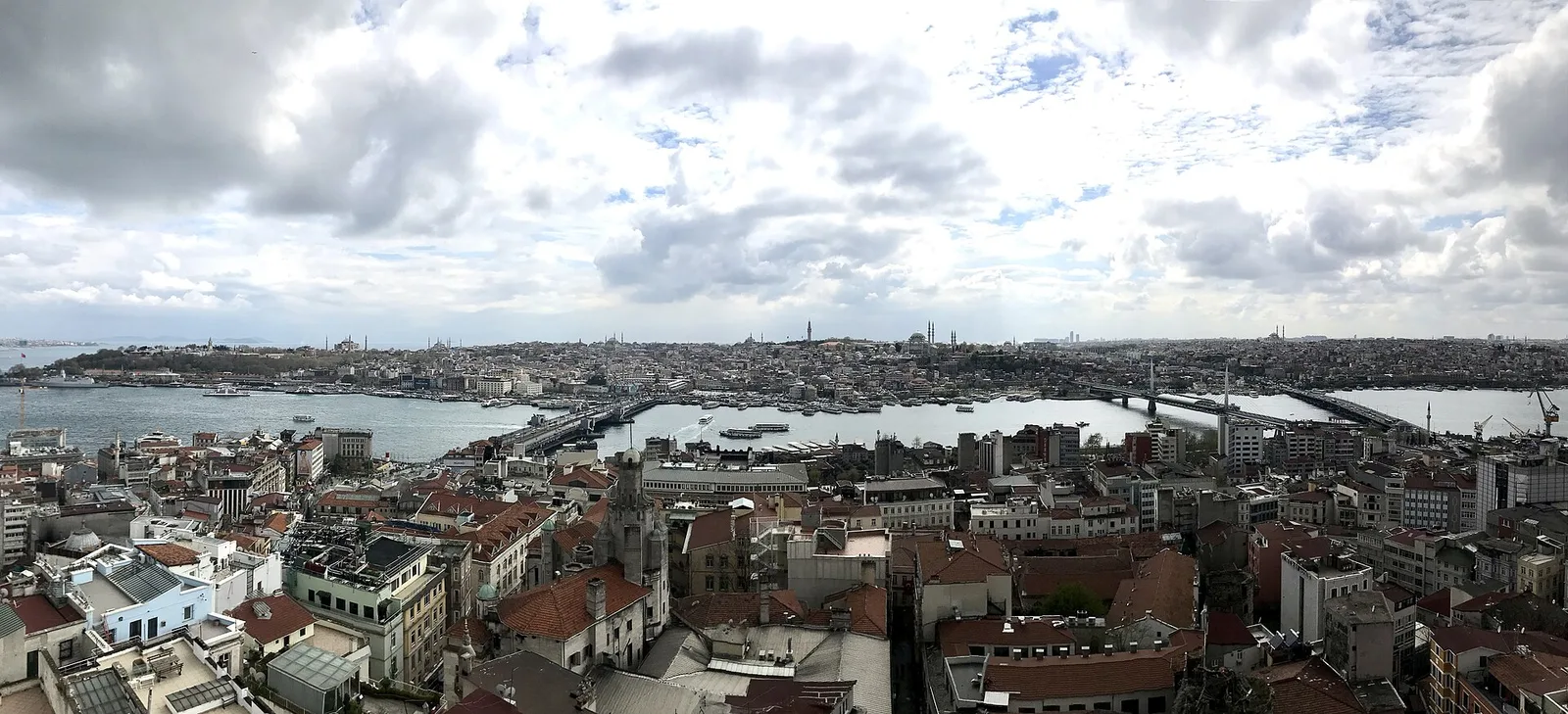
For Istanbul, the useful starting point is the journey between the places you want to visit and the address where you will sleep. A room close to one landmark may leave you with several transfers for the rest of the trip. Put your arrival airport, accommodation and a few priority experiences on the same map before booking. That exercise also helps distinguish a practical short visit from an exploratory stay before a possible move.
Use VisaWand’s Türkiye country guide for national context, then make city decisions around the actual district and transport connections. A holiday, a university place and an employment offer require different preparations. Keep the reasons for travelling separate from the permission you need, and build the plan around your own documents and household circumstances.
The historic city is more than one square
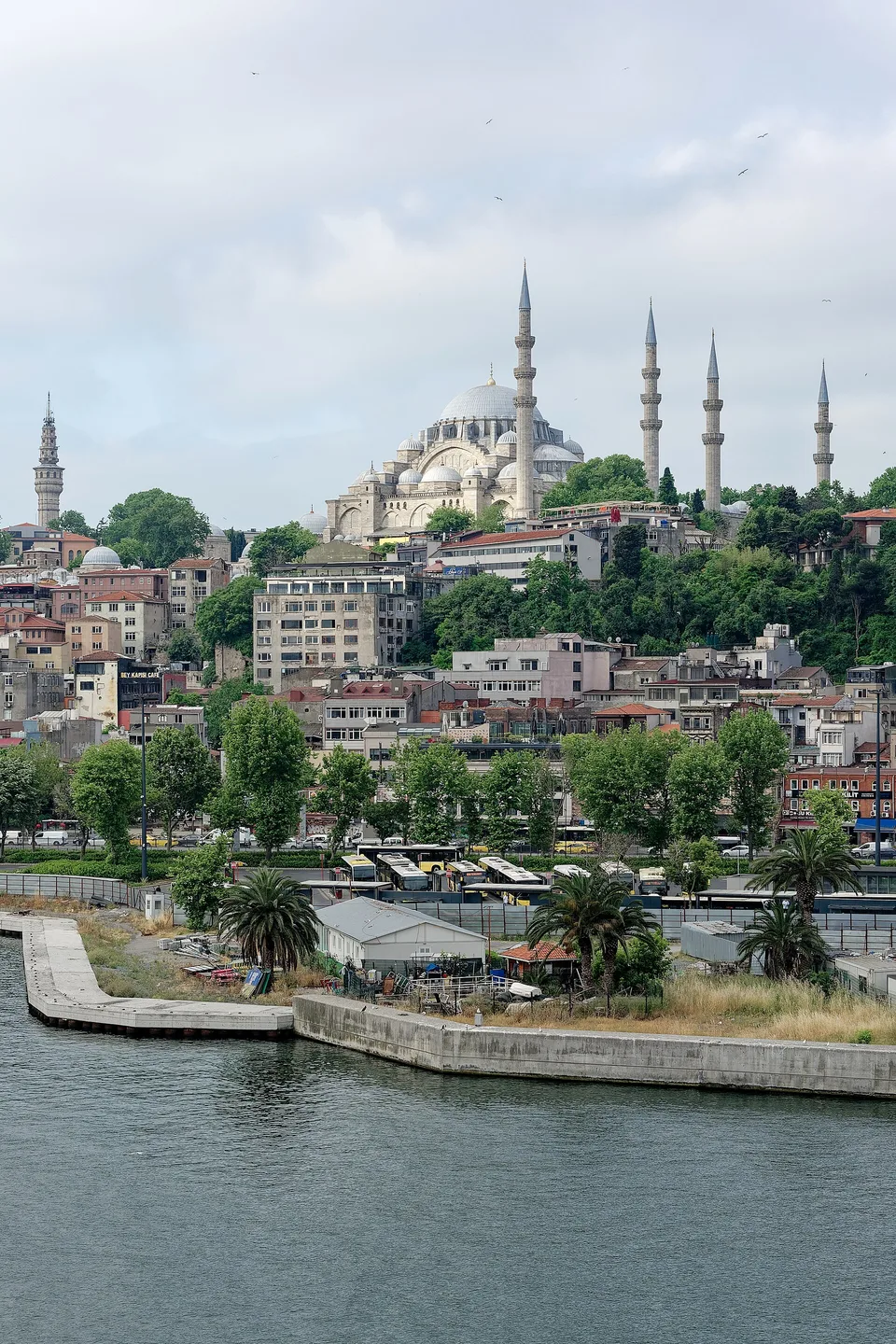
Istanbul’s history becomes easier to understand when the waterways and districts are part of the visit. The UNESCO account of its historic areas describes a former Eastern Roman and Ottoman capital whose peninsula lies between the Golden Horn, Bosphorus and Sea of Marmara. Buildings from different imperial periods share the wider landscape: sixth-century Hagia Sophia and sixteenth-century Süleymaniye are particularly useful points of comparison.
The World Heritage property comprises four areas: the Archaeological Park, Süleymaniye, Zeyrek and the land walls. That distinction helps explain why a visit concentrated on the most famous monuments still leaves much of the heritage unexplored. Choose an additional area because its architecture or history interests you, and plan the route to it. Trying to cover all four in a short afternoon risks reducing each to a hurried photograph.
Kadıköy and Üsküdar offer different afternoons
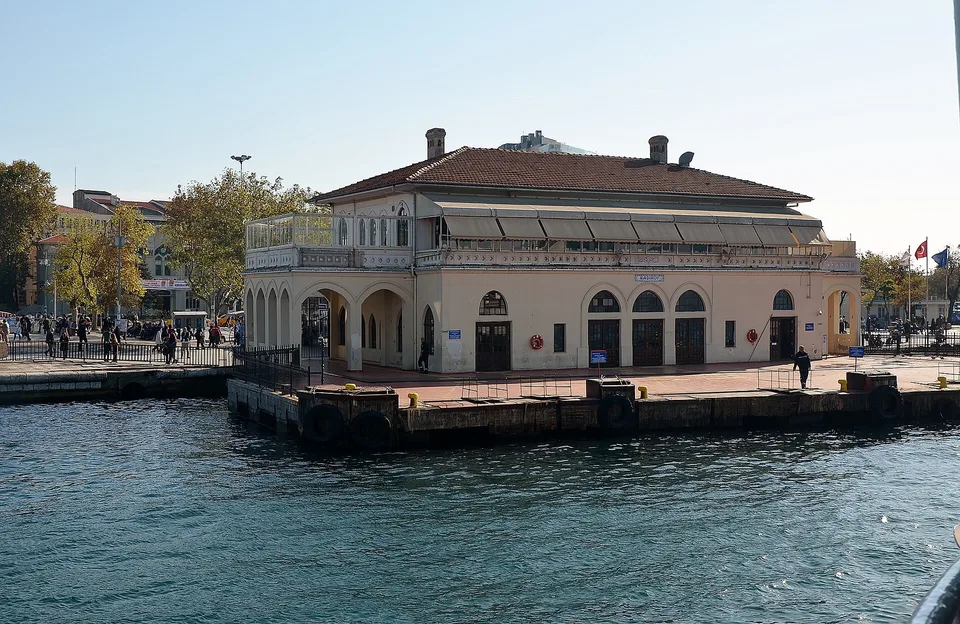
On the Asian side, Kadıköy’s official visitor profile highlights the streets around the ferry port, cafés, bookshops, arts spaces and small retailers. Moda lies to the south, while Yeldeğirmeni is another area to investigate for street art and neighbourhood wandering. This is an outing to shape around your interests: choose a walk and a meal, rather than treating every district name as a separate attraction to check off.
Üsküdar’s visitor information points towards the Bosphorus promenade and its views towards the historic skyline and Maiden’s Tower. It also identifies a market near the pier. Consider Üsküdar for a waterfront walk, with any further cultural visit planned around actual opening arrangements. Do not assume that waterfront sightseeing or a viewpoint includes admission to the tower or another attraction visible across the water.
Choose accommodation around the stay you want
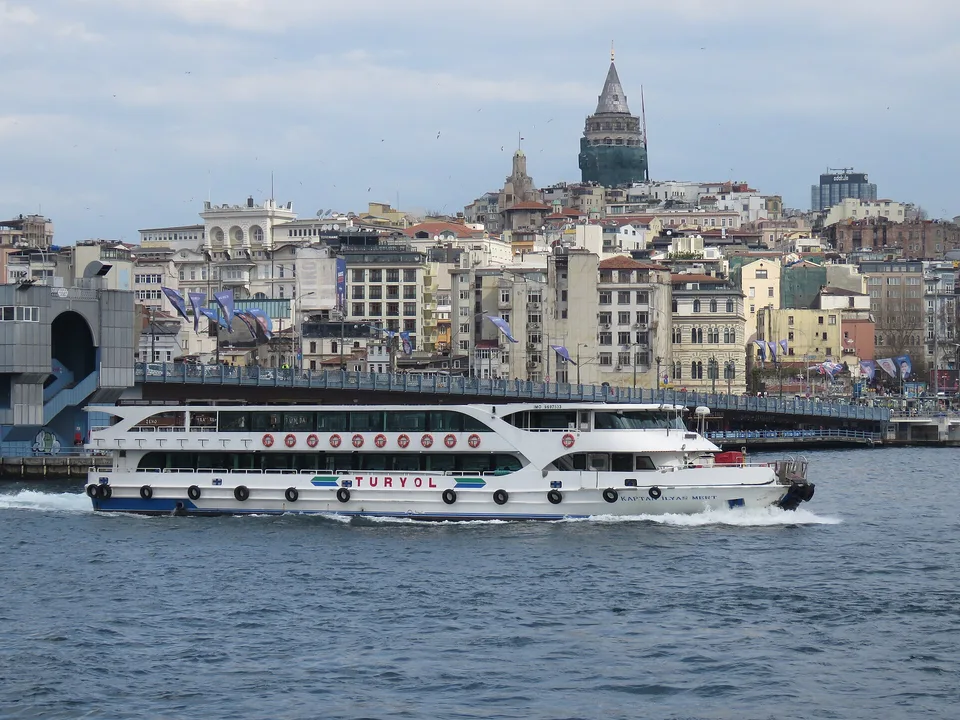
For a monument-focused visit, compare addresses around your historic-peninsula itinerary. If evenings, galleries and varied dining are central to the trip, investigate Beyoğlu, including the areas around Karaköy, İstiklal and Taksim. Kadıköy is another option when your plans include the Asian side. These are starting points for a search, not interchangeable labels for a single convenient hotel zone; inspect the actual address and its connections.
Use the official registered accommodation directory to investigate the property, then compare its own booking terms for your dates. Registration does not establish room quality or guarantee that a particular rate includes breakfast, taxes or extra beds. Compare the same occupancy and room category. Ask about lift access, cooling or heating, luggage storage and late arrival where those details affect your stay.
For a longer exploratory visit, a flexible booking can be useful while you inspect homes and test commutes. Confirm the practical facilities you need, including laundry and a usable workspace, rather than assuming that an apartment-style description covers them. Read cancellation and deposit terms before paying. A slightly higher flexible rate may be preferable when a course start, work permission or onward journey is still being finalised.
Istanbul Airport requires its own arrival plan
Istanbul Airport is a different arrival point from Sabiha Gökçen. The Turkish Airlines transport information directs passengers to the metro journey planner, Havaist coaches and İETT services. Compare the current routes against your accommodation address and landing time. Choosing the airport solely by the flight price can hide the cost and complexity of the onward journey, particularly for a short stay or a late arrival.
When booking flights with a connection, check whether both use the same airport. An itinerary involving an airport change needs a complete landside transfer plan, suitable entry permission and enough time for arrival formalities and the next check-in. For the journey home, keep the airport name and code with your booking details. Give the departure transfer its own margin rather than assuming that an earlier journey establishes a fixed travel time.
Sabiha Gökçen arrivals and the M4
For an arrival at Sabiha Gökçen, the M4 operator’s line information identifies the metro route between the airport and Kadıköy. Its station list includes Ayrılık Çeşmesi, useful when investigating an onward connection. Check the full journey to your accommodation rather than equating an airport metro with a direct service to every hotel. Include the station exit and final walk when travelling with luggage.
Compare the route with an airport coach or an arranged transfer using your arrival time and the complete fare. Confirm service hours for the date and direction before depending on a late connection. A hotel’s transfer quotation should identify the airport, meeting point, vehicle and included charges. Keep the accommodation address available offline, including any entrance instructions that are necessary for finding the building.
Read the tariff for the journey you are making
At the October 2026 review, Metro Istanbul’s fare page lists TRY46.20 as the full anonymous Istanbulcard fare and TRY65 for a one-pass electronic ticket. These figures describe that operator’s published tariff; they should not be used as a universal price for airport coaches, ferries or every rail service. Confirm the payment product and fare for your route, especially where a journey includes another operator.
Choose a card according to the journeys you expect and its conditions, including purchase cost, top-ups and any eligibility requirements. A student elsewhere should not assume access to a local concession simply because the tariff lists one. Keep enough usable credit for the planned trip and a backup payment method. For budgeting, separate the airport transfer from everyday travel so that an unusually expensive arrival does not distort the whole daily estimate.
A boat journey needs the right product
The Şehir Hatları Bosphorus tour directory separates long tours, short tours and sunset cruises from ordinary domestic ferry services. Choose according to what you want from the journey: reaching another district and taking a sightseeing circuit are different purposes. Check the departure pier, current timetable, fare and return arrangement before buying. A ticket labelled as a tour should not be assumed to work as an unlimited pass between stops.
For a short break, one planned water journey can give the day a clear focus without filling every hour. Leave time to reach the pier and find the correct boarding area. Carry layers suitable for your dates and consider whether indoor seating or access arrangements meet your needs. If you choose a longer excursion, build meals and the return journey into the plan before adding a timed museum visit later that afternoon.
The long Bosphorus tour timetable illustrates that commitment. At this review, the departure from Eminönü is 10:35, reaching Anadolu Kavağı at 12:25, with a break before the 15:00 return and arrival back at Eminönü at 16:40. Treat it as a substantial part of the day. Recheck the timetable for your travel date and leave extra time on either side instead of fitting the excursion into a short gap between attractions.
Contemporary art makes a useful counterpoint
Istanbul Modern gives a visit another focus alongside the historic monuments. Its official visitor information lists a full international visitor ticket at TRY1,000 at the October 2026 review, with exhibitions included. The page distinguishes international and domestic prices, so budget using the category that applies to you. Discounts require the relevant identification, and the Thursday morning free-entry offer is for visitors residing in Türkiye.
The museum is closed on Mondays. Its published hours are 10:00–18:00 on Tuesday, Wednesday, Thursday, Saturday and Sunday, and until 20:00 on Friday; entry ends thirty minutes before closing. Check holiday exceptions and the exhibition programme before making the visit an anchor for your day. The museum identifies Tophane tram stop as a nearby connection, which can help when matching the outing to your accommodation and other plans.
A lokanta can simplify lunch
The tourism authority describes lokanta dining through ready-cooked dishes displayed on serving trays, including casseroles, stuffed vegetables and vegetables prepared with olive oil. It gives you another way to organise lunch alongside a full restaurant meal. Ask what is in the dishes, how portions are priced and whether any accompaniment is separate before choosing. A visible display helps with selection but does not replace checking ingredients or allergens.
Set aside a budget for the meals you especially want, then keep everyday eating flexible around the district you are exploring. Read the menu and any service charge before ordering. If breakfast is included with the room, consider whether its timing suits your plans; a very early excursion may change the value of that package. Keep food, coffee stops and larger dining experiences separate in your estimate so that small repeated purchases do not disappear from the total.
Shop with a budget and a clear description
The official historic-bazaar overview places the Grand Bazaar, Spice Bazaar and the trading streets of Eminönü within the city’s commercial landscape. A shopping walk can be an experience in itself without requiring a major purchase. Choose a manageable area and keep time for finding your return route, particularly when carrying bags or travelling onwards to a timed reservation.
For an item you intend to buy, confirm materials, size, quantity and the total price before paying. Keep a receipt and written delivery arrangements for anything being shipped. For food gifts, check packaging and the import rules at your onward destination. A souvenir’s appeal does not establish its quality or make it exempt from customs requirements. Keep optional purchases separate from accommodation, admission and transport in the budget so that the trip’s essential costs remain covered.
Weather favours different kinds of visits
The Turkish meteorological service’s Istanbul statistics show a marked seasonal difference. In its 1950–2025 measurement series, July and August have average maximum temperatures of 29.7°C, compared with 9.6°C in January. The table combines measurements from Kadıköy, Florya and Sarıyer, so it should not be read as a precise forecast for an individual hotel or street. Summer walking and winter sightseeing need different preparations.
The same record shows substantially more rainy days in winter than in midsummer. For a visit built around walking, consider the transition seasons and compare actual accommodation quotes for your dates. Keep an indoor option for each outdoor day, and check the forecast shortly before leaving. If a boat trip is central to your itinerary, protect some flexibility rather than placing every other booking around one departure that weather may affect.
Three days without crossing the city repeatedly
Day one can concentrate on the historic peninsula. Start with the Hippodrome area and the exterior setting of Hagia Sophia, then choose one major interior visit after checking its current admission and access arrangements. Leave time for lunch and a further walk rather than promising yourself every monument before mid-afternoon. A visit to a religious building needs to respect the worship arrangements and instructions in effect that day.
Day two can focus on Beyoğlu: select a route through Karaköy and towards Galata, then decide whether contemporary art or the streets around İstiklal take priority. Istanbul Modern can anchor the day when its opening schedule fits. Do not arrange this version for Monday, and check whether an evening booking would leave enough time to travel back. The historic city and contemporary cultural life each deserve more than a brief stop.
Day three can be an Asian-side outing to Kadıköy or Üsküdar, with a meal and a waterfront walk, or the long Bosphorus tour if that is your priority. The long tour is a substitute for much of the day, not an extra activity to insert between two district visits. On departure day, shorten the plan according to the airport transfer you need and keep your luggage arrangements straightforward.
Assess a rental as a household commitment
For a move, start with the workplace or campus and the journeys your household will make regularly. Test the route during the hours you expect to travel, including the final walk and any transfer. An attractive district for a weekend visit may be inconvenient for shifts or daily classes. Compare total monthly costs using actual available properties and written terms rather than a citywide rent figure detached from size, condition and location.
At a viewing, inspect heating, ventilation, damp, plumbing, storage and appliances. Clarify building charges, utility responsibility, repair arrangements and the inventory for furnishings. Ask for relevant building documentation and seek qualified advice if structural condition is uncertain. A recent decorative refurbishment does not establish structural safety. Read the tenancy terms in a language you understand before paying, and retain receipts and the agreed handover record.
The DASK coverage information explains that compulsory earthquake insurance concerns specified building losses within policy limits. Movable possessions, bodily harm and alternative accommodation expenses are among its exclusions. Establish what insurance exists and what additional cover your household may need. A policy should not be mistaken for a professional assessment of the building’s condition, and its existence does not answer every question about personal belongings or temporary housing after damage.
Set up services before moving day
The government’s İSKİ service directory includes new subscriptions, transfers or name changes, and cancellation services. Establish whether your tenancy requires an account in your name and confirm the documents and application route with the provider. The presence of an online service does not mean every newcomer can immediately use it. Record the meter reading and responsibility for the final bill when the premises change hands.
DASK’s utility subscription guidance requires an insurance check for covered dwellings when establishing or changing electricity and water subscriptions. Confirm that the policy address matches the premises and arrange the necessary information with the landlord. Resolve this before scheduling the move, alongside the provider’s own identification and account requirements.
Do the same practical check for electricity, heating fuel, internet and mobile service. Ask about installation dates and contract commitments, including what happens if you leave before the term ends. Confirm coverage at the actual apartment and working area rather than relying on a citywide availability claim. Keep account numbers and emergency repair contacts together, and distinguish services included in rent from those billed separately.
Healthcare and school arrangements also need individual confirmation. Ask the employer or institution what medical insurance includes, how treatment is paid for and whether family members are covered. For continuing care, bring records and prescriptions and identify an appropriate provider before supplies run low. For children, verify admissions, language support and the actual school journey before committing to housing around an assumed place.
Entry, study and employment have different requirements
The Ministry of Foreign Affairs’ visa guidance distinguishes tourist and business visits from work and education. Eligibility depends on nationality, document type and purpose; an online application route available to one traveller may not apply to another. Check the applicable category before committing to tickets, and do not interpret visitor permission as a general right to take employment or begin a course.
The ministry describes passport validity of at least sixty days beyond the authorised duration of stay, with specified exceptions. Read that requirement alongside the conditions for your own passport and application. A visa’s validity period and the time you may actually remain are different questions. For a longer stay, verify residence requirements separately with the migration authority, and confirm any work arrangement with the responsible labour authority and employer.
Studying does not mean unrestricted employment
The migration authority’s residence guidance states that foreign higher-education students need a work permit to work. For associate and undergraduate students, the right begins after the first year of study. Discuss the course, immigration arrangements and any proposed paid work with the institution before relying on employment income to fund the first year. A part-time opportunity advertised to local students may have different implications for a foreign student.
Choose housing around the campus where teaching actually takes place and the hours you will attend. Ask about course-related costs, insurance and accommodation support in addition to tuition. If changing institutions or provinces becomes necessary, confirm the effect on your residence documentation before moving. Keep enrolment evidence and application records together, and give yourself a clear calendar for deadlines rather than assuming the university completes every formality automatically.
Long-term residence needs a qualifying history
The migration authority sets out a long-term residence route involving at least eight years of continuous qualifying residence and additional conditions. Its calculation counts half of student residence periods. Income, health insurance and other eligibility tests also apply. Time spent living in the city therefore needs to be assessed under the actual permit rules; it should not be converted into a promise of permanent status or citizenship.
Before making a long commitment, establish which route applies and what evidence you will need to retain. Ask how absences, changes in household circumstances and a change of purpose affect the case. A property purchase, employment offer or rental contract should be evaluated on its own terms as well as its immigration implications. Avoid paying for an arrangement presented as a guaranteed outcome without checking the authority’s current requirements and the adviser’s written scope.
Leave room for another district or a return visit
The Princes’ Islands appear as a separate group of services in the ferry operator’s timetable directory. If considering an island outing, choose the specific destination and check the sailing and return arrangements for your date. Do not assume that the Bosphorus tour ticket covers an island route. A weather-dependent excursion is easier to enjoy when it has enough time and does not compete with an airport departure.
For further planning, VisaWand’s Türkiye location directory provides other destination pages, while the country guide covers broader context. A directory entry may have different editorial coverage from a completed guide. For immigration support, compare the relevant experience and written scope in the consultant listings, with official requirements remaining the basis for the decision. Leave unvisited places for another trip instead of turning a useful first visit into a sequence of transfers.
Official planning resources
Reviewed 13 October 2026. Use the official resources linked throughout this guide for admission, transport, housing and immigration decisions. Prices, services and rules can change; confirm the details relevant to your dates. Photography illustrates the locations and is not a live view.
View all official resources
- M4 Kadıköy–Sabiha Gökçen Airport line
- Metro Istanbul tickets and fares
- Türkiye visa categories and passport validity
- UNESCO Historic Areas of Istanbul
- Official residence permit types
- Official Istanbul climate statistics
- Şehir Hatları Bosphorus tours
- Long Bosphorus tour timetable
- Istanbul Modern visitor hours and admission
- Turkish Airlines Istanbul Airport transport information
- GoTürkiye Kadıköy district
- GoTürkiye Üsküdar district
- GoTürkiye lokanta dining
- GoTürkiye Beyoğlu visitor information
- Official registered accommodation directory
- DASK earthquake insurance coverage and exclusions
- İSKİ water services through e-Devlet
- DASK checks for electricity and water subscriptions
- GoTürkiye historic bazaars
Plan the next part of your journey
Explore the Türkiye guide, browse other cities or compare consultants for your travel and relocation questions.