Visa
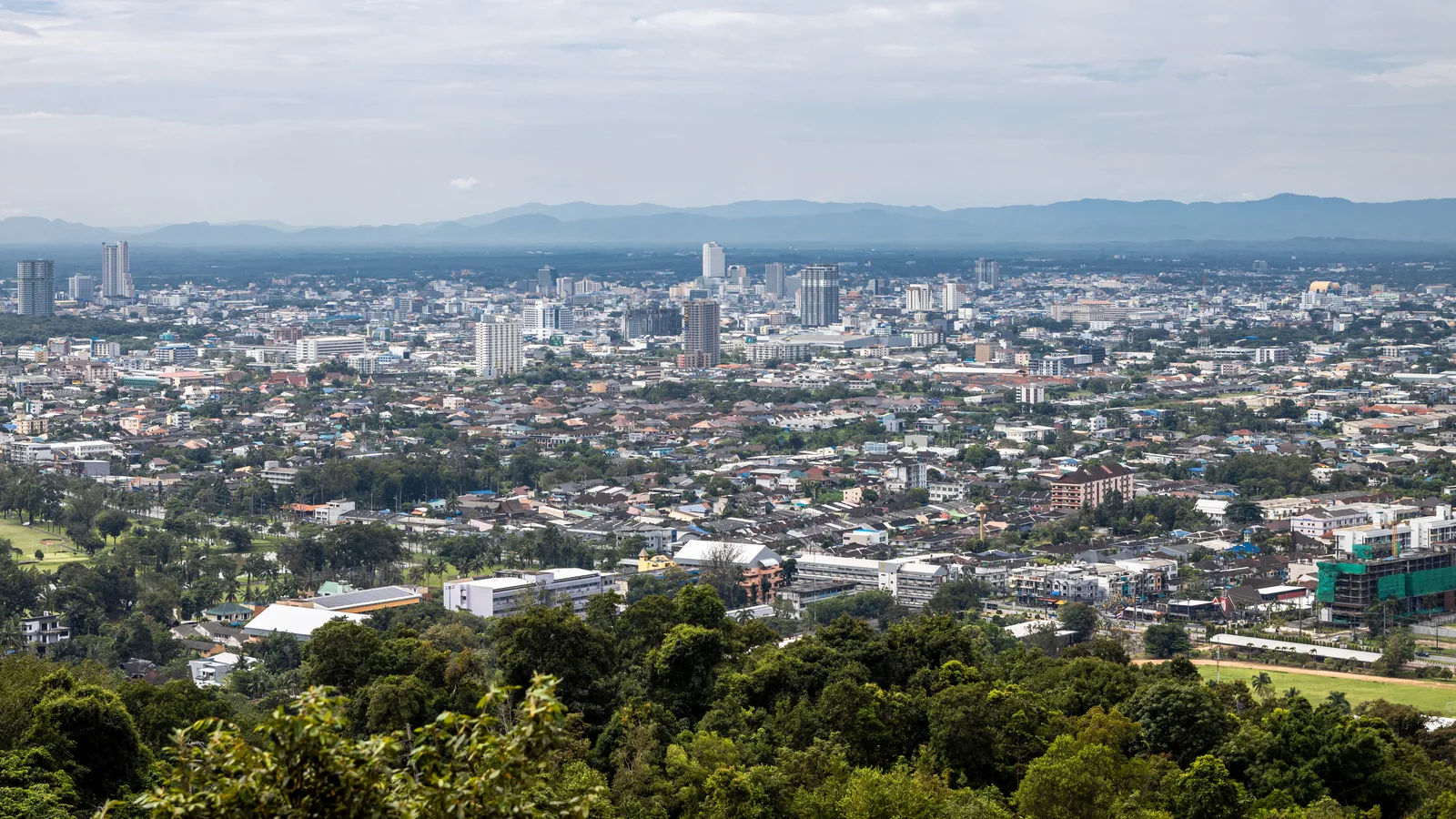
A trading city with a different rhythm from Thailand’s resorts
Hat Yai makes sense when you arrive expecting a working commercial city rather than a beach resort. Markets, shopping streets, food and regional connections are central to its appeal. Visitors from neighbouring Malaysia help shape its holiday rhythm, while the university and medical services give it an importance that extends beyond tourism. A short stay can be rewarding without turning every day into a long excursion.
The essential geographical distinction is simple: Hat Yai is in Songkhla province, but it is not the provincial capital. Songkhla town, its old quarter and Samila Beach belong to a separate outing. The Tourism Authority of Thailand’s Hat Yai overview helps establish that relationship. For a first visit, two nights allow time for the centre and a carefully chosen trip beyond it. Someone considering moving here should add a weekday to test everyday travel and services. VisaWand’s Thailand country guide supplies the wider national context, while the decisions below focus on this particular city.
Understand the city through trade and connections
Hat Yai’s character is inseparable from movement: people arriving to shop, goods passing through markets, and journeys connecting the south with other parts of Thailand and Malaysia. Railway development helped it grow into a commercial and transport centre. The official regional tourism brochure provides historical context, although its older practical details should not be used as current transport or hotel quotations.
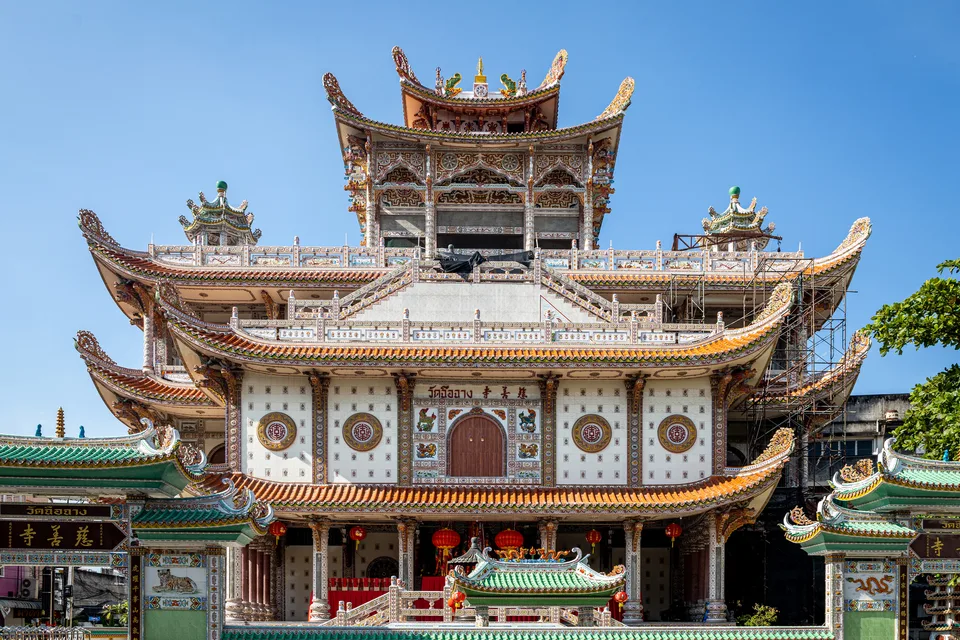
The city’s Chinese, Malay and Thai influences are visible in its food and religious landscape. Wat Chue Chang’s elaborate exterior offers one architectural contrast with the surrounding commercial streets. Treat religious buildings as places of worship: follow posted instructions, dress respectfully and ask before photographing people. A photograph or map listing does not establish that an interior is currently open. The most useful way to explore is to connect a small number of stops with the streets between them. Allow yourself time to notice ordinary activity rather than expecting the centre to behave like a purpose-built heritage attraction.
Choose a base for your own version of Hat Yai
For a brief visit centred on shopping and eating, compare accommodation in the commercial centre using the actual walking route to the places you want to visit. A familiar district name does not tell you whether the last approach involves a busy road, steps or a difficult crossing. Ask the property to describe the entrance and luggage access if those details matter to you.
For university business or treatment near Prince of Songkla University, a central hotel may be less convenient than accommodation closer to the relevant campus entrance or hospital department. These are different reasons for staying, and they need different comparisons. The university’s facilities information identifies the Hat Yai campus and Songklanagarind Hospital, but confirm appointments and access directly with the receiving department. For an early flight, compare a nearer airport property with the cost and availability of a prearranged transfer. Do not move hotels merely to save a few minutes unless the overall journey becomes easier. For families, room configuration and usable sleeping space may matter more than a headline rate.
Kim Yong Market: shop with a purpose, then wander
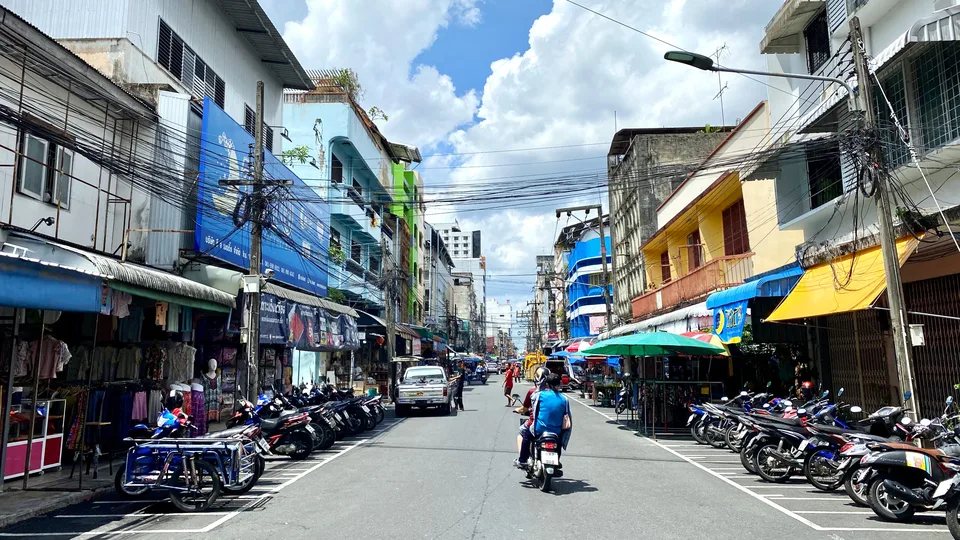
Kim Yong is a useful introduction to Hat Yai’s trading character. The tourism authority’s Japanese-language market page describes a downtown market selling food, clothing and everyday goods, including imports from Malaysia. Its published hours are 10:00–18:00; individual stalls and surrounding street trading may follow different schedules. Do not build a tightly timed morning around the assumption that every business opens together.
Begin with a walk through the area before buying bulky items. Compare what is actually being sold, the quantity and packaging, and whether it suits the journey home. Imported goods are not automatically cheaper than at home, and a crowded display is not evidence of authenticity or quality. Food gifts need particular thought: check ingredients, storage and the import rules of your destination. A market visit also works well without a large shopping budget. Set an amount for discretionary purchases, keep bags manageable and leave room for an unplanned snack. If the weather turns, a shorter visit may be more enjoyable than trying to complete every aisle simply because you have arrived.
Give the municipal park its own outing
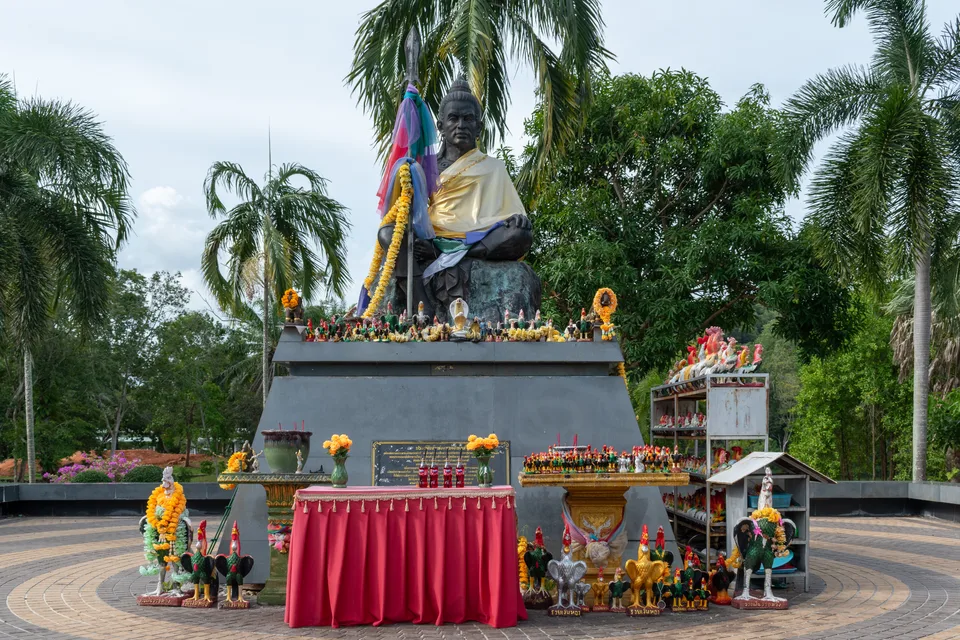
The hill landscape around Khao Kho Hong provides a different perspective from the commercial streets. Hat Yai Municipal Park includes religious sites and viewpoints; the government tourism directory’s hilltop shrine listing helps locate one of them. Choose the outing for the landscape and the places you can reliably reach, rather than treating every advertised facility as guaranteed to operate.
Older visitor material promotes the cable car, but a dependable current operating schedule and fare were not established during this guide’s review. Check with the municipality or local visitor information before travelling specifically for a ride. A closed cable car should not leave you without a viable return journey. Establish the pickup point and return arrangement before going uphill, and consider the heat and walking involved between stops. Mobility needs deserve a specific discussion about vehicle access and steps, not a general assurance that the park is accessible. Keep the visit flexible around weather. The archival photographs illustrate the setting; they are not evidence of present-day operating conditions.
Eat for the city’s variety
Hat Yai’s food is part of the reason to stay, not simply something to fit between attractions. Its Chinese, Malay and Thai influences create opportunities to make different choices across the day. Rather than assembling a checklist of supposedly essential vendors, choose a few meals that suit your appetite, dietary requirements and location. A modest breakfast and a longer lunch can be a better arrangement than several heavy meals scheduled too close together.
Ask what a portion includes and how it is priced before ordering, particularly when seafood is priced by weight or a dish is shared. Make allergies explicit and do not assume that a short menu translation covers sauces, garnishes or cooking stock. Travellers who require halal food should establish the individual outlet’s practices rather than inferring them from the city’s Muslim community. Around a campus, opening and visitor access may change with the academic calendar. Avoid travelling across town for an old recommendation without checking it. There is no defensible single food budget for everyone: record the actual meals you choose and keep drinks, snacks and premium dishes visible as separate spending decisions.
Accommodation: compare the complete stay
Hotels in Hat Yai serve several overlapping markets, including short shopping breaks, business visits and university or medical travel. The right room depends on why you are there. Check the number of beds, bathroom arrangements, lift access and whether a requested room type is confirmed. A low advertised rate is less useful if the booking requires an extra bed or repeated transport to your appointments.
Malaysian holiday weekends can bring strong demand, a pattern noted by the tourism authority. Compare availability for your actual dates and read cancellation conditions before committing. If flood resilience matters to you, ask the property about its own history, repairs and access arrangements rather than accepting a citywide reassurance. Confirm what happens if transport disruption prevents arrival. For a longer exploratory stay, a property with laundry access and a workable place to sit may be more useful than one additional leisure facility. Ask about noise and room position if you will need daytime rest. These details often affect the experience more than photographs of a lobby.
Arriving by air: the bus station is not your hotel
The official airport transport directory lists public bus, limousine, taxi and rental-car options. Follow the option that fits your arrival time, luggage and destination. A shared service can be economical, but it is not equivalent to a private transfer to the door. Keep the accommodation address available in Thai as well as in the booking confirmation.
The airport’s minibus information publishes a fare of ฿60 for the airport–bus-station route, with pickup in the public area on the passenger terminal’s first floor. Its online timetable display did not provide a clear, dependable schedule during review. Confirm the next departure and route locally instead of assuming service will meet every flight. Add any onward journey from the bus station to your comparison. For a taxi or prearranged transfer, establish the final price, destination and any extra charges before departure. On the return, leave room for road disruption and airline check-in requirements. A published journey estimate cannot account for your particular traffic conditions or the time needed to leave a hotel with luggage.
Rail and onward travel need two separate checks
Use the State Railway of Thailand’s D-Ticket system to check trains and availability for the intended date. The official site also provides the railway’s 1690 information number. Look carefully at the station, date, class and passenger details before paying. A search result or an old timetable is not a reservation, and an attractive fare is only useful if the service and berth or seat you need are available.
The second check concerns the route itself. At this guide’s October 2026 review, UK government travel advice advised against all but essential travel on the Hat Yai–Padang Besar railway, as well as specified southern provinces and districts. This is a route-specific point that should not disappear inside a general recommendation to continue into Malaysia. Check your own government’s current advice and the implications for your insurance before choosing an onward journey. Equally, do not interpret a warning covering named places as a statement that every part of Songkhla province has the same designation. Conditions and advice can change; assess the actual route you plan to use.
Make the budget match the trip
A useful budget for Hat Yai starts with confirmed purchases rather than an unsupported daily average. The published ฿60 airport minibus fare would make two equivalent journeys ฿120 per person if that service suits both transfers. That calculation excludes the journey between the bus station and your accommodation, and it does not establish that a bus will operate at your required departure time. Compare the complete door-to-door options before deciding that the lower fare is the better choice.
Set out accommodation, meals, local transport and shopping separately. Shopping is particularly easy to underestimate on a visit built around markets: decide what you want to bring home and leave space in both the budget and the suitcase. Keep any premium seafood meal or private vehicle excursion visible as an individual choice rather than folding it into an imagined standard cost of visiting the city.
For a longer stay, distinguish money paid at the start from money consumed each month. A deposit can affect how much cash you need even when some of it may eventually be returned. Utility rates and air-conditioning use can also change the comparison between two rooms with similar rent. Request the charging method and an example bill, then assess them alongside your likely use. The aim is a budget you can explain and adjust, with enough room to change transport or accommodation when the original arrangement no longer meets your needs.
Getting around: agree what the journey includes
Group central stops into manageable walks, then arrange separate transport for places beyond that cluster. Heat, traffic and rain can turn a short map distance into an uncomfortable outing. Plan a return option before going somewhere less central, especially if your visit depends on a particular appointment or evening connection.
For any quoted vehicle journey, clarify whether the price is for one person or the whole vehicle, whether it includes waiting, and whether the return is part of the agreement. A cheap outward trip can become poor value if you have not considered how to get back. Keep the pickup location specific enough to identify without a long telephone explanation. Prospective residents should test their likely commute at the time they will actually travel, including the route home after dark or in rain. A location convenient for a weekend shopping visit may be awkward for daily campus work. If you intend to drive, establish the current licence and insurance requirements before renting or using a vehicle; availability alone is not evidence that you are legally covered.
Seasons: do not borrow Bangkok’s weather calendar
Southern Thailand’s east-coast rainfall pattern differs from the familiar idea that November starts a uniformly dry Thai winter. The Thai Meteorological Department’s climate explanation identifies November as the east coast’s rainfall peak under the northeast monsoon. This is a regional pattern, not a prediction that every day of your stay will be wet.
Use the official regional forecast for your dates and respond to local warnings. Keep the hill outing flexible and leave indoor or shorter central options available. For shopping, waterproofing important documents and carrying less can make a sudden downpour easier to manage. For accommodation, assess the route to the building as well as the room itself. Rain can affect access even when the property remains open. Avoid promising yourself a particular view or a rigid sequence of outdoor stops. A useful itinerary has enough space to move activities around, and a realistic budget allows for a different transfer when the original plan no longer suits the conditions.
Flood history is a practical housing question
The Bank of Thailand’s report on the late-2025 southern floods records substantial impacts on Hat Yai businesses and property. It is historical evidence, not a live statement that a particular hotel, street or shop is currently closed. Its discussion of property decisions nevertheless makes flood history relevant to anyone considering a home or an extended stay.
Ask about the exact building and access road: previous water entry, completed repairs, the location of electrical equipment, drainage and what happens to lifts or parking during disruption. Inspect for signs of unresolved damage rather than assuming that a fresh finish answers every question. Establish who handles maintenance and how urgent problems are reported. If you will store a vehicle or valuable equipment, ask where it would be moved when warnings are issued. Insurance questions should be put to the insurer using the address and intended use of the property. A general description of a neighbourhood cannot substitute for those answers. Treat a landlord’s account as one piece of information to investigate, not a guarantee about future conditions.
A three-day visit with room to change direction
Use the first day to settle in and explore the commercial centre, keeping Kim Yong and nearby streets as the main focus. Allow time for a meal without scheduling a distant attraction immediately afterwards. This is a suggested pace rather than a claim that every stall or religious building will be open when you arrive.
On the second day, choose the municipal park when weather and access arrangements suit it. Confirm the return before leaving and keep the evening simple. If conditions are poor, shorten the outing and spend more time on the centre’s food and shopping. Reserve the third day for Songkhla as a separate excursion, with a clear transport plan and a choice between its old-town atmosphere and coastal setting. Do not add a border journey simply to fill the schedule. With only one full day, remain in Hat Yai and choose a smaller number of experiences. With a longer stay, repeat a favourite area at a different hour and use a weekday for the practical errands that matter to a possible move.
Moving here: start with the address and the daily routine
Before signing a lease, make a list of your actual destinations: workplace, campus department, hospital, school or childcare, groceries and any regular appointments. Test the journeys from the proposed address. A home that looks inexpensive in isolation may require transport spending that changes the comparison substantially.
Request a written breakdown of rent, deposit, utility charging, internet, maintenance and any cleaning or departure costs. Check the inventory and record the property’s condition. Establish whether cooking equipment, air conditioning and laundry facilities are supplied and usable. Ask who pays for repairs and how meter readings are recorded. For university accommodation, obtain current eligibility, availability and prices from the receiving office; older published student estimates are not general market rents. A temporary stay can provide time to inspect and compare, but include its cost in the move budget. Avoid paying for a long commitment solely on the strength of photographs. The home should support the routine you will have, rather than the weekend you hope to enjoy.
Services, study and the right to work
People coming through Prince of Songkla University should ask the receiving faculty or international office about accommodation, registration and current health-cover arrangements. Published campus information includes older figures and calendars, so this guide does not present those insurance benefits or clinic hours as current promises. For treatment, confirm the relevant hospital department, appointment, payment arrangements and language support directly.
Immigration is a separate decision. The Royal Thai Embassy’s current visa information records a September 2026 change to tourism visa exemption for eligible travellers; older blanket sixty-day advice should not be reused. Check nationality and residence through the official Thai e-Visa portal and the responsible mission. The Thailand Digital Arrival Card is an arrival requirement, not a visa or permission to work. Official work-visa guidance distinguishes employment from tourism and addresses work-permit requirements. Study-visa guidance provides a separate route for education. Admission, a lease or a long visit does not itself establish permanent residence. Use VisaWand’s Thailand destination page and consultant listings for planning support, while verifying legal requirements with the official authorities.
Nearby places and alternative bases
Songkhla is the natural comparison when deciding whether to spend all your nights in Hat Yai. Choose Hat Yai for a trip focused on its commercial life and practical commitments; consider Songkhla when the old town and coast are the main purpose. The better base is the one that reduces the journeys you will repeat, not the one with the longest list of nearby attractions.
Use VisaWand’s Songkhla location page to orient that comparison, and consult the Thailand location directory for other possibilities. These pages identify destinations and should not be mistaken for a promise of a completed travel guide at every location. If you are combining the visit with Bangkok, book the connecting journey for the actual date and leave a sensible buffer before an international departure. Hat Yai works well when given its own purpose and pace. Markets, ordinary streets, hill views and practical conversations can tell you more about a possible visit or move than an itinerary that spends most of its time leaving the city.
Official planning resources
Reviewed 17 October 2026. Use the official resources linked throughout this guide for admission, transport, housing and immigration decisions. Prices, services and rules can change; confirm the details relevant to your dates. Photography illustrates the locations and is not a live view.
View all official resources
- Tourism Authority of Thailand: Hat Yai
- TAT Malaysia: Hat Yai regional brochure
- Prince of Songkla University: campus facilities
- Tourism Authority of Thailand Japan: Kim Yong Market
- Thailand Digital Tourism Center: hilltop shrine
- Hat Yai municipality
- Airports of Thailand: Hat Yai transportation
- AOT Hat Yai: airport minibus
- State Railway of Thailand: D-Ticket
- UK FCDO: Thailand travel advice
- Thai Meteorological Department: Thailand climate rainfall
- Thai Meteorological Department: regional weather
- Bank of Thailand Q4 2025 business liaison report
- Royal Thai Embassy Washington: visa information
- Thailand official electronic visa portal
- Royal Thai Embassy Vienna: work and business visas
- Royal Thai Consulate Los Angeles: study visa
Plan the next part of your journey
Explore the Thailand guide, browse other cities or compare consultants for your travel and relocation questions.