Visa

Choose Valencia for more than a beach break
Valencia works particularly well for travellers who want a city visit with room to breathe. Its historic centre supplies substantial architecture, markets and museums; the former riverbed provides a green route across town; and the Mediterranean gives an entirely different setting for an afternoon. The futuristic City of Arts and Sciences is another part of that mix, rather than the whole reason to come.
Allow three full days for a first visit, adding a fourth if Albufera or a long beach day is important. For a possible move, include ordinary weekdays spent testing journeys and inspecting housing. This is Valencia in eastern Spain, the capital of the Valencian Community. The city, its province and the wider region are different geographical units: a property advertised as being “in Valencia” may be well outside the urban neighbourhoods described here.
Read the city through its changing history
The municipality’s account of Valencia’s origins dates the Roman foundation of Valentia to 138BC. The city subsequently passed through different political, religious and cultural periods; its surviving streets should not be read as the product of one moment. Archaeological remains, medieval commercial buildings and later urban extensions offer different ways into that history.
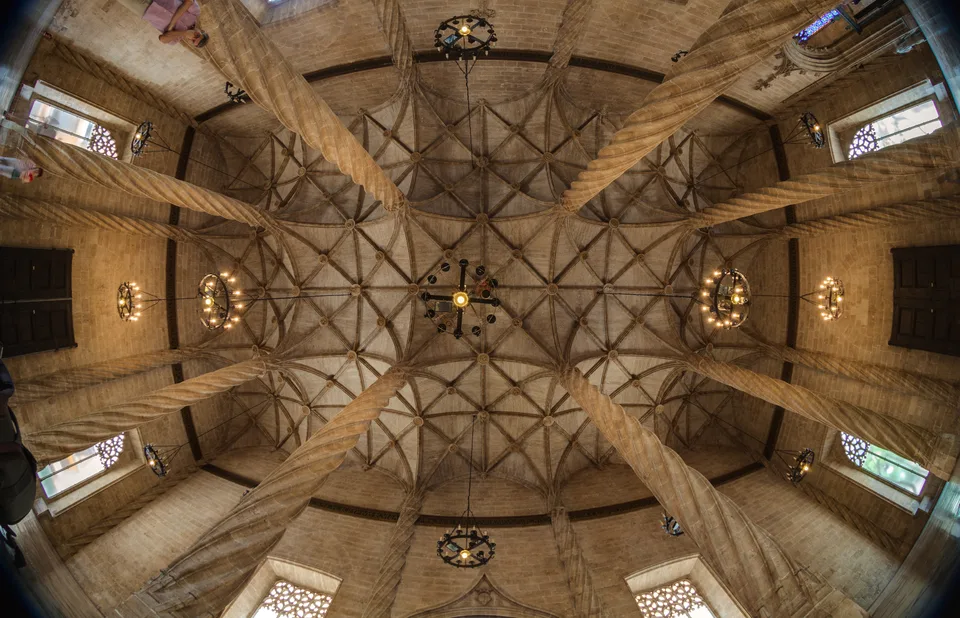
The Silk Exchange is a particularly clear expression of mercantile prosperity. UNESCO’s description of La Lonja de la Seda identifies its late Gothic commercial architecture and historic trading role. It received World Heritage status in 1996. The building is more informative when viewed alongside the neighbouring market area than as an isolated decorative hall. Modern Valencia adds another chapter through its park conversion, cultural complexes and maritime redevelopment. Leave room to notice how these periods meet, rather than seeking a single supposedly unchanged old city.
Match a neighbourhood to the way you travel
Ciutat Vella is the obvious starting point for a stay centred on historic streets and monuments. Within it, El Carmen offers a different atmosphere from the shopping streets and larger squares elsewhere in the centre. Ruzafa, also written Russafa, suits visitors interested in restaurants, independent shopping and evening activity. A lively setting can be convenient, but ask where the bedroom faces before booking.
The official overview of Valencia’s areas separates the centre, Turia corridor, maritime districts and Albufera. Use that geography when comparing addresses. A room near the City of Arts and Sciences does not put the cathedral outside your door, and a beach address creates a different daily routine from a central one. Choose around the trips you will actually make, then examine the last walk from the relevant stop rather than relying on a broad neighbourhood label.
Give the Silk Exchange a proper look
La Lonja rewards close attention to its columns, vaulting and commercial purpose. Pair it with the surrounding market streets, but allow enough time inside to understand the building rather than merely taking an upward photograph. It is one of the strongest choices for a visitor who has limited time or wants a substantial monument without a large admission bill.
The municipal visitor page for the Silk Exchange lists standard admission at €2, reduced admission at €1, and free admission on Sundays and public holidays. Regular hours are Monday–Saturday, 10am–7pm, and Sundays and holidays, 10am–2pm; entry ends 30 minutes before closing. Named closure days apply. Do not assume that a separate tower tour is automatically included or continuously available: consult current arrangements if that is the part you particularly want to see.
Separate the cathedral visit from the tower climb
The cathedral’s cultural visit and the Miguelete bell tower are distinct decisions. The cathedral’s own hours and prices list €12 for the general cultural ticket, including the cathedral museum and an audio guide. General tower admission is €3. Choose the interior for art and religious history, and consider the climb separately against your mobility, the weather and the rest of the day’s walking.
October sightseeing hours differ from summer: the cultural visit is ordinarily 10:30am–6:30pm on weekdays, 10:30am–5:30pm on Saturdays and 2pm–5:30pm on Sundays, with earlier last admission. Religious dates can suspend cultural visits. Treat the Holy Chalice as an object of religious tradition and devotion, rather than claiming that its association with the Last Supper has been established as historical fact. Worship access is separate from a museum-style visit.
Make the Central Market a morning plan
The Central Market is a working food market, so its useful visiting rhythm is different from an all-day shopping centre. The city’s market listing gives regular hours of Monday–Saturday, 7:30am–3pm. Plan it before lunch and check holidays; a Sunday itinerary built around browsing the food stalls will need another choice.
Come with a modest purpose: choosing fruit, assembling a picnic or comparing ingredients you have seen on menus. Ask before photographing stallholders, and avoid occupying a counter while other customers are trying to buy. A self-catering room makes market purchases more useful, but check whether you have refrigeration and cooking equipment before buying perishables. Do not confuse this market with every other building bearing the word “mercat”; different market sites can serve quite different shopping, dining and architectural interests.
Use the Turia Gardens as part of your route
The Turia Gardens turn movement across Valencia into part of the visit. According to regional tourism’s account of the park, the gardens occupy the former riverbed, opened in 1986 and extend roughly nine kilometres from Cabecera towards the City of Arts and Sciences. The space contains sports facilities, greenery and different routes for different users.
Pick a section rather than assuming the entire length belongs in one afternoon. Bridges help orient a walk, while an exit near your next stop can save unnecessary backtracking. Walkers should pay attention to cycle routes, and cyclists should slow around busy crossings and shared areas. In hot weather, a green corridor is still an outdoor journey: carry water, consider shade and leave the longest stretch for a cooler part of the day. A city map’s short straight line does not describe the experience of walking it at midday.
Choose what to enter at the City of Arts and Sciences
The exterior architecture and reflections are worthwhile even before deciding which buildings to enter. Paid venues involve different subjects and different amounts of time: the science museum, Hemisfèric screenings and Oceanogràfic should not automatically become a single hurried checklist. Read current programmes and choose the experience that fits your interests, especially when travelling with children of different ages.
The official combined-ticket system asks visitors to select dates for individual venues. Its stated conditions allow visits over one, two or three consecutive days, without repeating the same building on different days; a Hemisfèric ticket covers one screening. A headline “from” price does not establish the full adult price for your chosen date and combination. Compare the actual basket before paying, and leave enough time between a screening reservation and a separate venue visit.
Give the maritime neighbourhoods their own afternoon
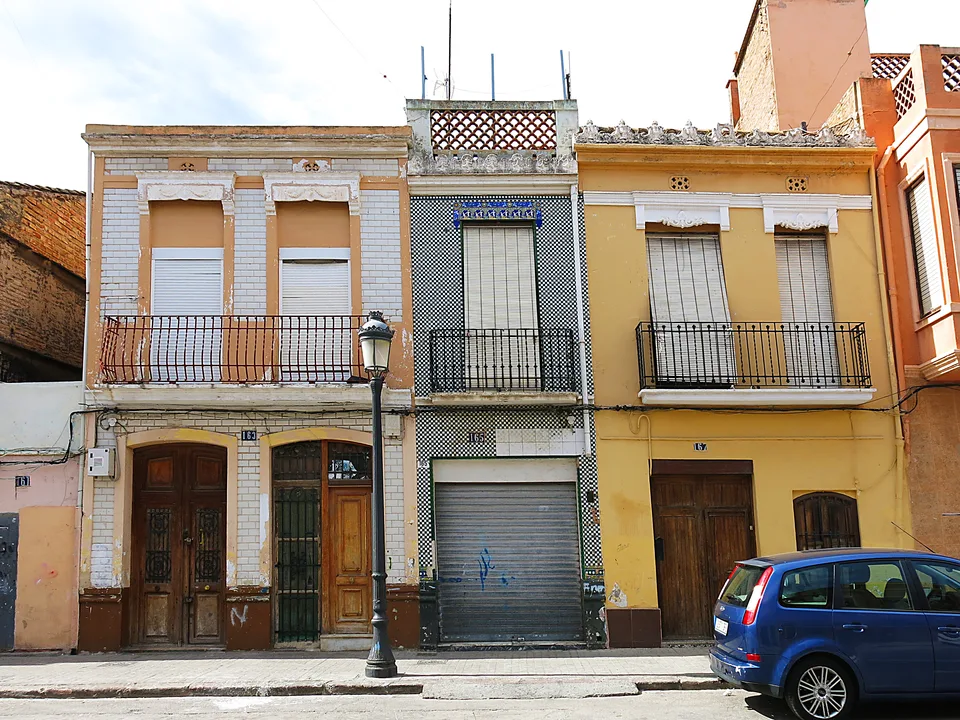
El Cabanyal has a recognisable street grid and houses with distinctive ceramic decoration. Explore it as a residential maritime neighbourhood, rather than treating the façades as scenery to be used without regard for the people living there. Keep entrances clear and photograph from public space. Combine the neighbourhood with the coast if you want a change from the monumental centre.
The regional visitor information for Cabanyal beach provides a useful geographical starting point. Check the actual journey from your accommodation instead of accepting promotional claims that every beach is only minutes away. For swimming, follow current flags, notices and lifeguard instructions; a sunny day does not guarantee suitable sea conditions. Outside the main visitor season, confirm any facilities you depend on. A coastal walk remains a worthwhile option when entering the water is unsuitable or simply not part of the plan.
Plan meals around rice and the day’s geography
Valencia’s rice culture deserves a proper meal rather than an impulse purchase made because a menu uses the word paella. Read the preparation description, ask whether prices are per person or per pan, and check any minimum order before sitting down. If a particular rice meal matters, reserve it and build the day around the restaurant’s actual serving arrangements.
The tourism board’s guide to eating areas identifies settings from Ciutat Vella and Ruzafa to the maritime districts and Albufera. Use it to find possibilities along your route, not as evidence that every listed business suits your budget or dietary requirements. Check ingredients directly, including stocks, seafood and preparation methods where relevant. Leave space for other cooking too: several days in Valencia need not become a repeated search for the same emblematic dish at every meal.
Shop with a purpose and a carrying plan
Shopping can fit naturally between visits if you decide what you are looking for first. The regional tourism guide to shopping districts points towards the central retail streets and Ruzafa’s independent-shopping character. Use those broad areas as orientation, then confirm the current businesses and opening hours that interest you. A historical article is not a guarantee that an individual shop still trades.
For food purchases, think about storage and the journey home; for fragile ceramics or bulky objects, ask about packaging before paying. Keep receipts and compare delivery costs where carrying an item would complicate onward travel. A purchase made within Spain still has to comply with the customs rules of your eventual destination. If shopping is a secondary interest, reserve a short window for it rather than allowing a long cross-city search to displace the places you came to see.
Arrive knowing which station or terminal you need
Valencia Airport is at Manises, rather than in the historic centre. Airport operator Aena’s metro information identifies lines 3 and 5, with the station on the ground floor of the regional terminal. Check the timetable for your arrival date and allow for the final journey to your accommodation; an airport metro is not a promise of round-the-clock service or a direct connection to every address.
For an intercity arrival, read the station name on the ticket carefully. Renfe’s Madrid–Valencia route information (source unavailable) uses Joaquín Sorolla, while other services may use a different Valencia station. Do not assume that an old station-transfer description remains current. Compare the actual departure, arrival and luggage conditions before buying, then save the accommodation’s address offline. A slightly earlier connection can be more useful than a lower fare that leaves an awkward late-night transfer.
Buy transport for the zones and journeys you need
Valencia’s official public-transport overview lists an EMT city-bus single at €2 and the airport metro journey at €4.80, with a reusable card costing extra: €1.10 for cardboard or €2.10 for plastic. Compare repeated singles with a pass before buying. If choosing a SUMA product, confirm its zones, transfer conditions and airport coverage before loading it. The physical card and the ticket loaded onto it are different things; owning the former does not mean every journey is paid for.
The Valencia Tourist Card FAQ describes separate 24-, 48- and 72-hour cards with airport transport included and validity beginning at first use. Its seven-day card is a different product without transport. Compare the benefits you will actually use: municipal admissions and discounts do not mean free admission to every major attraction. Regional transport discounts announced for 2026 have an end date, so do not treat a temporary concession or a resident eligibility rule as a permanent fare for every visitor.
Leave enough time for Albufera
Albufera is a landscape visit, not another city-centre monument. The current official visitor guide describes the lagoon, rice fields and the Devesa woodland and dunes, with places such as El Palmar and El Saler forming different parts of the experience. Decide whether you want a village meal, birdwatching, a boat outing or a coastal walk before choosing transport and timings.
The Racó de l’Olla visitor centre’s official listing gives ordinary visiting hours of 9am–2pm, with named closure dates. Confirm arrangements for your date and group. A sunset plan at the lagoon therefore should not assume the centre remains open into the evening. Check the return journey before leaving, and confirm boat availability and conditions with the actual operator. Protected habitats, reserve access rules and working agricultural land take priority over following an attractive path on an informal map.

Choose your season around heat and Fallas
Valencia has a Mediterranean climate with warm summers and milder winters, as described in the official climate overview. Choose dates around the activities you value rather than an assurance of constant sunshine. Summer can suit a beach-focused stay, but schedule long walks and exposed cultural-complex visits with heat in mind. Cooler months can make city exploration more comfortable without guaranteeing beach weather.
Fallas changes the character of a March visit through street celebrations, fireworks, crowds and noise. The tradition builds through March towards the nineteenth, but consult the programme for the year you are travelling. Someone seeking a quiet scouting trip may prefer other dates. Autumn plans should also remain flexible around rain and weather warnings. Check local instructions before countryside or wetland outings, and use an indoor alternative when conditions make the planned walk inappropriate.
Compare accommodation beyond its nightly price
A central hotel can simplify a short visit, a hostel can suit a solo traveller watching costs, and a serviced apartment or equipped kitchen can help over a longer stay. The right choice depends on what is actually included. Compare final totals, cancellation terms, reception hours, luggage storage and any cleaning or parking charges before committing.
Ask about air conditioning for a summer stay, heating for cooler dates and the room’s position relative to busy streets or evening venues. Check lift access and bathroom details where mobility matters. Families should confirm sleeping arrangements rather than infer room capacity from a photograph. For an exploratory move, flexibility has a practical value: a temporary base gives you time to inspect residential areas and avoid committing to an unsuitable lease merely because your first booking is ending.
A three-day plan with room to enjoy it
Spend day one in the historic centre, putting the Central Market in the morning, La Lonja nearby and the cathedral later if its visiting hours fit. Keep the evening local rather than adding a cross-city excursion after a full day on foot. Reorder these stops if your first day is a Sunday or a holiday.
On day two, walk a chosen Turia section and give the City of Arts and Sciences one substantial paid visit, leaving time for its exteriors. On day three, explore El Cabanyal and the coast, or choose Albufera instead if landscape and a rice meal are higher priorities. Adding a fourth day lets those two outings remain separate. Book any fixed screening or attraction first, then protect meal and transport time around it. This suggested itinerary is a sequence of choices, not a claim that every venue opens daily.
Test a home against an ordinary working week
For a move, compare homes around your workplace or campus rather than assuming a visitor’s favourite district will suit everyday life. Test the journey at the relevant hour, including the final walk and the return after an evening commitment. Inspect grocery access, noise, ventilation, storage and the cost of heating or cooling the property.
Clarify whether a proposed contract is for your habitual home, a genuine temporary stay or another arrangement. Under Spain’s urban tenancy law, the statutory deposit for a housing tenancy is one month’s rent; other contract types and additional guarantees have different rules. Do not interpret that figure as the complete maximum move-in bill for every contract. Obtain a written breakdown, check the landlord or agent’s authority and record the property’s condition. Use current professional advice if a clause or payment requirement is unclear.
Organise registration and household essentials
Valencia’s municipal registration procedure covers people establishing habitual residence in the city and those changing address within it. Check the identification, address evidence and appointment requirements for your circumstances. Municipal registration, an identification number and immigration permission perform different functions; completing one process does not automatically complete the others.
Before moving in, agree who handles electricity, water and internet accounts and record meter readings where applicable. Confirm furnishings, laundry facilities and any building rules that affect your household. Families should investigate school admission and documentation directly before choosing an address solely for a presumed school place. Plan language support for administration if you need it, retain copies of contracts and receipts, and allow time for appointments. A furnished room can make arrival easier while leaving those longer-term decisions open.
Establish health coverage before you need treatment
Visitor insurance and resident healthcare entitlement should be planned separately. Eligible European visitors should check the role of their health documentation for temporary stays, while other travellers need cover appropriate to their circumstances. Do not assume a rental contract or municipal registration alone establishes entitlement to every public service.
The Valencian health authority’s SIP health-card guidance explains registration routes and documentation, including procedures linked to recognised healthcare coverage. Use it to identify the relevant process and local health centre. Arrange continuity for existing conditions before travel: bring an appropriate medication supply, prescriptions and useful clinical records, and check any rules affecting particular medicines. A nearby pharmacy is useful, but it does not replace finding a clinician able to assess you. For a household move, confirm the position of each family member rather than relying on one person’s registration.
Add a nearby town only when you have the time
Sagunto offers another approach to regional history through its Roman theatre and castle setting. The regional tourism introduction to Sagunto is a useful place to choose the sights that interest you before checking current access and transport. Keep the climb and the weather in mind when deciding how much to fit into the day.
Treat an excursion as a separate outing, with a realistic return connection and time for a meal, rather than a small addition to an already full Valencia afternoon. For a short first stay, another half-day in the city may be more rewarding than changing locations. Longer visits make that trade-off much easier.
Separate visiting, employment, study and permanent plans
For relevant third-country travellers, Spain’s official entry conditions explain the Schengen short-stay limit of 90 days in any 180-day period, together with passport, visa and supporting-document requirements. Days in other Schengen countries count too. EU, EEA and Swiss citizens have different rules, so identify the framework applying to your nationality before planning a lengthy scouting stay.
National visa information is a starting point for work, study or residence plans, while the international teleworker route has its own conditions. A visitor admission is not a general right to take local employment or work remotely indefinitely. VisaWand’s Spain guide and consultant listings can help organise questions, while official authorities determine eligibility. For alternatives, compare the existing Málaga and Seville city guides with your actual priorities. The Spain location directory and Spain destination page provide further places to investigate without implying that every listing contains a completed guide.
Official planning resources
Reviewed 15 October 2026. Use the official resources linked throughout this guide for admission, transport, housing and immigration decisions. Prices, services and rules can change; confirm the details relevant to your dates. Photography illustrates the locations and is not a live view.
View all official resources
- Valencia municipal history
- UNESCO Silk Exchange
- Silk Exchange municipal access
- Cathedral and Miguelete hours and rates
- Turia Gardens regional tourism
- City of Arts and Sciences official tickets
- Official Valencia areas
- Cabanyal beach regional tourism
- Albufera official visitor guidance
- Racó de l’Olla official visitor information
- Aena airport metro
- Valencia official public-transport overview
- 2026 regional transport discounts
- Valencia Tourist Card FAQ
- Central Market municipal listing
- Valencia food areas
- Valencia weather and climate
- Fallas official festival overview
- Spanish urban tenancy law
- Valencia municipal residence registration
- Valencian health card FAQ
- Spain entry conditions
- Spain national visas
- International teleworker route
- Renfe Madrid–Valencia (source unavailable)
- Regional tourism shopping districts
- Sagunto regional visitor information
Plan the next part of your journey
Explore the Spain guide, browse other cities or compare consultants for your travel and relocation questions.