Visa
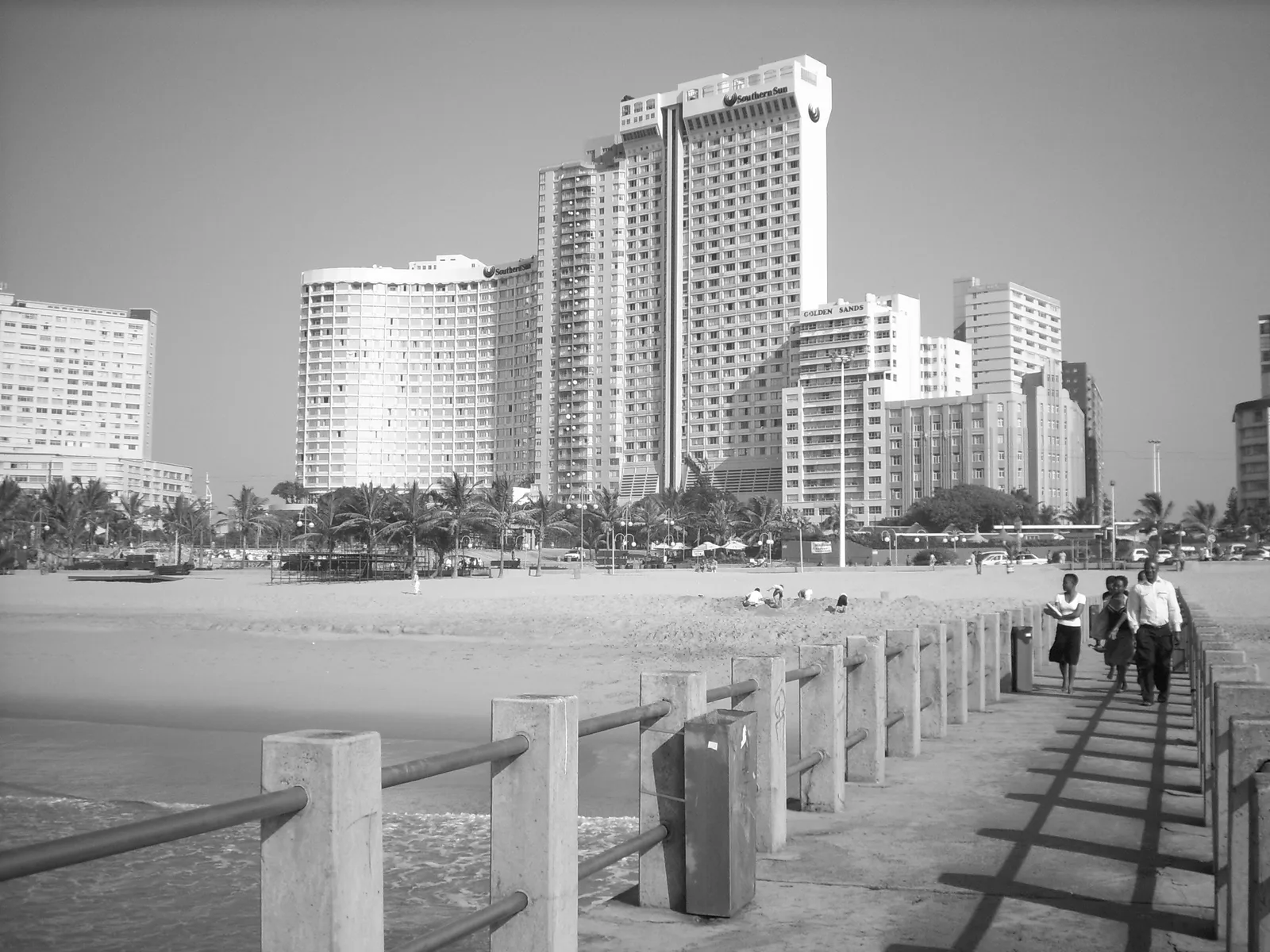
A coastal city with more than a beach itinerary
Durban is a place to combine an Indian Ocean waterfront with a substantial urban visit. The promenade, a working port, museums and food traditions offer very different experiences; choosing where to stay determines how easily you can move between them. A room overlooking the sea may simplify a morning walk but do little for a commute across the metropolitan area. Start with the journeys you want to make, rather than treating every Durban address as interchangeable.
The city lies in KwaZulu-Natal and forms part of eThekwini Municipality. Its central beachfront is only one part of the wider destination. Decide whether you want a city break with coastal time, a mainly beach-based holiday or a reconnaissance trip before moving. Those plans need different accommodation, transport and contingency budgets. VisaWand’s South Africa country guide provides the national context alongside this local planning guide.
For swimmers, current access matters as much as the weather. A photograph of a busy beach, an old water-quality result or a hotel’s description cannot establish conditions on your visit. Keep swimming flexible and make sure the rest of your itinerary still works if a beach is closed. Durban offers enough alternatives to avoid making the entire trip depend on one stretch of water.
Understand the city beyond its skyline
Durban’s history should not begin and end with colonial traders or a harbour photograph. A visit to KwaMuhle Museum helps explain how municipal controls shaped ordinary lives. Its exhibitions examine the Durban System, including revenue from municipal beer sales and its relationship to segregated housing, as well as forced removals and migrant workers’ experiences. Give those displays time rather than treating the museum simply as an architectural stop.
The museum’s own website lists free admission at 130 Bram Fischer Road, with weekday opening from 8:30am to 4pm and Saturday opening until 12:30pm. The municipal amenities page publishes slightly different starting and Saturday closing times. Confirm the applicable hours, particularly around holidays; both listings close the museum on Sundays and public holidays.
For a wider view, consider a separately planned Inanda Heritage Route visit. South African Tourism identifies the Phoenix Settlement, associated with Gandhi, and the Ohlange Institute, founded by John Dube, where Nelson Mandela voted in 1994. These are places with distinct histories and present-day uses. Arrange access and interpretation with an appropriate guide, and ask what is included before booking. Do not assume that several sites grouped under one route can all be visited without appointments or travel time between them.
Choose accommodation around your actual journeys
The Durban Tourism accommodation directory includes beachfront hotels, suburban guesthouses and self-catering options across the wider destination. Use those categories to build a shortlist, then compare exact addresses. An accommodation description can use “Durban” while placing you well away from the central beachfront or the places you intend to visit. A few nights near your main activities may be worth more than a larger room requiring repeated transfers.
For the Golden Mile, ask how you reach the promenade from the building, whether parking is included and which rooms face the sea. For a guesthouse, establish whether reception is staffed for your arrival and how you will return from dinner. For a self-catering apartment, ask about cleaning, linen, cooking equipment and any electricity allowance. Families should confirm bed arrangements, pool access and charges for children before comparing headline rates.
Keep the choice practical: a quiet bedroom, working cooling, reliable access and a suitable cancellation policy matter more than a long amenities list. If uninterrupted internet or electricity is essential, ask what backup provision actually supports. A generator serving reception does not establish that bedroom sockets, lifts and Wi-Fi remain available. Get the answer in writing before booking a longer stay.
Give uShaka the right day and ticket
uShaka Marine World’s rates and timetable separate Sea World from Wet ’n Wild and the aquarium-only option. The regular posted adult rate is R267 for Sea World or Wet ’n Wild separately, with a R399 combination ticket. Children’s and seniors’ rates differ, and under-threes enter free. Confirm the applicable age category and current price before buying; a short weekend promotion is not an enduring admission rate.
Sea World is listed daily from 9am to 5pm. Off-peak, Wet ’n Wild opens Wednesday–Sunday from 10am to 5pm and closes on Monday and Tuesday. Plan around the component you actually want. The operator sells ordinary tickets at its on-site ticket office and warns against unofficial online ticket sellers. Food hampers, braais and cooler boxes are prohibited inside the premises.
Check the operator’s current notices as well as the tariff. A notice dated 5 October 2026 reports a temporary Mamba Slide closure. For any particular ride, animal programme or additional activity, confirm availability and restrictions first. A general admission ticket should not be interpreted as a promise that every advertised experience operates that day.

Plan the airport transfer before landing
King Shaka International Airport is the air gateway to Durban. Compare the whole journey when booking: flight arrival, baggage collection, transport to your exact accommodation and the arrangements if the flight is delayed. A late arrival calls for a confirmed transfer and room access rather than an improvised search for the cheapest ride.
Airports Company South Africa’s ground-transport information identifies shuttle and accredited taxi services. Confirm the current meeting point directly with the provider or the airport information desk; older airport pages and notices describe pickup locations differently. A booking should specify whether the fare is per person or per vehicle, how much luggage it covers, whether other passengers are collected and what happens after a delayed flight.
For a rental car, compare the excess, deposit, kilometre allowance, child-seat availability and secure parking at the destination. Ask for a recommended route and check it before departure. If you are unfamiliar with driving locally or arrive tired, a prearranged transfer can make the first evening easier. Do not turn an estimated journey time into a tightly scheduled restaurant or activity reservation.
Eat with an eye on portion, price and place
Durban Tourism’s food information describes bunny chow as a hollowed-out loaf filled with curry, with fillings including meat or sugar beans. It is an accessible introduction to one part of the city’s food culture, but ask about the serving size and heat level before ordering. A bean filling does not itself establish that every ingredient or preparation method meets a particular dietary requirement.
Use menus to compare a complete meal: drinks, sides, service arrangements and transport back to your accommodation can change the total. Ask about allergens in sauces and shared cooking equipment. If seafood is priced by weight or selected from a display, agree the basis of the charge before it is prepared. For a longer stay, try an ordinary grocery shop as well as restaurants so you can evaluate your own household’s costs.
Shopping is easier with a purpose and a baggage limit. Compare materials and workmanship, ask where an item was made and check whether it can be transported without damage. A visitor directory is a useful source of areas and businesses to investigate; it does not replace checking an individual shop’s hours, stock or price. Leave time to return purchases to your room before another activity.
Read the map as a set of different bases
Central Durban, its beachfront and the wider coastal and inland suburbs should not be compressed into one walkable neighbourhood. List the attractions, workplace or campus you need, then compare each accommodation address against them. For a short leisure stay, reducing transfers may be more valuable than gaining extra space. For a move, the repeated weekday journey deserves priority over a view you will mainly enjoy at weekends.
Florida Road is a useful dining and café area to investigate: Durban Tourism describes daytime pavement cafés and evening bars and clubs. That activity makes the room’s position important if you are considering accommodation nearby. Ask about street noise, parking and the practical return from dinner. A lively restaurant street is not, by itself, evidence that every surrounding route is suitable for walking at night.
Compare a northern coastal alternative through VisaWand’s Umhlanga location page, checking the exact property and its relationship to your plans in central Durban. A location directory helps identify alternatives; it does not establish current transport times or accommodation quality. For any base, map the supermarket, pharmacy, vehicle pickup point and building entrance as carefully as the attraction you most want to see.
Use the promenade without assuming swimming access
The waterfront can provide a walk and a change of pace even when a swim is unsuitable. Before entering the sea, check the latest dated municipal water-quality information, local closure signs and lifeguard instructions. A test result relates to a sampling date and place. It cannot establish that all beaches, or even the same beach on a later day, meet the relevant conditions.
The independent laboratory Talbot’s dated water-testing updates provide a supplementary source of results. Check the sampling date and specific location, then consult current municipal notices and lifeguards for swimming permission. Older tourism pages may remain online long after conditions change. If you cannot obtain current information, keep the visit on land. Water quality and sea conditions are separate questions, and both matter.
The UK government’s South Africa safety guidance advises swimming between the red and yellow flags on staffed tourist beaches, reading warning signs and following lifeguards. It also warns against deserted beaches and isolated areas, particularly after dark. Arrange reliable transport for evening journeys, keep valuables discreet and choose a route with current local advice. A popular destination should still be approached with practical attention to conditions.
Add a garden visit and leave room to slow down
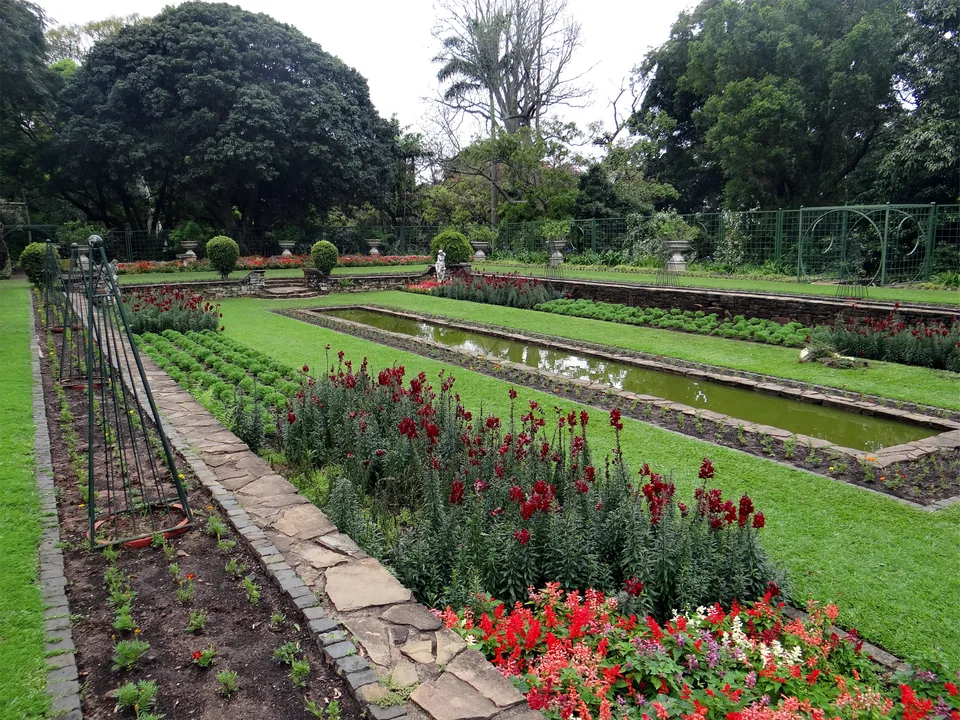
Durban Botanic Gardens provides a different focus from the waterfront. The official tourism listing identifies the gardens at 9A John Zikhali Road on the Berea and dates their establishment to 1849. Plant conservation and education are central to their role. Give yourself time to notice the collections and read labels rather than treating the grounds merely as a green backdrop for photographs.
Check current access, hours and any event arrangements before setting off. Older visitor material describes free ordinary admission, while municipal tariff material contains garden charges. Without confirmation of what applies to your visit, do not build a budget around either an assumed free entrance or a specific unverified fee. The tourism listing supplies the gardens’ contact information for that practical check.
For a relaxed half-day, combine one substantial visit with a meal and a comfortable transfer back, rather than adding a cross-city attraction just because it appears nearby on a small map. Ask about suitable paths if steps, slopes or walking distances could affect you. Special events can change the experience and access arrangements; an ordinary sightseeing plan should be checked against the calendar for your dates.
Match transport to the journey
The Muvo bus-timetable directory publishes People Mover and area bus timetables. Check the relevant route, direction and return service rather than assuming one beachfront bus covers the entire metropolitan area. Older descriptions give differing frequencies; use a current timetable or ask the transport information service before relying on a particular interval. A sightseeing bus tour is also a different product from an ordinary local bus.
For the first journey, confirm the stop with your accommodation and save the destination entrance. Consider how you will return if you finish later than expected or carry shopping. For a group, compare the complete vehicle fare with individual fares, including any final transfer. For a potential home, test the commute at the time you will actually travel; a Sunday drive is weak evidence for an ordinary working day.
If you drive, establish secure parking at both ends and ask about the recommended approach. For an intercity coach or flight, allow a margin for local traffic and check the actual departure point. Do not base a connection on a generic city-centre journey estimate. Keep a separate transfer allowance in the budget so that an inconvenient return does not force you into an unsuitable route.
Choose dates around heat, rain and your activities
The official Durban climate overview describes humid subtropical conditions: summers are hot and humid, while winters are generally milder and drier. That broad pattern is more useful than promising beach weather on a particular date. Check a local forecast close to departure and retain an indoor option for a day when conditions make an exposed outing uncomfortable.
For walking, leave the hotter part of a summer day for a break or an indoor visit, with water and sun protection for outdoor time. For winter, carry a layer for the evening rather than packing only for daytime warmth. Weather also affects how much of an attraction you can comfortably enjoy: a short shaded walk and a longer exposed promenade session are different undertakings.
Compare room availability and prices for your precise dates, especially if a major event or school holiday coincides with the trip. A nominally quieter season does not guarantee a quiet hotel or a cheap flight. If swimming is your priority, assess weather, water quality and lifeguard access together. If museums and heritage are the priority, organise the visit around opening days before choosing a flight purely on price.
A realistic three-day first visit
Use day one to get your bearings without a demanding transfer chain. Settle into the accommodation, identify the entrance and pickup point, then take an appropriate daytime waterfront walk. Swim only if current conditions and access permit. Keep dinner convenient, allowing for the time and cost of returning to your room.
On day two, give the local history museum a proper visit on a suitable opening day, followed by lunch and the gardens if access arrangements fit. This balances interpretation with a slower outdoor afternoon. If the museum is closed, switch days rather than substituting an unverified opening time. Leave a buffer so the visit can run longer if an exhibition interests you.
Choose day three according to your interests: uShaka with the correct operating day and ticket, or a prearranged heritage outing with an agreed route and access. Do not try to combine both into a full metropolitan circuit. Travellers considering relocation can instead spend that day on property viewings, a commute trial and ordinary errands. Keep departure-day plans close to your accommodation and avoid making a flight depend on an excursion returning exactly on time.
Check a home through household costs and services
For longer-term housing, compare the full monthly commitment: rent, deposit, utilities, internet, parking, security arrangements and travel. Obtain the lease and payment terms in writing, verify who is entitled to let the property, and inspect it before a substantial commitment. Ask whether the quoted amount is a holiday rate or a tenancy rate and whether furniture is included.
At the viewing, test hot water, cooling, ventilation, mobile reception and the equipment you will use daily. Ask how power or water interruptions are handled at that particular building. Confirm what backup systems support and how the cost is recovered. Record the condition of the property and meter readings at handover, and clarify responsibility for repairs and any pre-existing account balance.
eThekwini’s official eServices portal provides municipal statements, payment history, meter-reading submission and water and electricity consumption information for linked accounts. Establish with the landlord who holds and pays each account; access to an online portal does not itself create a tenancy entitlement or transfer liability. Families should also confirm school admission, healthcare arrangements and the actual journey to each service before signing. A household budget needs those repeated costs, not just a favourable rent figure.
Keep tourism, employment and residence distinct
Consult South Africa’s official visa guidance for your passport and purpose. Some nationalities are exempt from short-visit visa requirements; others must obtain the appropriate visa before travel. Do not assume a visa will be issued on arrival. Check the permission and dates recorded for your own entry rather than applying another traveller’s allowance to your case.
For full British citizen passport holders, the UK government’s entry guidance describes visits of up to ninety days without a visa for tourism or business and a passport valid at least thirty days beyond departure with two blank pages. It also flags requirements for children and yellow-fever certification for relevant travel histories. Its current guidance requires an online traveller declaration before travel from July 2026. Check the applicable official instructions close to departure.
An ordinary holiday admission should not be treated as permission to take a local job, begin a course or settle permanently. For foreign employment carried out remotely, South Africa’s mission guidance on the remote-work visa requires evidence including a signed foreign-employer contract and qualifying income; tax registration can also be relevant. Use the mission responsible for your place of residence for the applicable procedure. Local employment, study and family residence require their own category checks. VisaWand’s consultant listings can help you identify an adviser, while immigration decisions remain with the competent authorities.
Extend the visit inland or plan a campus-based stay
The Valley of a Thousand Hills visitor information offers an inland alternative to another coastal day, with landscape, outdoor activities and cultural visits across the wider area. Choose a particular destination and operator rather than booking an undefined “valley tour”. Ask about driving time, walking requirements, community participation and exactly which admissions are included. A cultural experience should be arranged respectfully through the people or organisation hosting it, with photography permissions agreed.
If you want a longer coastal stay, compare your central Durban base with Umhlanga before adding more nights. If you prefer an inland outing, leave adequate time for the return and avoid combining it with an airport deadline. These are alternative ways to use an additional day, rather than mandatory additions to the three-day itinerary.
Students face a different location decision. UKZN’s campus information distinguishes Howard College, Westville, the Medical School and other campuses; verify the actual teaching location for your programme before selecting housing. A property advertised near “the university” may not solve your journey. The university’s international-student office provides guidance after acceptance, including the relevant campus contact. Obtain current instructions for clearance, medical cover, fees and immigration documents from the institution itself. Admission to a course and permission to study are connected administrative steps, but one should not be assumed to substitute for the other.
Official planning resources
Reviewed 17 October 2026. Use the official resources linked throughout this guide for admission, transport, housing and immigration decisions. Prices, services and rules can change; confirm the details relevant to your dates. Photography illustrates the locations and is not a live view.
View all official resources
- KwaMuhle Museum official visitor information
- South African Tourism Inanda Heritage Route
- Durban Tourism accommodation directory
- uShaka official rates and operating times
- uShaka Marine World operational notices
- ACSA King Shaka ground transport
- Durban Tourism culinary information
- Florida Road visitor information
- Talbot independent water-testing updates
- Official South Africa safety guidance
- Durban Botanic Gardens official tourism listing
- Muvo official bus-timetable directory
- Official Durban geography and climate
- Official eThekwini municipal account services
- Official South African visa guidance
- Official South Africa entry guidance for British citizens
- South African mission remote-work visa guidance
- Valley of a Thousand Hills excursion information
- UKZN campus locations
- UKZN international applications and support
Plan the next part of your journey
Explore the South Africa guide, browse other cities or compare consultants for your travel and relocation questions.