Visa
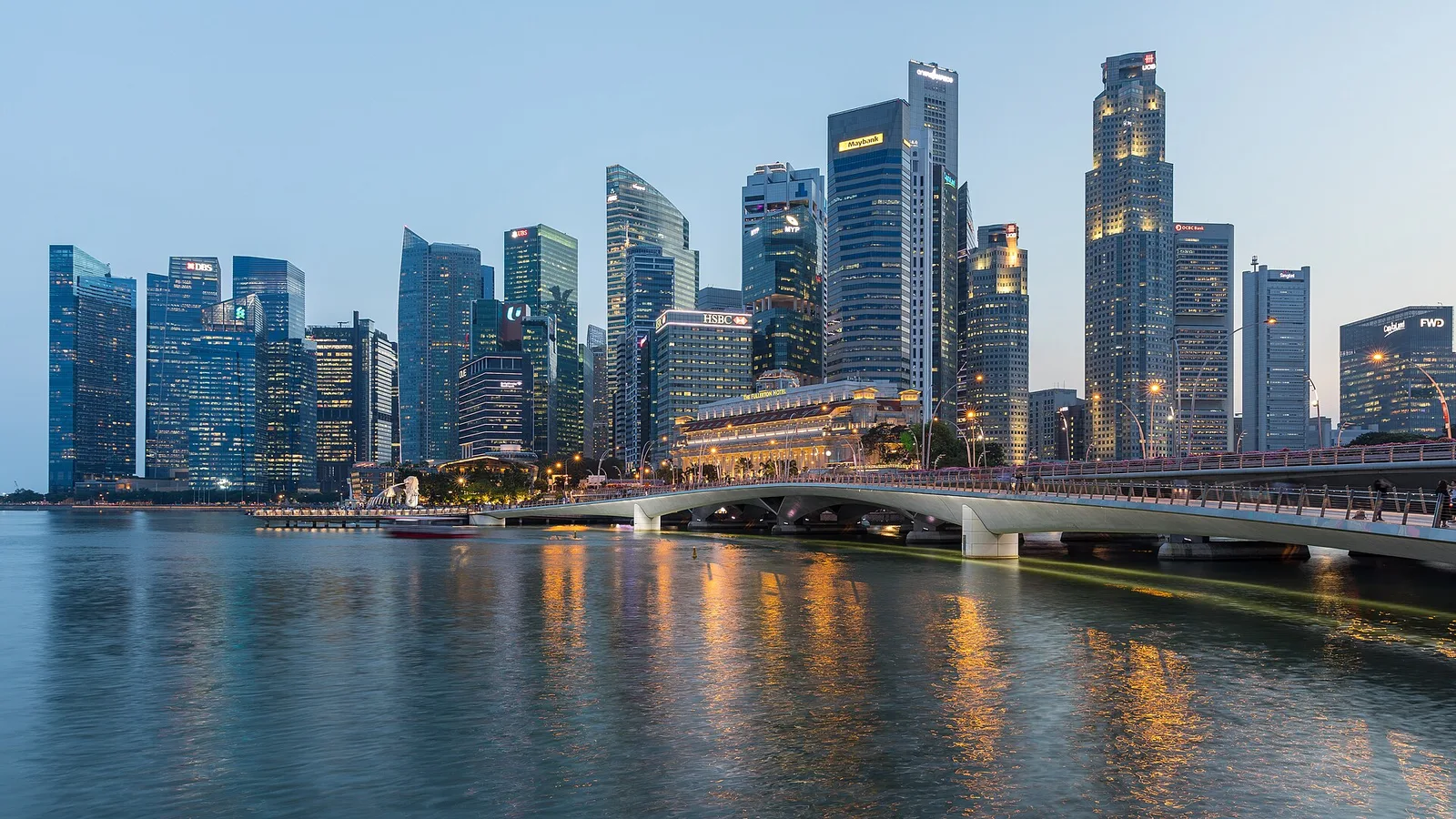
Singapore beyond a stopover
Singapore rewards a visit with time for both its designed landscapes and its older streets. Gardens by the Bay, the Botanic Gardens and the conserved historic districts offer quite different days; choosing between them is more useful than trying to fill every hour with a famous name. Food provides another way into the city, with individual dishes worth exploring alongside the buildings and gardens. A short stopover can accommodate a focused introduction, while several days allow for neighbourhood walks and an island excursion.
The Ministry of Foreign Affairs’ overview locates this Southeast Asian city-state off the southern tip of the Malay Peninsula and dates independence to 9 August 1965. Treat Singapore as a country as well as a city when planning onward travel and immigration. Its central visitor districts are only part of the place. For a potential move, the relevant map is the one connecting the proposed home, workplace, school and household services.
Explore the historic districts as distinct places
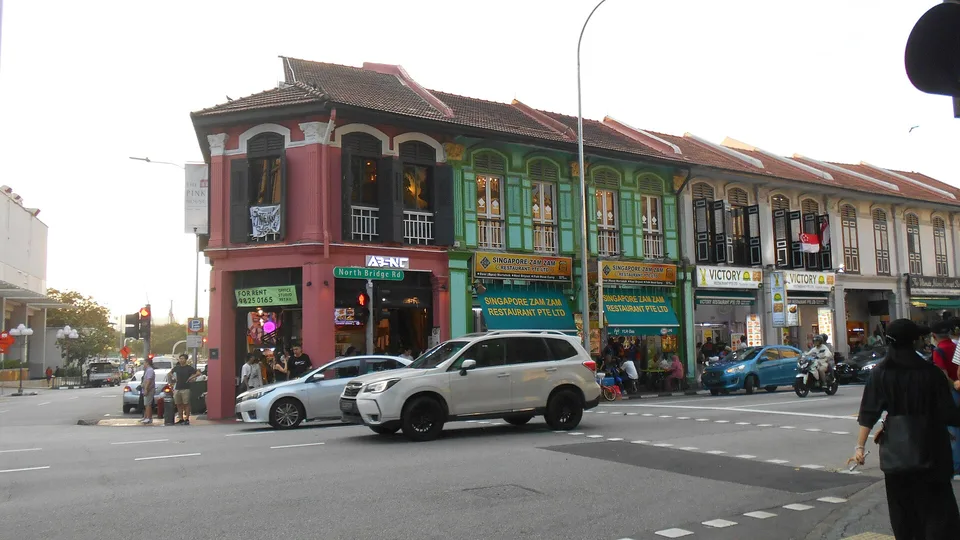
The Urban Redevelopment Authority’s historic-district overview identifies Boat Quay, Chinatown, Kampong Glam and Little India, with conserved shophouses spanning several architectural styles. Boat Quay developed around trading activity along the Singapore River. Chinatown lies south of the river and includes Kreta Ayer, Telok Ayer, Bukit Pasoh and Tanjong Pagar. Choose a particular walking area rather than assuming that one broad neighbourhood label describes every street.
Kampong Glam’s history includes its role as a Malay residential area; Sultan Mosque and Istana Kampong Gelam are national monuments within the district. Little India’s earlier activities included agriculture and cattle trading, and the authority describes much of its late-nineteenth- and early-twentieth-century fabric as largely intact. These histories give a walk more substance than a sequence of colourful shopfront photographs. Allow time to look at the buildings and choose the interiors you actually want to visit, checking their access arrangements separately. Religious and cultural places should be approached through their current visitor guidance, rather than treating every landmark as an attraction with unrestricted entry.
Add Asian art and river sculptures to a Civic District walk
The Asian Civilisations Museum visitor overview describes a collection concerned with Asia's artistic heritage and the ancestral cultures of Singaporeans. Objects connected with an Arab shipwreck, Christianity and Hinduism offer different approaches to the region's history. Choose it when you want an indoor cultural visit alongside the outdoor neighbourhoods and gardens, rather than expecting another account focused only on Singapore's independence.
Outside, the tourism board identifies the People of the River sculptures as an interpretation of nineteenth-century Singapore. A Great Emporium, in front of the museum, depicts the labourers associated with the city's development. These give a river-side walk a historical focus even when you do not include a museum admission.
Give Gardens by the Bay a defined place in the itinerary
Gardens by the Bay’s current hours page lists Flower Dome and Cloud Forest from 09:00 to 21:00, with last admission at 20:30 and 20:00 respectively. Both have scheduled maintenance closures, so check the calendar for the visit date before relying on the general daily hours. An evening opening gives flexibility, but the last-admission time is not a recommendation to leave the whole experience until the final hour.
The Flower Dome admission page distinguishes resident and non-resident products and several combinations of attractions. Compare what the selected ticket includes, including any special experience or shuttle, rather than using the lowest visible price as the cost of every visit. Resident eligibility extends beyond citizenship to specified people living in Singapore, and proof may be required. Establish the correct category for your circumstances before buying. Choose the attractions that interest you and leave enough time for the route between them; a bundled ticket need not become an obligation to rush through every included stop.
Make room for the Botanic Gardens without confusing admission products
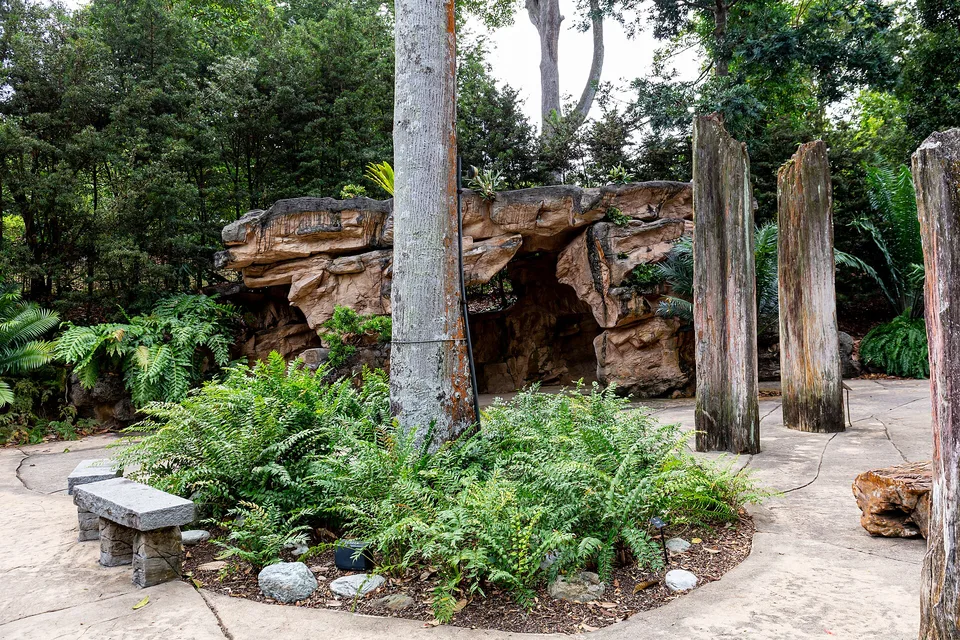
Singapore Botanic Gardens’ visitor information distinguishes free garden entry from the paid National Orchid Garden. The main gardens open from 05:00 to midnight; the orchid collection opens from 08:30 to 19:00, with last admission at 18:00. Its standard adult ticket is S$15, compared with S$5 for eligible local residents. Residency categories include specified pass holders, so use the official eligibility list and bring the required proof rather than assuming citizenship is the only test.
Choose an entrance to suit the walk. Napier station on the Thomson–East Coast Line serves the Tanglin entrance; Botanic Gardens station on the Circle and Downtown lines serves the Bukit Timah entrance. Arriving at one and leaving through the other can suit a longer walk, while returning to the same entrance may be more manageable with limited time. The orchid collection deserves time within the route if it is a priority. A free garden walk is also a complete option for travellers who would prefer to spend their attraction budget elsewhere.
Let meals introduce a different side of Singapore
The Singapore Tourism Board’s local-food overview offers a useful starting vocabulary. Chicken rice pairs poached chicken with aromatic rice and condiments; kaya toast brings coconut jam, often with coffee and a soft-boiled egg. Roti prata is a flaky flatbread served with curry. Laksa combines rice noodles with a coconut-based curry broth and toppings that can include shrimp, fish cake, tofu puffs and cockles. These are descriptions of dishes, not promises that every stall prepares them identically.
Make a few meals part of the day’s route rather than crossing the city for every recommendation. A breakfast, a noodle lunch and a shared dinner provide different experiences without turning the visit into a checklist. At the counter, establish the portion, toppings and total price; for seafood sold by weight, ask how the final charge is calculated before ordering. Discuss allergies and dietary requirements directly with the seller, including stock, sauces and shared preparation. A dish name alone is insufficient to establish that a meal is vegetarian, halal or free of an allergen. Leave room in the budget for drinks and the occasional longer sit-down meal as well as individual dishes.
Shop with a purpose on Orchard Road
The tourism board’s Orchard Road overview describes a retail and lifestyle district spanning areas including Tanglin, Somerset and Dhoby Ghaut. Design Orchard provides a starting point for exploring local design, while Emerald Hill offers a heritage pocket within the wider district. Decide whether the outing is for a particular purchase, browsing or time away from the outdoor heat before allocating a whole day to it.
For purchases, compare the final price, warranty territory and return conditions. A product that is convenient to buy while travelling may be less convenient to repair at home. Leave space and weight in the luggage budget before paying for bulky items.
Choose a base for the actual stay
Start with the experiences you most want, the airport arrival and the evening journeys. Compare candidate properties with those routes before making price the deciding factor. A stay focused on historic districts has different priorities from one built around a particular attraction or a workplace scouting visit. Check the station entrance and final walk, not simply whether an advertisement says the property is near the MRT.
Compare the room category, occupancy, lift access and complete booking quote, including cancellation terms. For a longer stay, establish what cooking and laundry facilities are supplied. Temporary accommodation can give prospective residents time to investigate a home and commute before committing to the residential routine.
Check the accommodation category before booking a short stay
URA’s private residential rental rules require a minimum stay of three consecutive months and prohibit daily or weekly rentals in those properties. A condominium or private apartment advertised on a booking platform should therefore not be assumed suitable for a short holiday. Establish the approved accommodation category before paying, rather than relying on a listing’s description of the room or its furnishings.
The authority's short-term accommodation guidance identifies hotels with no minimum stay and ordinary serviced apartments with a seven-day minimum. Confirm the approved category of the property you intend to book; a private apartment is not automatically licensed visitor accommodation because it has furnishings and a nightly price. For a residential move, keep HDB arrangements separate from private-housing rules. Record the contract period, charges, deposit, inventory and departure terms together, and establish which rules apply to the occupants and intended stay.
Match the airport connection to the arrival time
Changi Airport’s transport guidance describes two rail approaches towards the city: changing at Tanah Merah onto the East West Line, or at Expo onto the Downtown Line. Match the connection to the accommodation address and the final walk. Include time to clear immigration, collect baggage and reach the station rather than treating the train journey as the whole arrival process.
The airport warns that most public bus and MRT services do not operate throughout the night. Check the intended connection for the flight’s arrival time; taxis and private-hire cars remain available around the clock from the terminals. For those options, confirm the meeting point and current fare arrangements rather than treating an estimated journey time or a general price range as a fixed quote. The airport also notes administrative fees when foreign-issued bank cards are used for public transport. Compare the payment method’s conditions before using it, particularly when pricing several days of travel.
Use one payment method consistently through a journey
SimplyGo’s contactless-card guidance says to tap in and out with the same card and the same payment mode. A physical card and a mobile wallet containing that card should not be mixed within a journey, since the system may treat them as separate transactions. Take the intended card out of the wallet so the reader does not detect several cards at once.
For foreign-issued Mastercard and Visa contactless cards, the operator specifies an administrative charge of S$0.60 per day of use, alongside any charges imposed by the issuing bank. Confirm overseas-use settings and the bank’s conditions before relying on that option. Contactless bank-card use does not provide concession fares or concession passes. Compare the appropriate product for each traveller rather than assuming that an ordinary adult payment method gives a child or student the same entitlement as a dedicated concession product.
Price the trip you intend to take
Build the visitor budget from the actual room quote, airport journeys, daily transport, selected attraction tickets and meals. Keep an allowance for late-night transport when the planned rail connection is unavailable. Compare paid gardens and bundled products separately from free outdoor visits, and include foreign-card charges where they apply. Accommodation and restaurant prices vary too much for an undated city-wide daily total to be a dependable quote.
For a prospective move, make a separate monthly calculation. Rent, utility consumption, communications, commuting, groceries, healthcare arrangements and any schooling costs need their own figures. Keep refundable deposits and initial purchases distinct from recurring expenses so the cash needed on arrival is visible.
Plan for tropical weather throughout the year
Singapore has no cool-weather sightseeing season. The Meteorological Service’s climate record describes high temperatures, humidity and substantial rainfall throughout the year. Typical daily temperatures range from overnight lows of about 23–25°C to daytime highs of roughly 31–33°C. These are climate patterns, not a forecast for a particular trip. An itinerary with several consecutive outdoor walks can be demanding even when distances look modest on the map.
Rainfall is generally higher from November to January, while February is the driest month in the long-term record. February still receives rain: choosing it does not remove the need for shelter or flexibility. Afternoon and early-evening thunderstorms are characteristic of the inter-monsoon periods, and the Southwest Monsoon can bring squalls as well as showers. Build an indoor alternative into each day rather than booking every available hour outdoors. Carry water and rain protection, leave time to cool down, and consult current weather warnings before exposed activities. For a first visit, the best date is one that fits the experiences you want and your tolerance for heat; there is no month that turns Singapore into a temperate city.
Three days with a different emphasis each day
On the first day, choose one of the historic districts for a morning walk and lunch. Chinatown gives several smaller areas to explore; Kampong Glam or Little India can serve as an alternative according to your interests. Keep the afternoon flexible after the flight, rather than promising yourself all three districts immediately.
Use the second day for Gardens by the Bay, selecting the paid attractions you actually want and checking their closure calendar. Reserve enough time for the visit rather than making it a brief stop between unrelated bookings. An evening slot may fit the plan, provided you respect the individual last-admission times.
For the third day, choose between the Botanic Gardens with Orchard Road, or a dedicated Pulau Ubin outing. The first combination suits a garden walk followed by shopping and an indoor break. The island option needs an earlier departure and an unhurried return. These are alternative days, not two halves that must be joined. For a longer stay, repeat a neighbourhood at a different time or add experiences based on your interests instead of extending the checklist automatically.
Give Pulau Ubin a day with a flexible return
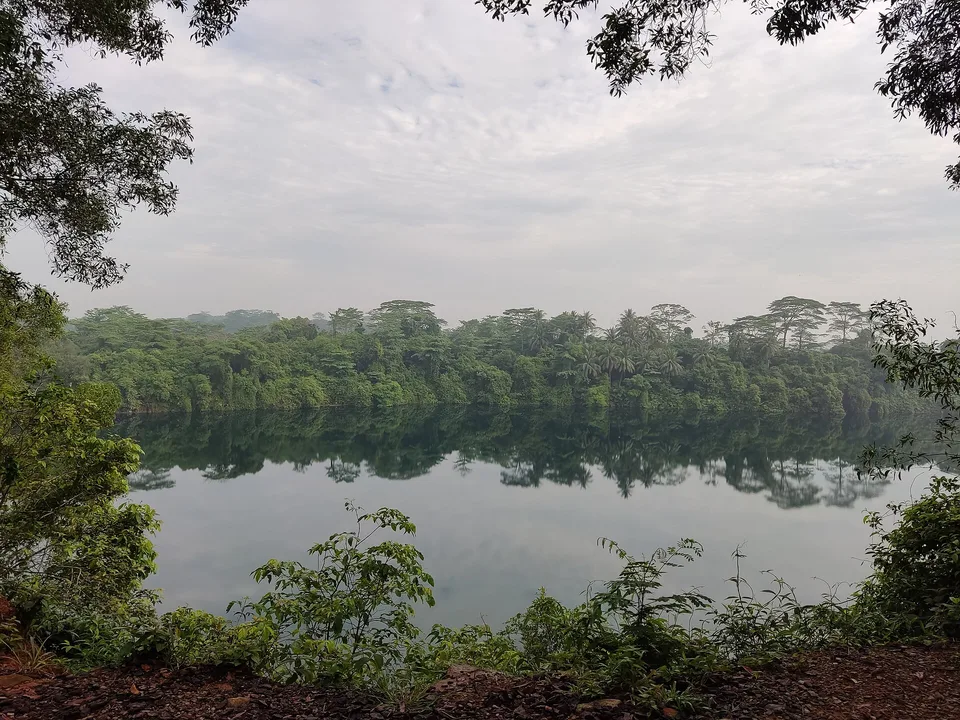
NParks’ Pulau Ubin visitor guidance places the island off mainland Singapore’s northeastern corner. Granite quarrying and agriculture shaped its earlier landscape; abandoned quarries and regenerated vegetation offer a different setting from the central districts. It is an option for travellers who want an island outing and time outdoors, rather than another ticketed urban attraction.
The departure point is Changi Point Ferry Terminal beside Changi Village. Privately operated bumboats usually run on demand between 06:00 and 19:00, departing with 12 passengers. NParks describes a typical ten-minute crossing at S$4 per person each way, with an additional S$2 for a bicycle. Departures with fewer passengers or outside those hours can cost more by private arrangement. Confirm the fare before leaving and allow for waiting; this is not a timed ferry connection to build tightly around a flight.
On the island, designated trails can be explored on foot, by bicycle or using local van services. Choose the method that suits your fitness and the conditions, and leave sufficient time to return to the jetty. The island excursion deserves its own plan, including water, weather protection and a realistic return margin. It need not be squeezed into a central-city sightseeing day.
Arrange the household before moving day
SP Group’s residential utilities guide asks applicants to prepare identification and proof of ownership or tenancy. A turn-on appointment may be necessary, with a week's lead time advised; some arrangements, including an uninterrupted account transfer, differ. Gas activation is handled separately by City Energy. Establish who holds the account and what the rent includes before assuming the home will be ready when the keys are handed over.
During a viewing, assess ventilation, appliances, storage and laundry arrangements as well as the room dimensions. Test the proposed commute at the time you expect to make it, including the last walk. Locate routine food shopping and the healthcare services your household needs, and confirm insurance coverage and billing arrangements directly. These checks turn a residential address into a workable routine.
Complete the arrival declaration separately from visa checks
Singapore’s Immigration and Checkpoints Authority requires the SG Arrival Card within three days before arrival, including the arrival day, for travellers covered by the requirement. Submission through the official service is free. Exceptions include travellers transferring without immigration clearance and specified residents entering through the land checkpoints. Check which arrangement applies to your journey rather than assuming that an airport transfer and a visit into the city have identical requirements.
ICA expressly states that the arrival card is not a visa. Establish your visa and entry requirements separately before making commitments that depend on admission. Use the official service and retain the acknowledgement, keeping the declared travel details accurate. A completed declaration does not establish permission for employment, study or permanent residence; those purposes require their own assessment through the relevant official route.
Read the permitted stay rather than the visa expiry
ICA’s entry-visa guidance determines whether a visa is required by the travel document held. Its country and document-specific pages are the appropriate starting point; a general city article cannot establish an individual traveller’s entitlement. An entry visa allows its holder to travel to Singapore and seek entry. It does not guarantee admission, and its validity period does not define how long the visitor may remain.
The permitted stay is recorded in the electronic Visit Pass issued at entry. Read that notification and its final permitted date, retaining access to the email address used for the arrival declaration. A longer trip requires attention to the relevant extension process rather than counting forward from the visa’s expiry. Do the document check before paying for arrangements that depend on entry, especially where the itinerary includes leaving Singapore and returning. Keep the visa, arrival declaration and permission to stay as three separate checks: each answers a different question.
Separate a holiday from a proposed job
An employer discussing a role is not the same as an approved work arrangement. The Ministry of Manpower’s Employment Pass criteria use two stages: an age-adjusted qualifying salary and, unless exempt, the points-based COMPASS assessment. As of October 2026, the minimum for candidates aged 23 or below is S$5,600 monthly outside financial services and S$6,200 in financial services. Older candidates face progressively higher thresholds. A salary above the youngest-candidate minimum therefore does not establish eligibility for every applicant.
The ministry has announced higher salary requirements for new applications from January 2027 and renewals of passes expiring from January 2028. Have the employer assess the correct table and complete requirements before budgeting a move. Keep an exploratory visit separate from starting employment, and connect the planned arrival and housing commitment with the approved work arrangements.
Permanent residence is a separate application and assessment. Existing work permission does not guarantee it. Read ICA's eligibility categories and household obligations, including National Service considerations where relevant, before making a permanent plan.
Keep study plans separate from visitor arrangements
ICA’s Student’s Pass guidance says that an accepted foreign student pursuing full-time studies generally needs a Student’s Pass, subject to specified existing-pass exemptions. Procedures depend on the type of institution. Approved full-time courses are the relevant basis; part-time, evening and weekend courses are not eligible for this route. Limited short-course exemptions have several conditions and should not be treated as a general permission to undertake a longer programme on visitor status.
Contact the institution about the correct process before choosing accommodation around its campus. Compare the timetable and actual journey with the proposed home, allowing for transfers and the final walk. Include tuition, required materials, housing and health arrangements in the budget, and establish which payments become non-refundable before an immigration decision. Admission to a course and the permission needed to remain in Singapore should be resolved together. If a household is moving with the student, assess each accompanying person’s position separately rather than assuming that the student’s approval covers the entire family.
Official planning resources
Reviewed 14 October 2026. Use the official resources linked throughout this guide for admission, transport, housing and immigration decisions. Prices, services and rules can change; confirm the details relevant to your dates. Photography illustrates the locations and is not a live view.
View all official resources
- MFA geographical and historical overview
- Singapore Tourism Board Orchard Road overview
- SP Group residential utilities guide
- ICA permanent-residence eligibility and obligations
- Singapore Tourism Board local dishes
- NParks Pulau Ubin visits and transport
- ICA Student’s Pass routes
- Meteorological Service Singapore climate record
- MOM Employment Pass eligibility
- ICA entry visas and electronic Visit Pass
- URA private residential rental rules
- URA short-stay accommodation guidance
- Gardens by the Bay hours and closures
- Flower Dome admission products and eligibility
- Singapore Botanic Gardens visitor information
- SimplyGo contactless payment guidance
- URA historic districts
- Changi Airport onward transport
- ICA SG Arrival Card requirements
- Singapore Tourism Board: Asian Civilisations Museum collection and river sculptures
Plan the next part of your journey
Explore the Singapore guide, browse other cities or compare consultants for your travel and relocation questions.