Visa
Victoria beyond the beach holiday
Victoria gives a Seychelles trip something the resort brochure cannot: a working capital with shops, public services, museums and a harbour woven into everyday island life. On Mahé, it makes a useful cultural stop between coastal stays, and a practical starting point for anyone investigating a longer move. Come for a compact urban visit rather than expecting a metropolis with a week of major monuments.
The first decision is where to sleep. Staying near the centre puts appointments and daytime sightseeing within easier reach; choosing the coast gives beach time priority. Tourism Seychelles’s overview of the islands identifies Beau Vallon, northwest of Victoria, as an important concentration of hotels, self-catering accommodation, restaurants and nightlife. Treat those as different bases with different journeys, rather than interchangeable addresses.
Allow a full day for the capital if your holiday is short. With two or three days, you can add gardens, a coastal afternoon and a weather-dependent excursion without turning every transfer into a deadline. For a prospective resident, spend that extra time testing ordinary errands and the commute you would actually make.
For a first visit, resist adding a second island merely because the map makes it look close. Transfer days consume useful time, and Victoria rewards a schedule that leaves room for conversations, a slow lunch and the practical business of arriving.
Finding your way around the capital
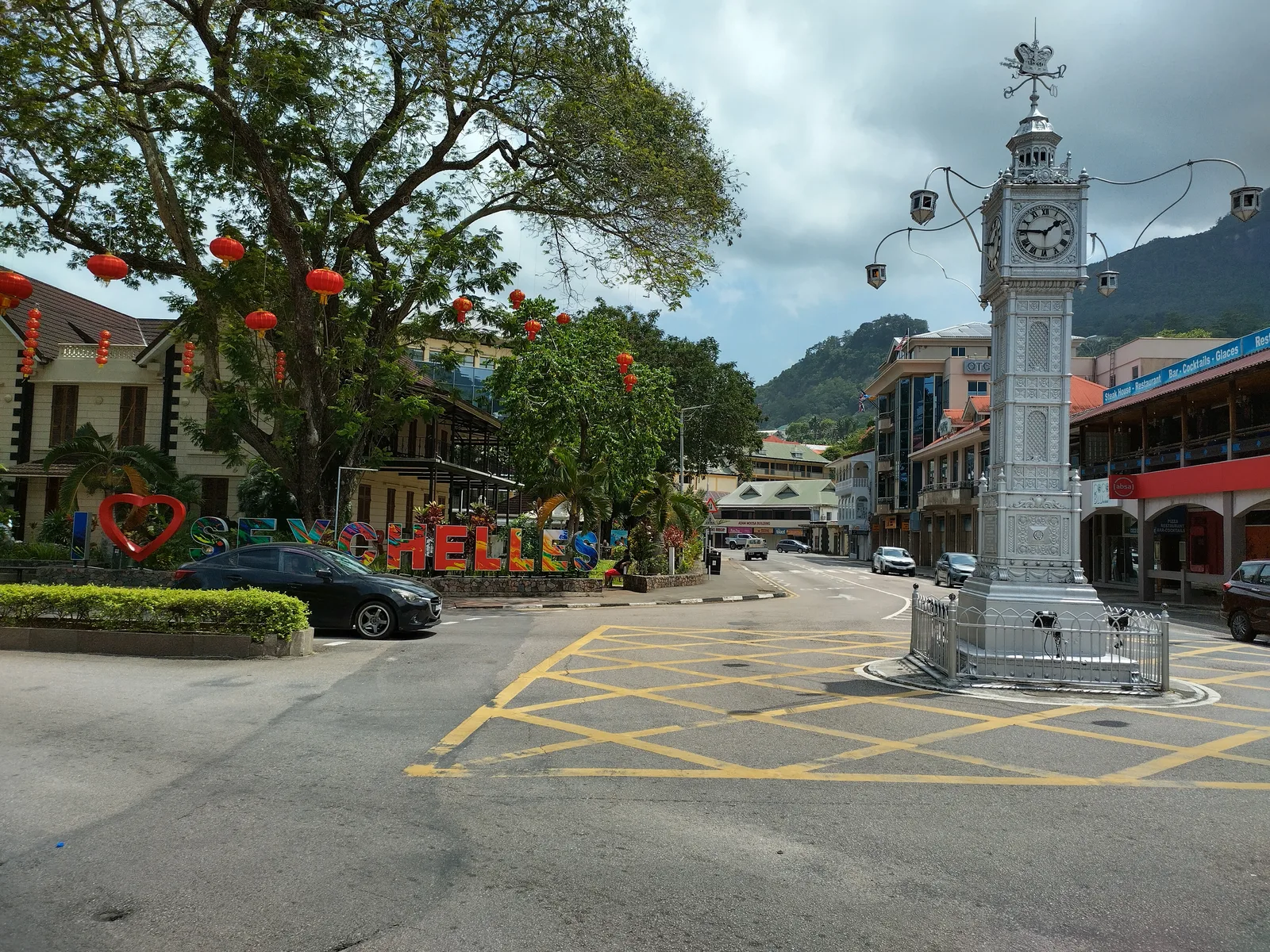
Use the official Mahé and Victoria map to orient yourself before booking. Victoria occupies Mahé’s northeastern side. Independence Avenue and the clock tower help anchor the central streets; the bus terminal and Market Street serve different practical purposes, while Mont Fleuri and its botanical garden lie to the south. A map pin labelled Victoria can cover a much broader search area than the central walking circuit.
Choose a route with a definite beginning and end, such as a central meeting point followed by a museum enquiry and lunch. Keep a separate plan for the garden instead of assuming every attraction sits around the same junction. If someone in your party has limited mobility, confirm entrance access, steps and the exact drop-off point directly with each venue.
For accommodation, ask for the street name and location pin, then compare that address with your intended destinations. An attractive hillside photograph says little about the effort of returning on foot. A modest room with a workable daily journey may suit a city visit better than a more elaborate property requiring repeated transfers.
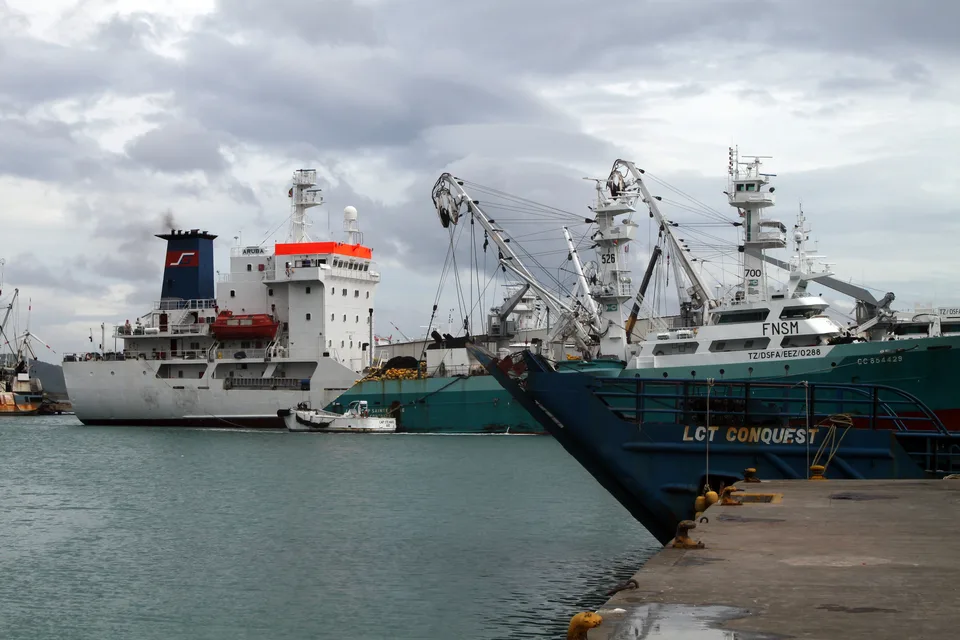
If you have a ferry booking, distinguish the passenger departure point from the wider commercial harbour. Show your booking to the driver and confirm the terminal, reporting time and collection arrangements. “The port” is not a sufficiently precise instruction.
The clock tower and the history behind it
Victoria’s clock tower, known as Lorloz, is a small monument with a substantial place in the city’s identity. The State House account of its 2026 restoration records that it was erected in 1903 in memory of Queen Victoria and reproduces a clock installed near London’s Victoria Station in 1897. Calling it simply a miniature Big Ben misses that more specific connection. The restored landmark was unveiled during the country’s fiftieth independence-anniversary celebrations in June 2026.
Use the tower as a starting point, then give the surrounding city more attention than a quick photograph allows. Colonial monuments are one strand of Seychelles’s story. The National Museums’ account of slavery describes the emancipation of enslaved people in 1835, an essential context for understanding the Creole society that followed. This history deserves space alongside the familiar images of palms and beaches.
There is no need to turn a central walk into a checklist of every religious or administrative building. Follow public access signs, keep entrances clear and ask before photographing people closely. The most useful visit combines a few well-understood places with time to notice how the capital functions today.
Markets and museums: check the current arrangements
The historic Sir Selwyn Selwyn-Clarke Market needs an important qualification. Tourism Seychelles announced its closure for renovation from March 2025, with trading relocating to the former STC Supermarket in Victoria. A reliable reopening confirmation was not established for this guide. Before setting out, ask the visitor-information service or your accommodation where vendors are currently operating; an old photograph or saved map marker is insufficient evidence.
That does not make market shopping irrelevant. It changes the question from finding the famous building to finding the active trading venue. Take a manageable bag, establish prices before purchasing and choose quantities that you can use during your stay. Seek permission for portraits, particularly where someone is busy serving customers.
The National Museums’ contact page lists the National Museum of History on Independence Avenue and the Natural History Museum separately, next to the post office. They are distinct institutions. Confirm exhibitions, admission and opening arrangements directly rather than assuming that one museum’s hours apply to both. For the history museum, the listed telephone is +248 4225404. Keep a museum visit flexible until you have that confirmation.
Mont Fleuri’s botanical garden
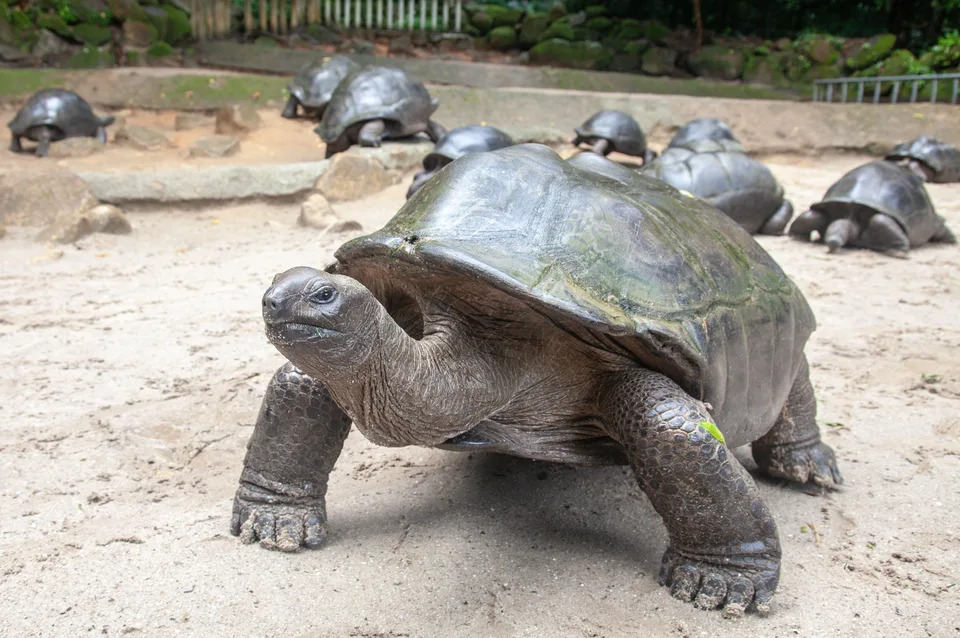
The National Botanical Garden offers a different pace close to the capital. Established in 1901, it combines endemic and ornamental plants, palms, coco-de-mer specimens and giant tortoises. Its setting in Mont Fleuri makes it a worthwhile addition for visitors who want nature without arranging a full mountain excursion.
The managing authority lists SCR 250 admission for non-citizens. Its official pages differ slightly on the closing description: the garden page gives 8am–4.30pm, while general visitor information gives a 5pm close with last visitors at 4.30pm. Arrive well before 4.30pm and confirm the day’s arrangements. A late arrival is poor value if you want to explore at an unhurried pace.
Bring drinking water, comfortable footwear and a plan for showers. Let plant labels guide your attention, and follow staff instructions around the tortoises. A garden visit works particularly well when the alternative is squeezing in another transfer solely to fill an afternoon. For families, allow time to stop and observe rather than rushing between the most photographed specimens.
Where to stay: city convenience or coastal space
For a stay focused on Victoria, compare smaller hotels and apartments using their actual addresses. Hilltop Boutique Hotel lists studios and one- and two-bedroom apartments on Serret Road in St Louis. These accommodation types are useful examples to compare, not a claim that a particular room will be available or suitable for every traveller. Clarify cooking facilities, parking, arrival arrangements and access before paying.
For a beach-led holiday, STORY Seychelles sits at Beau Vallon and offers suites, villas, restaurants and resort facilities. Its own estimated drive from Victoria is around fifteen minutes; traffic and your exact departure point can change that. Compare a resort’s complete meal and transfer bill with an apartment’s shopping and transport costs rather than comparing room prices alone.
If your stay includes official appointments, consider splitting your accommodation only when the saved journeys justify packing and checking in again. Otherwise, choose one base and organise visits into sensible clusters. Ask whether late checkout, luggage storage and cancellation flexibility are available, especially when a ferry connection or international flight determines your final day.
A useful enquiry is specific: ask whether the named room has air conditioning, whether breakfast is available before your departure, and whether the property can accommodate your luggage. Written answers are easier to compare than broad descriptions such as convenient or central.
Beau Vallon and the limits of a beach day
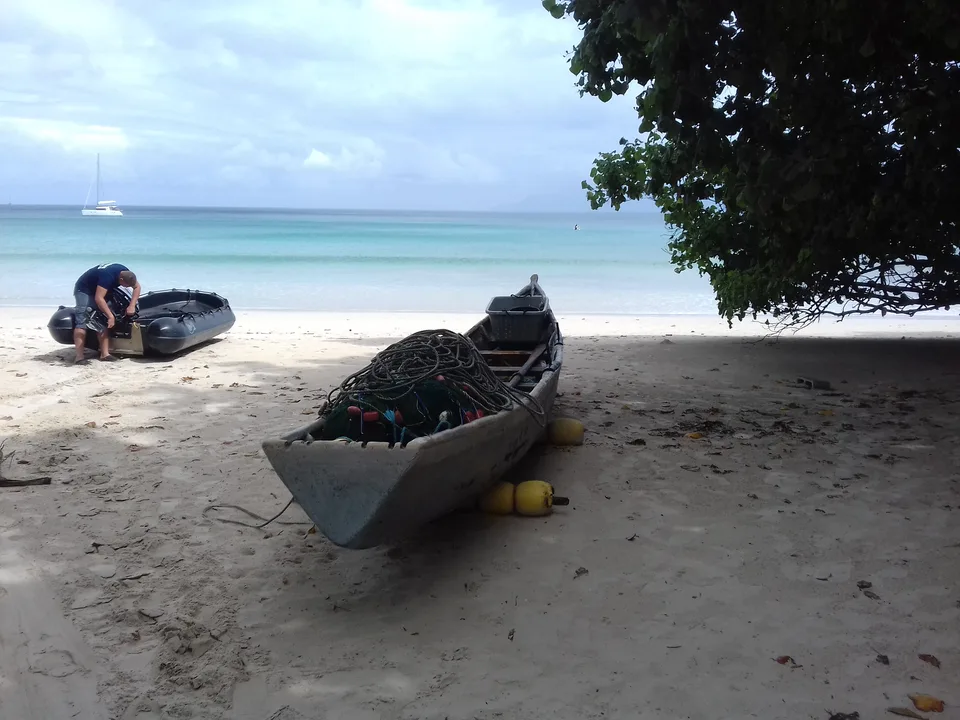
Beau Vallon supplies the coastal counterpart to Victoria’s streets and harbour. You can make it a separate afternoon rather than treating a beach visit as something to squeeze between appointments. Decide in advance whether you want a meal, a walk or time in the water; that helps determine how much equipment and return-transport planning you need.
A popular beach is not automatically safe for swimming. The UK government’s Seychelles safety advice specifically warns that Beau Vallon can develop dangerous rip currents when the sea is rough. Conditions vary with the season and the day, and lifeguard coverage is limited. Read local notices and ask about the immediate conditions before entering. If advice is uncertain, keep the visit on shore.
For a mixed city-and-beach stay, it is sensible to leave a coastal afternoon movable. A clear morning is an opportunity, not a guarantee that the sea will remain suitable later. Keep valuables with someone in your group or leave unnecessary items secured at your accommodation. Do not leave bags unattended while everyone swims.
Arriving, using buses and arranging transfers
The airport’s official transport information confirms taxis outside the arrivals terminal, rental-car services and public buses outside the airport. Obtain a written transfer quote for your exact address, passenger count, luggage and arrival time. A verified universal airport-to-Victoria taxi fare was not established here, so budget from a current quotation rather than an old online figure.
For subsequent journeys, SPTC’s visitor travel cards offer unlimited standard-bus travel on Mahé and Praslin: SCR 100 for one day, SCR 198 for four consecutive days and SCR 363 for eight consecutive days. Each passenger needs a separate card. Cards cannot be reloaded after their validity ends. The operator identifies the airport Information Desk for collection between 6am and 6pm and advises clarification for late arrivals.
Before relying on a bus after landing, confirm luggage acceptance, the appropriate stop and your card arrangements. Read the current timetable for the return journey as carefully as the outward one. For a late flight, a pre-arranged transfer may be the more workable choice even if you plan to use buses throughout the rest of your visit.
Food, shopping and a budget you can use
Seychellois Creole cooking reflects African, French, British, Indian and Chinese influences, as the official food-and-drink overview explains. Explore menus with an interest in local cooking, but ask about ingredients rather than guessing from a dish’s name. This matters for allergies, vegetarian diets and travellers who need to avoid particular seafood or meat.
Build your spending plan around four items: accommodation, food, transport and activities. Separate fixed commitments from optional purchases. For an apartment, include breakfast ingredients, drinking water, cooking essentials and the cost of reaching a shop. For a resort, establish exactly which meals and drinks your booking includes. A quoted nightly rate tells only part of the story.
Use the Central Bank of Seychelles for currency information and compare the exchange rate actually offered by your bank or authorised dealer. Keep figures in Seychelles rupees, abbreviated SCR, when comparing local costs. Ask whether a payment is being taken in rupees or another currency before approving it. Keep receipts for deposits, excursions and significant purchases, and avoid committing all your available funds to non-refundable bookings.
For a simple comparison, two adults buying four-day bus passes would spend SCR 396 on those passes. Add the garden’s published admission separately if both are paying non-citizens. Neither figure includes food, lodging, airport transfers or other activities; label such calculations clearly instead of presenting them as an all-inclusive daily budget.
For souvenirs, ask where an item was made and whether it needs special packing. Check destination customs rules before buying plant material or animal products; an attractive market purchase is less useful if you cannot legally take it home.
Accommodation levies and practical activity costs
The tourism levy rules changed on 1 January 2026. Establishments with 1–24 rooms no longer collect the Tourism Environmental Sustainability Levy. Medium establishments with 25–50 rooms charge SCR 75 per person per night, while large establishments with more than fifty rooms charge SCR 100. Yachts and island resorts also fall within the SCR 100 category. Ask your provider which classification and any individual exemptions apply to your booking.
As an illustration, two eligible guests spending five nights in the medium category would incur SCR 750 in this levy. This calculation is separate from the room price and any other charges. An old guide adding SCR 25 per night to every small guesthouse stay would now give the wrong result.
Price excursions by inclusion rather than headline cost. SPGA’s visitor information lists SCR 200 entry to the Ste Anne marine park for non-residents above twelve, but that is not a complete boat excursion. Ask whether park admission, transfers, equipment, meals and any island landing charges are included. Put the answers beside the cancellation terms before choosing an operator.
Weather, seasons and choosing your dates
The Seychelles Meteorological Authority’s monthly climate guide is more useful than a promise of uninterrupted sunshine. January sits at the peak of the rainy season. April is a transition month with lighter winds but potentially uncomfortable heat. The southeast trades strengthen through the middle of the year, bringing cooler conditions and sometimes rough seas; October generally sees winds weakening again.
These patterns help you choose priorities, not predict a particular afternoon. A traveller focused on walking and museums can use a rainy interval differently from someone booking several boat trips. For the latter, sea conditions and flexible cancellation arrangements deserve as much attention as the hotel’s advertised facilities.
Check the current official forecast shortly before excursions. Keep a dry bag or protective cover for documents and electronics, and carry sun protection even when the sky is cloudy. For walking days, begin with the most exposed part of your plan and keep an indoor alternative available. If a guide or operator cancels because of conditions, reorganise the day rather than shopping around for someone willing to ignore the same weather.
Keep the forecast open while making the final choice. A calmer day can be reserved for a boat trip and a wetter interval for the capital, subject to confirmed museum access. This flexibility matters more than following a particular day number.
A realistic three-day plan
On day one, concentrate on central Victoria. Begin around the clock tower, check the current market venue and arrange a museum visit if opening has been confirmed. Leave time for lunch and ordinary shopping. This is deliberately a compact day: it allows you to understand the centre without repeatedly returning from opposite sides of Mahé.
On day two, visit the botanical garden with enough time to explore comfortably, then choose a coastal afternoon if conditions suit. If you are investigating relocation, replace some leisure time with a housing viewing or a journey to a prospective workplace. An itinerary should answer your own questions about the place rather than simply accumulate photographs.
On day three, consider the Ste Anne Marine National Park, which SPGA describes as a boat-accessed protected area near Victoria. Its islands do not all offer unrestricted access, so establish the actual route and permitted landings. Alternatively, choose a guided inland outing appropriate to your fitness. Keep a substantial margin before an onward flight; this suggested sequence assumes you are not trying to combine a weather-sensitive excursion with a tight departure.
Moving to Victoria: test the household routine
Before committing to housing, distinguish a holiday apartment from a residential lease. Request the total monthly rent, deposit, notice period, inventory and repair responsibilities in writing. Inspect ventilation, storage, drainage, cooking facilities and the route from the nearest usable transport stop. Visit at the time you would normally commute. No reliable current citywide rent median was established for this guide.
Clarify who holds the utility accounts and whether bills are included. The Public Utilities Corporation’s household FAQs cover payment channels and explain how appliance use, particularly air conditioning, can affect electricity bills. Ask to see recent bills for the actual property where possible. Test water pressure and ask how faults are reported rather than accepting a general assurance about the neighbourhood.
For connectivity, compare Cable & Wireless services against your address and household needs, then test reception inside the property. Families should confirm school admission, fees, transport and term dates directly before signing a lease. Make a short list of grocery, pharmacy, banking and waste arrangements. A sea view is enjoyable; a functioning weekday routine is what determines whether the move works.
Healthcare, personal safety and daily preparation
The UK government’s health guidance identifies the main hospital at Mont Fleuri in Victoria, with an emergency department, alongside local health centres and private clinics. Tourists must pay for treatment, and overseas residents may also pay for some care, including medication. Arrange insurance appropriate to your activities and any existing condition, with medical evacuation cover where needed. The emergency ambulance number is 999.
Before moving, identify how you would obtain regular prescriptions and specialist follow-up. Bring medical documentation and check the legal status of medicines you intend to carry. Do not assume a holiday policy covers residence or employment. Ask insurers explicitly about your intended length and purpose of stay.
For personal security, use well-considered evening transport and keep documents and spare payment methods secure. Avoid displaying valuables or leaving them in a parked vehicle. When viewing accommodation, inspect locks and outside lighting as carefully as the furniture. Save your accommodation contact and transport arrangements offline so a flat phone or lost connection does not leave you improvising after dark.
Before accepting a rental, compare the proposed contract with your permission to remain. Ask the employer or institution who handles applications and which costs are yours. Keep travel booking, admission to a course, employment approval and immigration permission as separate documents with separate conditions.
Entry permission, longer stays and other islands
Start with the official visitor-permit requirements and obtain the mandatory Electronic Travel Authorisation before departure. The initial visitor permit is issued on arrival for up to three months without a permit fee, subject to eligibility, onward travel, accommodation and funds. Extensions require approval; immigration lists SCR 5,000 for each further three-month period or part, up to twelve months overall. Check passport requirements for your circumstances.
Tourism permission does not authorise taking a local job. A Gainful Occupation Permit and the relevant employment approval are required before entering to take up employment. A student permit is separate and does not itself allow work. A residence permit also has its own conditions and does not automatically permit gainful occupation. Use VisaWand’s consultant listings when you need help identifying the appropriate route.
For onward exploration, Cat Cocos publishes inter-island ferry information; verify your actual sailing rather than planning around a remembered timetable. Compare Praslin or La Digue with additional Mahé time, and use the Seychelles country guide and location directory for wider planning. For another Indian Ocean base, the Grand Baie guide offers a useful comparison.
Official planning resources
Reviewed 17 October 2026. Use the official resources linked throughout this guide for admission, transport, housing and immigration decisions. Prices, services and rules can change; confirm the details relevant to your dates. Photography illustrates the locations and is not a live view.
View all official resources
- Tourism Seychelles: island overview
- Tourism Seychelles: Mahe and Victoria map
- State House: restored Victoria Clock Tower
- Seychelles National Museums: history of slavery
- Tourism Seychelles: Victoria Market renovation
- Seychelles National Museums: contacts
- SPGA: National Botanical Garden
- Hilltop Boutique Hotel: rooms and apartments
- STORY Seychelles: Beau Vallon resort
- UK FCDO: safety and security
- Seychelles Airport: ground transport
- SPTC: visitor travel cards
- Tourism Seychelles: Creole food and drinks
- Central Bank of Seychelles
- Tourism Seychelles: levy changes effective January 2026
- SPGA: visitor information and fees
- Seychelles Meteorological Authority: monthly climate
- Seychelles Meteorological Authority: forecasts
- SPGA: St Anne Marine National Park
- Public Utilities Corporation: household FAQs
- Cable and Wireless Seychelles: mobile services
- UK FCDO: Seychelles health
- Immigration Seychelles: visitor permit
- Seychelles Electronic Border System
- Immigration Seychelles: visiting Seychelles
- Immigration Seychelles: Gainful Occupation Permit
- Immigration Seychelles: student permit
- Immigration Seychelles: residence permit
- Cat Cocos: inter-island ferries
Plan the next part of your journey
Explore the Seychelles guide, browse other cities or compare consultants for your travel and relocation questions.