Visa
Start with the current travel position
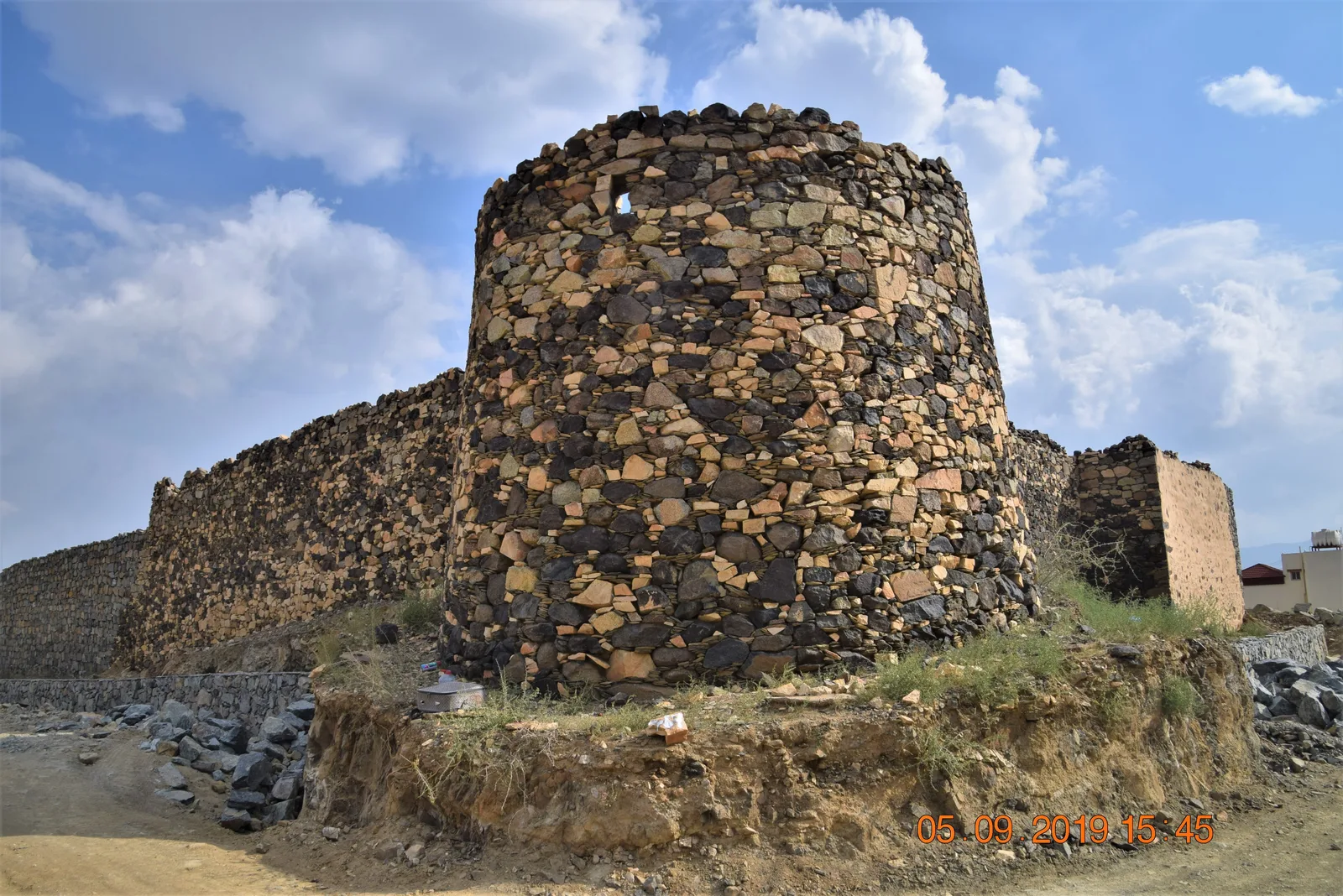
Abha is a mountain city with an unusually strong sense of regional identity: stone buildings, decorated interiors, highland food and neighbourhoods shaped by slopes rather than a flat street grid. It is also a destination where current security advice must come before holiday planning. On this guide's research date, 24 October 2026, the UK government's Saudi Arabia advice recommended against all but essential travel to the country outside the immediate Yemen-border exclusion area.
That advice explicitly identifies Abha among locations exposed to heightened threats and warns of likely airport disruption. Check your own government's guidance, your insurer and your airline before committing money. A tourism visa or an advertised hotel room does not establish that a leisure journey is advisable or insured. The itinerary below is a planning framework for circumstances in which travel is appropriate, rather than a recommendation to disregard current advice.
For someone already considering an essential move, the immediate questions are the employer's arrangements, confirmed transport, suitable accommodation and a workable contingency plan. Keep those separate from the city's longer-term appeal as a highland base.
Understand Abha's place in Aseer
Abha is the administrative capital of Aseer in southwestern Saudi Arabia. The government-backed Saudipedia tourism account places it in the Sarawat Mountains at approximately 2,200 metres above sea level. That elevation is central to the visitor experience: cloud, cooler evenings and mountain views distinguish the setting from the lowland heat many travellers associate with the country.
The city is also a centre for work, shopping and everyday services. Its appeal is not confined to a scenic overlook. Allow time for heritage buildings, regional art and food, and conversations with guides or makers when those opportunities are available. A passing cloud can obscure a viewpoint without making the rest of the day worthless.
Keep geography precise when booking. Abha, Khamis Mushait, Al Soudah and Rijal Almaa are connected destinations, but they are not interchangeable accommodation addresses. A property marketed for an Aseer holiday may require a substantial journey to the particular city or mountain outing you have in mind.
Look for the landscape in traditional architecture
The Saudipedia city account describes Abha's traditional use of stone and clay, with projecting stone elements helping shed rainwater. Buildings that taper upwards and walls adapted to wet weather tell a practical story about highland life. Notice materials and proportions before reducing the architecture to a colourful backdrop.
Al-Muftaha provides a useful introduction to that relationship between buildings and local culture. The Saudi Press Agency's district account describes thick walls, small windows and protective plaster treatments, alongside an artistic community and the neighbouring traditional market. Its report covers a specific Ramadan programme in 2025; it does not establish that every exhibition or performance runs throughout 2026.
Treat the district as a place to explore with a current plan. Ask which galleries or cultural spaces are open on your day, and leave room to follow an exhibition that interests you. For a first visit, a well-informed local guide can add more than another long drive between photo stops.
Give Shada Palace time and context
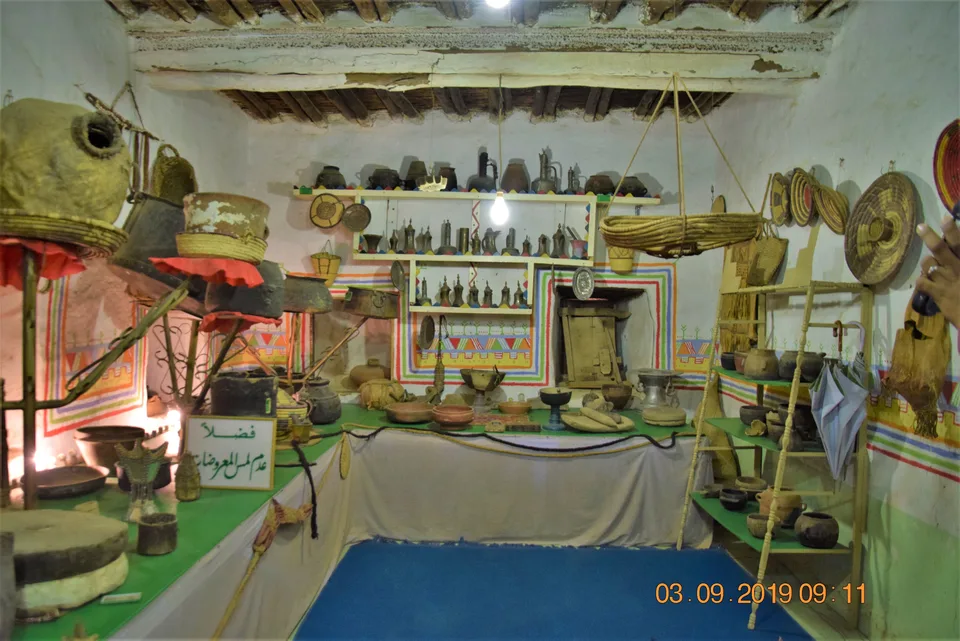
Shada Palace, also called the White Palace, offers a concentrated introduction to local heritage in the city. Saudipedia's palace record dates the four-storey building to 1929 and notes its restoration in 1987 and its use as a heritage museum. Those dates help separate the building's history from the age of objects or displays inside it.
The practical limitation is current access. A historical description of a museum does not provide a verified opening schedule or admission tariff. Confirm arrangements before making the palace the fixed centre of a day, particularly if your available time is short. If entry is unavailable, retain an exterior heritage walk and another confirmed activity as alternatives.
The photograph in this guide is an older source-identified interior view, not a promise that the room remains displayed exactly that way. When visiting, read the available interpretation and ask about the use of household objects. The useful experience is understanding how people lived, rather than simply counting exhibits.
Read regional art beyond the souvenir pattern
Al-Qatt Al-Asiri is the region's distinctive tradition of interior wall decoration, associated especially with women's artistic practice. Its inscription in 2017 on UNESCO's Representative List of Intangible Cultural Heritage recognises a living cultural practice, as Saudipedia's account of the tradition explains. It does not make the whole city of Abha an inscribed World Heritage property.
Look for opportunities to understand the making as well as the finished pattern. A current exhibition, a workshop or a conversation with an artist can explain how geometric forms, colour and a room's social role connect. Verify the host, venue, duration and language before paying for a demonstration; an attractive photograph alone says little about what is included.
When buying decorated objects, ask who made them and whether the item is locally produced or a printed reproduction. Both can be legitimate purchases when described honestly. The important distinction is between a souvenir carrying a regional motif and an artwork whose maker, materials and process you can identify.
Explore the Tuesday Market with practical expectations
Souq Al Thulatha, the Tuesday Market, belongs naturally with an Al-Muftaha outing. Its name reflects the weekly trading tradition, and official accounts describe open stalls, walkways, handicrafts and regional products. Confirm the current trading pattern rather than assuming that every seller operates the same hours or that a directory's opening time describes the whole market.
Browse before buying. Compare the size, material and finish of woven or crafted goods, and ask the price clearly before agreeing to a purchase. For honey or food products, check packaging, producer information and the rules for taking them into your next destination. A local label is not by itself proof of a particular origin or quality grade.
Keep the visit light enough to enjoy: allow time for a drink or meal nearby and avoid carrying bulky purchases through several further stops. Ask permission before close photographs of stallholders or customers. Shopping is more rewarding when it remains a respectful exchange rather than a hurried hunt for an allegedly authentic bargain.
Use parks and viewpoints without relying on a cable car
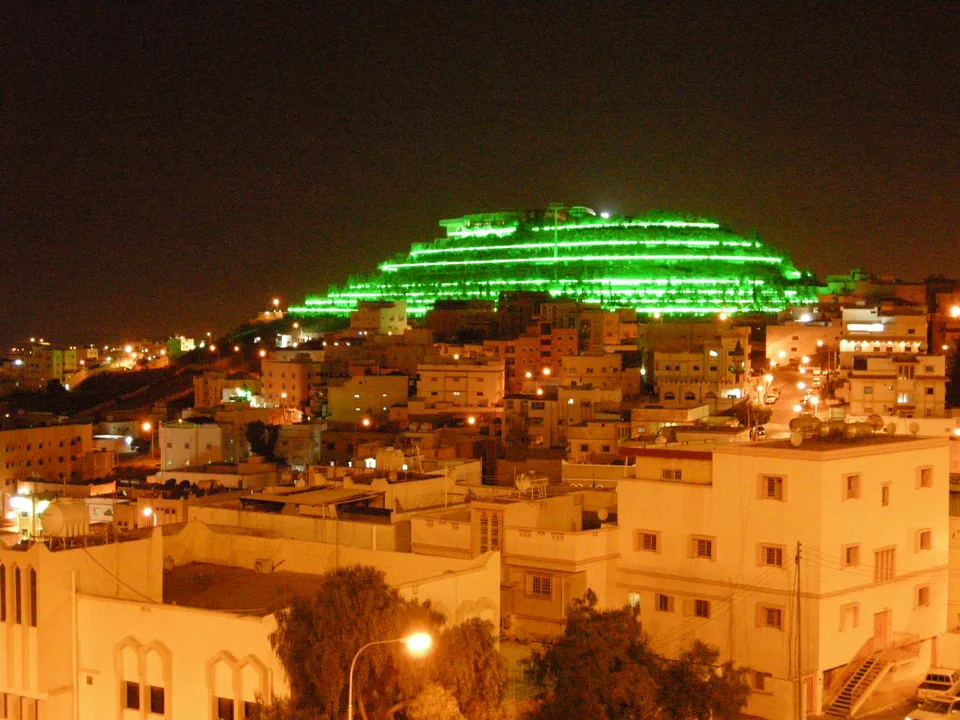
Abha's public spaces and hill views can provide a welcome change of pace from indoor heritage visits. Shamsan Castle supplies another architectural focus, while Green Mountain is a recognisable feature of the city skyline. Arrange access to a particular site from current information rather than assuming that an old photograph establishes an open entrance or a functioning attraction.
Cable-car descriptions deserve the same care. Historic city accounts describe routes, but this guide could not establish a reliable current operating timetable or tariff for each installation. Do not make a paid transfer or a whole day's schedule depend on a ride until the operator confirms the exact station, route, return arrangement and weather policy.
For a viewpoint, consider the journey back as well as the ascent. Cloud can remove a panorama, rain can make exposed surfaces uncomfortable, and an accessible parking area does not necessarily mean the path beyond it is step-free. Choose a short outing when conditions are uncertain.
Choose a base that matches your actual journeys
For a cultural city visit, accommodation near the central heritage districts can reduce repeated transfers. For airport-linked business or an appointment elsewhere in the urban area, a different address may be more convenient. Discover Aseer's accommodation directory distinguishes Abha properties from those in Khamis Mushait and lists options around Al-Mansak, Al-Badi and Al-Rabwah, as well as airport-oriented stays.
Use the directory to establish location, then check the hotel's own room details and payable quotation. Confirm parking, breakfast, lift access and the facilities of the room category you are reserving. A hotel-apartment label does not guarantee that every unit has a usable kitchen, washing machine or separate bedroom.
For a family or a reconnaissance stay before moving, a flexible booking can be worth more than a small advertised discount. Ask about heating as well as cooling, noise, window insulation and indoor space. A mountain-facing balcony has limited value if the household's ordinary journeys are difficult or the room is unsuitable in wet weather.
Reach Abha with a confirmed airport transfer
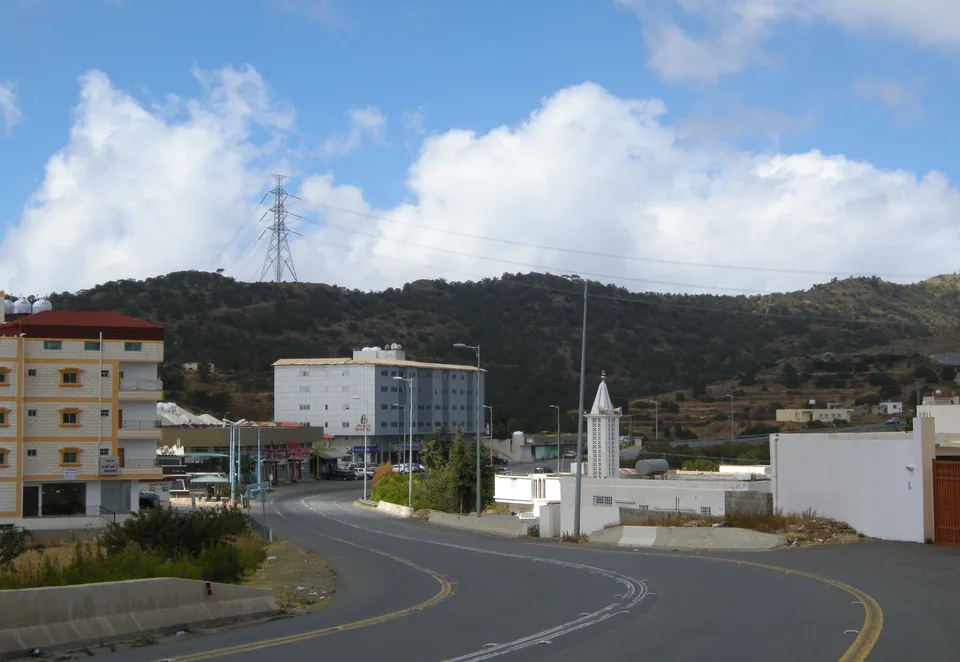
Discover Aseer's transport information identifies Abha International Airport, AHB, as the main air arrival point for the region and links airlines serving domestic travel. Use the airline's own system to check your exact itinerary and flight status. Current security conditions make confirmation particularly important; an old route announcement should not determine a connection or a non-refundable booking.
The regional visitor information confirms taxis outside arrivals and lists transport apps and car-rental providers. Save your accommodation's precise map pin, check luggage capacity and establish where the pickup takes place. If arriving late, obtain a written transfer arrangement or confirm that the hotel can receive you at the expected hour.
For a rental car, check accepted licence documents, deposit, insurance excess and collection hours with the provider. Ask specifically about any planned mountain route and the agreement's restrictions. Keep the first day simple enough to absorb delays and unfamiliar roads without losing a prepaid excursion.
Separate intercity coaches from local transport
The regional visitor site links SAPTCO for bus information; the operator's current website also directs intercity passengers to its SAT transport business. Search for your actual origin, destination and date, then verify the station and luggage terms. A city name on a network page is not a confirmed departure, and an intercity coach does not necessarily connect the airport to your hotel.
For movements within Abha, plan the journeys you need rather than assuming a sightseeing circuit will also serve a workplace or school. This guide does not publish unverified urban route numbers, headways or airport-shuttle fares. Ask the operator for current arrangements and keep a realistic alternative where timing matters.
Walking is most useful for a deliberately chosen cluster of stops. Check gradients, crossings and pavement continuity before setting off, especially with children or mobility equipment. For an evening outing, establish the return pickup point while you still have a clear view of the area and a working phone connection.
Make regional food part of the visit
Discover Aseer's food guide introduces a cuisine shaped by highland grains, dairy, honey and local produce. Haneeth, areekah, asidah and mifa bread are among the dishes worth asking about. Choose a meal around what the kitchen actually prepares that day, rather than ordering several names without understanding their size or ingredients.
Ask how a dish is served, whether it is intended for sharing and what accompanies it. Explain allergies directly; a familiar-looking bread or a sweet dish may contain ingredients you need to avoid. Vegetarian travellers should ask about stock, dairy and added fats instead of relying only on a translated menu heading.
For a short stay, plan one unhurried regional meal alongside simpler food that suits the day's timing. For a household move, make an ordinary grocery trip part of your research. The availability of favourite ingredients, delivery arrangements and the practicality of the accommodation's kitchen can matter more than a hotel's list of dining outlets.
Budget in riyals and compare complete costs
Build the budget in Saudi riyals, using quotations for the dates and group size you actually need. Separate accommodation, airport travel, local journeys, meals and any booked experience. Ask whether a quoted activity price covers a whole group or one person and whether transport, admission and food are included.
Accommodation comparisons should use the final payable total, with applicable taxes and fees, alongside cancellation conditions. A cheaper outlying apartment can become less economical when every outing requires a car journey. Keep refundable deposits and card holds separate from your spending allowance because they can still affect the money available during the trip.
Reliable current admission prices were unavailable for several heritage attractions during research, so this guide avoids filling those gaps with guesses. Obtain a written price and operating confirmation before paying for a private tour. Under current travel conditions, also read the insurance and cancellation provisions that apply to disruption, changes of advice and an interrupted stay.
Plan for cool evenings, cloud and rain
Abha's highland climate offers relatively moderate summer conditions and cooler winters, rather than a guarantee of clear skies. Pack a layer for evenings and practical rain protection, even when the trip is motivated by escaping heat elsewhere. Footwear suitable for wet paths is more useful than planning solely around sunny viewpoint photographs.
Use the National Center for Meteorology's Abha forecast and warnings before a mountain outing and again on the day. A live warning is more relevant to a particular journey than a seasonal average. Fog and rain can change visibility and road conditions quickly; leave room to replace an exposed excursion with a confirmed indoor activity.
Summer travel can coincide with a busy domestic holiday period, so check the actual accommodation and event calendar for your dates. Do not assume an old festival programme repeats unchanged. For a quieter cultural trip when leisure travel is appropriate, compare dates around the specific sites you want to enter, not just a broad description of the best season.
Use a flexible two-day city framework
When current advice and conditions support a leisure visit, start the first day around Al-Muftaha and the Tuesday Market area, adjusting for the actual trading day. Add Shada Palace only after confirming access. Leave time for a regional meal, then choose a short city viewpoint or a confirmed evening event according to weather and opening arrangements.
On the second day, choose either further city heritage or one longer highland outing. Avoid combining several remote stops simply because they fit on a small-scale map. A mountain drive, lunch and time at one destination can make a more satisfying day than repeatedly arriving just before a venue closes.
Keep a reserve activity that does not depend on visibility, and avoid putting the most distant excursion immediately before a flight. For someone assessing relocation, replace this second day with a weekday trial commute, accommodation inspections and service appointments. Those observations reveal much more about daily suitability than another scenic photograph.
Before reserving a guided outing, ask for the pickup address, the route, time spent driving and the arrangements if weather prevents the main activity. Check whether the quotation includes a guide throughout or only a driver. If travelling with an older relative or young children, describe the group's needs rather than relying on a general family-friendly label. A shorter plan with suitable stops and a clear return arrangement is easier to assess than an ambitious list with no timings. Keep the agreed details available offline with your accommodation information.
Inspect a home and its tenancy terms together
Begin a move by identifying the actual workplace and, if relevant, the school campus. Test the commute at the time you would use it, including parking or site access. Abha and nearby Khamis Mushait can appear close on a regional map while still producing very different household routines.
During viewings, inspect damp, ventilation, window seals, heating and cooling, water pressure and mobile reception. Ask about parking allocation, deliveries and the procedure for repairs. A furnished listing needs an inventory and working-appliance check; a scenic position does not answer questions about maintenance or practical access.
Use Ejar's official rental information to understand the contract and documentation process. Read the rent-payment schedule, maintenance responsibilities, deposit terms and handover record before transferring money. Confirm the landlord or representative's authority and retain the approved contract and receipts. This guide does not infer a current citywide rent level from a handful of online listings.
Set up utilities, schooling and healthcare before you need them
Ejar's utility-transfer guidance explains how electricity and water billing can be linked to the actual beneficiary. Check meter identifiers, readings and the parties' approvals. Review any displayed outstanding balance, particularly where meter ownership information is incomplete; do not assume that every transfer has identical conditions. Take dated readings at handover and keep the closing procedure in mind from the start.
For children, obtain a written school-place offer covering curriculum, year group, fees, transport and required records before signing a long lease. Confirm the campus address rather than only the school's name. For internet and mobile service, check coverage and installation arrangements for the building itself.
Healthcare planning starts with the insurer's network and authorisation rules. The Council of Health Insurance's tourist-insurance inquiry identifies the issuing insurer and policy status; it is not a promise that every treatment is covered. Residents should confirm their own policy and dependants' start dates, while anyone needing regular care should arrange continuity of prescriptions and records before moving.
Keep tourism, employment and study permission separate
Use the official Saudi tourist eVisa portal to check eligibility, and read the eVisa terms alongside the permission issued to you. A visa's validity for entry and the stay it authorises are distinct. The published terms describe a one-year, multiple-entry arrangement with a maximum stay of three months and exclude paid employment; they also require sufficient passport validity.
For work, follow the employer's authorised process and the Ministry of Human Resources and Social Development's work-visa guidance. For study, the Ministry of Education's educational-visa information is the appropriate starting point with the admitting institution. Do not assume a tourist entry can simply substitute for either purpose.
For a longer move, investigate the residence category you actually qualify for. Premium Residency regulations describe separate products and eligibility requirements; renting a home or accepting an offer does not automatically confer permanent residence. VisaWand's Saudi Arabia country guide and Saudi Arabia consultant listings can help organise questions, while the relevant authorities decide applications and conditions.
Distinguish existing mountain outings from future projects
Al Soudah is a potential mountain outing, but descriptions of the Soudah Peaks development should be read carefully. The developer's visitor FAQ distinguishes visits to the existing area from the future destination, with its first phase scheduled for 2027. Planned zip lines, resorts or other facilities should not be treated as confirmed bookable attractions in October 2026.
Rijal Almaa offers a different architectural landscape of multi-storey stone buildings beyond Abha. Its UNESCO entry is on the Tentative List, rather than an inscription on the World Heritage List. Check current access and road conditions before planning the journey, and allow a realistic separate outing rather than describing it as another central neighbourhood.
Use the Saudi Arabia destination directory to compare other bases, keeping the same checks on current advice and transport. Abha makes sense when the Aseer highlands are the purpose. The final choice should follow the journey you can responsibly make and the practical daily needs you can meet.
The existing Ta’if city guide provides another highland destination to compare when planning a future trip, subject to the same current national travel advice.
Official planning resources
Reviewed 24 October 2026. Use the official resources linked throughout this guide for admission, transport, housing and immigration decisions. Prices, services and rules can change; confirm the details relevant to your dates. Photography illustrates the locations and is not a live view.
View all official resources
- Saudi Arabia travel advice – UK FCDO
- Tourism in Abha – Saudipedia
- Abha City – Saudipedia
- Al-Muftaha district and Tuesday Market – Saudi Press Agency
- Shada Palace – Saudipedia
- Al-Qatt Al-Asiri – Saudipedia
- Accommodation – Discover Aseer
- Getting here and around – Discover Aseer
- SAPTCO transport operator
- Aseeri cuisine – Discover Aseer
- Abha forecast and warnings – National Center for Meteorology
- Rental contracts and terminology – Ejar
- Utility financial-liability transfer – Ejar (Arabic)
- Tourist insurance inquiry – Council of Health Insurance
- Saudi tourist eVisa – official portal
- Tourist eVisa terms – official portal
- Work visa requests – Ministry of Human Resources and Social Development
- Study Visa and Pathways – Ministry of Education
- Premium Residency regulations – official centre
- Soudah Peaks visitor and development FAQ
- Rijal Almaa Heritage Village – UNESCO Tentative List
Plan the next part of your journey
Explore the Saudi Arabia guide, browse other cities or compare consultants for your travel and relocation questions.