Visa
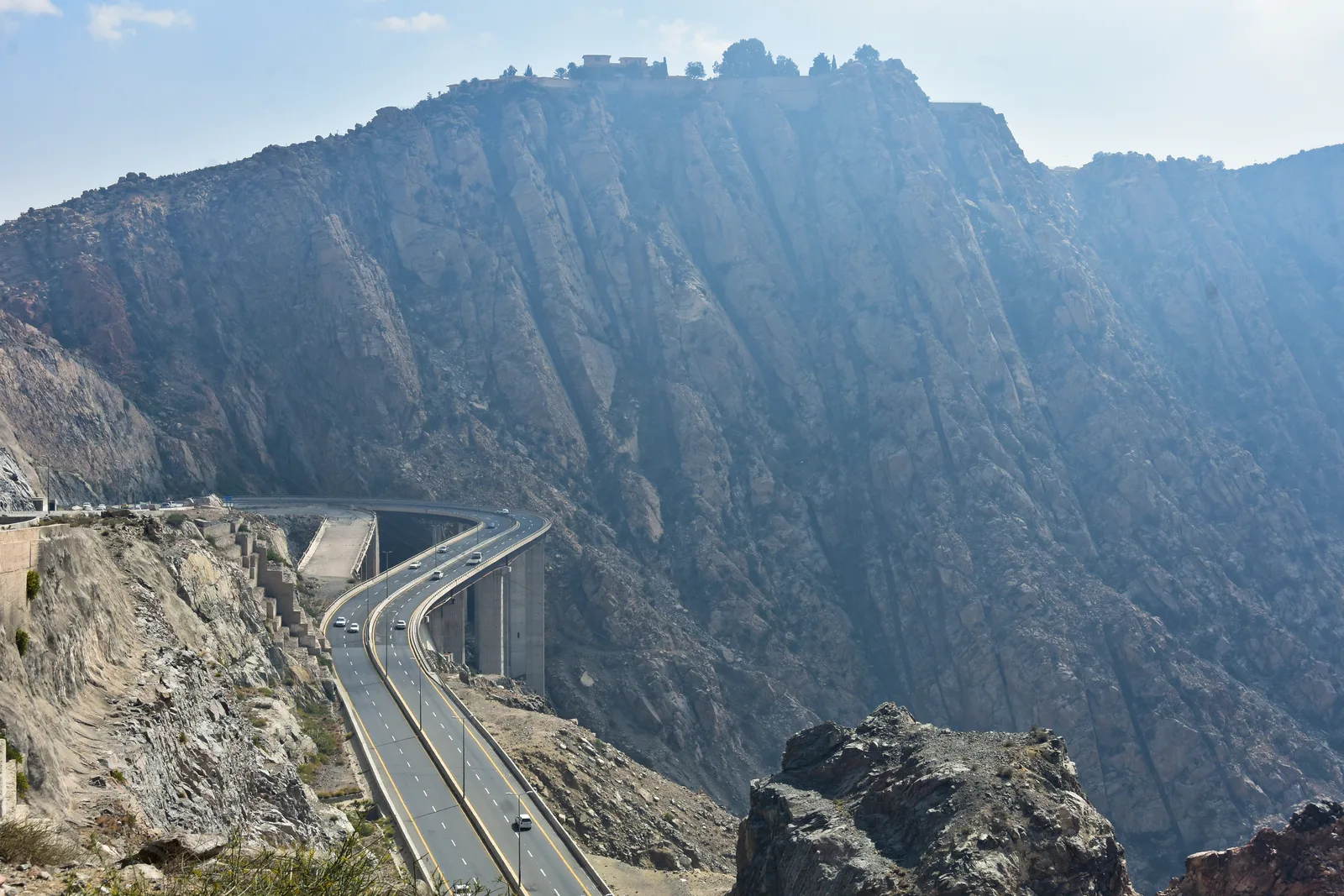
A highland city with more than one kind of escape
Taif’s appeal begins with its setting: a city in western Saudi Arabia’s highlands, with mountain outings, rose-growing traditions and an old commercial centre within reach of one another. It belongs to Makkah Province, but a visit here is a different proposition from visiting the holy city of Makkah. Start with the official Taif destination overview to distinguish the urban sights from excursions into the surrounding mountains.
Two or three days make a more useful introduction than a hurried circuit of roadside viewpoints. Choose Taif for markets, heritage and the agricultural landscape around Al Hada and Al Shafa. If you are considering moving, use the trip to test ordinary journeys as well: the route to work, access to schools and the cost of running a household matter more than a holiday panorama.
Separate the city from the wider governorate
“Taif” can mean the city, its much larger governorate or a holiday somewhere in its surrounding highlands. The distinction matters when comparing accommodation and journey times. Saudipedia’s Taif Governorate account places it within Makkah Province and explains its established role as a summer destination, with trade and agriculture forming part of its character.
Central Taif, Al Hada to the west and Al Shafa to the southwest should be treated as separate parts of a trip. A mountain property advertised under Taif may be inconvenient for city errands. Conversely, a central base will not put a rose farm outside your door. Check the actual location pin before booking, and describe the intended destination precisely when arranging a driver or asking about an apartment.
Find the old city in Souq Al Balad
Begin with the old market rather than treating Taif as only a gateway to the mountains. The Saudi Press Agency’s account of Souq Al Balad describes its stone buildings, heritage entrances and shops selling jewellery, spices, kohl and henna. This is Taif’s historic commercial centre; it should not be confused with Jeddah’s district of the same name.
Leave time to look at buildings as well as goods. For purchases, compare materials, weight and the full quoted price before agreeing to buy, particularly with jewellery or packaged gifts. Keep receipts and check what your home country permits you to bring back. A short visit can be fitted around a meal, but anyone who enjoys markets should allow room to browse without a waiting vehicle dictating every minute.
Appreciate Shubra Palace without promising an interior visit
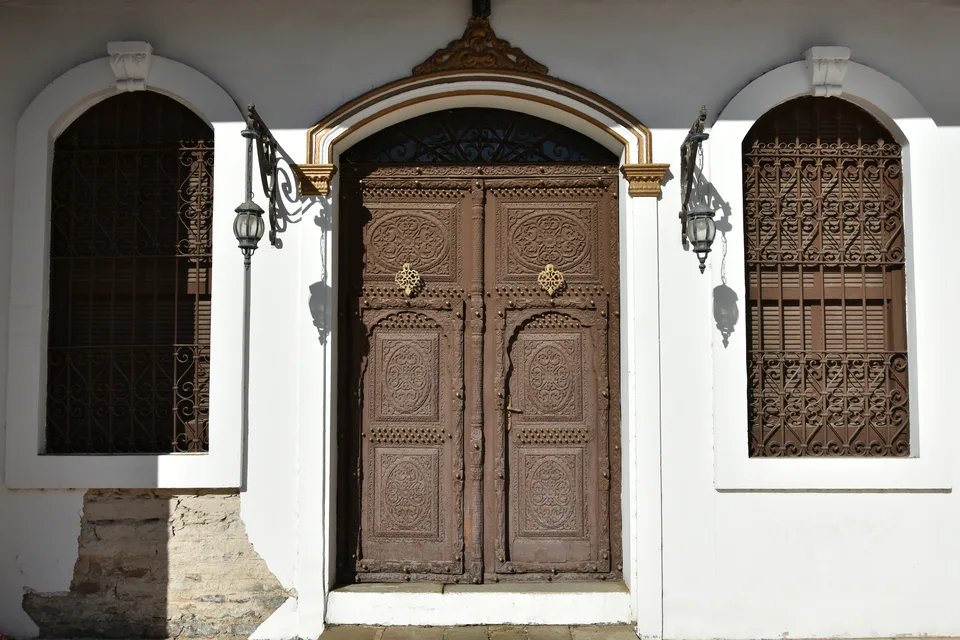
Shubra Palace is an architectural landmark and a useful point of reference for Taif’s more recent history. The official Saudi Press Agency introduction identifies its role as a royal summer residence used by King Abdulaziz. Look for the carved woodwork and screened windows that give the building much of its visual interest.
Current interior admission and opening arrangements were not reliably established for this guide. Confirm them through official visitor information before making an interior tour the centrepiece of your day. An exterior photograph is worthwhile only where access is permitted; a historic photograph does not prove that a doorway is open now. Keep the market or another confirmed attraction available as an alternative rather than reserving a whole morning for an unverified museum visit.
Plan Al Hada as a mountain excursion
Al Hada is a separate outing, with the ascent, viewpoints and return journey all part of the experience. The landscape is best appreciated when visibility is good, so keep the plan flexible rather than committing to one sunset regardless of the forecast. Arrange a designated pickup point and establish whether your driver will wait or return later.
A July 2026 Saudi Press Agency report describes the cable car linking Al Hada’s summit area with Al Kar tourist village. Its operation that summer does not establish today’s timetable, ticket price or weather conditions. Confirm the boarding station, return arrangements and any activity package before paying. If the service is unavailable, do not assume that reaching one station by road gives you a convenient way back from the other.
Give Al Shafa and its orchards their own time
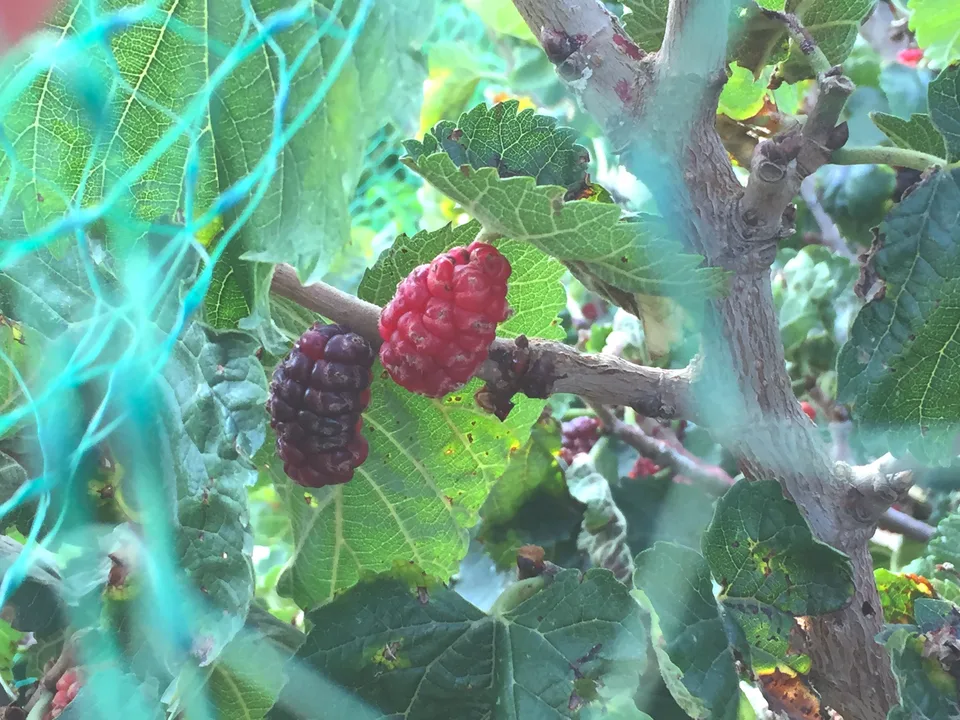
Al Shafa offers another highland landscape, with terraced cultivation and mountain scenery. A June 2026 official report on Al Shafa describes seasonal fruit including apricots, peaches, plums, pomegranates, figs and grapes. What is available depends on the crop and date; a list of regional produce is not a promise that every orchard will be fruiting during your stay.
Ask permission before entering farmland or picking anything. If a farm visit is important, confirm the host, location, activity and price in advance rather than arriving at a private gate. Allow time for a meal and the return journey. Combining Al Shafa, Al Hada and several city attractions into one day leaves little flexibility for weather or a place that deserves longer than expected.
Understand the roses before shopping for them
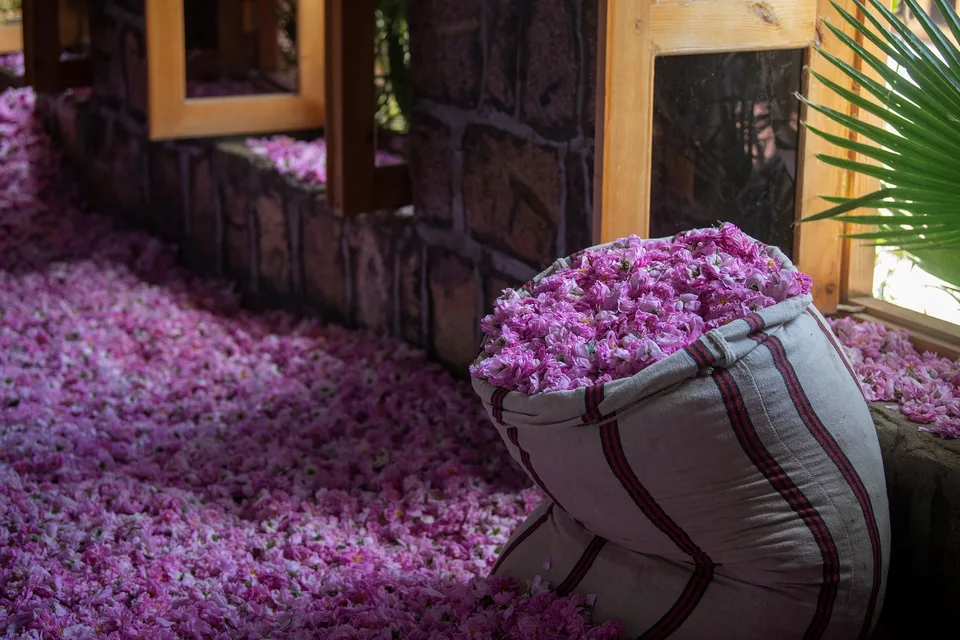
In 2024, UNESCO inscribed the cultural practices related to Taif roses on its Representative List of Intangible Cultural Heritage. The recognition concerns knowledge and social practices, including cultivation, harvesting and distillation; it does not designate the whole city as a World Heritage Site. Families and communities are central to transmitting those skills.
UNESCO describes a harvest beginning in March and lasting roughly thirty-five to forty-five days. Treat that as seasonal context, then check a particular farm’s conditions before planning a bloom-focused trip. Rose water and oil also connect the crop with gifts, food and fragrance. Ask sellers to explain the product, ingredients and intended use. A bottle sold for perfumery should not be assumed suitable for cooking, and a farm photograph is not a guarantee of a public visitor programme.
Use Al Ruddaf for a less hurried city stop
For a break from driving and sightseeing, consider Al Ruddaf, also transliterated Al Raddaf. The official July 2026 park report places it among Taif’s public leisure spaces. It can provide a useful pause in a city-based day, particularly when members of the group have different appetites for museums and shopping. Its facilities include walking paths, gardens, a lake, an interactive fountain and children’s playgrounds, alongside cafés and seating areas.
Check current access and any advertised event directly. Do not build the evening around a fountain show unless its actual operating time has been confirmed. Bring what your household needs for a comfortable short outing and leave the area clean. A park visit is also a useful relocation exercise: look at how you would reach it from a prospective home, rather than assuming every attractive public space is easily accessible on foot.
Match accommodation to the purpose of the stay
Choose a city base if your priorities are the old market, heritage stops and everyday services. Compare Al Hada or Al Shafa accommodation when the main purpose is time in the highlands, accepting that city visits then require more travel. For a working visit, the employer’s exact address should take priority over a hotel’s general description of being “in Taif”.
An established hotel does not automatically include a shuttle. For example, InterContinental Taif’s own transport page gives its Airport Road address and states that neither an airport shuttle nor a local shuttle is available. Use that kind of operator detail when comparing the total cost. Ask about parking, breakfast, room configuration and cancellation terms, then check whether the same inclusions apply to the rate you are actually booking.
Arrive through the airport that fits the whole journey
Taif International Airport, code TIF, serves the city and wider area. Saudipedia’s airport entry places it approximately 27 kilometres northeast of the centre. The Cluster2 Airports directory identifies it within the operator’s international airport network. Check flights with the airline for your dates instead of treating an old route list as a current schedule.
Arrange the onward journey to your exact accommodation before arrival, particularly for a mountain stay or a late flight. Confirm the vehicle size, luggage allowance, meeting point and complete fare with the provider. If considering an arrival through Jeddah, compare the full transfer as well as the airfare. A cheaper flight may add a substantial road journey, and the route must be appropriate for the travellers using it.
Keep Makkah access separate from Taif travel
Visit Saudi’s official travel FAQ states that Makkah is reserved for Muslim visitors. Non-Muslim travellers should arrange a permitted route to Taif and make that requirement explicit with a driver or transfer provider. Do not assume that the quickest route suggested by a general map is suitable for everyone.
For Muslim visitors, permission to enter Saudi Arabia is still distinct from permission to perform Hajj. The same official FAQ explains that a tourist visa permits Umrah outside the Hajj season, while Hajj requires its specific arrangements. Check current pilgrimage and seasonal access instructions before combining destinations. Avoid using last year’s restriction dates to plan a new trip, and leave time for any checks that affect the journey.
Use city buses where the route genuinely helps
Taif has an urban bus system, so a visitor need not assume that every city journey requires a private vehicle. SAPTCO’s Taif passenger information publishes operating hours of 5.30am–11.30pm daily and provides route diagrams, with instructions to obtain the app and payment card. Consult the current route and stop information for the particular journey.
The published page contains inconsistent route-count information, so the useful question is whether a service reaches your destination, not how many lines the network claims. Exact fares were not reliably verified for this guide. Check them before travel, including any transfer conditions. City coverage also should not be taken as proof of an airport connection or service to a mountain attraction; plan those legs separately.
Compare a car with the journeys you actually need
For an itinerary spread between the city and highlands, compare a rental car with separately arranged transfers. Include fuel, parking, insurance terms and any excess when assessing a rental. Confirm licence eligibility, driver age, deposit and collection arrangements directly with the company before paying. A low headline daily rate does not establish the full cost.
Before choosing the vehicle, count the days it will actually be useful. A city day spent in the market and museum may need fewer journeys than an excursion with several mountain stops. Ask about child seats when booking, and make sure the luggage fits with every passenger seated. If collecting a rental after a flight, check what happens if the flight arrives late. Photograph the vehicle’s existing condition at handover and understand the return location; an unresolved return arrangement can complicate an otherwise straightforward departure.
If you prefer a driver, agree on the route, waiting time and return in writing. Mountain roads demand attention, especially when visibility deteriorates; stop only where permitted and avoid letting a photo opportunity dictate a manoeuvre. Check the National Center for Meteorology’s warnings before setting out. Leave a simpler city alternative in the schedule so that postponing a mountain outing does not unravel the whole visit.
Order food that reflects Taif’s own table
The official introduction to Taif’s traditional foods offers more specific starting points than a generic Saudi menu. Saleeg combines short-grain rice with chicken broth and milk. Masoub brings together bread, banana and additions such as cream and honey, while mutabbaq can have savoury or sweet fillings. Maadous combines rice and lentils, with ghee and browned onion among its accompaniments.
Ask what is being prepared that day and check ingredients if you have allergies or dietary restrictions. Milk, ghee, eggs and meat can appear in dishes whose names alone reveal little to a newcomer. Compare portions before ordering several substantial dishes. For drinks and packaged gifts, ask about ingredients and storage requirements rather than assuming a traditional preparation is suitable for everyone or will travel well in a suitcase.
Build a budget without inventing a daily average
Price the trip in Saudi riyals, beginning with accommodation and the airport transfer. Add city transport, mountain excursions, meals, paid attractions and any shopping separately. The museum’s listed SAR20 admission is a useful anchor, but hotel rates and private journeys need quotes for your actual dates. Confirm whether each quote is per person, per vehicle or for the whole booking.
Keep optional activities separate from essentials so you can adjust the trip intelligently. A comfortable return journey matters more than adding another viewpoint. For a group, compare the combined price of individual journeys with one suitable vehicle and agreed waiting time. Ask whether taxes and service charges are included, retain payment records and leave some room for changing an outdoor plan when the conditions are unsuitable.
Choose between rose season and a summer escape
Taif attracts visitors seeking highland conditions, but “cooler” should not be read as a promise that every afternoon will be comfortable for walking. Decide whether your priority is rose cultivation, orchards, urban heritage or a break in the mountains. Those interests do not all peak at exactly the same time, and a farm’s season should be checked individually.
Use a current forecast and official warnings near departure. Pack sun protection and an additional layer for conditions that change between locations or later in the day. Rain, fog or reduced visibility can alter the value of a viewpoint and the practicality of the journey. Keep reservations flexible where a weather-dependent activity is your main reason for travelling. A forecast for central Taif should not be treated as a guarantee for every surrounding mountain location.
A two-day introduction, with an optional third day
Use the first day for the city: browse Souq Al Balad, have a local meal and consider Shubra’s exterior if access is permitted. Visit Al Shareef Museum when its confirmed hours suit, then keep the rest of the day unhurried. This combines built heritage and everyday commerce without relying on several distant appointments.
Reserve the second day for Al Hada, including the cable car only if operation and return arrangements are confirmed. Leave room for a meal and stops appropriate to visibility. With a third day, visit Al Shafa and a prearranged farm or orchard, adjusting expectations to the season. Al Ruddaf can replace a more demanding outing when the group needs a quieter interval. This is a flexible sequence, not a timed tour or a claim that every attraction opens in the morning.
Inspect a home around the working week
For relocation, ask where the actual workplace or campus is before choosing a district. Taif University’s geographical information places its headquarters in Al Hawiyah; that does not mean every university-related appointment is at one central address. Confirm the building and campus with your contact, then test the journey at a relevant time.
Compare the complete household cost, including rent, any deposit, transport, utilities and maintenance responsibilities. Inspect cooling, water pressure, storage, windows and the route between parking and the entrance. Ask what furniture and appliances remain. Temporary accommodation gives you a chance to inspect properties and neighbourhood routines before committing. A holiday preference for a remote view may be a poor match for repeated school and work journeys.
Understand Ejar and arrange household accounts
Ejar’s residential contract service sets out electronic registration and certification by the parties. Its eligibility information refers to citizens and residents, with identification and an Absher-linked mobile among the requirements. Read the complete contract, payment schedule and conditions before approval; the platform explains that the certified contract is enforceable. Do not treat registration as a substitute for inspecting the property or verifying the representative.
For electricity, Saudi Energy’s meter-declaration guidance explains how the actual beneficiary, including a tenant, establishes the account relationship. Confirm the correct meter and record opening readings. Ask separately how water is supplied and billed at the property, and who handles faults. Establish internet availability and installation timing at the exact address before relying on it for work or study.
Settle school and healthcare questions early
The Ministry of Education’s admission conditions show why a public-school place should not be assumed for a non-Saudi child: residency, vacancies and document requirements matter. Contact prospective schools about curriculum, language, available places, fees and transport before choosing housing. Obtain instructions for certification of previous records before leaving your home country.
Review your insurer’s policy benefits and provider network before you need care. Ask an employer which household members are covered, when cover starts and where it can be used. For health-service information, the Ministry of Health’s 937 service operates around the clock. Check arrangements for routine care and ongoing prescriptions before they become urgent, rather than assuming that proximity to a clinic guarantees coverage.
Use the visa route that matches the purpose
The official tourist eVisa portal provides eligibility information and describes a multiple-entry visa with a one-year validity and a stay allowance of up to 90 days. Read the actual conditions issued to you; validity and permitted stay are different concepts. Check your nationality and circumstances instead of assuming that another traveller’s entitlement applies.
For employment, consult HRSD’s rules for non-Saudi workers and obtain the employer’s instructions for the appropriate work and residence permissions. For study, the Ministry of Education’s educational-visa information links the route to acceptance by a licensed institution and other requirements. Tourism, employment, study and long-term residence are separate decisions. An ordinary visit or employment offer does not itself establish permanent residence. Use VisaWand’s consultant directory to compare relevant expertise and written service scope if you need individual guidance.
Decide what to combine with Taif
Taif works as a highland stay in its own right or as one part of a wider Saudi itinerary. Compare the Jeddah city page if coastal urban sightseeing is a priority, and use the Saudi Arabia country guide for national context. The Saudi Arabia country page helps locate other destinations, while destination consultant listings provide a separate route to advisory services.
For nearby excursions, the distinction between Al Hada and Al Shafa is more useful than adding distant cities to a checklist. Give each enough time for the journey and the season. Treat any pilgrimage extension as a separate planning task with its own permissions. A successful Taif visit can be modest in scope: one market, a heritage stop and a carefully arranged mountain day often explain the place better than a rushed catalogue of attractions.
Official planning resources
Reviewed 17 October 2026. Use the official resources linked throughout this guide for admission, transport, housing and immigration decisions. Prices, services and rules can change; confirm the details relevant to your dates. Photography illustrates the locations and is not a live view.
View all official resources
- Visit Saudi Taif destination
- Taif Governorate geography and heritage
- Taif Souq Al Balad
- Shubra Palace architectural history
- Al Shareef Museum official tourism information
- Al Hada cable cars draw summer visitors
- Al Shafa mountain scenery and orchards
- UNESCO cultural practices related to Taif roses
- Al Raddaf Park urban leisure
- InterContinental Taif location and transport
- Taif International Airport geography
- Cluster2 Airports international airport directory
- Saudi tourism visa and travel FAQs
- Taif Bus routes and passenger instructions
- National Center for Meteorology warnings
- Traditional foods of Taif
- Taif University location
- Ejar residential rental registration
- Saudi Energy meter declaration
- School admission for non-Saudi students
- Ministry of Health 937 services
- Official Saudi tourism eVisa
- HRSD employment of non-Saudis
- Ministry of Education educational visas
Plan the next part of your journey
Explore the Saudi Arabia guide, browse other cities or compare consultants for your travel and relocation questions.