Visa
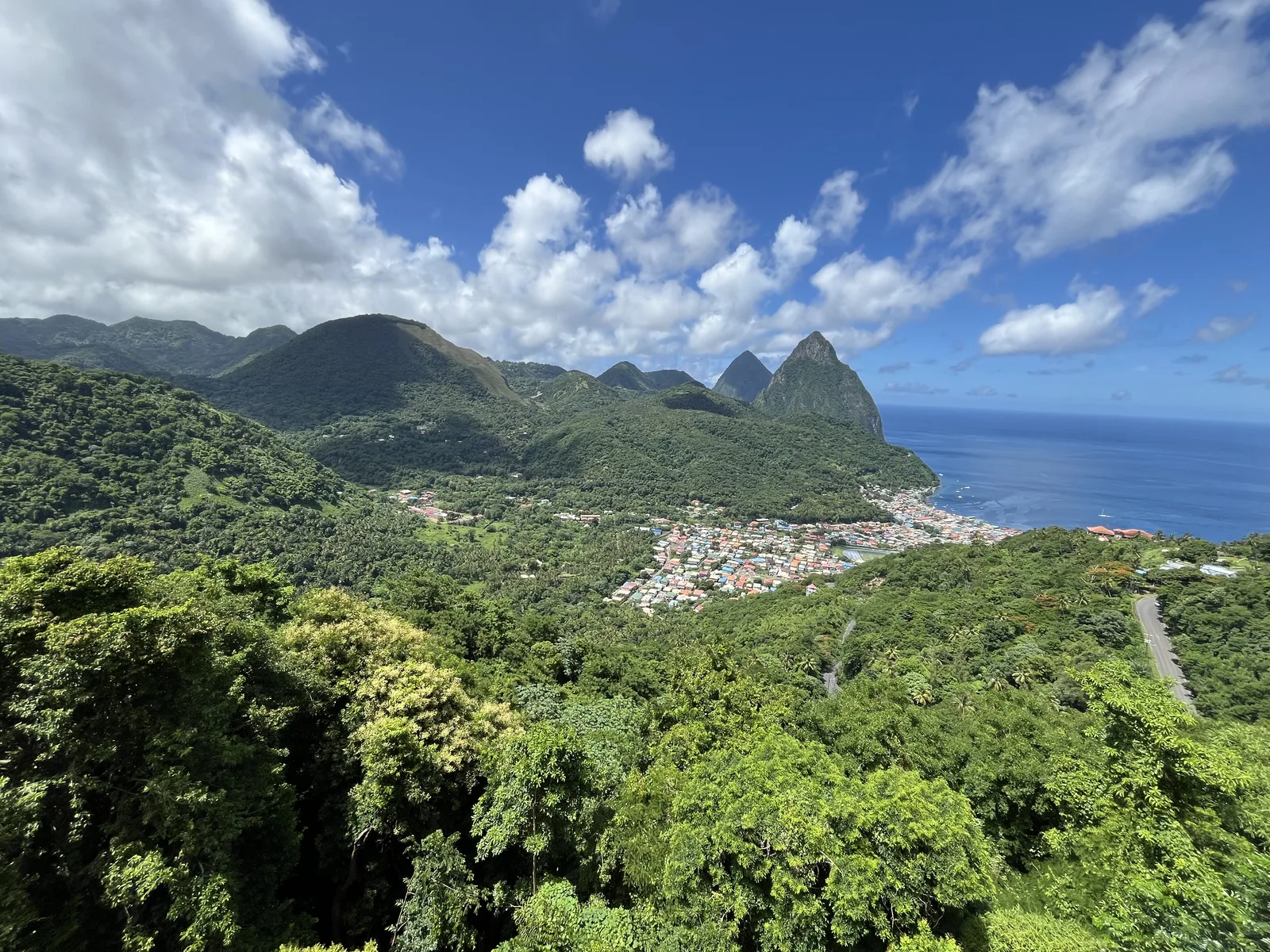
A small town beneath a much larger landscape
Soufrière is a place to base a holiday around mountains, gardens and the Caribbean coast. Its town centre sits below green hills on Saint Lucia’s southwest side, while the wider visitor area reaches into valleys, estates and secluded bays. A room advertised as being in Soufrière may therefore offer very different surroundings from a room beside the waterfront.
The attraction is that contrast. You can spend a morning among steaming geothermal features, another walking beneath tropical plants, and a third looking back at the Pitons from the sea. The tourism authority’s Soufrière overview is a useful starting point, but distances between its attractions matter as much as their names.
Choose this base when the southern landscapes are central to your plans. If your priority is a different part of the island, compare it before booking.
Understand the town and its surroundings
Start with three geographical distinctions: Soufrière town, the wider Soufrière district, and the individual beaches or hillside properties listed under that destination. They overlap in travel marketing, but they do not describe an identical daily experience. Request a precise location and inspect the actual approach to your accommodation.
The Pitons lie south of town, while Anse Chastanet and Anse Mamin offer coastal experiences nearby. Inland attractions include Diamond Falls and the Sulphur Springs area. A short-looking separation on a map does not establish an easy walking route through this terrain. Consider gradients, road conditions and the return journey after an outing.
For broader planning, use VisaWand’s Saint Lucia country guide alongside its national location directory. The directory helps identify places; check whether each destination has a completed editorial guide.
Read the landscape through its history
Soufrière’s heritage extends beyond the familiar outline of the Pitons. UNESCO records evidence of the Indigenous Carib population in the Pitons Management Area, including petroglyphs and other artefacts. The conservation area includes marine environments as well as the volcanic landscape, so its significance is broader than two summit photographs.
The nearby estates offer another historical thread. Diamond’s own account of Soufrière Estate traces a French land grant to the Devaux family in 1713 and describes the property’s later production of limes, copra and cocoa. It also explains the development, destruction and restoration of the mineral baths. Read that estate history as the operator’s account, alongside the wider island’s history.
During a visit, ask guides how buildings, crops and land use changed rather than treating every old structure as a decorative backdrop.
Choose a base before choosing a room
Staying in or close to town can make everyday errands and contact with local businesses more straightforward. A hillside setting may suit travellers who value space and views, provided they have priced transport. Neither arrangement automatically includes a convenient beach, an accessible entrance or an easy evening walk.
Ask for the route from the room to reception, the restaurant, the vehicle pickup point and any advertised beach. Steps and steep paths can determine whether a property works for someone with limited mobility or a family carrying equipment. Photos rarely show that entire journey. Request clear answers before paying a non-refundable rate.
Compare the complete stay: accommodation, meals, transfers and the journeys you expect to make each day. A lower room price can lose its advantage if every lunch and outing requires a separate car. Conversely, a quieter property may justify that expense when most days are deliberately spent there.
Match the accommodation to your household
For a short visit, a guesthouse or small hotel can provide a useful balance of local contact and manageable arrangements. An apartment or villa deserves closer inspection of its kitchen, laundry and housekeeping terms. For resort accommodation, establish precisely what the booked rate includes rather than assuming meals or activities are bundled.
Compare actual room categories. A property’s headline photograph may show a different view or layout from the room available for your dates. Ask about air conditioning, mosquito screening, bathroom privacy and the sleeping arrangements for every person. For children, confirm age rules and supervision requirements around pools, balconies and steep paths.
Cancellation terms matter when weather or flight changes affect a short island stay. Keep the supplier’s written conditions with your confirmation. If arriving late, agree how keys, food and transport will be handled.
Decide how to experience the Pitons
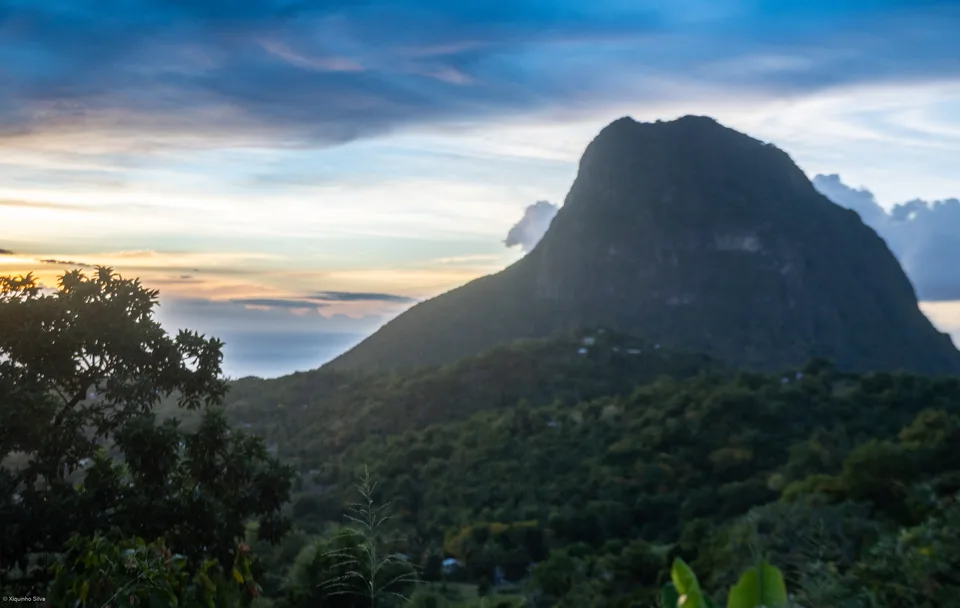
The World Heritage listing for the Pitons Management Area dates from 2004. You do not need to climb a summit to appreciate the setting. A coastal excursion or a carefully chosen viewpoint may be the better option for someone who wants the landscape without a demanding physical day.
If hiking is your priority, read the tourism authority’s Piton climbing guidance. It describes Gros Piton as a strenuous outing, typically taking four to six hours, and requires a certified local guide. Rocky ground, heat and the descent deserve as much attention as reaching the top. Allow the day enough space for preparation and recovery.
Discuss your fitness, health and experience honestly with the operator. Confirm the current trail conditions, starting point, guide arrangements, inclusions and cancellation policy. Petit Piton is a more technical, exposed proposition; it should not be treated as an interchangeable alternative on an ordinary holiday walking itinerary.
Give Diamond Gardens an unhurried hour
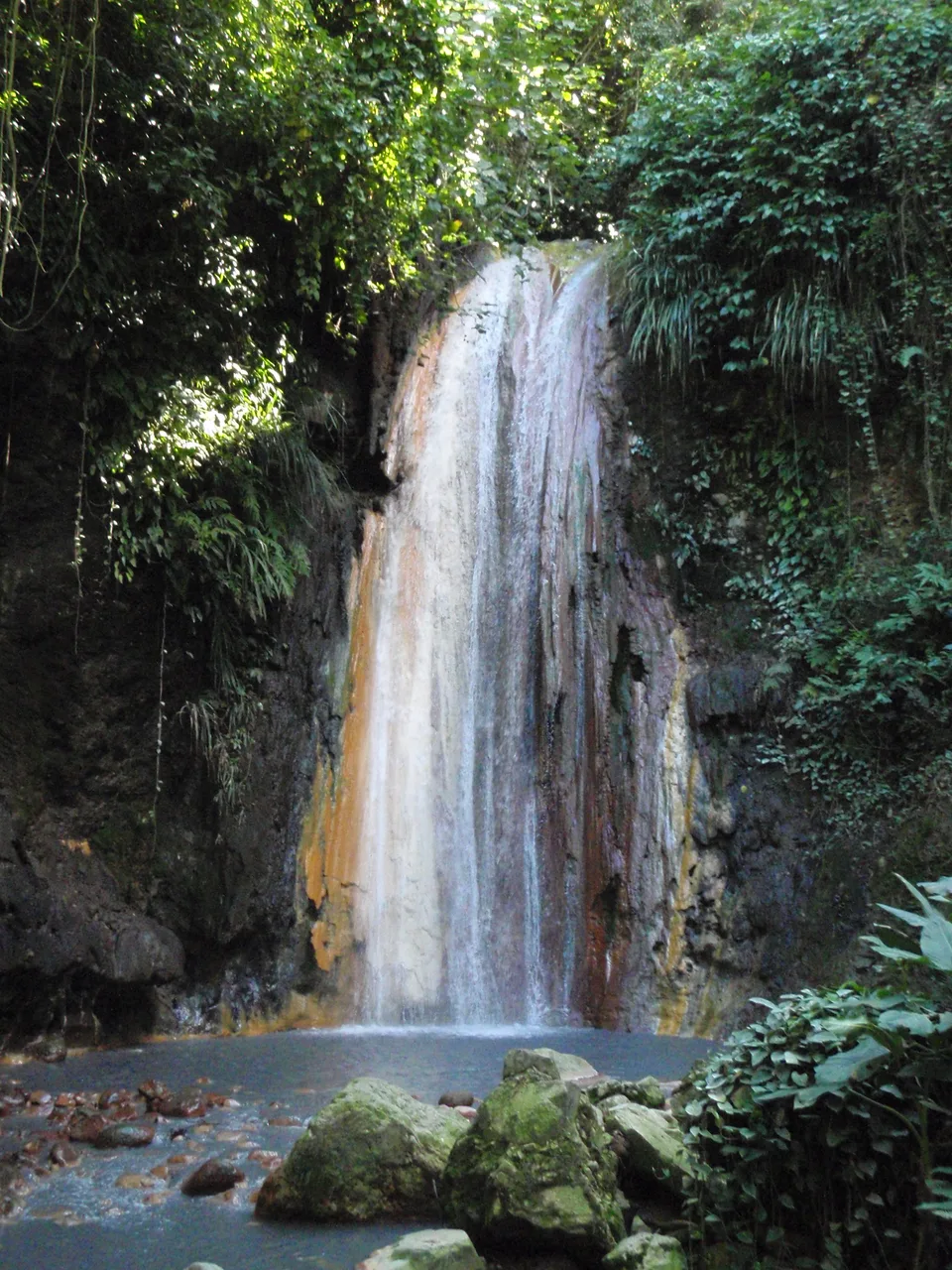
Diamond Falls Botanical Gardens’ visitor information supplies unusually useful planning detail. When checked on 26 October 2026, the operator listed adult garden admission at US$7 or EC$17.50, with children half price. It listed public mineral baths at US$6 or EC$15 and private baths at US$7 or EC$17.50. Confirm which admissions your chosen ticket includes.
Those are the operator’s published prices in each currency, rather than a calculation of the currencies’ exchange rate. Tickets are sold at the gate. Published hours are 10am–4pm Monday to Saturday, with a 3pm close on Sundays and public holidays. Recheck before setting out and allow at least an hour for the gardens and waterfall.
The mineral-stained Diamond Waterfall is a different experience from the designated bathing facilities. Plan to view the falls rather than assuming you can swim beneath them. Add time if you intend to use the baths, and check personal suitability without relying on promotional claims of therapeutic benefits.
See geothermal activity at Sulphur Springs
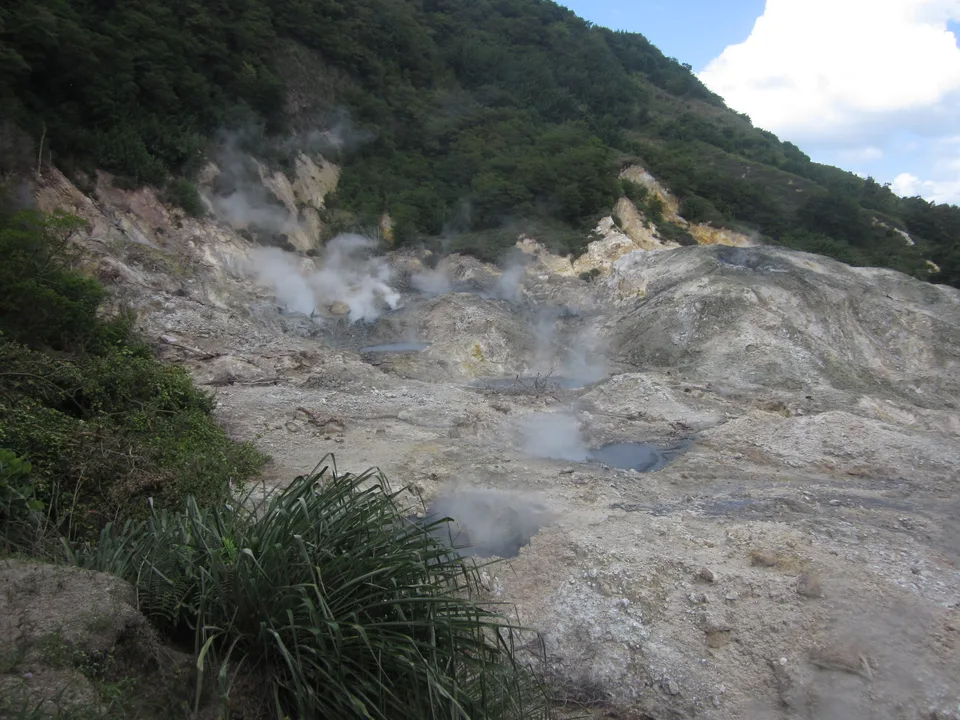
The Sulphur Springs visitor area makes the island’s volcanic origins visible through steaming vents and bubbling geothermal features. A guided viewing route and the designated mud-bath experience serve different interests. Ask which parts are included in a tour, how long the visit lasts and whether changing facilities are part of the arrangement.
Stay on the visitor route and follow staff instructions around hot ground and water. Accessible by vehicle does not mean every surface or bathing area is suitable for every visitor. If heat, fumes, steps or a medical condition could be an issue, raise it with the operator before booking rather than discovering a limitation on arrival.
Bring the items your booking actually requires, including a towel and suitable swimwear if bathing. Leave jewellery and unnecessary valuables at your accommodation. Treat the visit as a geothermal or leisure experience. There is no need to make a health claim for it to be interesting, and a bath is not a substitute for medical treatment.
Make a beach day about access and conditions
The tourism authority identifies Anse Chastanet and nearby Anse Mamin as worthwhile coastal destinations, with reef experiences around Anse Chastanet. Choose a beach day around your swimming ability, the conditions and how you will get there, rather than assuming every cove offers the same facilities or easy access.
Before leaving, check the current access route and any rules governing parking, equipment, loungers, restaurants or resort facilities. Being able to visit a beach does not establish that privately operated amenities are included. Agree a return pickup if you are relying on a driver or boat, especially when travelling with children or carrying snorkelling equipment.
Ask locally about currents, boat movements and the appropriate area to enter the water. The absence of a warning flag is not evidence of safe swimming. Use a reputable operator for unfamiliar reef or diving activities, explain your experience level and avoid touching coral.
Compare airports and the full arrival journey
Saint Lucia has two airports that should not be confused when booking connections. Official arrival guidance places Hewanorra International Airport, UVF, at Vieux Fort, while George F. L. Charles Airport serves inter-island travel near Castries. Check the airport printed on each flight segment, including any connection that requires changing airports.
For a Soufrière stay, compare the flight price with the onward transfer, arrival time and exact hotel approach. Tourism material gives approximate journey times, but weather, traffic and the property’s location can change the experience. Ask your accommodation for a realistic current transfer estimate and arrange the pickup around the actual flight details.
Confirm whether the quote is per vehicle or per person, which currency applies, and whether luggage, child seats and waiting time are covered. Keep a contact method for delays. After a long flight, a pre-arranged journey may be worth the extra cost, particularly when the final approach is unfamiliar or you arrive after dark.
Use local transport with a return plan
The tourism authority’s transport guidance identifies authorised taxis by light-blue plates with a TX prefix and minibuses by green plates with an M prefix. Minibus operating times vary by route. Its published EC$2.50–8 range is island-wide guidance, not a verified fare for a particular Soufrière journey.
Confirm the fare and return arrangements directly before boarding. A route serving town does not necessarily stop at a hillside property or attraction entrance. Keep sufficient local cash and leave flexibility for the final connection. For a day combining several sights, compare the total cost of separate journeys with a clearly itemised driver arrangement.
Driving gives flexibility but requires preparation. Saint Lucia drives on the left, and visitors need the appropriate temporary permit as well as meeting the rental company’s conditions. Ask the supplier to explain insurance, excess, roadside assistance and permit arrangements. Inspect the vehicle, photograph existing damage and allow time for narrow roads and unfamiliar gradients rather than building a tight schedule.
Start with Saint Lucian food
The island’s official culinary introduction explains a useful menu distinction: green fig and saltfish combines unripe bananas with salted fish. The green fig is not the sweet fruit its name might suggest to a visitor. Callaloo, breadfruit, cocoa and locally available produce offer other ways to explore Saint Lucian food without relying on a fixed restaurant checklist.
Ask what is available that day and how a dish is prepared. A market visit or cooking experience can be particularly useful for someone considering a longer stay, because it connects meals with ingredients you might buy yourself. Confirm dietary needs directly, including ingredients in sauces and how food is handled.
Leave some room in the itinerary for an ordinary meal near your accommodation. A distant dinner reservation needs a return journey as well as an appetite. If choosing a special occasion restaurant, check reservations, dress requirements and the complete bill in advance; an attractive view does not tell you the menu price or the transport cost.
Budget in the currency actually quoted
Saint Lucia uses the Eastern Caribbean dollar, generally written EC$ or XCD; US dollars are also widely accepted in visitor settings. Always establish which currency a price uses. A dollar sign alone is insufficient when comparing a driver, restaurant, excursion and accommodation quote from different suppliers.
Build your budget around confirmed costs rather than an invented town-wide daily average. Separate the room, meals, airport transfers, local transport, admissions and optional activities. Diamond Gardens’ published admission gives one concrete benchmark, but it does not predict the price of a guided mountain outing or a boat trip. Ask whether taxes, service charges and equipment are included.
For shopping, compare the practical weight and transport of your purchases as well as the price. Food, cocoa products and crafts may suit different luggage allowances and destination customs rules. Keep a payment reserve for unexpected changes, and retain receipts for significant purchases.
A four-day itinerary with room to change
Use the first day to settle in, understand the immediate area and confirm the following morning’s arrangements. Explore the waterfront or town in daylight if that suits your location, then have an uncomplicated dinner. Someone arriving late should move this orientation to the next morning instead of squeezing it into a tired evening.
On day two, visit Diamond Gardens and choose either Sulphur Springs or another modest outing. The combination offers contrasting scenery without requiring a summit climb. Keep day three for a guided Gros Piton hike if appropriate, or substitute a coastal experience. Do not make a strenuous activity compulsory for the entire party.
Reserve day four for a beach, a missed attraction or simply more time in a place you enjoyed. Confirm onward transport and pack around your departure arrangements. This sequence is a starting point rather than a timetable: move outdoor activities to suit conditions and availability, and leave the final travel day free of plans that could jeopardise a flight.
Choose a season and keep watching the weather
The tourism authority presents December to May as a favourable visiting period for Soufrière’s outdoor attractions. That is a broad planning preference, not a promise of clear skies. Rain can affect a particular mountain path, beach or road even when the season generally suits the holiday you have in mind.
Saint Lucia’s meteorological service identifies the Atlantic hurricane season as 1 June to 30 November. Follow its current forecasts and warnings close to travel rather than treating a seasonal outlook as a prediction for your dates. Severe weather can affect journeys and services, so check the flexibility of bookings and the scope of your insurance.
Pack for sun, showers and activity rather than a single forecast icon. Grip matters on damp paths, while a change of clothes can make a wet excursion more comfortable. If an operator advises against a trip, use the spare day.
Make safety part of ordinary planning
Read the current official safety advice for Saint Lucia before travelling. It reports serious crime, including armed robbery and assault, and advises using licensed taxis, securing accommodation and avoiding isolated areas after dark. Keep valuables discreet, carry only what you need and agree how you will return from an evening out.
There is also a specific packing restriction worth knowing: camouflage clothing is illegal for civilians, including children. Check clothes and accessories before departure. For outdoor plans, ask about conditions and the operator’s safety arrangements rather than assuming a scenic setting makes an activity low risk.
Save your accommodation address and an emergency contact offline. If travelling separately, share the plan and expected return time with someone in your party. A charged phone and a clear pickup arrangement are useful on a routine excursion too. Choose a manageable day over an overloaded one when tiredness, heat or unfamiliar surroundings make decisions more difficult.
Test a longer stay through normal weekdays
Soufrière may appeal to someone who wants landscape and a smaller-town setting, but a holiday does not answer every relocation question. Try an ordinary week with shopping, laundry, appointments and any lawful work or study commitments before choosing a long lease. Test the actual commute at the times you would make it.
Inspect housing in person where possible. Record the condition, inventory, deposit terms, notice period and responsibility for repairs in writing. Establish who owns or is authorised to rent the property. A short-stay listing price is not evidence of a representative monthly rent, and this guide does not offer an unsupported local rental average.
For a household, map the services you personally need rather than assuming they are all nearby. Confirm school admission, childcare, accessibility, pharmacy supplies and any specialist appointments directly. Test mobile reception and internet at the address during the hours you expect to use them. The view may be compelling; the daily routine still has to work.
Check water storage and household responsibilities
Water deserves a specific question when viewing accommodation. In a 12 June 2026 notice about Soufrière’s supply, WASCO described low inflows and managed distribution affecting the area. That dated notice is evidence of a service challenge, not proof of conditions at every property in October or at the time of your future stay.
Check WASCO’s current service information and ask the landlord about the address’s supply schedule, storage capacity, pump and arrangements during interruptions. Establish who maintains tanks and equipment. Request an explanation of electricity and water billing, any shared meters, unpaid balances and which costs are included in the rent.
Ask to see how the household functions when a service is interrupted. Backup power may serve only selected equipment, and a tank is useful only if it is maintained and filled. For a longer tenancy, keep meter readings and a written handover record.
Arrange healthcare before you need it
Check whether the destination can meet your own healthcare needs before committing to a long stay. The official health advice for Saint Lucia notes that serious cases may require medical evacuation and recommends adequate insurance and accessible funds. Private facilities may have payment requirements that differ from the arrangements you know at home.
Ask an insurer about planned activities, pre-existing conditions, length of stay and evacuation cover. A policy suitable for a short beach holiday may not suit residence or a strenuous mountain excursion. Carry prescriptions and verify the rules and availability for any regular medication rather than assuming the same brand can be bought locally.
For a medical emergency, the published ambulance number is 911. Keep the exact address available and contact your insurer promptly if referred for treatment. Before moving, identify appropriate routine care and the practical route to appointments. A nearby visitor attraction or luxury property does not establish access to the specialist services your household may require.
Separate a visit from permission to move
Use the official visa and electronic entry guidance for your nationality and intended stay. Air arrivals can complete the government electronic immigration form up to three days before travel; the tourism authority describes one form per family and an emailed QR code. The arrival form does not replace a visa where one is required.
Tourism, employment, study and permanent residence are different purposes. Obtain current instructions from the relevant authorities before accepting work, enrolling or making a relocation commitment. The government’s Work Permit Unit is a contact route for employment questions; Labour Code provisions address work-permit applications and decisions. An application or an ordinary visitor admission should not be treated as permission to start working.
Regional arrangements can affect eligibility, but do not assume every CARICOM passport provides identical work or residence rights. Ask about the route that applies to you. Compare Castries, Vieux Fort and Gros Islet destination pages for alternative bases, and use VisaWand’s Saint Lucia destination and consultation options to prepare focused questions.
Official planning resources
Reviewed 26 October 2026. Use the official resources linked throughout this guide for admission, transport, housing and immigration decisions. Prices, services and rules can change; confirm the details relevant to your dates. Photography illustrates the locations and is not a live view.
View all official resources
- Saint Lucia Tourism Authority: Soufriere
- UNESCO: Pitons Management Area
- Diamond Gardens: Soufriere Estate history
- Saint Lucia Tourism Authority: Piton climbs
- Diamond Falls Botanical Gardens: tickets and opening hours
- Diamond Falls: the waterfall
- Saint Lucia Tourism Authority: Sulphur Springs
- Saint Lucia Tourism Authority: Anse Chastanet and Anse Mamin
- Saint Lucia Tourism Authority: arrival options
- Saint Lucia Tourism Authority: getting around
- Saint Lucia Tourism Authority: food and culinary culture
- Saint Lucia Meteorological Services: seasonal notices
- Saint Lucia Meteorological Services: forecasts
- UK FCDO: Saint Lucia safety and security
- WASCO: Soufriere managed supply, 12 June 2026
- WASCO: service notices and customer information
- UK FCDO: Saint Lucia health
- Saint Lucia Tourism Authority: visa and electronic entry form
- Government of Saint Lucia: electronic immigration form
- Government of Saint Lucia: Work Permit Unit
- Government of Saint Lucia: Labour Code
Plan the next part of your journey
Explore the Saint Lucia guide, browse other cities or compare consultants for your travel and relocation questions.