Visa

Castries is a working capital with a useful place in an island trip
Castries offers a different Saint Lucian experience from a resort stay. Its harbour, market, shopping streets and public institutions make it a place to observe everyday life as well as visit landmarks. For a traveller, a well-planned day can combine the commercial centre with a beach or a hilltop historical site. For someone considering a move, the capital is a starting point for testing practical routines.
The tourism authority’s Castries overview introduces the capital and nearby Vigie Beach. The important distinction is between the compact central streets and the wider area advertised under a Castries address. A hillside room, a beachfront resort and a central apartment can involve very different daily journeys.
Use VisaWand’s Saint Lucia location directory and destination page for wider context. Spend a full day on the city rather than treating it only as a transfer stop. With three days, you can add a northern outing and leave time to understand the capital beyond the waterfront.
Rebuilding is part of the city’s history
The tourism authority’s account of Castries describes how the great fire of 19 June 1948 changed the city. That history helps explain why a walk here does not resemble a uniformly preserved colonial town. Look for the relationship between surviving landmarks, later buildings and the working streets around them instead of expecting an uninterrupted historic façade.
Derek Walcott Square and the nearby cathedral provide a good focus for that introduction. The cathedral’s murals, associated with Saint Lucian artist Sir Dunstan St Omer, are a reason to look beyond its exterior when visitor access permits. The story of the city involves both civic life and artistic achievement, not only a list of former colonial buildings.
Begin with a short orientation walk, then choose where to spend longer. Traffic, heat and the activity of a working centre can make repeated backtracking tiring. A small number of well-chosen stops usually reveals more than racing between every pin on a sightseeing map.
Match the area to the journeys you want
For accommodation searches, distinguish central Castries from Vigie and the surrounding hills, then compare those with the northern visitor areas. The tourist board’s regional overview places Rodney Bay and Gros Islet in the north and the Pitons around Soufrière on the west coast. These are different bases, with different strengths, rather than neighbourhoods of one walkable capital.
A city-centre address may suit appointments, shopping and daytime exploration. A beach address may better suit repeated swimming, while a hillside property demands a close look at the access road and transport arrangements. Ask for a map pin and confirm the entrance rather than relying solely on a district name.
Prospective residents should test journeys to work, school, groceries and medical appointments before choosing a lease. For holidaymakers, count the trips you expect to make most often. A room with a lower nightly rate can be a poor bargain if every meal, beach visit or errand requires a separate transfer.
Give the market a proper morning
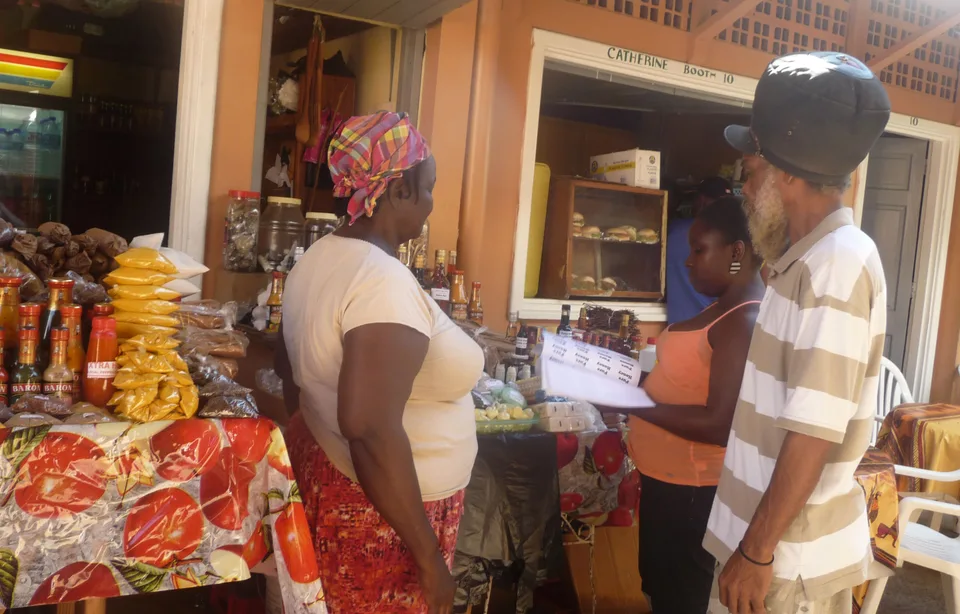
Castries Market is one of the best reasons to spend time in the centre. Use the Castries City Council website for the municipal context and current contacts rather than assuming a tour operator’s description establishes opening arrangements. The value of a visit lies in seeing produce, household shopping and crafts together, not simply buying a souvenir on the way back to a ship.
The tourism authority’s guide to Saint Lucian weekends identifies Saturday as a particularly lively market time. Go with enough time to browse, ask about unfamiliar produce and find something to eat. Ask before photographing vendors, especially when your camera is directed at a person rather than a general street scene.
Check prices and currencies before paying, and ask whether a food portion includes its accompaniments. For packaged spices or sauces, look at labels and consider the customs rules where you are returning. Carry a manageable amount of shopping; a large bag of purchases is inconvenient when the rest of the day includes a hill visit or the beach.
See the cathedral and square without interrupting daily use
The Cathedral Basilica of the Immaculate Conception and Derek Walcott Square form a natural central pairing. This is a place for a slower stop between the market and another part of town. The painted interior rewards attention when the church is open, but a working cathedral has priorities that differ from those of a ticketed attraction.
Check locally about visitor access and services, keep your voice low and follow any photography instructions. Dress appropriately for a place of worship. If a service or private ceremony prevents a visit, use the square as your stop and return another time rather than treating the building as continuously available.
Avoid building your whole day around an unverified opening time or admission claim. A useful central circuit leaves flexibility for this kind of change. Travellers with limited mobility should ask about the particular entrance and interior route; proximity on a map does not establish step-free access or comfortable conditions throughout the building.

Morne Fortune adds history and a wider view
The Saint Lucia National Trust’s Morne Fortuné guide describes historic military sites, surviving buildings, cemeteries and the setting around Sir Arthur Lewis Community College. It explains that the site was fortified in 1768. This gives an uphill excursion a purpose beyond taking a panorama of the harbour.
Treat the area as a set of sites rather than one continuously staffed museum. The Trust says there are no entry fees for its Morne Fortune sites, while separate guided or digital experiences can have charges. Check current access and respect college activity, memorials and burial places. Do not assume every historic building is open to enter.
Arrange transport for the ascent and return if you are unsure about the walking route or your party’s stamina. Hills, exposure and wet surfaces can change the difficulty of an apparently short journey. Take water, keep the programme selective and leave time to read the interpretation rather than stopping only for a photograph at a viewpoint.
Vigie Beach is an option close to the capital
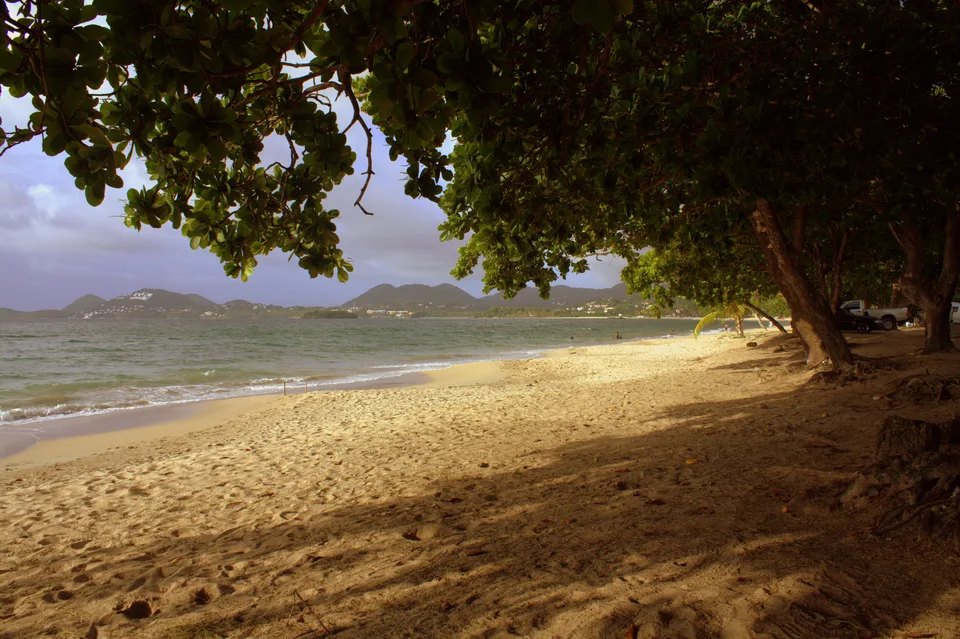
Vigie offers a practical way to add coastal time without turning a Castries day into a long island excursion. Choose it for a beach walk or a relaxed break after the centre, while deciding whether the conditions actually suit swimming when you arrive. A tourism description of generally calm water is not a guarantee for your particular day.
Work out the route from your actual starting point. A cruise berth, a central hotel and a hillside apartment are not interchangeable origins. If using a taxi, agree where and when to meet for the return. Keep the driver’s details and the accommodation address available without depending on a live internet connection.
Ask about shade, toilets, changing arrangements and any paid facilities before settling in. Children and less confident swimmers need supervision suited to the conditions. Leave time to dry off and change before another visit; beachwear is not appropriate for every stop in the capital. A separate, unhurried coastal afternoon can be more enjoyable than a rushed swim between appointments.
Accommodation decisions should start with the exact address
The Ministry of Tourism’s accommodation listings provide an official starting point for checking properties. A listing or licence category does not establish availability, current prices or suitability for your needs. Compare the operator’s own terms and contact the property about practical details before committing.
For a short city visit, ask about reception hours, luggage storage and access to the places you want to reach on foot. For a longer stay, a kitchen, laundry, reliable internet and reasonable grocery access may matter more than a pool photograph. Establish whether beach access belongs to the property or involves another facility and a separate journey.
Read the full price, including taxes, cleaning charges and any electricity allowance. Confirm cancellation terms, deposits, sleeping arrangements and parking. At a hillside property, ask about steps between the vehicle drop-off and the room. If arriving after dark, obtain clear check-in directions and an available contact. The most suitable accommodation is the one that supports your actual programme.
Check which airport is on your ticket
The Saint Lucia Air and Sea Ports Authority manages George F. L. Charles and Hewanorra International airports. Their locations are central to planning: George F. L. Charles serves the Castries area, while Hewanorra’s official airport contact information places it at Vieux Fort in the south. An airport transfer is not automatically a short journey just because your booking says Saint Lucia.
Read the airport code on each flight and give it to the transfer provider. Confirm the exact accommodation, number of passengers, luggage and any child-seat requirement. Ask for a total price and currency, and check what happens if the flight is delayed. Allow for road conditions and stops rather than treating an online driving estimate as a guaranteed arrival time.
For departure, separate check-in time from the time needed to reach the airport. A northern stay followed by a Hewanorra flight needs a properly planned transfer. Avoid placing a distant excursion on the final morning unless the operator can accommodate your flight schedule with a realistic margin.
Minibuses and taxis serve different needs
The tourist board’s getting-around guidance identifies minibuses by green number plates with an M prefix and authorized taxis by light-blue plates with TX. Minibus operations vary by route. Establish where to board, where the vehicle finishes and how to make the return journey before relying on one for a timed appointment.
The published general minibus fare range is EC$2.50–EC$8, but that is not a quotation for every journey or a promise that your accommodation is directly served. Confirm the fare and the final walking section. With substantial luggage, limited mobility or a late arrival, a prearranged transfer may be the more practical choice.
For taxis, agree the price before setting off, including the party size, bags and any waiting. If hiring a car, confirm insurance, the excess and the visitor-permit arrangements with the rental company. Driving is on the left. Inspect the vehicle at collection and consider whether you are comfortable with the roads before making driving essential to every day of the trip.
Local food can anchor a city day
The tourism authority’s Saint Lucian street-food guide is a useful introduction to dishes you may encounter around markets and community gatherings. Green fig and saltfish pairs unripe bananas, locally called figs, with seasoned salted fish. Accra are savoury fritters, while bakes provide another starting point for a snack or a meal.
Ask what is freshly available and how it is served rather than assuming every stall offers the same menu. Explain allergies clearly and ask about preparation, particularly with fish, fried foods and mixed dishes. Check portion size and sides before ordering for children or a group with different appetites.
A market meal can fit naturally between central visits, leaving a more relaxed evening near your accommodation. There is no need to hunt down a long list of foods in one day. For self-catering, check storage and cooking equipment before buying more than you can use. Bring water and plan regular breaks; carrying on through the heat simply to reach another restaurant rarely improves the experience.
Budget in EC dollars and price the journeys separately
Saint Lucia uses the Eastern Caribbean dollar, identified as XCD or EC$. The Eastern Caribbean Central Bank’s 2026 Monetary Council communiqué confirms the peg of EC$2.70 to US$1. That monetary relationship does not mean every cash transaction or card conversion will be offered at exactly the same effective rate after charges.
Ask whether a quoted dollar amount is EC or US before paying. Build the budget from your accommodation, airport transfers, local transport, meals and selected activities. In Castries, the cost difference between a central day and a day involving several private transfers can be more significant than a small saving on lunch.
Do not apply visa fees or a general transport range as a daily living-cost benchmark. For household planning, request actual rent terms and recent utility bills. Keep a reserve for an alternative transfer or changed excursion, with a backup payment method. Separate admission from guides, equipment and transport when comparing packaged outings; similar descriptions can conceal quite different inclusions.
Plan for the wetter season and the hills
Saint Lucia Meteorological Services’ climatology distinguishes a drier December–May period from a wetter June–November period. Its George F. L. Charles station data relate specifically to the northern Castries area, making them more useful here than assuming all parts of the island receive identical rainfall.
The drier months still have rain, and the wetter months do not mean every day is lost. Build in flexibility: a central morning can include an indoor stop, while a hill visit or coastal excursion can move when conditions warrant. Check the Meteorological Services’ current forecast and advisories close to travel, particularly before boating or spending time on exposed ground.
For accommodation in the hills, ask about drainage and access during heavy rain. Choose footwear for wet paving as well as a beach. Keep essential documents and electronics protected and allow extra journey time when weather disrupts the roads. Travel arrangements should respond to actual warnings rather than a broad seasonal label or an old forecast copied into a guide.
Three days with room for the city and a northern outing
Use day one for the market, square and cathedral, with a lunch stop and time to learn the central layout. If the market is a priority, aim for a Saturday morning when your itinerary allows. Keep the afternoon selective: a beach break and an uphill historical visit need not both be forced into the same day.
On day two, visit Morne Fortune with a clear transport plan and enough time for its interpretation. Add Vigie later if the conditions and your energy suit it. A relocation visitor can replace that afternoon with property viewings and a grocery trip, then test the return to temporary accommodation at a realistic hour.
Day three can focus on Pigeon Island and the northern area, checking current access before departure. Keep Soufrière and the Pitons for a separate, properly planned programme rather than adding them at the end. Cruise visitors should reduce this plan to a central circuit or one timed excursion, using the actual berth and all-aboard deadline as fixed limits.
Pigeon Island and other bases deserve separate consideration
Pigeon Island National Landmark’s operator page describes the site’s heritage and its connection to the mainland. It also explicitly warns that entrance fees are being revised. Check the latest charge and opening arrangements with the National Trust, including temporary closures around maintenance and events, rather than treating an old advertised price as guaranteed.
Choose the parts of the site that suit your party. Historical exploration, a viewpoint walk and beach time involve different effort, equipment and exposure. Confirm what is included in an excursion and how long you will have on site. A cheaper transfer with a very short visit may not meet your expectations.
Rodney Bay and Gros Islet are alternatives when the northern visitor scene is your priority; VisaWand’s Gros Islet location page helps you compare the area. Marigot Bay offers another west-coast base, while Soufrière suits a programme around southwestern landscapes. The Vieux Fort location page provides context for the southern airport area. Compare the entire stay, including your airport journeys, instead of trying to experience every area through repeated trips from one address.
Moving here begins with a household route test
Start a relocation assessment with temporary accommodation and ordinary weekday journeys. Find the actual entrance to a prospective workplace or school, test the commute, and locate groceries and medical services you would use regularly. A pleasant holiday route says little about the same journey with shopping, rain or a fixed start time.
Inspect housing carefully. Check ventilation, air conditioning where installed, water pressure, cooking facilities, internet performance, signs of leaks and the condition of access steps. Ask about parking, evening noise, repairs and any backup arrangements. Establish how deliveries and waste collection work at that address; the City Council’s services information is a useful municipal contact point.
Read the lease for deposits, notice, utilities, visitors and payment arrangements. Photograph the inventory and condition before moving in. For a purchase, obtain independent legal advice and verify ownership and any permission applicable to your circumstances. Renting or buying a property does not itself confer immigration status, employment permission or a right to remain permanently.
Water, electricity and healthcare need address-specific checks
WASCO’s service-application guidance distinguishes new connections and account changes, with owner documentation and permission relevant in some circumstances. Establish which procedure applies to an existing rental before paying a deposit or assuming the landlord has completed it. The provider’s connection requirements also recommend private water storage for interruptions: ask what is installed, how it is maintained and who is responsible.
For electricity, the government’s new domestic-installation guidance describes inspection and licensed electrical work before connection. That process should not be confused with a routine change of occupant. Confirm the existing supply and billing arrangement, and record meter details at handover. Test internet service in the property rather than relying on a general coverage claim. The tourist board’s practical trip-planning page identifies FLOW and Digicel as telecommunications providers. Check the service available at your address, installation timing and contract terms directly. For remote work, test a video call and your backup mobile connection before relying on the property for a full working week.
Use government health information to identify the appropriate services, then confirm the current location, appointments and payment arrangements directly. Arrange continuity for prescriptions and ongoing treatment before moving. Visitor insurance, resident eligibility and specialist availability are separate questions; an accommodation booking does not resolve any of them.
Tourism, employment and study require different permissions
Check the government’s non-immigrant visa service for your nationality and purpose. It publishes EC$125 for single entry and EC$190 for multiple entry, with applications requested at least two weeks before travel. Confirm the applicable documents and passport validity directly; general visitor advice and visa-application checklists use different wording. A processing estimate is not an approval guarantee.
The official electronic immigration-form page encourages air arrivals to complete the form within three days before travel and retain the emailed QR code. It is separate from a visa. For a longer stay or study, contact the Immigration Department and the institution before making commitments.
For employment, consult the Work Permit Unit listing and the published Labour Code about the appropriate permission or exemption. Regional mobility arrangements have specific conditions; the CSME skills-certificate service is a separate route to investigate where relevant. Do not assume tourist admission or a pending application permits work. VisaWand’s consultant listings can help you compare advisers for individual circumstances.
Official planning resources
Reviewed 17 October 2026. Use the official resources linked throughout this guide for admission, transport, housing and immigration decisions. Prices, services and rules can change; confirm the details relevant to your dates. Photography illustrates the locations and is not a live view.
View all official resources
- Saint Lucia Tourism Authority: Castries
- Saint Lucia Tourism Authority: Castries history
- Saint Lucia Tourism Authority: places and regions
- Castries City Council
- Saint Lucia Tourism Authority: weekend rhythms
- Saint Lucia National Trust: Morne Fortuné
- Ministry of Tourism: accommodation listings
- Saint Lucia Air and Sea Ports Authority: background
- SLASPA: airport contacts
- Saint Lucia Tourism Authority: getting around
- Saint Lucia Tourism Authority: street food
- Eastern Caribbean Central Bank: 112th Monetary Council communiqué
- Saint Lucia Meteorological Services: climatology
- Saint Lucia Meteorological Services: current weather
- Saint Lucia National Trust: Pigeon Island
- Castries City Council: services
- WASCO: new connections and account changes
- WASCO: new-connection requirements
- Government of Saint Lucia: new domestic electrical installations
- Saint Lucia Tourism Authority: practical trip planning
- Government of Saint Lucia: 2025 health summary
- Government of Saint Lucia: non-immigrant visa
- Saint Lucia Tourism Authority: electronic immigration form
- Government of Saint Lucia: Immigration Department
- Government of Saint Lucia: Work Permit Unit listing
- Government of Saint Lucia: Labour Code
- Government of Saint Lucia: CSME skills certificate
Plan the next part of your journey
Explore the Saint Lucia guide, browse other cities or compare consultants for your travel and relocation questions.