Visa
Decide whether the journey makes sense now
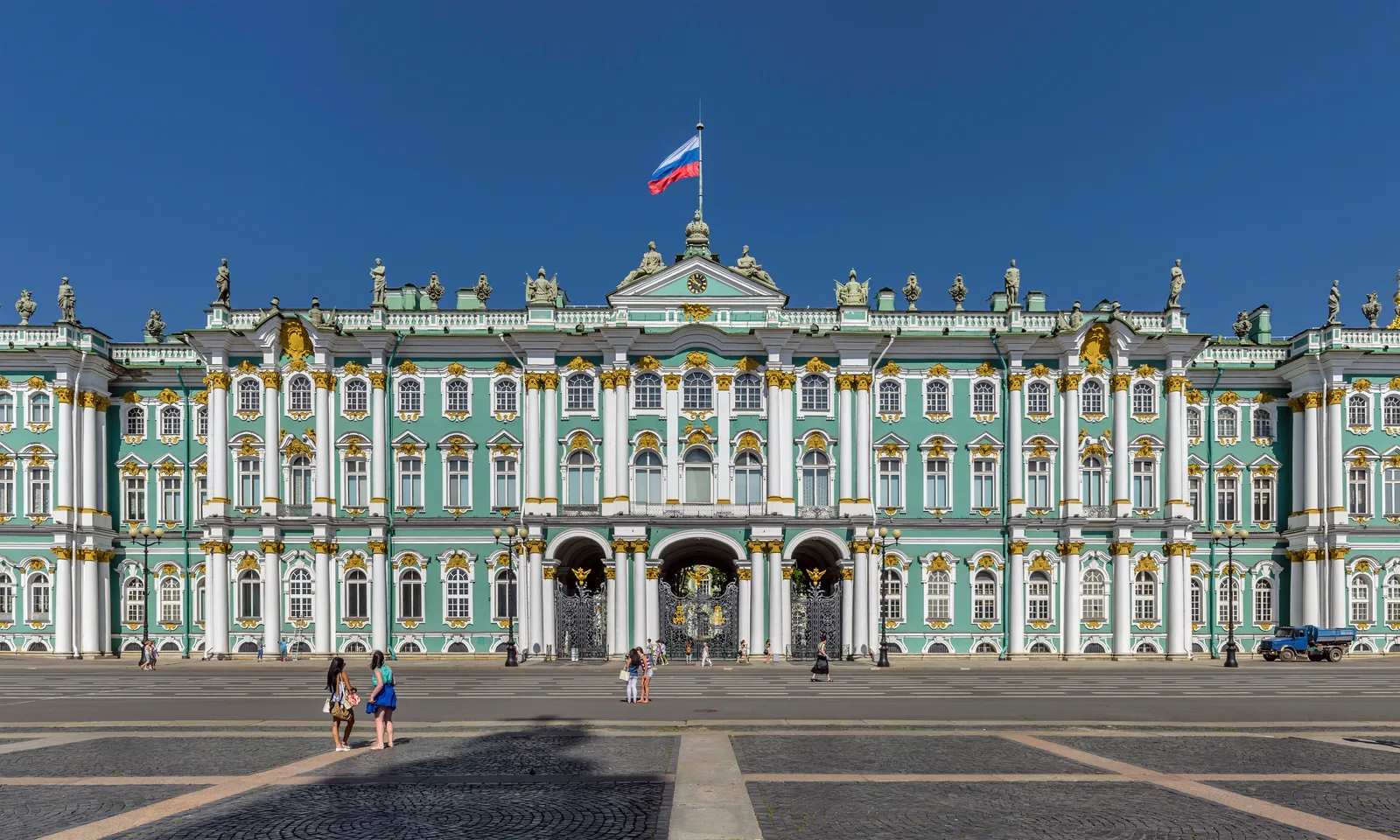
Saint Petersburg rewards sustained attention: a palace frontage across a vast square, a cathedral spire above the Neva, a museum visit that can occupy most of a day. Its appeal comes from the relationship between buildings, streets and water. This is a city for people interested in art, architecture and history, with enough substance for repeated visits rather than a rapid circuit of famous photographs.
The first decision, however, concerns current conditions. At this guide’s October 2026 review, the UK Foreign, Commonwealth & Development Office advises against all travel to Russia. It identifies security incidents, detention risks, restricted consular support and disruption to aviation. Travelling against that advice can affect insurance. Readers of other nationalities should check their own government’s position, alongside Russian entry requirements, before making financial commitments.
For essential visitors and people assessing a future trip, practical preparation matters particularly here. Establish a lawful way to pay, reliable contact arrangements and workable departure plans before choosing museum dates. VisaWand’s Russia country guide provides wider country context; the city-specific decisions follow below.
Read the city through its changing history
Peter the Great began Saint Petersburg’s urban project in 1703. Its setting at the Neva estuary, where the river meets the Gulf of Finland, shaped the extraordinary scale of its embankments and public spaces. Baroque palaces and neoclassical ensembles became parts of a coordinated cityscape rather than isolated monuments.
The UNESCO World Heritage listing covers the historic centre and related groups of monuments, including surrounding imperial residences. Understanding that wider ensemble helps explain why a palace excursion belongs to the city’s history even when it takes you beyond the central streets.
Its successive names also mark political change: Petrograd from 1914, then Leningrad from 1924 until 1991. The revolutions of 1917 and the siege of 1941–1944 are essential parts of its story. Give these histories room alongside imperial interiors; the city’s character cannot be reduced to courtly splendour.
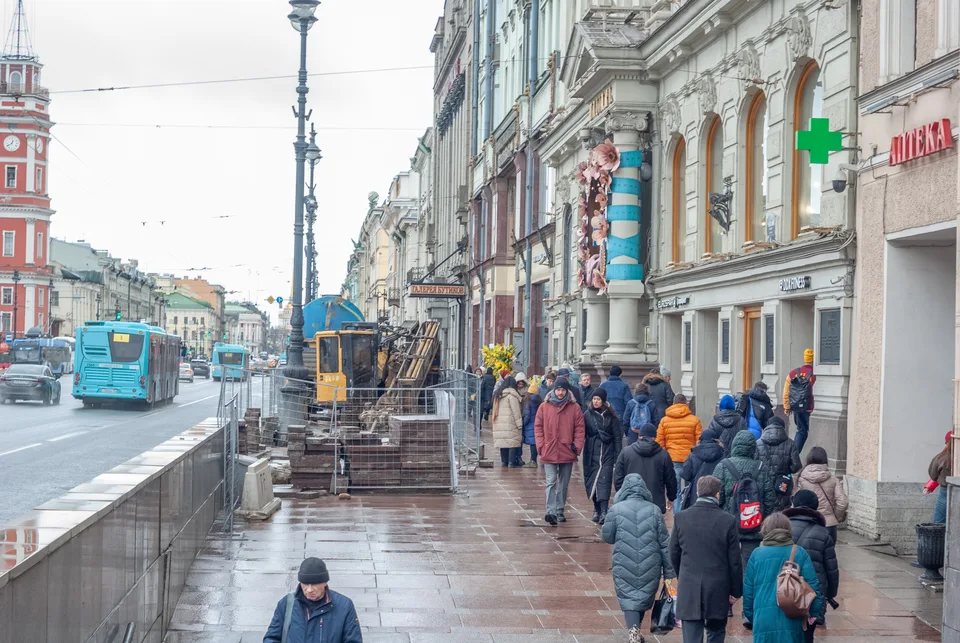
Use Nevsky Prospekt to understand the centre
Nevsky Prospekt provides an initial organising line, running for more than four kilometres between the Admiralty end of the centre and Alexander Nevsky Square. Museums, theatres, shops and restaurants stand along it or on nearby streets. Its length matters: an accommodation listing that says “on Nevsky” does not necessarily put you beside Palace Square.
Choose a manageable section for your first walk, then turn onto adjoining streets rather than treating the entire avenue as one compulsory march. Around the central museum area, compare the actual walking route from a hotel to the entrance you intend to use. A straight line on a booking map says little about crossings, courtyard entrances or time spent orienting yourself.
Moskovsky railway station lies near Vosstaniya Square, farther along the avenue. That end may suit a rail arrival, while the western central area better matches a visit concentrated on the Hermitage and nearby monuments. Make the choice around your itinerary.
Compare the islands with the central districts
The Petrograd Side deserves consideration for the fortress and early city history. Across another part of the river, Vasilievsky Island offers a different street pattern. Its Andreevsky Boulevard pedestrian section on the sixth and seventh lines, between Bolshoy and Sredny prospects, is a useful place to look beyond the most monumental squares.
These areas can also be accommodation choices, but weigh the address against your daily destinations. A riverside view and a simple evening journey are separate advantages. Check the nearest useful metro station, the walking distance to it and the consequences of late-night bridge openings before paying for a room on either side of the Neva.
For a first short stay, concentrate your sightseeing geographically. Pair attractions on the same side of the river and leave time for the waterfront itself. Crossing repeatedly to collect scattered sights can consume the hours you hoped to spend inside them.
Give the Hermitage a properly planned visit
The Hermitage’s Main Museum Complex operates timed admission. Tickets apply to the selected day and session, so settle the date before organising other fixed activities. The museum currently lists opening from 11:00 to 18:00 on Wednesday, Thursday and Sunday, and until 20:00 on Tuesday, Friday and Saturday. It closes on Mondays, 1 January and 9 May; ticket offices stop selling an hour before closing.
Allow a substantial block of time and choose priorities before arrival. A focused visit with pauses is more rewarding than trying to cover every room. The Main Museum Complex, General Staff Building and other Hermitage locations have separate visitor information: verify which building and collection your chosen ticket covers.
Check eligibility carefully before assuming a concession applies. Some categories depend on age, citizenship or enrolment in Russian institutions. Confirm accessibility arrangements directly if you need them, and save admission details where you can retrieve them without mobile data.
Visit the fortress as a collection of museums
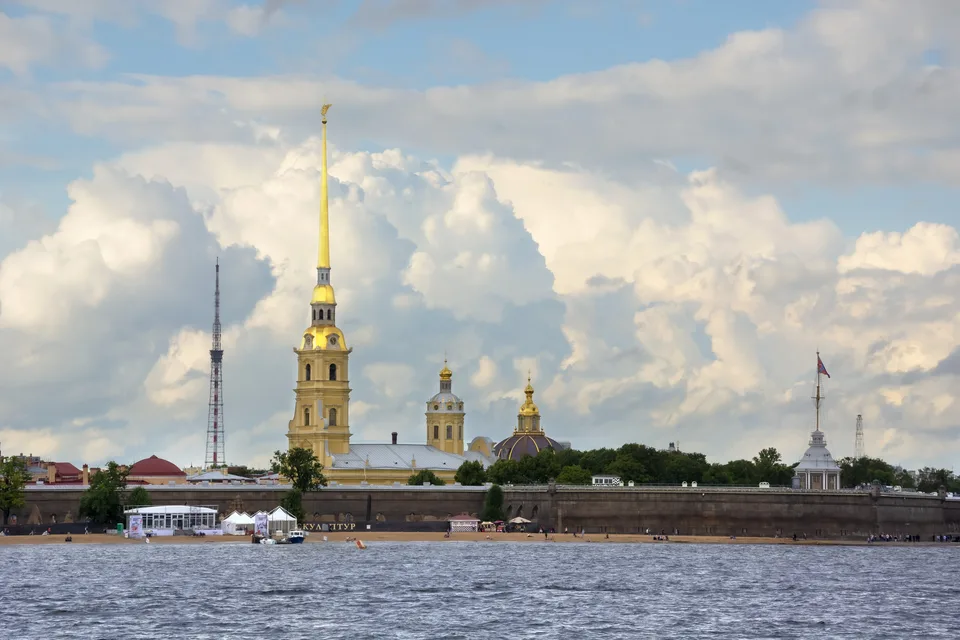
Peter and Paul Fortress contains several distinct experiences. The official museum lists the cathedral and Grand Ducal burial chapel, the history of the Trubetskoy Bastion prison, displays about the fortress and an exhibition covering Saint Petersburg and Petrograd from 1703 to 1918. Decide what you want to understand before choosing tickets.
This is an opportunity to broaden a visit beyond decorative palace rooms. The prison exhibition and city-history displays offer different subjects, while the riverside setting gives a useful visual relationship to the opposite embankment. Do not assume one general opening time or ticket automatically covers every interior.
The museum identifies Gorkovskaya and Sportivnaya as nearby metro stations. Check the approach appropriate to your chosen entrance, particularly if walking distances matter. Keep the remainder of the day flexible: combining a considered fortress visit with another major museum can leave little time to absorb either.
Add a smaller museum and a contrasting landmark
On the Petrograd Side, the Cabin of Peter the Great presents early city history on a much smaller scale. The Russian Museum describes the wooden structure, built in 1703, as Saint Petersburg’s oldest building. It stands at 6 Petrovskaya Embankment, with Gorkovskaya listed as its metro station. The published weekly schedule closes on Tuesdays; confirm the chosen date before making a special journey.
For a different architectural encounter, consider Saint Isaac’s Cathedral. Its massive columns and prominent dome provide a contrast with the modest cabin. Treat an interior visit and any proposed elevated viewpoint as separate planning questions: establish what is open, what your admission includes and whether the route suits your mobility.
Avoid filling every remaining gap with another ticket. An unhurried walk between a museum and the river can provide a better sense of the city than arriving tired at a final attraction shortly before closing.
Give Peterhof a day of its own
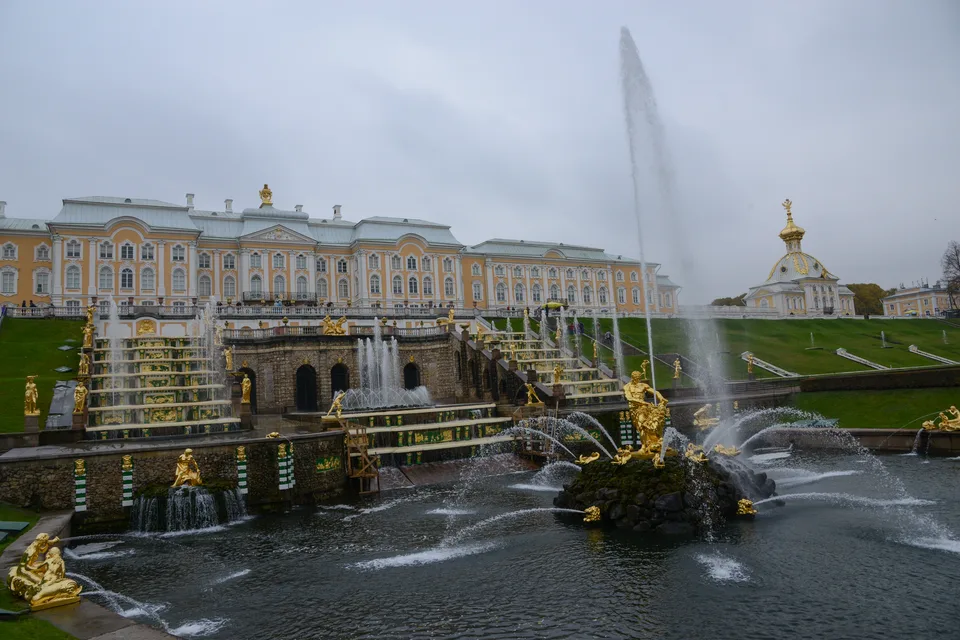
Peterhof works best as a dedicated excursion, with the journey and chosen park or palace visits planned together. Its gardens and interiors require different decisions, and a photograph of flowing fountains does not establish their operating schedule for your dates. Use the official date-based opening and price planner, checking the individual places you intend to enter.
The museum’s ticket guidance identifies the Upper Garden as free throughout the year. That does not mean the Lower Park or palace interiors are included. Admission categories differ, and discounted Russian, Belarusian or tax-resident rates should not be mistaken for the price every foreign visitor pays.
A further practical detail: tickets normally permit one passage. Leaving a park and returning may require another ticket, so organise meals and meeting points accordingly. Some smaller museums depend on suitable weather. Confirm the outward and return transport actually operating that day, with a fallback if conditions change.
Arrive through Pulkovo with a workable connection
Pulkovo Airport’s transport information lists buses 39 and 39E to Moskovskaya metro station, and 82E to Prospekt Veteranov. Each currently displays a fare of 88 roubles. Departures are from the terminal’s first floor; the buses bring airport-bound passengers to the third floor. These are connections to metro stations, rather than a single direct ride to every central hotel.
The airport advertises intervals of five to seven minutes for route 39. It also identifies a Podorozhnik travel-card sales kiosk outside the terminal near the bus stop. Its advertised hours are 08:00–20:00, with a 13:00–14:00 break. An arrival outside those hours needs another payment arrangement. Confirm accepted payment before boarding rather than relying on a foreign-issued bank card.
For a late flight or substantial luggage, request a confirmed transfer quote from your accommodation and establish the payment method beforehand. Keep the hotel address in Russian offline. Leave a generous margin for immigration, transport changes and onward connections; published bus intervals are not guaranteed door-to-door journey times.
Plan ordinary travel and the night-time return
Use the metro for suitable longer journeys and walk between nearby central sights. Check the current network and station access for the route you actually need; a nearby station is helpful only if its connections fit your day. For surface transport, establish the accepted ticket or travel-card arrangement before travelling. Calculate trips from your own itinerary before deciding that a pass offers value.
The Neva’s bridges create a distinctive evening constraint. ITMO University’s explanation of the drawbridges describes how their opening during the navigation season interrupts direct crossings. More distant road crossings exist, so the city is not simply divided into unreachable halves, but a late return may become considerably longer.
Choose a bridge-viewing position with the journey home in mind. Ask your accommodation about current local arrangements and notices rather than relying on an old screenshot of opening times. If you have an early airport departure, assess that transfer separately before staying out late.
Choose accommodation by access and practical support
The official accommodation directory offers a starting point across several areas, including the centre and Petrograd Side. It is a listing service, so verify standards, room details and booking terms directly. The property’s ability to receive you, process payment and help with arrival arrangements matters as much as its photographs.
Ask about foreign-guest registration, check-in hours, cancellation conditions and the exact entrance. For an apartment, establish who will meet you and what happens if your flight is delayed. For a historic building, request specific information about stairs and lifts rather than interpreting “central” or “renovated” as an accessibility guarantee.
Compare a complete stay price, including any separately charged services. Confirm whether breakfast, kitchen access or laundry would reduce your other expenses. A room farther from your main activities may still suit you, but price the additional journeys and time before treating its lower nightly rate as a saving.
Make payment arrangements before making promises
Payment is a fundamental planning issue. The UK government’s entry and money guidance confirms that Visa and Mastercard cards issued outside Russia do not work in Russian shops or ATMs. Other non-Russian payment arrangements may also fail. Do not interpret a hotel or restaurant’s “cards accepted” notice as confirmation that your particular card works.
Budget in roubles and agree a lawful, usable payment method with major providers before arrival. Foreign currency is not a substitute for roubles in ordinary transactions. Use authorised exchange channels and check the customs rules applicable to any cash you carry, including departure restrictions. Sanctions obligations also depend on your nationality and circumstances.
Keep a realistic reserve for an extended stay or changed departure. Avoid committing the entire budget to prepaid activities, and retain receipts and booking confirmations. If you cannot establish access to enough money for the whole journey, resolve that problem before travelling rather than expecting an ATM to solve it.
Eat with a useful sense of price and ingredients
Menus can be more useful than a supposedly universal daily food budget. As a concrete example, Metropole’s published menu lists borsch with smoked beef at 790 roubles, Siberian dumplings with sour cream at 980 and beef stroganoff at 1,610. These are one restaurant’s advertised dishes and prices, checked during research, rather than a city average or a claim based on personal dining experience.
Use that kind of comparison to decide how many full restaurant meals you want. Read the complete menu before sitting down and allow separately for drinks, additional dishes and anything not included in a set offer. Recheck prices when ordering.
Dietary requirements need direct discussion. A soup, salad or vegetable dish may contain meat stock, dairy or other ingredients that its short English name does not reveal. Prepare a clear written explanation in Russian if necessary. Accommodation with a usable kitchen offers another option, particularly for a longer stay or tightly controlled diet.
Combine shopping with everyday needs
Nevsky Centre stands at 114–116 Nevsky Prospekt, opposite Moskovsky railway station, near Ploshchad Vosstaniya and Mayakovskaya metro stations. Its published visitor information identifies shops alongside groceries, a pharmacy, dry cleaning and other services. That makes it a practical reference point for ordinary needs as well as shopping.
The mall advertises daily opening from 10:00 to 23:00 and the Azbuka Vkusa supermarket from 07:00 to midnight. Individual businesses and holiday arrangements may differ, so verify the service you require. A pharmacy’s presence does not establish that it stocks your medicine or accepts an overseas prescription.
For purchases to take home, retain receipts and check the rules before buying antiques, art or historically significant objects. Avoid assuming that an item offered for sale can automatically be exported. For household shopping, prioritise what your accommodation already supplies; bulky purchases make little sense before a tenancy and its inventory are settled.
Choose a season around daylight and conditions
Saint Petersburg’s White Nights are a consequence of its northern latitude: around the summer solstice, twilight continues through the night. They are not the same as continuous direct sunshine. June and early July suit travellers interested in long evenings, but bring an eye mask or ask about effective curtains if light affects your sleep.
The city’s maritime and continental influences produce changeable conditions, with humid summers, cold winters and winter thaws. Dress for the forecast rather than a single seasonal image. A waterproof outer layer and footwear suitable for wet walking are useful considerations; winter trips require particular attention to warmth and slippery surfaces.
Choose the activities first, then test the season against them. An art-focused visit needs fewer outdoor operating assumptions than a trip built around parks, fountains and boats. In colder or wetter weather, shorten open-air stretches and allow indoor breaks. Avoid basing a booking on old climate averages presented as a weather forecast.
Build a realistic three-day plan
For travellers who have assessed the current advice and decided to proceed, a three-day stay can establish a sense of the centre without claiming to exhaust it. Reorder the days around closures, arrival times and available admission sessions.
Day one: take a manageable central stretch of Nevsky Prospekt, orient yourself around Palace Square and the embankment, and choose one nearby interior if time and energy permit. Leave space to resolve practical tasks such as transport payment and finding your accommodation entrance.
Day two: reserve the Hermitage as the principal visit. Select collections beforehand and keep the later afternoon or evening uncommitted. A museum day is demanding even without several additional attractions.
Day three: choose between the fortress and Petrograd Side, or a dedicated Peterhof excursion. Combining both would undermine the time each deserves. With a fourth day, take the option you omitted. Treat a night-time bridge outing as an additional commitment with a confirmed return plan, rather than an automatic ending to every day.
Assess housing and commuting before relocating
A successful visit does not establish that a longer move is workable. Begin with the exact workplace or study location, then test candidate accommodation against a normal daily commute. Include station access, transfers, winter walking and late returns. For students, the relevant teaching building and allocated residence may matter more than a university’s best-known central address.
Inspect a proposed tenancy carefully: rent, deposit, payment schedule, utility responsibility, internet provision, heating arrangements, inventory and termination conditions should be understood in writing. Ask who handles necessary registration at the address where you will actually live. Do not pay for a nominal address that does not correspond to your accommodation.
Avoid using an unsupported citywide rent average as a decision tool. Request comparable, current offers for the area and property type you need. The government guidance on living in Russia points readers towards professional help with property and residence questions. Obtain advice appropriate to your nationality before entering a substantial commitment.
Arrange health, connectivity and household essentials
For urgent medical help, call 112 and request an ambulance. Official health advice recommends arranging cover for treatment and medical evacuation; EHIC and GHIC cards are not valid in Russia. Establish which provider can treat you, how payment works and how to contact assistance if ordinary international services are unavailable.
For an extended stay, confirm your own healthcare entitlement and any required examinations through your employer, institution or migration adviser. Do not assume visitor insurance provides every service required for work or study. Check essential medicines and their import documentation before departure.
Connectivity also needs preparation. Saint Petersburg University’s international guidance describes identity, account and biometric requirements for obtaining a Russian SIM. Buying one can involve more than a quick shop visit. Save addresses, tickets and important contacts offline, and agree a backup contact method. Before choosing long-term housing, verify internet access, nearby groceries, laundry arrangements and any school or childcare place your household needs.
Separate tourism from work, study and residence
The Russian MFA’s unified electronic visa portal sets out nationality and checkpoint eligibility. Eligible applicants currently receive a single-entry visa valid for 120 days, permitting up to 30 days’ stay within that validity. Arrival and departure days count; validity is not permission to remain for 120 days. Applications are accepted from 86 to four days before intended entry. Check the portal’s passport, insurance and other requirements for your circumstances.
Tourism permission does not establish permission for employment, study or permanent relocation. The university directs prospective students to its admissions and invitation process. For employment, HSE’s regular work-visa guidance for its teachers illustrates why an institutional invitation and the correct visa process matter; its procedure should not be treated as a universal rule for every occupation or nationality.
Get current instructions from the responsible Russian consulate and your host before committing. Use VisaWand’s Russia consultant listings when seeking suitable professional support, checking the adviser’s relevant expertise. Compare the wider Russia destination directory and Moscow destination page if considering alternatives, while assessing each journey’s current restrictions separately.
Official planning resources
Reviewed 24 October 2026. Use the official resources linked throughout this guide for admission, transport, housing and immigration decisions. Prices, services and rules can change; confirm the details relevant to your dates. Photography illustrates the locations and is not a live view.
View all official resources
- Current Russia travel advice
- Saint Petersburg World Heritage ensemble
- Visit Petersburg: Nevsky Prospekt
- Visit Petersburg: Andreevsky Boulevard on Vasilievsky Island
- Hermitage Main Museum Complex visitor information
- Peter and Paul Fortress museum complex
- State Russian Museum: Cabin of Peter the Great
- Visit Petersburg: Saint Isaac’s Cathedral
- Peterhof: date-specific opening and price planner
- Peterhof official ticket guide
- Pulkovo airport city transport
- ITMO University: understanding the city’s drawbridges
- Visit Petersburg: accommodation directory
- Russia entry requirements and payment constraints
- Metropole: published restaurant menu
- Nevsky Centre: location and household services
- Saint Petersburg Encyclopaedia: White Nights
- Saint Petersburg Encyclopaedia: climate and geography
- UK government: living, working and residence in Russia
- UK travel advice: healthcare in Russia
- Saint Petersburg University: international student guidance
- Russian MFA unified electronic visa
- HSE Visa Support Centre: regular work visa for teachers
Plan the next part of your journey
Explore the Russia guide, browse other cities or compare consultants for your travel and relocation questions.