Visa
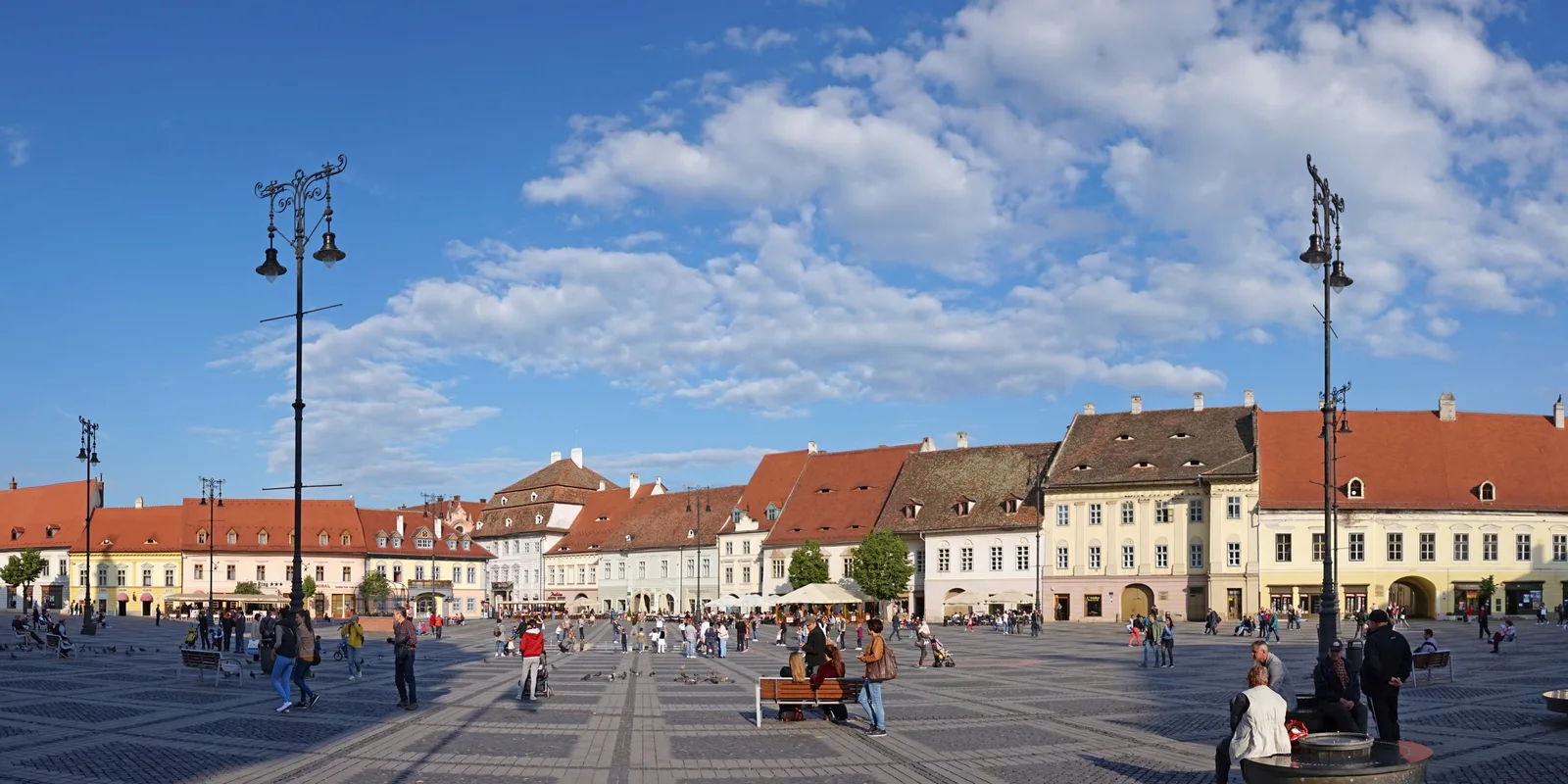
Choose Sibiu for more than a photographed square
Sibiu suits travellers who want a walkable historic centre, substantial museums and a base for exploring part of Transylvania without changing hotels every night. Its appeal is in the relationship between places: the broad squares of the Upper Town, smaller streets descending towards the Lower Town, and a countryside whose buildings, food and craft traditions appear in the city's collections. Allow time to move between those experiences rather than filling a visit with disconnected photo stops.
Three days gives a useful first introduction, with one day largely reserved for the ASTRA open-air museum. A shorter stay should concentrate on the centre and a carefully chosen collection. For anyone considering a move, add weekdays for housing viewings, transport trials and university or workplace appointments. The historic centre can help you decide whether you enjoy the city; it cannot show every practical condition of living across the wider urban area.
Understand the city's several cultural identities
The municipal introduction to Sibiu records a first documentary mention in 1191 and the arrival of Saxon settlers in the twelfth century. Hermannstadt is the German name you will encounter in heritage interpretation. Guilds, religious institutions and later cultural activity help explain the city beyond a simple medieval label. Sibiu shared the European Capital of Culture title with Luxembourg in 2007, an important reference point for its contemporary cultural identity.
Read buildings alongside their present uses. A former defensive structure, a museum in a palace and a square used for events do different jobs in today's city. Avoid assuming that every historic-looking façade is a visitor attraction with public access. Equally, leave room for exhibitions or performances that interest you now: the value of a cultural stay does not depend entirely on seeing monuments. Confirm the current programme rather than reusing dates from an old festival brochure.
Work out the Upper and Lower Town on foot
The official historic-centre route links Piața Mare, Piața Mică and Piața Huet with the older fortified townscape. Start with those squares to establish your bearings, then take a route into the Lower Town. The difference in level is part of the visit. Steps and sloping connections that seem picturesque without luggage can be less convenient when arriving at a guesthouse or returning with shopping.
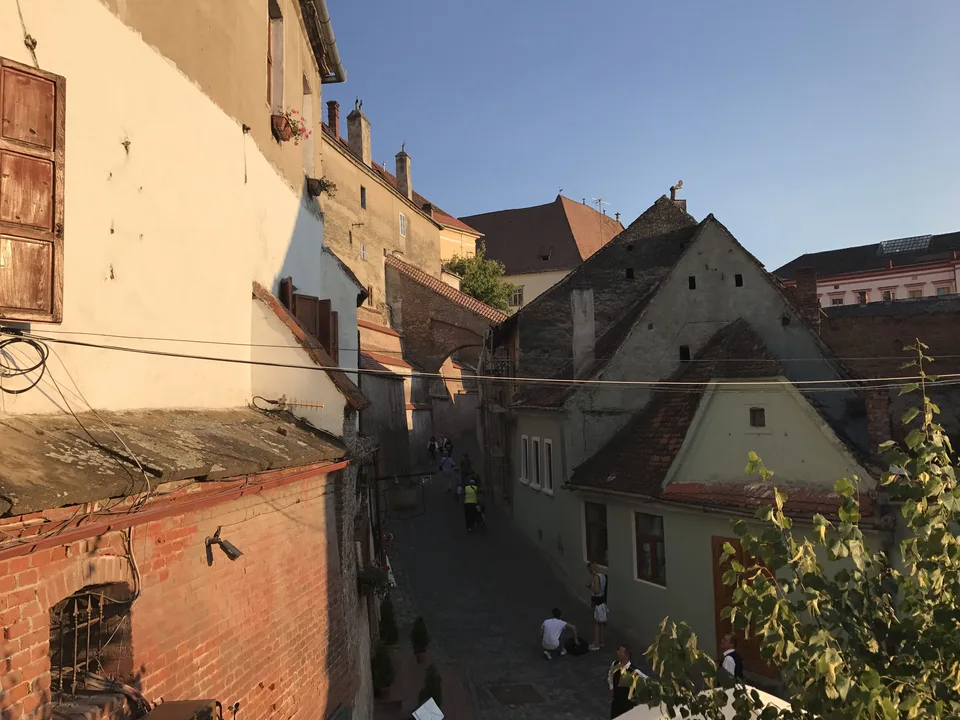
For accommodation, compare the exact entrance with your likely route from the arrival point. Upper Town addresses suit a programme concentrated on the main squares and palace; Lower Town streets offer another perspective on the same centre. Neither description guarantees a level approach, quiet bedroom or parking space. Ask about the floor, lift, courtyard entrance and the final permitted vehicle drop-off. A host's directions can be more useful than a map pin positioned on the nearest square.
Treat the Council Tower as an exterior landmark
The Council Tower's heritage description explains its earlier defensive role and the narrow spiral access to its upper levels. That historical description is not evidence that the observation floor is currently open. City Hall's rehabilitation notice announced works beginning on nineteen January 2026 and a two-year closure to visitors. At this guide's October 2026 review, a tower climb should therefore not form part of an itinerary.
See the building as part of the relationship between the main squares, allowing for the work area and local pedestrian arrangements. Do not buy an experience on the assumption that an older photograph or review establishes access. Check the city's latest announcement if visiting later in the project; a planned duration is not a confirmed reopening date. The closure need not undermine a city break, but knowing about it prevents building a short visit around something unavailable.
Choose the Brukenthal collection you actually want
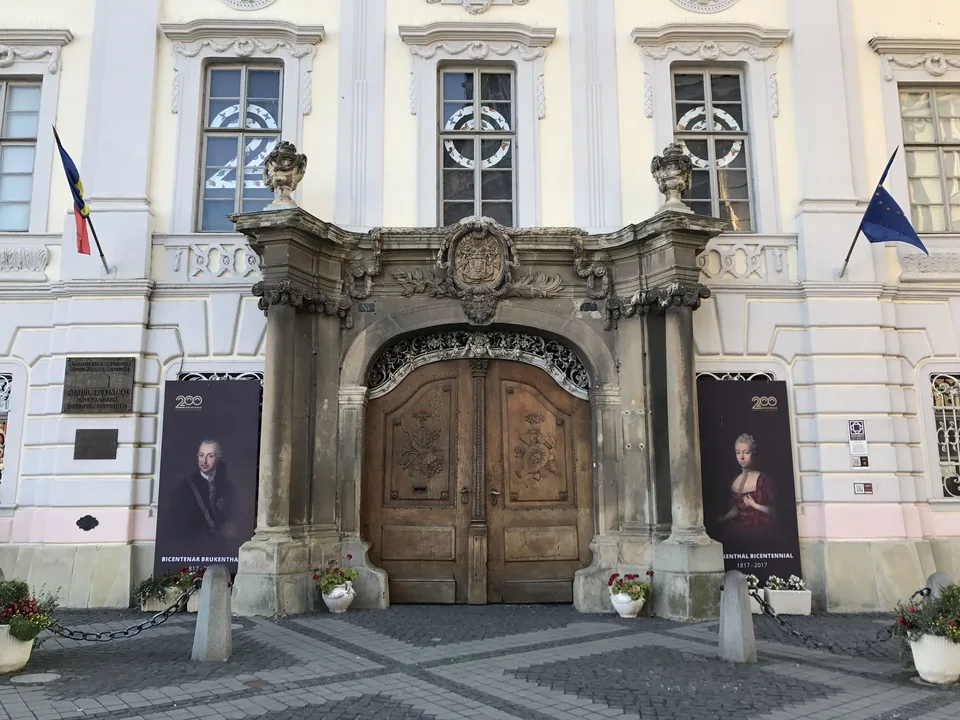
Brukenthal is a group of museum experiences rather than one interchangeable stop. The museum's published price list separates the palace's European and Romanian art galleries from the History Museum at Altemberger House and other collections. At the October 2026 review, it listed adult palace admission at 50 lei and the History Museum at 36 lei. Compare the collection and available time before choosing individual tickets or a broader product.
For an art-focused visit, give the palace a proper session rather than fitting it between meals. For a stronger introduction to the city's past, consider the History Museum as a deliberate alternative. An estimated visiting time does not oblige you to move at that pace. Check temporary exhibitions, concession evidence and any gallery restrictions when booking. A multi-site ticket only makes practical sense if the relevant sites are open during your stay and you want to visit enough of them.
Put museum closure days into the calendar
The Brukenthal visiting-hours page distinguishes the palace from other sites. Its published palace schedule was Wednesday to Sunday, 10am–6pm, with the ticket office closing at 5.15pm. Several other collections used an earlier schedule. Monday and Tuesday closures make a difference to a short break, especially if those are your only full days. Confirm the particular museum rather than transferring the palace's hours to every building.
The same page warned that the Hunting Museum was closed for ordinary visits, with limited group arrangements by appointment. Avoid treating a site appearing in a museum directory as proof of unrestricted admission. If requesting a guided visit, use the museum's advance-booking process and specify the language, party and date. Leave enough time before the final ticket sale to see the collection, and have an alternative if a particular room or building is unavailable.
Give ASTRA a day with room to wander
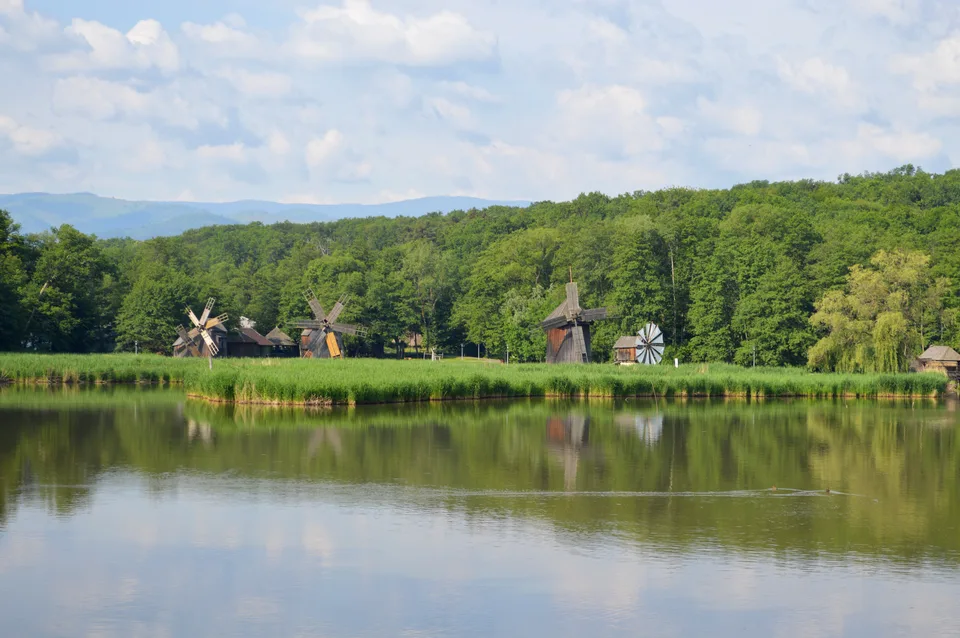
The ASTRA Museum's admission information describes an extensive open-air landscape at Dumbrava Sibiului, with traditional buildings, water, mills and paths through wooded and open areas. It is a different kind of day from moving between central galleries. Plan for walking, pauses and the interests of your party rather than trying to tick off every building. An outdoor setting does not mean every interior or demonstration is available continuously.
The published ordinary adult ticket was 50 lei at the review; annual and family passes were separate products. Use the museum's visitor rules to check the ticket's scope, special events and access conditions before purchasing. Choose clothing and footwear for the conditions, allow a meal break, and identify the route back into town before the visit. If mobility or stamina is a concern, ask about the particular route and facilities you need instead of judging accessibility from a level-looking lakeside photograph.
Add church heritage and a green-space break
The municipal heritage page for the Evangelical Church offers context for the Gothic building and its furnishings. Treat church visiting and any tower access as separate questions requiring current arrangements. Worship, conservation and events can affect sightseeing. Ask about the actual accessible entrance and route if stairs would be difficult, and do not assume that a historical reference to climbing establishes an available service on your date.
For a break from the central streets, Sub Arini Park provides another urban setting to consider. Check municipal notices and on-site signs because improvement projects can change access to particular paths or facilities. A shorter walk and a rest can be a better addition after a museum than another ambitious attraction. When assessing a future home, try the route between the address, a park and everyday shops; those connections tell you more about an ordinary afternoon than a sightseeing map alone.
Pick a stay around the approach and the room
A central hotel or guesthouse can reduce travel for a short cultural visit, while an apartment may suit travellers who want cooking facilities or a longer routine. Compare the total for your dates, cancellation terms and the actual room rather than relying on the broad accommodation category. Ask whether a room faces a square, street or internal courtyard, and whether an advertised kitchen is private, shared or simply a small kitchenette.
For a stay near Sub Arini or beyond the historic centre, price the extra journeys alongside the room saving. Establish where you will buy groceries, how you will return after an evening out and whether the final approach involves steps. Drivers should obtain the parking location and access instructions before arrival; the nearest legal space may differ from the building address. Families should check bed arrangements, bathroom access and a manageable route with a pushchair rather than assuming every central stay works equally well.
Use the airport terminal timetable
Sibiu Airport's public-transport information identifies a dedicated Aeroport Terminal stop in front of the arrivals area for line eleven. Its page also lists services in the airport area, which should not be interpreted as a promise that every listed bus uses the terminal entrance. Check the operator's Aeroport Terminal departures for the relevant day and direction, including the wait after your flight is due to arrive.
At the October 2026 review, the airport quoted 3.50 lei for a sixty-minute city ticket and described contactless purchase aboard Tursib buses. Allow for baggage collection, finding the stop and the onward walk to your accommodation. For a late arrival, compare the last usable bus connection with a licensed taxi or prearranged transfer quote. The scheduled flight time alone does not establish that a particular departure will be reachable, and a roadside stop with an airport name is not necessarily the easiest option with luggage.
Match the Tursib ticket to the boundary you cross
The current Tursib fare table listed an internal sixty-minute ticket at 3.50 lei and an internal calendar-day ticket at 7 lei. These apply within one municipality; products for journeys across municipal boundaries have different validity and prices. A calendar-day product is not a rolling twenty-four-hour ticket. Confirm the area and instructions for your journey before choosing solely by price.
Payment methods also differ between products. The fare table does not show the internal day ticket as available from the bus's contactless purchase facility, although other sales channels are listed. Buy the product you need through a supported channel and follow its validation instructions. For occasional central travel, walking and a few individual tickets may be enough. For regular commuting, compare the appropriate pass and route coverage, including the journey home after your normal finishing time.
Check rail and onward journeys for the actual date
For travel beyond Sibiu, use CFR Călători's official journey planner to compare the available rail services rather than assuming a quick direct connection from geographical proximity. Note the full departure and arrival station, changes and expected arrival time. A journey that works well for an afternoon arrival can be less suitable when it leaves little time before an accommodation check-in deadline or another fixed booking.
Leave margin between separately booked flights, trains and excursions. Check whether your chosen departure point is the railway station or another stop, and locate it before the morning of travel. If using a coach, compare the actual operator's conditions and pickup location with the rail option. Do not treat a low advertised starting fare as the price for every departure. A regional itinerary becomes easier to manage when fewer moves leave time to enjoy the places between them.
Use food to explore the wider region
The county tourism account of regional gastronomy highlights Mărginimea Sibiului's cheeses, meat specialities and baking traditions reflecting several cultural influences. Look for dishes and products identified on menus, asking about preparation and ingredients where dietary needs matter. A regional name does not establish the provenance of every item offered under it. Choose one or two things to investigate rather than expecting every meal to reproduce a complete culinary history.
The official markets information lists Cibin Market and Rahova Market as practical food-shopping options. Visit with time to compare produce, quantities and storage needs, and check individual traders' opening arrangements. For self-catering, establish what refrigeration and cooking equipment you actually have. If buying cheese or meat as a gift, consider refrigeration during travel and the destination's import rules before paying. Markets can help a prospective resident assess everyday shopping, but they do not replace checking the shops and hours near a particular home.
Build a budget from the days you will use
Start with accommodation for your dates, then price the museums you genuinely intend to enter, airport travel, other local journeys and food. The quoted lei amounts are dated examples from official pages, not a guaranteed total for a later trip. A day spent walking the centre has a different cost from a day of several paid collections or a guided excursion. Choose the programme first, then compare relevant ticket options.
Ask for a complete accommodation bill, including compulsory extras, and check how cancellation or a late arrival is handled. Keep a margin for an alternative transfer or a weather-driven change. For relocation, separate one-off costs such as a deposit, temporary lodging and household purchases from recurring rent, utility bills, internet, transport and food. Avoid using an unsupported average rent as evidence that a suitable property will be available to you at that price.
Choose a season for the programme you want
The county council's regional description characterises the area as moderately continental, with conditions varying across its relief. That is a reason to plan the city and mountain outings separately. For a walking-focused visit, compare spring and early autumn dates, keeping flexibility for rain and temperature changes. Summer can suit a longer outdoor programme with breaks from heat; winter calls for warm clothing and attention to surfaces and daylight.
Check the national meteorological service's warnings before an exposed excursion, rather than interpreting a comfortable afternoon in central Sibiu as evidence of conditions at higher elevations. Museum and event schedules also influence the best dates for your interests. Confirm the current cultural programme before paying for accommodation around an expected festival or seasonal market. For a longer stay, ask about heating, insulation and ventilation; the appearance of an attractive historic room reveals little about comfort through a full year.
Use three days without rushing the collections
On day one, establish the Upper Town squares, walk into the Lower Town and choose a market or meal stop. See the Council Tower from outside, allowing for its rehabilitation, and keep the first evening near your base if arrival has been tiring. On day two, make the Brukenthal Palace or History Museum the principal indoor visit, then add church heritage or a shorter park walk according to energy and opening arrangements.
Reserve day three for ASTRA, with time for the journey, the open-air collection and pauses. Swap the museum days if closure dates or weather make that sensible. A mountain outing should replace a substantial part of this programme, not be added as a hurried extra. Prospective residents should similarly exchange a leisure session for a real commute, neighbourhood shopping and a viewing. A useful three-day introduction leaves unanswered questions you can identify, rather than pretending to settle every decision.
Test housing against the weekday you expect
Identify the exact workplace or teaching location before choosing a neighbourhood. An attractive central address may be convenient for museums and less practical for an early work start elsewhere. Test the whole journey, including waiting and the walk at either end. Compare the return after an evening commitment and the route carrying shopping; those are recurring parts of a household routine.
For study, Lucian Blaga University's incoming-student information explicitly says accommodation is not guaranteed and dormitory places depend on availability. Contact the appropriate university service for your programme instead of assuming an admission offer includes housing. Compare a residence with a private rental using its actual contract, eligibility and term dates. Keep temporary accommodation in the initial budget if you cannot confirm a suitable long-term arrangement before arriving.
Check the tenancy and household costs together
View a property and verify the letting party's authority before a substantial transfer. Obtain written terms covering rent, deposit, duration, notice and the charges paid separately. Inspect heating, hot water, appliances, laundry, signs of damp and the internet connection available at that address. Record the condition and meter readings at handover so that the starting position is clear.
ANAF's March 2026 rental-registration guidance explains the relevant owner's obligation to register contracts within its scope; tourist-room income and other exceptions need separate treatment. Ask for applicable evidence rather than assuming a holiday booking and a normal household tenancy follow identical rules. Clarify how utility and building charges are calculated, which supplier accounts you will manage and how waste arrangements work. A furnished room can be convenient at first, but establish whether it supports the cooking, storage and working routine you need.
Separate healthcare arrangements from permission to stay
For eligible temporary visitors, the European Commission's EHIC explanation concerns medically necessary public healthcare under the host country's conditions. It does not replace travel insurance, cover all private care or promise free treatment. A move requires checking the appropriate residence and insurance arrangements rather than relying indefinitely on a visitor document. Ask the relevant insurer about continuing medicines and any documentation needed before departure.
For local administration, identify the procedure that applies to your nationality and purpose. IGI's residence-registration information addresses EU, EEA and Swiss citizens staying longer than three months and the documents required for their circumstances. Other nationals follow the relevant visa and residence route. A signed lease supplies an address and contractual rights; it does not independently establish healthcare entitlement, work permission or a right to remain.
Distinguish visiting from employment and degree study
Use the Foreign Ministry's visa documentation guidance for the intended purpose and competent consular post. Romania is part of Schengen, and the European Commission's short-stay calculator concerns the usual combined ninety-days-in-any-180-days allowance. Moving between Romanian cities does not restart it, nor does arriving from another Schengen state create a fresh national allowance. Check your own document's conditions and previous travel history.
Employment requirements and longer study arrangements are separate from ordinary tourism. University acceptance, a proposed job and the necessary immigration clearance answer different questions. The Foreign Ministry also specifies documents for a digital-nomad category; check the actual eligibility instead of assuming tourist entry permits a longer remote-working stay. Confirm the correct route before a long housing commitment. Temporary permission should never be described as a promise of permanent residence or approval of a later application.
Consider the mountains as a separate outing
Păltiniș's county visitor information introduces the mountain resort as an option beyond the city. Tursib lists a separate tourist service on line twenty-two; its fares and products should be checked separately from an ordinary city ticket. A day there needs a realistic return plan, suitable clothing and an activity matched to the conditions, rather than an assumption that a scenic journey automatically provides an easy hike.
Compare Păltiniș's destination page and Rășinari's destination page as location references when extending the trip. Check the actual route and stops for any combined excursion. For broader preparation, use VisaWand's Romania destination directory and Romania country guide. If a possible move requires individual help, examine relevant consultant listings and professional qualifications, explaining your nationality, intended activity and timescale so that the advice addresses your situation.
Official planning resources
Reviewed 21 October 2026. Use the official resources linked throughout this guide for admission, transport, housing and immigration decisions. Prices, services and rules can change; confirm the details relevant to your dates. Photography illustrates the locations and is not a live view.
View all official resources
- Sibiu City Hall: city history and character
- Sibiu City App: historic-centre route
- Sibiu City Hall: Council Tower
- Sibiu City Hall: Council Tower rehabilitation closure
- Brukenthal National Museum: admission prices
- Brukenthal National Museum: visiting hours
- ASTRA Museum: admission and passes
- ASTRA Museum: visitor rules
- Sibiu municipal heritage: Evangelical Church
- Sibiu City Hall: Sub Arini Park
- Sibiu Airport: public transport
- Tursib: Aeroport Terminal departures
- Tursib: current fares
- CFR Calatori: official rail planner and ticket sales
- Sibiu County tourism: regional food traditions
- Sibiu County tourism: markets and fairs
- Sibiu County Council: regional geography and climate
- Romanian National Meteorological Administration: warnings
- Lucian Blaga University of Sibiu: incoming students
- Romanian tax authority: registering rental contracts, March 2026
- European Commission: EHIC scope and limits
- Romanian General Inspectorate for Immigration: EU residence registration
- Romanian Foreign Ministry: visa supporting documents
- European Commission: Schengen short-stay calculator
- Romanian General Inspectorate for Immigration: employment
- Romanian General Inspectorate for Immigration: studies
- Sibiu County tourism: Paltinis mountain destination
Plan the next part of your journey
Explore the Romania guide, browse other cities or compare consultants for your travel and relocation questions.