Visa
Choose a capital that combines history with everyday city life
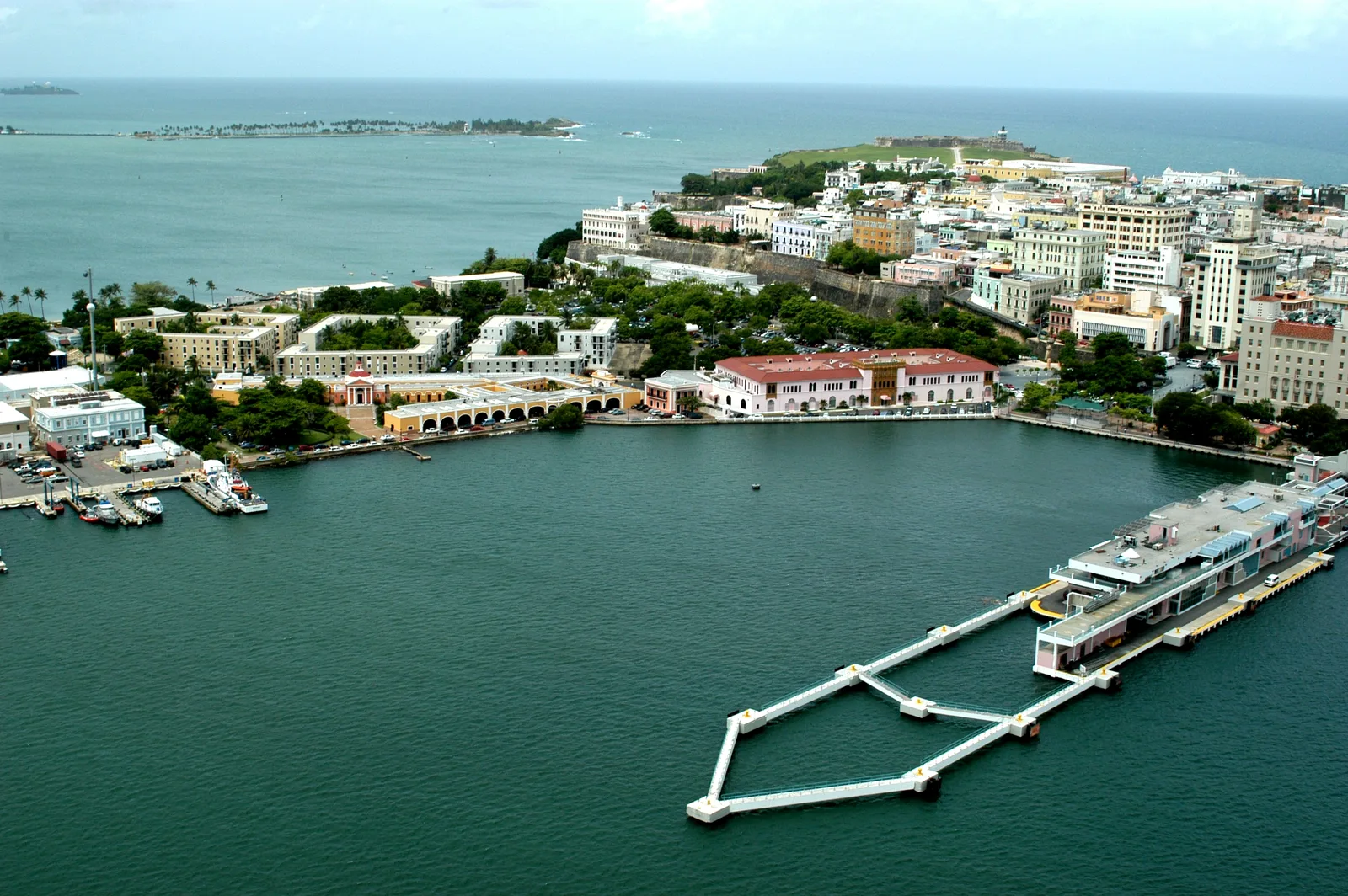
San Juan rewards travellers who want several kinds of holiday without changing hotels: a morning among Atlantic-facing fortifications, an afternoon with Puerto Rican art, and an evening around a working market turned nightlife district. Puerto Rico's capital sits on the island's northern coast. Its historic centre occupies part of an islet; the wider city extends well beyond the postcard streets.
The first planning decision is where to sleep. Old San Juan suits people who want history outside their door. Condado suits a hotel-and-beach routine. Santurce offers museums, restaurants and a stronger sense of the contemporary city. Moving between them takes more planning than a map of the historic centre suggests. Use Discover Puerto Rico's San Juan overview to orient yourself, then build days around areas rather than repeated cross-city journeys.
For a longer stay, the same destination needs a different assessment: commuting, electricity arrangements, medical cover and housing conditions matter more than proximity to a photogenic street. Start with VisaWand's Puerto Rico country guide for wider context.
Read the fortifications as a changing defensive system
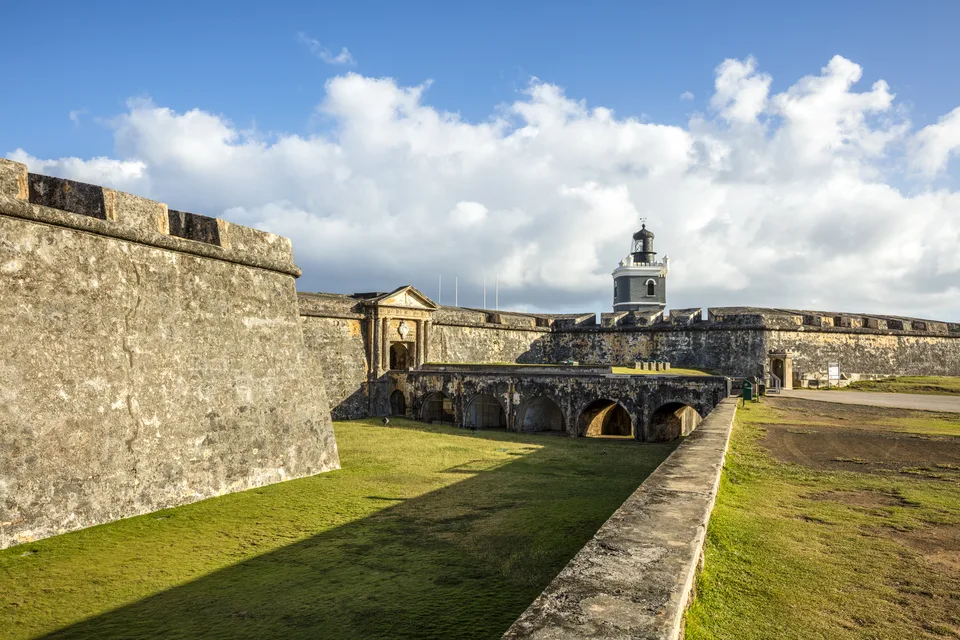
San Juan's walls make more sense when understood as layers of military engineering rather than a single colonial building project. UNESCO's account of La Fortaleza and the historic site describes defences developed between the sixteenth and twentieth centuries to protect the city and its strategically valuable bay. The system includes El Morro, San Cristóbal, El Cañuelo and sections of the city wall.
Look at how each structure relates to the water, surrounding land and approaches to the port. The historic district's appeal extends beyond military architecture, but this geography explains its shape. La Fortaleza remains the governor's seat and residence; do not assume a fort admission ticket includes access there. Nor should the Spanish-built city be treated as the beginning of Puerto Rico's human history: museums offer a broader introduction to Indigenous and African heritage.
Understand the areas before comparing hotels
Old San Juan concentrates the historic streets, plazas and major forts. Puerta de Tierra occupies the eastern part of the same islet and connects the old centre with the wider urban area. Check the actual address when a property advertises itself as being near Old San Juan: that can mean a different daily walking experience.
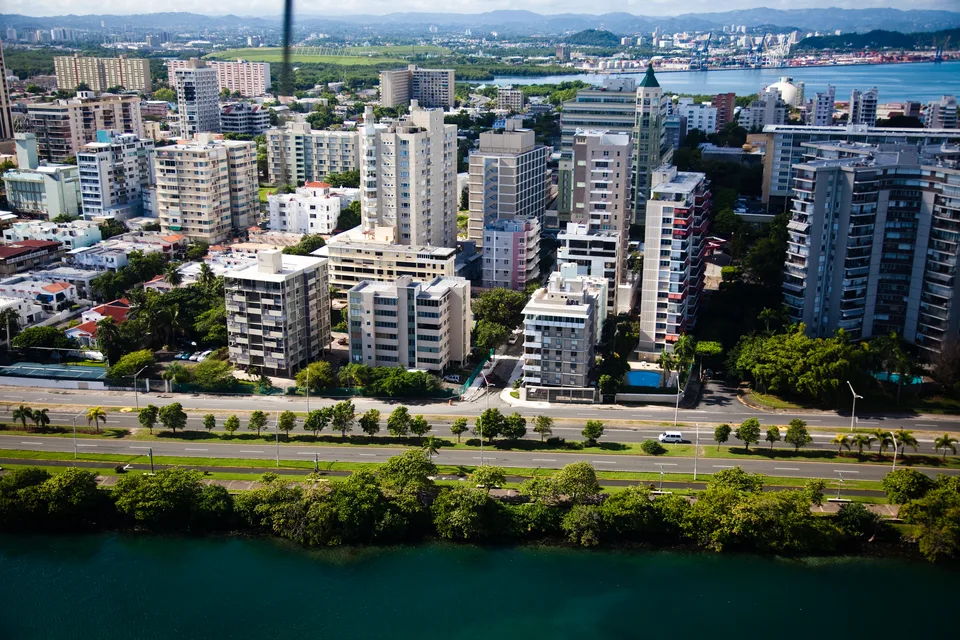
Santurce is a broad part of San Juan, with distinct coastal and inland areas. Condado, Ocean Park and Miramar are useful accommodation names, not separate municipalities. The official Santurce neighbourhood guide introduces its art, dining and Calle Loíza corridor. Hato Rey and Río Piedras deserve consideration for work or university routines, especially where a rail connection helps.
Isla Verde is in neighbouring Carolina, as is Luis Muñoz Marín International Airport. Carolina's visitor information is useful when comparing airport-side beach hotels. Do not confuse Calle Loíza in San Juan with the separate municipality of Loíza farther east.
Give El Morro and San Cristóbal enough time
Castillo San Felipe del Morro faces the approaches to the bay; Castillo San Cristóbal adds another perspective on the city's defences. Allow time to walk, look and read rather than treating them as two quick photographs. Exposed grounds and uneven surfaces make water, sun protection and suitable footwear sensible preparations.
The NPS admission page lists standard admission at US$10 per person, valid for both fortifications for 24 hours. Children aged 15 and under enter free. Payment is cashless, using accepted cards or contactless methods. Two paying adults therefore need US$20 for standard admission, not US$40 for separate tickets to both forts.
Published fort opening hours are 9am–5pm, with closure on Thanksgiving, Christmas Day and New Year's Day. Check current NPS access alerts before choosing a walking route. At this review, an alert posted on 2 October 2026 temporarily closes the route from El Morro's dry moat to Santa Elena Bastion for cliff stabilisation work; it does not announce closure of the entire fort.
Explore Old San Juan beyond a single photo stop
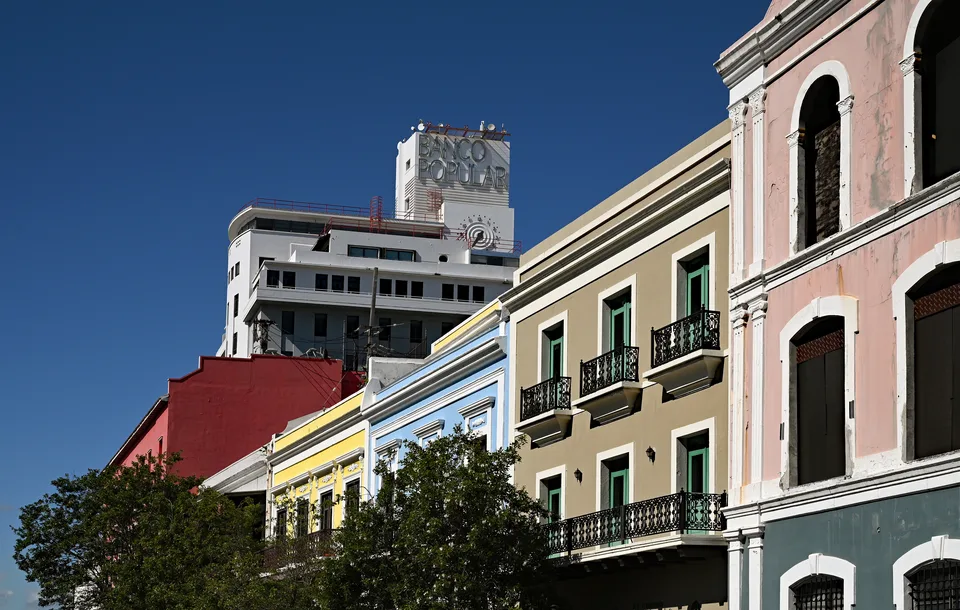
Leave room between the monuments for the streets themselves. Walk a manageable loop through plazas, building façades and the waterfront rather than trying to cover every lane in afternoon heat. Recinto Sur offers a different streetscape from the fort grounds; a café or shaded pause helps turn a checklist into an enjoyable half-day.
Historic buildings can present practical obstacles. Steps, narrow entrances and uneven paving matter when travelling with a wheelchair, pushchair or heavy luggage. Ask accommodation staff about the whole arrival route, including the distance from vehicle drop-off to reception. For visitors with limited stamina, one fort and a museum can be a more satisfying plan than an ambitious circuit of both forts and every waterfront section. Respect barriers and residential entrances when taking photographs.
Add the Americas to the story at Ballajá
The Museo de las Américas, on the second floor of Cuartel de Ballajá, broadens a visit beyond the fortifications. Its collections address Indigenous peoples, African heritage, popular arts and conquest and colonisation. It is a useful choice when you want historical context alongside the architecture.
The museum's visitor information lists adult admission at US$8, including tax. Published weekday sessions run Tuesday–Friday, 9am–noon and 1–4pm; Saturday and Sunday hours are 11am–4pm. The midday break makes timing worthwhile. Check holiday arrangements and accessibility directly when needed. Some transport directions on the museum page use older route names, so use the transport operator's current information for the journey rather than following those directions uncritically.
Make Santurce an art day of its own
The Museo de Arte de Puerto Rico, at 299 Avenida de Diego, anchors an appealing Santurce day. Its Puerto Rican collection and sculpture garden offer a different experience from the old city's military sites. Combine the museum with lunch and a short exploration of nearby streets, allowing time for the exhibition itself.
Check MAPR's current admission and opening information before booking. The museum normally closes on Mondays and Tuesdays; its garden follows a separate timetable. General admission is listed at US$20, with temporary or special exhibitions priced separately. The page gives conflicting wording about tax, so confirm the final total at purchase rather than treating the listed figure as a guaranteed all-in price.
Street art and independent venues give Santurce additional interest, but individual murals and programmes change. Choose a current exhibition or an organised activity that matches your interests rather than expecting every image from an older travel article to remain in place.
Treat a beach day as a weather-dependent choice
Condado, Ocean Park and Escambrón offer coastal time within the urban visit, but the Atlantic is not a swimming pool. A hotel facing the beach does not establish that the water outside is suitable for children or inexperienced swimmers. Decide on the day whether swimming, walking beside the sea or using a pool is the better option.
Consult the National Weather Service's local beach forecast and heed lifeguards, flags and closures. Dangerous rip currents can develop even when the sky looks inviting; a low forecast risk is not a guarantee beside reefs, jetties or other structures. If swimming is central to the trip, compare properties' pool arrangements as carefully as their beach photographs. Keep a museum or food-focused alternative ready when sea conditions are unsuitable.
Choose accommodation for the routine you want
For a short history-focused stay, an Old San Juan hotel or guesthouse can reduce daily transfers. Ask about stairs, lifts, street noise, air conditioning and vehicle access. A characterful room above a lively street may suit one traveller and frustrate another who needs early nights.
Condado offers a convenient base for combining hotel facilities, dining and coastal walks. Ocean Park can suit travellers considering smaller properties or apartments, provided the exact block works for their needs. Miramar is worth comparing for access to the convention area and wider city. Isla Verde adds another beach-hotel option in Carolina.
Compare the final booking total, including taxes, mandatory charges, parking and cancellation terms. For an apartment, verify kitchen equipment, laundry, check-in arrangements and who resolves power or water problems. A low nightly headline can become poor value if every meal and journey requires extra spending.
Cruise passengers should check the exact pier named on their sailing documents before selecting a hotel. A property convenient for a day walking around Old San Juan may still require a vehicle transfer to the assigned embarkation point. Share the pier information with the driver and allow time for check-in rather than navigating solely by the words “cruise port”.
Arrive at SJU with the transfer arranged
Luis Muñoz Marín International Airport, code SJU, is the main air gateway for this visit. Being in Carolina rather than Old San Juan matters when judging hotel claims about location. Leave a generous transfer margin around flights, particularly when crossing the urban area at a busy time.
The airport's ground-transport page places taxi collection at arrivals in Terminals A and B, with the latter serving passengers from B and C. Ride-hailing has designated collection areas; follow current signs and the app's instructions. Check your terminal before walking outside with luggage.
The airport's currently published taxi tariff chart shows base prices of US$17 for Condado, Ocean Park, Miramar or Santurce, and US$21 for Old San Juan and the piers. These are per trip, not per person, and are not complete totals: the chart adds a US$3 airport charge, luggage charges and applicable late-night or extra-passenger supplements. Confirm the full charge with the dispatcher; tolls and tips are excluded.
Use rail where its geography fits
ATI's rail and bus information shows why Tren Urbano is useful for some city routines but not a universal visitor solution. Its 16 stations serve San Juan, Guaynabo and Bayamón. Sagrado Corazón serves the Santurce side of the network; Hato Rey and Río Piedras are important destinations for longer stays. There is no train station inside SJU or Old San Juan.
For buses, check the specific route, operating day and last departure before relying on an evening connection. Airport bus listings and older museum directions should be cross-checked with ATI. Published fare information and temporary collection arrangements have changed during equipment upgrades, so confirm payment requirements before boarding.
Walking works best within a chosen area. A car is less compelling for a short stay concentrated on the old city and museums; it becomes more useful for independent trips beyond the metro area. Price parking, insurance and toll arrangements before renting.
If public transport is essential to your budget, map both ends of each journey before booking accommodation. Include the walk to the stop, any interchange and the return after dinner. Ask how luggage or mobility equipment can be accommodated. Keep enough room in the budget for an alternative when a connection fails, especially on the day of a flight.
Eat around the city's different rhythms
La Placita de Santurce changes character over the day: its market setting gives way to restaurants, bars and a busier evening scene. The official La Placita food and nightlife guide helps distinguish the daytime visit from a late night out. Choose the atmosphere you want, and arrange the return journey before drinking.
Look for Puerto Rican dishes such as mofongo and fritters, then read how a particular kitchen prepares them. Do not assume plantain-based food is vegetarian: ask about meat, seafood, stock and cooking fats. Discuss allergies directly rather than relying only on a translated menu.
For a longer visit, alternate restaurant meals with groceries and simple breakfasts where accommodation permits. Check menu prices, taxes and any service charge before deciding what to tip. A market visit is also a chance to buy something useful for the stay rather than another souvenir.
Build a budget from actual purchases
Use U.S. dollars and separate accommodation, food, transport and activities. A verified example is more useful than a universal daily allowance: two adults visiting both NPS forts within the ticket window and the Museo de las Américas would pay US$36 in standard admission altogether. That excludes meals, transport and other museums.
Collect real room quotes for your dates and add the complete airport transfer. Then estimate how many cross-city journeys your chosen base creates. Paying more for a well-placed room can make sense if it removes repeated fares, but compare the complete stay rather than assuming central always means economical.
For shopping, ask who made an item and where it was produced if you want Puerto Rican craft. Keep receipts, check airline baggage limits and protect fragile purchases. Reserve a contingency for weather changes, an extra transfer or a cancelled outdoor activity.
Pick dates around heat, events and flexibility
Puerto Rico's seasonal visitor information describes a warm destination throughout the year, with winter holiday celebrations and the San Sebastián festival among the cultural draws. Confirm event dates before reserving a non-refundable room; a lively festival weekend changes the experience of staying in the historic centre.
Morning outdoor visits and an indoor afternoon option make a useful pattern across seasons. Bring rain protection that remains comfortable in heat, and avoid scheduling every outdoor attraction on the final day. A forecast for the mountains is not necessarily the forecast for the coast.
The Atlantic hurricane season runs from 1 June through 30 November. This defines a preparedness period, not a prediction that a particular holiday will encounter a storm. Read cancellation terms, follow official alerts and leave room to change plans. Distant storms can also affect coastal conditions.
Spend three days without rushing across the city
Day one: start with El Morro, pause for lunch, then visit San Cristóbal while the shared admission remains valid. If the heat or walking becomes tiring, shorten the street exploration. Check current barriers before adding a waterfront route, and finish with dinner near your accommodation.
Day two: visit Museo de las Américas during an open session, then spend time among Old San Juan's plazas and shops. Alternatively, move this museum to the first day and keep the second for the coast. Treat a beach visit as conditional on the local forecast.
Day three: devote the day to Santurce, with MAPR, lunch and a manageable walk around the area. Choose an early dinner or an evening near La Placita according to your interests. Rearrange the sequence around museum closing days. With a fourth day, add one excursion rather than squeezing a rainforest trip between city appointments.
Test a normal working week before signing a lease
A successful holiday base is not automatically a practical home. Start a housing search with the actual workplace or campus, then test the journey at the hours you would use it. Hato Rey or Río Piedras may be more relevant to that routine than a seafront address. Visit the building and surrounding streets at different times.
Compare total monthly costs: rent, condominium charges where applicable, electricity, water, internet, parking and transport. Ask which charges belong to the tenant and which are included. Inspect air conditioning, damp, windows, drainage and storage, and obtain written terms for repairs, deposits and early termination.
Confirm the landlord's authority to let the property before transferring funds. For remote work, test the connection inside the actual unit and discuss backup arrangements. An attractive listing or a speed claim for the building cannot establish reliable service at your desk.
Walk the practical errands too: groceries, pharmacy, laundry and access to appointments. Check whether carrying shopping involves stairs, an exposed road crossing or a difficult parking arrangement. Photograph the property's condition at handover and keep an inventory with the lease. These modest checks help reveal whether an apparently suitable home supports the ordinary week you intend to live there.
Check utilities, healthcare and household arrangements
Ask whether a rental has individual electricity and water accounts, who activates them, and whether service is already connected. LUMA's residential service instructions list identity, occupancy and other documentation for electrical service, with requirements depending on the request. Prepare the lease and confirm what applies before the move. Use AAA's customer information for water-account questions.
If a building advertises backup power or a cistern, ask exactly what it supplies, how long it operates and who maintains it. A generator may support common areas without running every apartment appliance. Establish a plan for charging devices, essential medicines and drinking water during interruptions.
Check healthcare coverage specifically for Puerto Rico, including nearby providers and prescriptions. Families should investigate school admission, teaching language, transport and childcare before choosing housing. Everyday Spanish is valuable for dealing with services and neighbours, even where visitor-facing businesses also use English.
Separate visiting from permission to work or settle
Puerto Rico is a U.S. territory, so entry planning follows U.S. rules rather than an independent Puerto Rican tourist visa. USAGov confirms that U.S. citizens travelling between the United States and Puerto Rico do not need a passport. International routes can change documentation needs. For domestic flights, adults should check TSA's accepted identification, including REAL ID-compliant state identification or an accepted alternative such as a passport.
Foreign nationals must assess nationality, existing status, route and purpose. Read the State Department's visitor visa rules and, where eligible, the Visa Waiver Program requirements. VWP travel is generally limited to qualifying visits of 90 days or less with approved ESTA; nationality alone does not resolve every eligibility condition.
Employment requires appropriate authorisation: consult temporary worker visa categories. Degree study needs the correct student route, while permanent relocation requires a qualifying immigration pathway. A tourist admission, apartment lease or property purchase does not supply those permissions. Do not assume foreign-paid remote work is authorised by a holiday entry. For help identifying the relevant questions, use VisaWand's consultant listings and verify advice against official requirements.
Add one nearby place that complements the stay
For a short change of scene, consider Cataño's location page across the bay and check Puerto Rico Ferry's current departures and terminal information. Ferry boarding is first come, first served; purchasing a ticket should not be treated as a reserved seat on any chosen sailing. Allow a return margin.
For a fuller outdoor day, the El Yunque area offers a contrast to the city. Use the Forest Service's current visitor information to check access, limited parking and construction restrictions. El Portal visitor centre is a separate facility with its own arrangements; review its opening notices before travelling. Check the current trail status too, rather than assuming every waterfall route is open.
Compare Carolina's destination page for an airport-side coastal base. VisaWand's Puerto Rico location directory provides more places to investigate, while its Puerto Rico destination overview adds wider planning context. Choose the next stop for what it contributes rather than how many places fit on a map.
Official planning resources
Reviewed 15 October 2026. Use the official resources linked throughout this guide for admission, transport, housing and immigration decisions. Prices, services and rules can change; confirm the details relevant to your dates. Photography illustrates the locations and is not a live view.
View all official resources
- Discover Puerto Rico: San Juan
- UNESCO: La Fortaleza and San Juan National Historic Site
- Discover Puerto Rico: exploring Santurce
- Discover Puerto Rico: Carolina
- NPS: San Juan fort admission and payment
- NPS: fort opening hours
- NPS: current access alerts
- Museo de las Americas: hours and admission
- Museo de Arte de Puerto Rico: plan your visit
- National Weather Service: San Juan beach forecast
- SJU Airport: ground transport
- SJU Airport: published taxi tariff chart
- ATI: Tren Urbano and bus routes
- Discover Puerto Rico: La Placita food and nightlife
- Discover Puerto Rico: seasons
- National Weather Service: hurricane preparedness
- LUMA: residential service requests
- AAA: residential water account questions
- USAGov: passport requirements for U.S. territories
- TSA: accepted airport identification
- U.S. Department of State: visitor visas
- U.S. Department of State: Visa Waiver Program
- CBP: official ESTA application
- U.S. Department of State: temporary worker visas
- U.S. Department of State: student visas
- U.S. Department of State: immigrant visa pathways
- Puerto Rico Ferry: San Juan to Catano
- U.S. Forest Service: El Yunque visitor information and alerts
Plan the next part of your journey
Explore the Puerto Rico guide, browse other cities or compare consultants for your travel and relocation questions.